Tag

Brainwaves

All articles tagged with #brainwaves

First Brain Waves During Death Resemble Memory Flashbacks

Originally Published 2 months ago — by Hacker News

A 2022 study recorded the first human brain waves during dying, showing patterns similar to memory flashbacks, which supports theories about consciousness and memory during death. The article also explores personal experiences with unconsciousness, anesthesia, and near-death states, highlighting the complex and mysterious nature of the dying process.
Music's Healing Power: How Rhythm Rewires the Brain and Boosts Well-Being

Originally Published 2 months ago — by Dallas Express

Featured image for Music's Healing Power: How Rhythm Rewires the Brain and Boosts Well-Being
Source: Dallas Express

A study published in Advanced Science reveals that listening to rhythmic sounds causes the brain to dynamically reorganize its networks in real time, with the use of a new method called FREQ-NESS that maps brain activity by isolating specific frequencies, offering new insights into neural plasticity and potential applications in mental health and brain-computer interfaces.

Recent Study Confirms 50-Year-Old Theory on Schizophrenia's 'Voices'

Originally Published 2 months ago — by ScienceAlert

Featured image for Recent Study Confirms 50-Year-Old Theory on Schizophrenia's 'Voices'
Source: ScienceAlert

A recent study confirms a 50-year-old theory that auditory hallucinations in schizophrenia are caused by misattributed inner speech, with brain activity patterns showing that affected individuals' brains react as if their internal voices are external, potentially aiding early diagnosis and intervention.

Smart Minds Sync to Their Brain's Hidden Rhythm

Originally Published 6 months ago — by ScienceDaily

Featured image for Smart Minds Sync to Their Brain's Hidden Rhythm
Source: ScienceDaily

A study from Johannes Gutenberg University Mainz reveals that the brain's ability to synchronize theta waves in the midfrontal region is linked to higher cognitive abilities, especially during demanding tasks, and that this neural coordination is flexible and adaptable, resembling an orchestra following a conductor.

Rhythm's Role in Real-Time Brain Rewiring

Originally Published 7 months ago — by Neuroscience News

Featured image for Rhythm's Role in Real-Time Brain Rewiring
Source: Neuroscience News

A new neuroimaging method called FREQ-NESS reveals that the brain dynamically reorganizes its networks in real time in response to rhythmic sounds, offering high-precision mapping of brain activity across frequencies with potential applications in neuroscience, perception, and mental health diagnostics.

Caffeine Alters Sleep Brainwaves and Affects Recovery, Age Matters

Originally Published 7 months ago — by Neuroscience News

Featured image for Caffeine Alters Sleep Brainwaves and Affects Recovery, Age Matters
Source: Neuroscience News

A study from the University of Montreal found that caffeine increases brain activity complexity and criticality during sleep, especially in younger adults, by altering sleep rhythms and promoting a more alert brain state at night, which may impair sleep recovery and cognitive functions.

Innovative E-Tattoo Monitors Mental Stress and Burnout

Originally Published 7 months ago — by The Times

Featured image for Innovative E-Tattoo Monitors Mental Stress and Burnout
Source: The Times

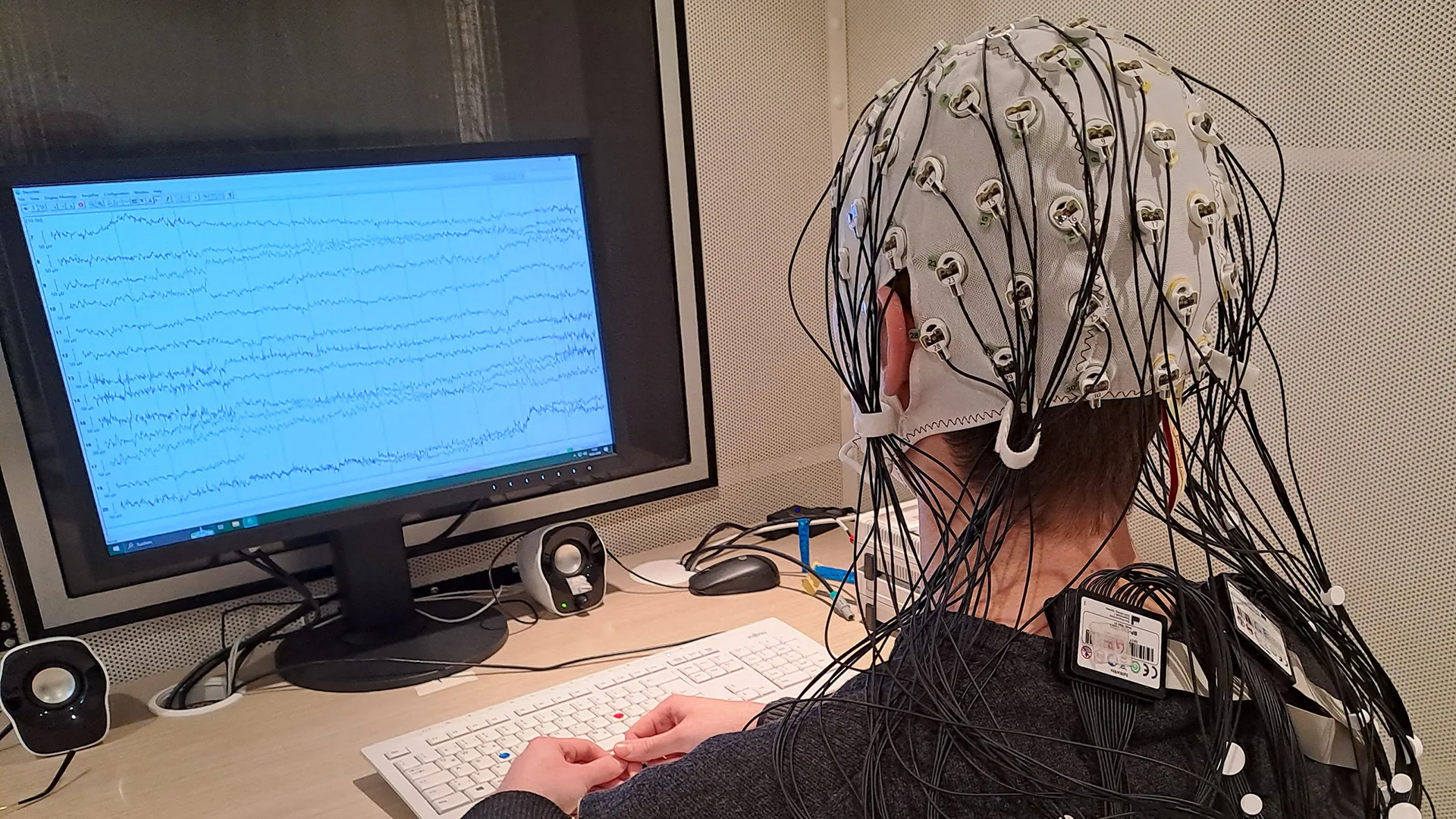
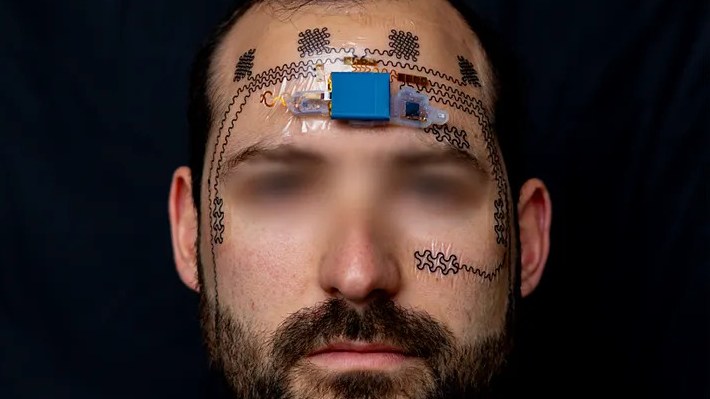
Researchers have developed a temporary, wearable 'e-tattoo' that monitors brain activity to assess mental effort in real-time, potentially improving workplace safety and wellbeing, especially in high-stakes professions. The device uses EEG and eye movement tracking, is affordable, and aims to provide continuous mental workload data, unlike traditional post-task questionnaires.

Quality Sleep: The Secret to Enhanced Language Learning

Originally Published 1 year ago — by Neuroscience News

Featured image for Quality Sleep: The Secret to Enhanced Language Learning
Source: Neuroscience News

A study by the University of South Australia reveals that sleep significantly enhances language learning by coordinating brainwave patterns during NREM sleep. Participants who slept after learning a new language performed better than those who stayed awake, suggesting that sleep aids in memory consolidation. These findings could inform treatments for language impairments and improve educational strategies.

Revolutionary E-Tattoos: The Future of Brainwave Monitoring

Originally Published 1 year ago — by Gizmodo

Featured image for Revolutionary E-Tattoos: The Future of Brainwave Monitoring
Source: Gizmodo

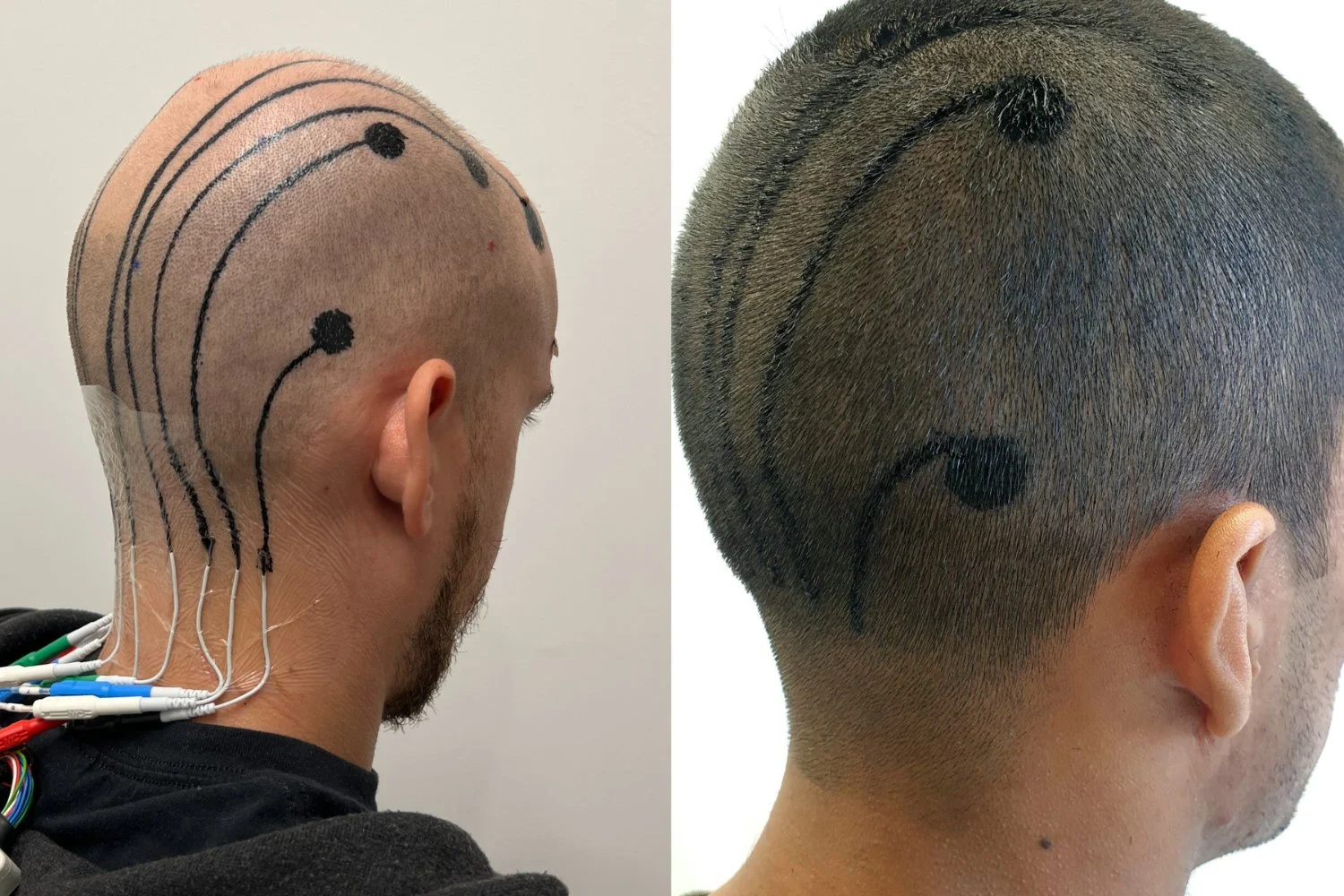
Scientists at the University of Texas at Austin have developed temporary electronic tattoos that can non-invasively monitor brain activity, potentially revolutionizing EEG testing and brain-computer interfaces. These e-tattoos use a specialized liquid ink that can be applied to the scalp, even through hair, and provide stable readings for up to 24 hours. This innovation could make EEGs more convenient and comfortable, reducing the need for cumbersome equipment and wires, and may also enhance brain-computer interface devices by eliminating the need for bulky headsets.

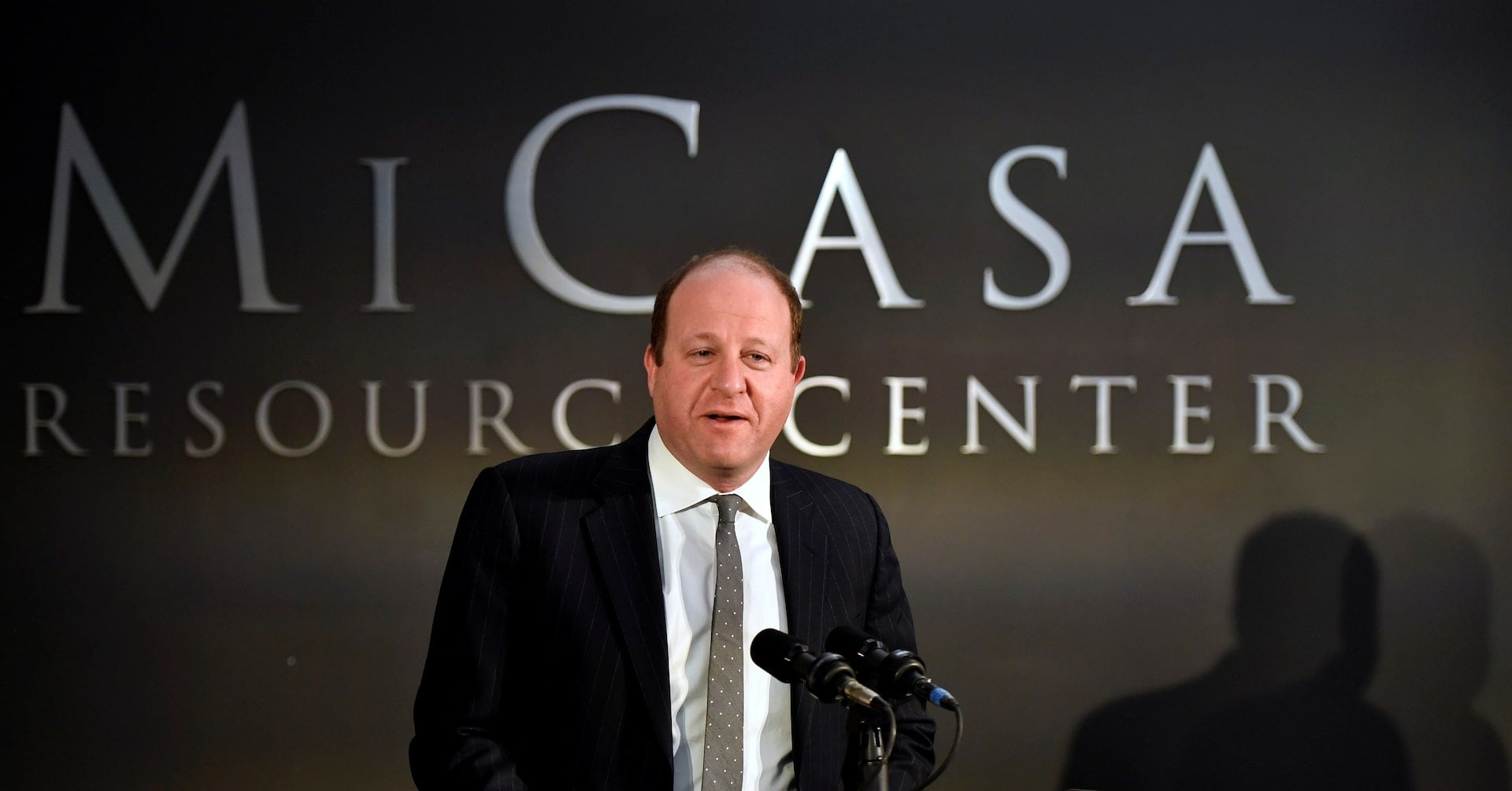
"Colorado Governor Signs First U.S. Law Protecting Consumer Brainwave Privacy"

Originally Published 1 year ago — by Reuters

Featured image for "Colorado Governor Signs First U.S. Law Protecting Consumer Brainwave Privacy"
Source: Reuters

Colorado Governor Jared Polis signed into law the first measure in the U.S. aimed at protecting the data found in a person's brainwaves, as advances in neurotechnology make scanning, analyzing, and selling mental data increasingly possible. The law aims to provide a clear framework to protect Coloradans' personal data from being used without their consent while still allowing the development of these new technologies. The Neurorights Foundation supported the bill, noting that the neurotechnology industry's data privacy protections are often weak or non-existent. This move comes as big tech firms and companies like Neuralink and Synchron are developing technology that can detect brain activity for potential commercial use.

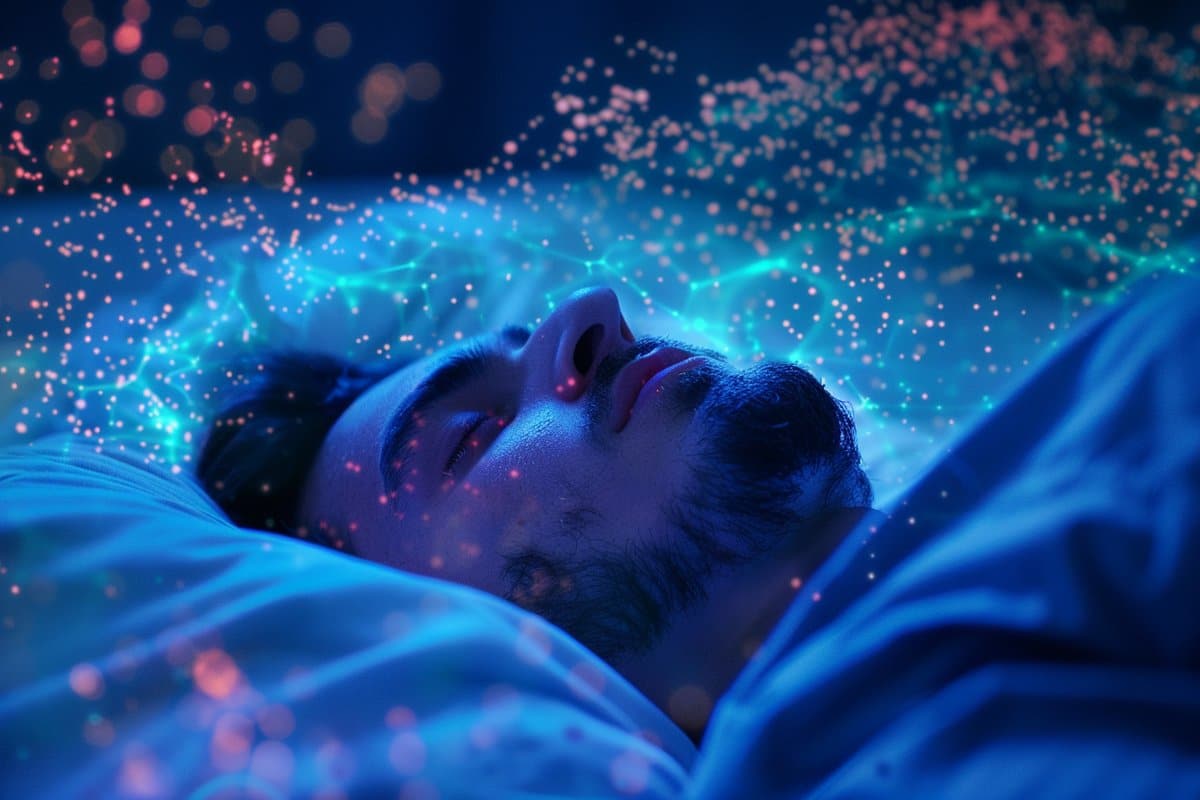
"Sleep-Induced Brainwave Activity Facilitates Waste Clearance and Self-Healing"

Originally Published 1 year ago — by Neuroscience News

Featured image for "Sleep-Induced Brainwave Activity Facilitates Waste Clearance and Self-Healing"
Source: Neuroscience News

A study from Washington University reveals that during sleep, brainwaves facilitate the movement of cerebrospinal fluid through the brain, effectively flushing out waste and potentially preventing neurological diseases like Alzheimer's and Parkinson's. Understanding and enhancing this cleansing process could lead to improved sleep quality and overall brain health, offering new avenues for treating sleep disorders and combating neurodegenerative diseases.

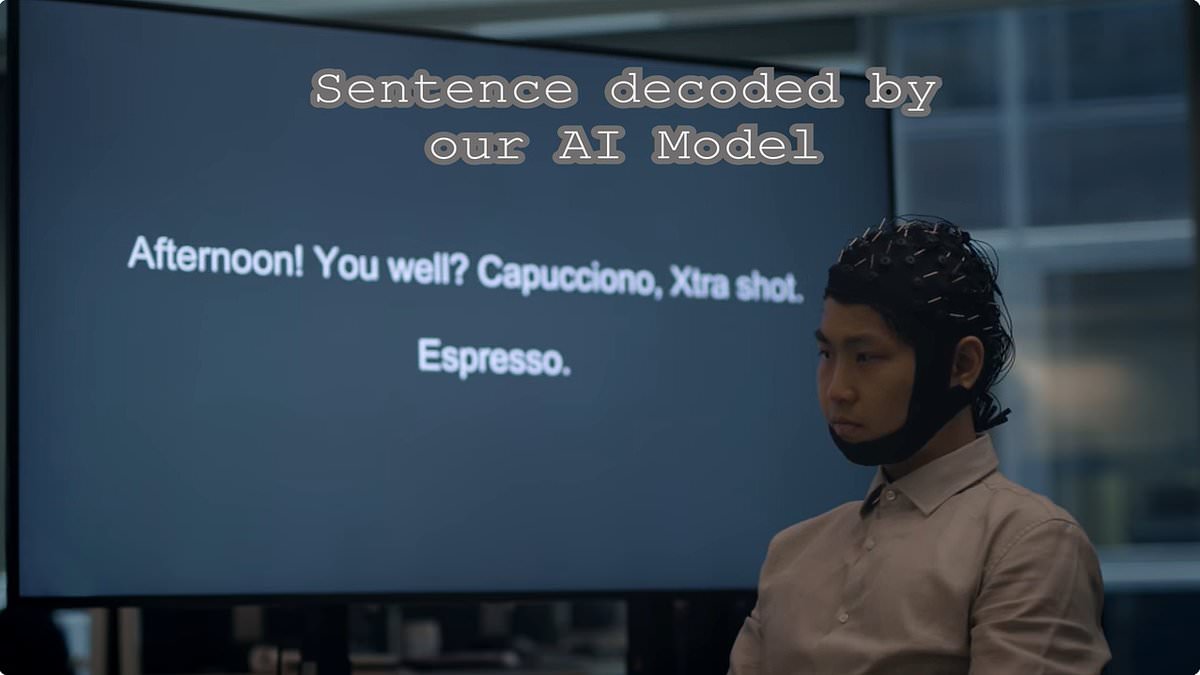
Breakthrough: Mind-reading Helmet Translates Thoughts into Text

Originally Published 2 years ago — by Daily Mail

Featured image for Breakthrough: Mind-reading Helmet Translates Thoughts into Text
Source: Daily Mail

Scientists at the University of Technology Sydney have developed a portable mind-reading AI that translates brainwaves into readable text using a sensor-covered helmet. The technology has the potential to revolutionize communication for patients who have become mute due to stroke or paralysis. It also offers the possibility of seamless control of devices such as bionic limbs and robots. The system represents a significant breakthrough in translating raw EEG waves directly into language and is the first to incorporate discrete encoding techniques in the brain-to-text translation process. The translation accuracy score is currently around 40 percent but is expected to improve in future iterations.

"Scientists Use Brainwaves to Recreate Pink Floyd Song"

Originally Published 2 years ago — by The Guardian

Featured image for "Scientists Use Brainwaves to Recreate Pink Floyd Song"
Source: The Guardian

Scientists have successfully reconstructed Pink Floyd's "Another Brick in the Wall" by decoding brainwaves, marking the first time a recognizable song has been decoded from electrical brain activity. The study aims to restore musicality to patients with neurological conditions that affect speech. Previous attempts at decoding speech from brain recordings lacked emotional and prosodic qualities, but music offers a broader spectrum of elements that could enhance speech decoding. By analyzing brain recordings from 29 patients, the researchers used artificial intelligence to reproduce the sounds and words of the song, albeit muffled. The study also identified new brain areas involved in rhythm detection and confirmed the right side of the brain's dominance in music processing.