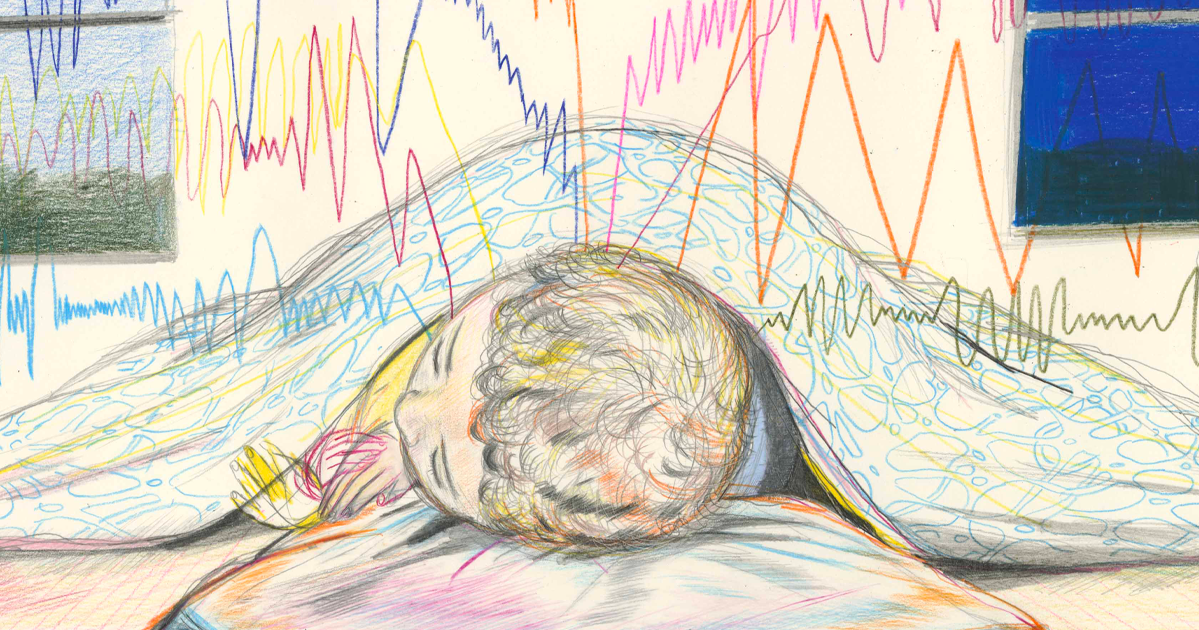
New research from MIT reveals that after poor sleep, the brain releases cerebrospinal fluid in waves during attention lapses, mimicking sleep's cleansing process but impairing alertness, suggesting a link between sleep, brain cleaning, and attention regulation.
Scientists have discovered that brief lapses in attention caused by sleep deprivation are linked to waves of cerebrospinal fluid leaving and returning to the brain, suggesting the brain attempts to perform maintenance during these moments, which may serve as a protective mechanism.
Researchers at Washington University have developed a proteomics-based model using cerebrospinal fluid (CSF) to better understand and predict Alzheimer's disease. By analyzing CSF proteins and their genetic links, they identified 38 proteins likely involved in Alzheimer's, with 15 being targetable by existing drugs. This approach could enhance treatment strategies for Alzheimer's and other neurological conditions, offering a more accurate prediction model than current genetics-based methods.
Researchers at Washington University have identified 38 proteins in cerebrospinal fluid linked to Alzheimer's disease, with 15 being potential drug targets. This study highlights the importance of human-derived samples in understanding neurodegeneration and offers new therapeutic avenues. The findings, published in Nature Genetics, demonstrate the power of proteomic analysis in mapping disease-related proteins and genetic pathways.
Recent research highlights the significant overlap between autism and sleep issues, with up to 80% of autistic children experiencing sleep disturbances such as reduced REM sleep and frequent awakenings. Scientists are exploring various factors, including cerebrospinal fluid levels and genetic variants, that may contribute to these problems. The research aims to determine whether sleep issues exacerbate autism traits or are influenced by other autism-related factors. New minimally invasive sleep-tracking devices are being developed to better understand these challenges.
Researchers at the Washington University School of Medicine in St. Louis have discovered that during sleep, rhythmic neuronal activity helps move cerebrospinal fluid through the brain, flushing out metabolic waste and potentially reducing the risk of neurodegenerative diseases. Neurons play a crucial role in activating the brain's self-cleaning cycle, and understanding this process may lead to insights into conditions like Alzheimer's.
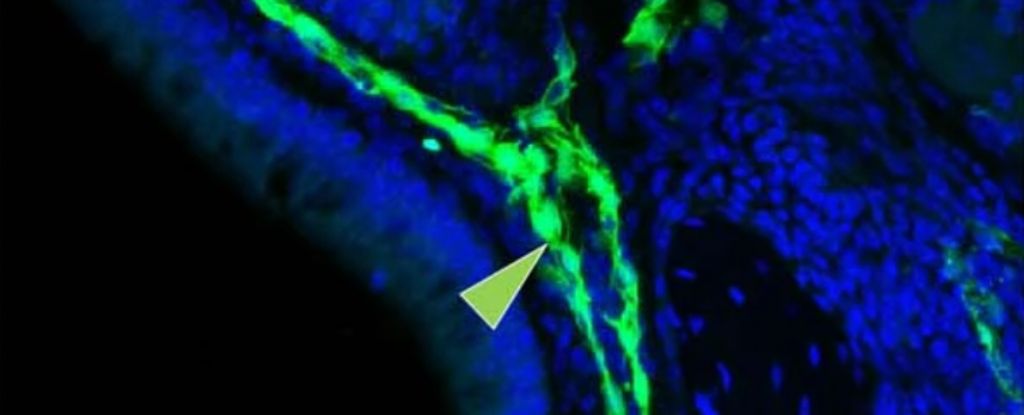
Scientists have discovered a previously unknown network of lymphatic vessels, called the nasopharyngeal lymphatic plexus, in mice and monkeys that connects the brain to the body's lymphatic system, potentially playing a crucial role in maintaining the health and function of the central nervous system. This discovery could have significant implications for understanding and treating conditions related to impaired cerebrospinal fluid (CSF) drainage, such as neurodegenerative disorders like Alzheimer's disease. The findings suggest that stimulating these vessels could improve their fluid-draining function, offering a potential target for neurodegenerative treatment.
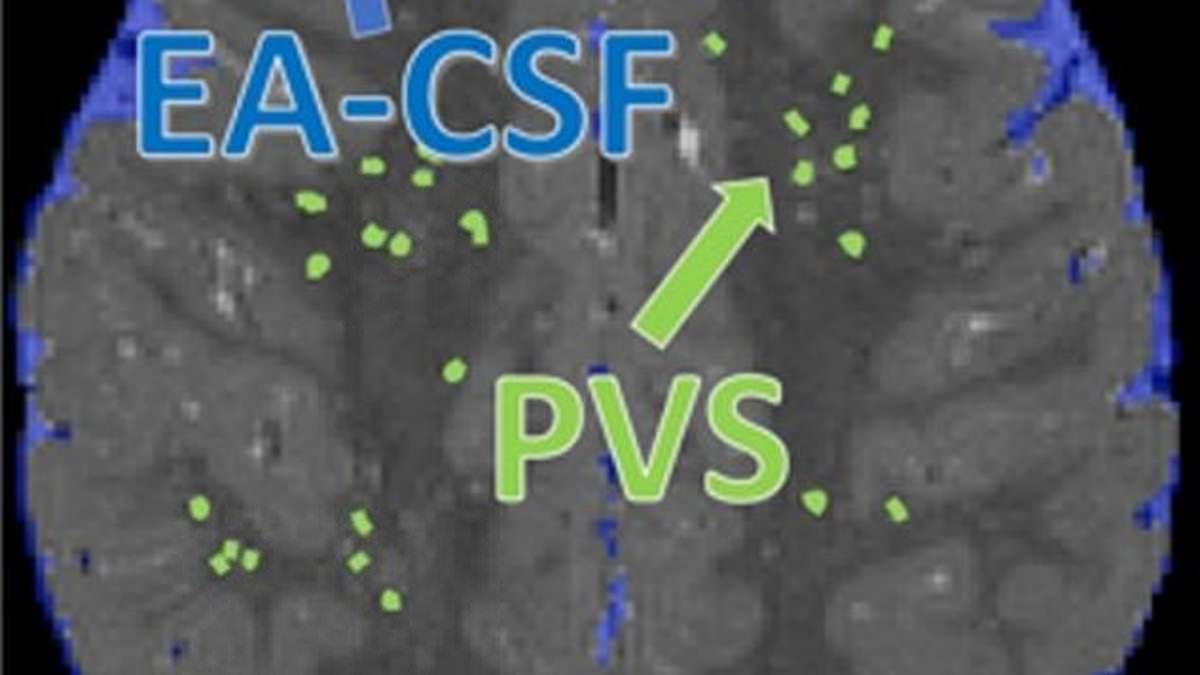
A study by the University of North Carolina's School of Medicine has found that infants with a family history of autism and enlarged perivascular spaces in their brains are 2.2 times more likely to be diagnosed with autism by age two. Enlarged perivascular spaces, which are channels that help regulate fluid movement in the brain, were also associated with sleep problems in later childhood. This discovery could serve as an early marker for autism, potentially leading to earlier diagnosis and intervention. The study highlights the importance of monitoring brain development in the early years of life, as these abnormalities can have long-term effects on various outcomes, including autism and sleep disturbances.
A study conducted by researchers at the University of North Carolina School of Medicine has found that infants with abnormally enlarged perivascular spaces (PVS) in the brain have a 2.2 times greater chance of developing autism compared to infants with the same genetic risk. The study followed infants at increased likelihood for autism due to having an older sibling with the condition and found that 30% of infants who later developed autism showed enlarged PVS by 12 months. The study also revealed an association between enlarged PVS and sleep problems later in life, suggesting a long-term impact of these early brain abnormalities.
Cerebrospinal fluid, the protective liquid surrounding the brain, may be contributing to the resistance of brain cancers like glioblastoma to standard treatments. Exposure to this fluid causes tumor cells to change and become more resistant to radiation and common medications. However, a decades-old anti-anxiety drug called trifluoperazine shows promise in making these cells more receptive to therapies without harming healthy brain cells. This discovery could lead to the repurposing of trifluoperazine to improve survival rates in glioblastoma patients.
A neurovascular study from the University of Copenhagen suggests that maintaining a healthy lifestyle and engaging in regular physical activity can help prevent brain diseases such as Alzheimer's. The study found that a healthy heart and flexible blood vessels contribute to the flow of cerebrospinal fluid in the brain, which helps remove waste products and prevent neurodegenerative diseases. The findings highlight the importance of vascular dynamics and provide hope for new treatments for Alzheimer's and dementia.
Researchers have discovered a new method to deliver gene therapy through cerebrospinal fluid to restore hearing in deaf mice by repairing inner ear hair cells. By utilizing the brain's natural fluid flow and a little-understood passage called the cochlear aqueduct, the scientists successfully restored hearing in adult deaf mice. This breakthrough may pave the way for using gene therapy to restore hearing in humans with genetic-mediated hearing loss.
Researchers have discovered a new method to deliver gene therapy into the inner ear by utilizing the natural flow of cerebrospinal fluid through a little understood passage called the cochlear aqueduct. By injecting an adeno-associated virus into the cerebrospinal fluid, the researchers were able to deliver a gene therapy that repaired inner ear hair cells and restored hearing in adult deaf mice. This breakthrough could pave the way for future gene therapies to restore hearing in humans with genetic-mediated hearing loss.
A new technique called αSyn-SAA has been developed to test for Parkinson's disease by amplifying and analyzing clusters of the alpha-synuclein protein in cerebrospinal fluid. The technique was successful in identifying 88% of previously diagnosed Parkinson's patients in the largest study of its kind. The finding "lays the foundation for a biological diagnosis of Parkinson's disease," according to neurologists not involved in the research. Parkinson's is the second most common neurodegenerative disease after Alzheimer's and affects over 8.5 million people worldwide.
Researchers at Boston University have found that manipulating blood flow in the brain with visual stimulation induces the flow of cerebrospinal fluid, which helps remove toxins from the brain. The study demonstrates that the flow of cerebrospinal fluid in the brain is linked to waking brain activity, and the findings could impact treatment for conditions like Alzheimer’s disease, which have been associated with declines in cerebrospinal fluid flow. The researchers discovered that exposure to a flashing pattern can increase the flow of cerebrospinal fluid, which could be a way to combat natural or unnatural declines in fluid flow that occur with age or disease.