Tag

Nancy Grace Roman Space Telescope

All articles tagged with #nancy grace roman space telescope

science-and-technology1 year ago

NASA's Roman Telescope Unveils Its Advanced Optics

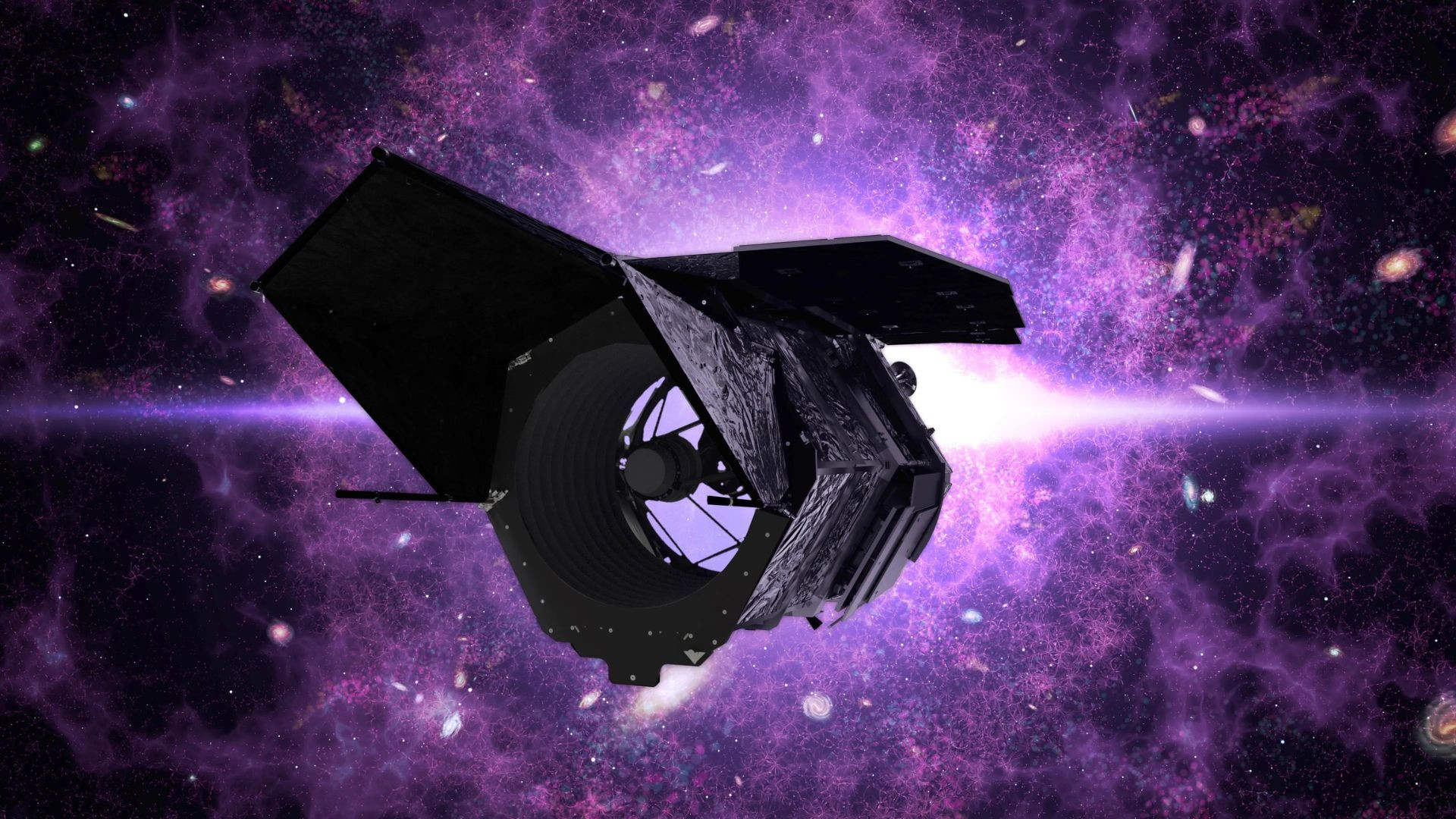
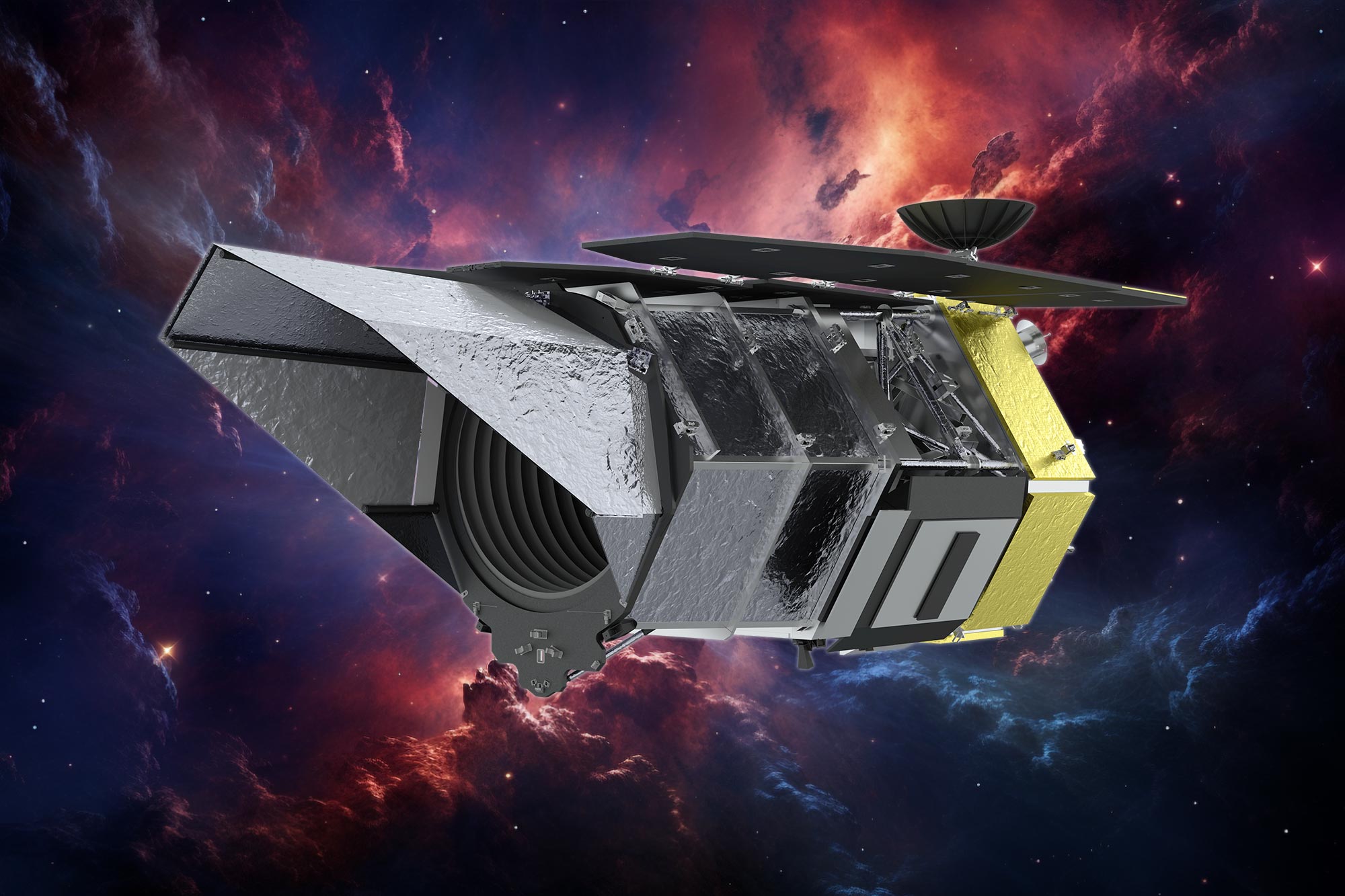
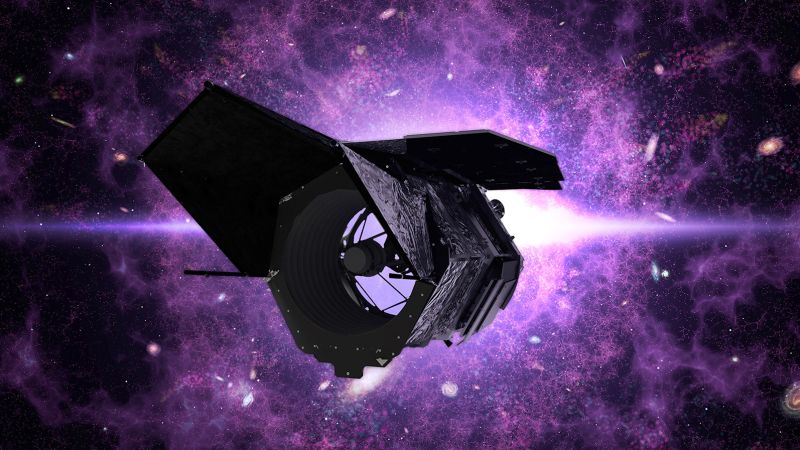
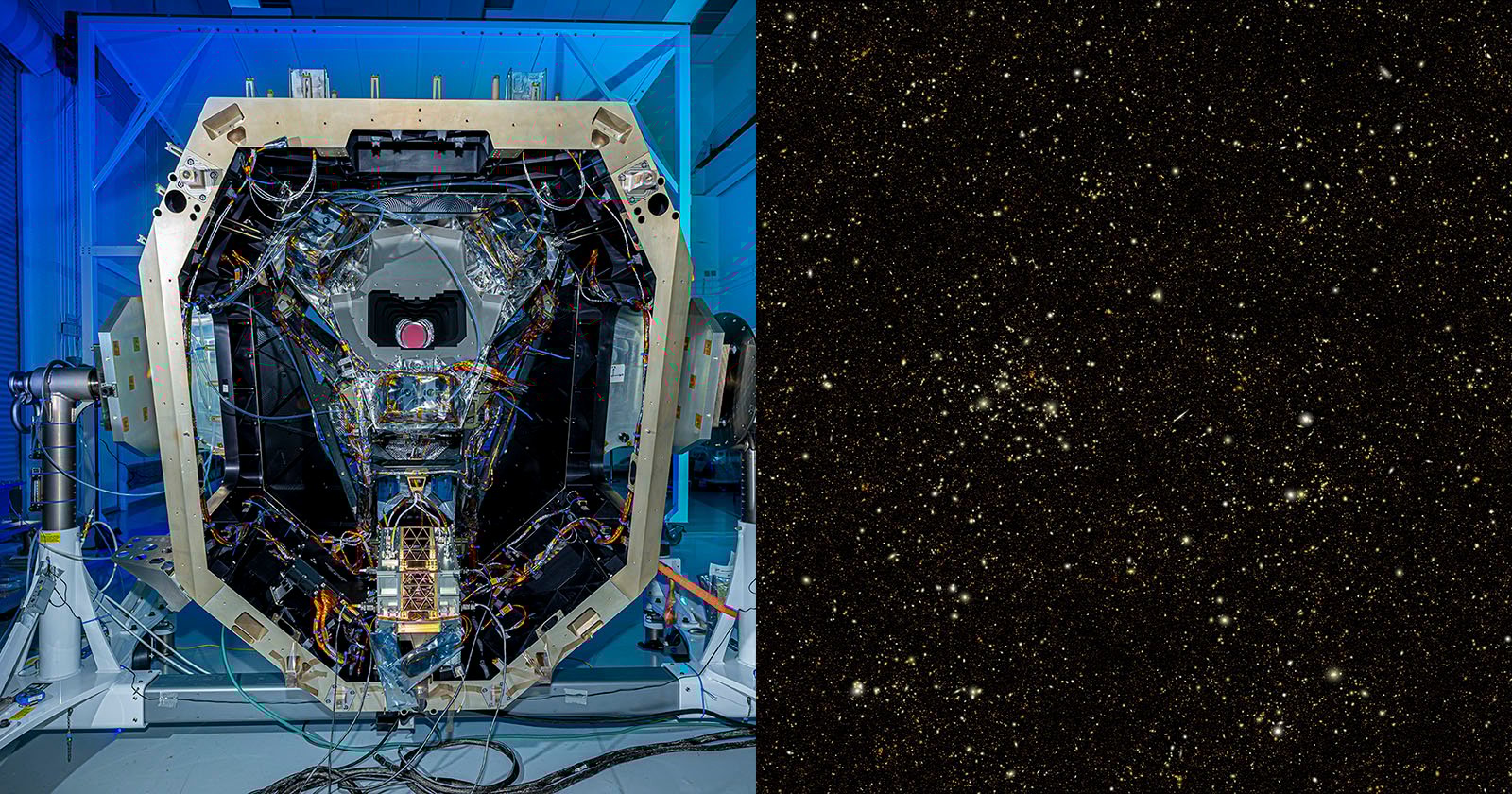
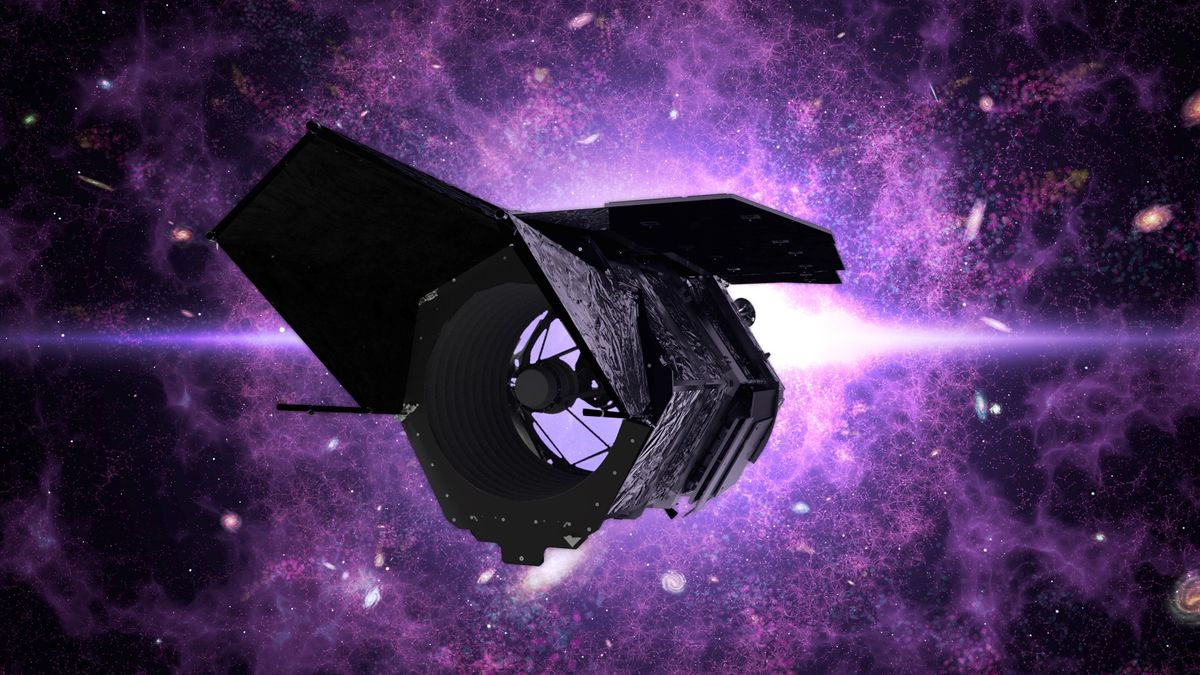
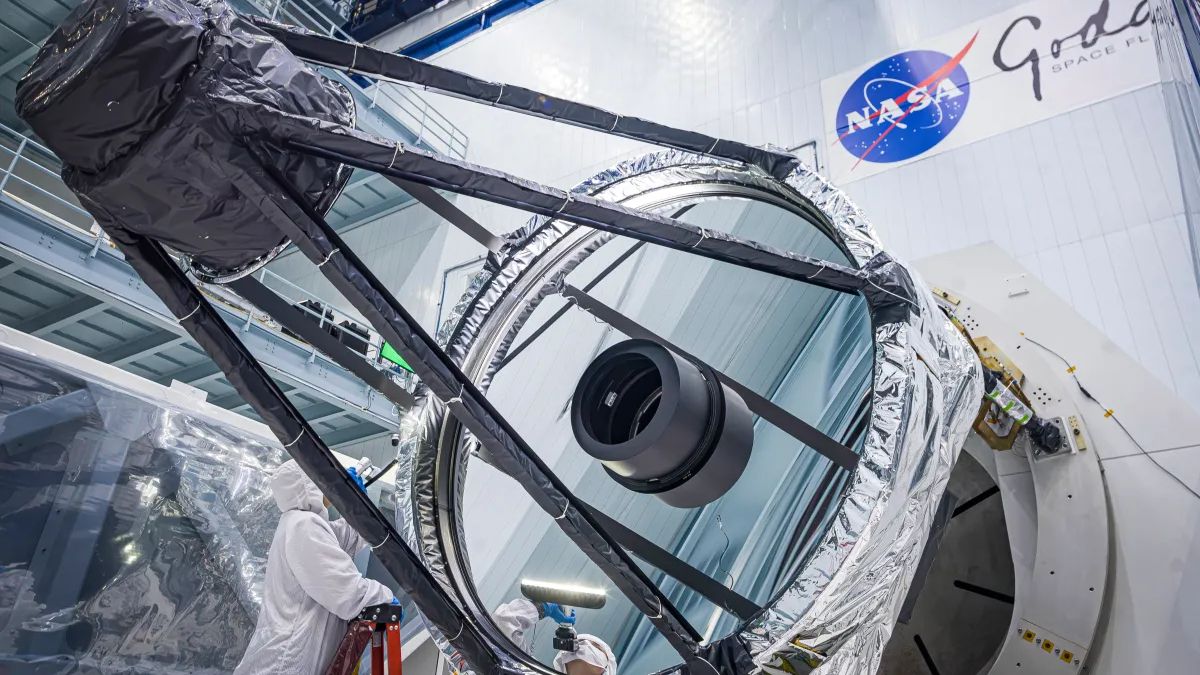
NASA's Nancy Grace Roman Space Telescope has reached a significant milestone with the delivery of its Optical Telescope Assembly to Goddard Space Flight Center. This assembly, featuring a state-of-the-art primary mirror and nine additional mirrors, will enable the telescope to capture faint infrared light, aiding in the study of dark matter, exoplanets, and galaxy formation. The Roman Telescope, set to launch in 2027, will surpass the Hubble Space Telescope in conducting large-scale sky surveys, thanks to its advanced technology and wide field of view.
astronomy1 year ago

"The Smallest Known Planet: Unveiling the Tiniest Celestial Body"

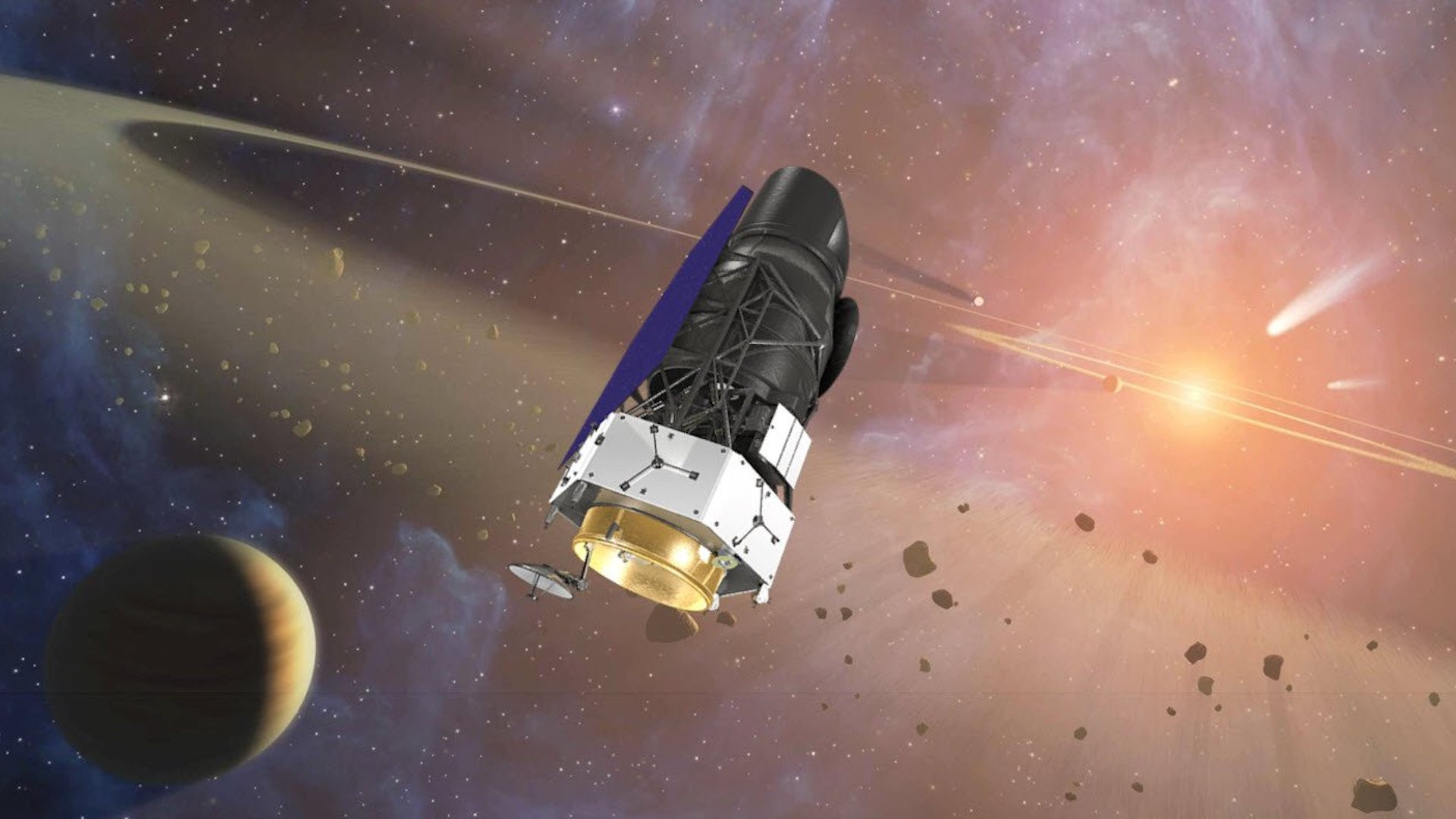
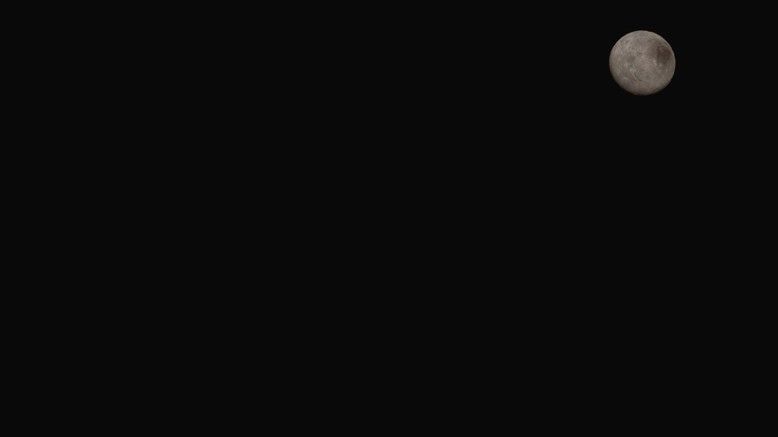
The smallest known planet is Kepler 37-b, discovered in 2013 by scientists using data from the Kepler space telescope. It is smaller than Mercury and about the same size as Earth's moon, orbiting the star Kepler-37. While it shares some similarities with Mercury, its status as a planet is debated due to differences in the definition of a planet for exoplanets. Scientists are now looking to the Nancy Grace Roman Space Telescope, scheduled for launch by May 2027, to find even smaller exoplanets using a technique called microlensing.

astronomy1 year ago

"NASA's Roman Telescope Measures Universe's Expansion Rate Through Rare Events"

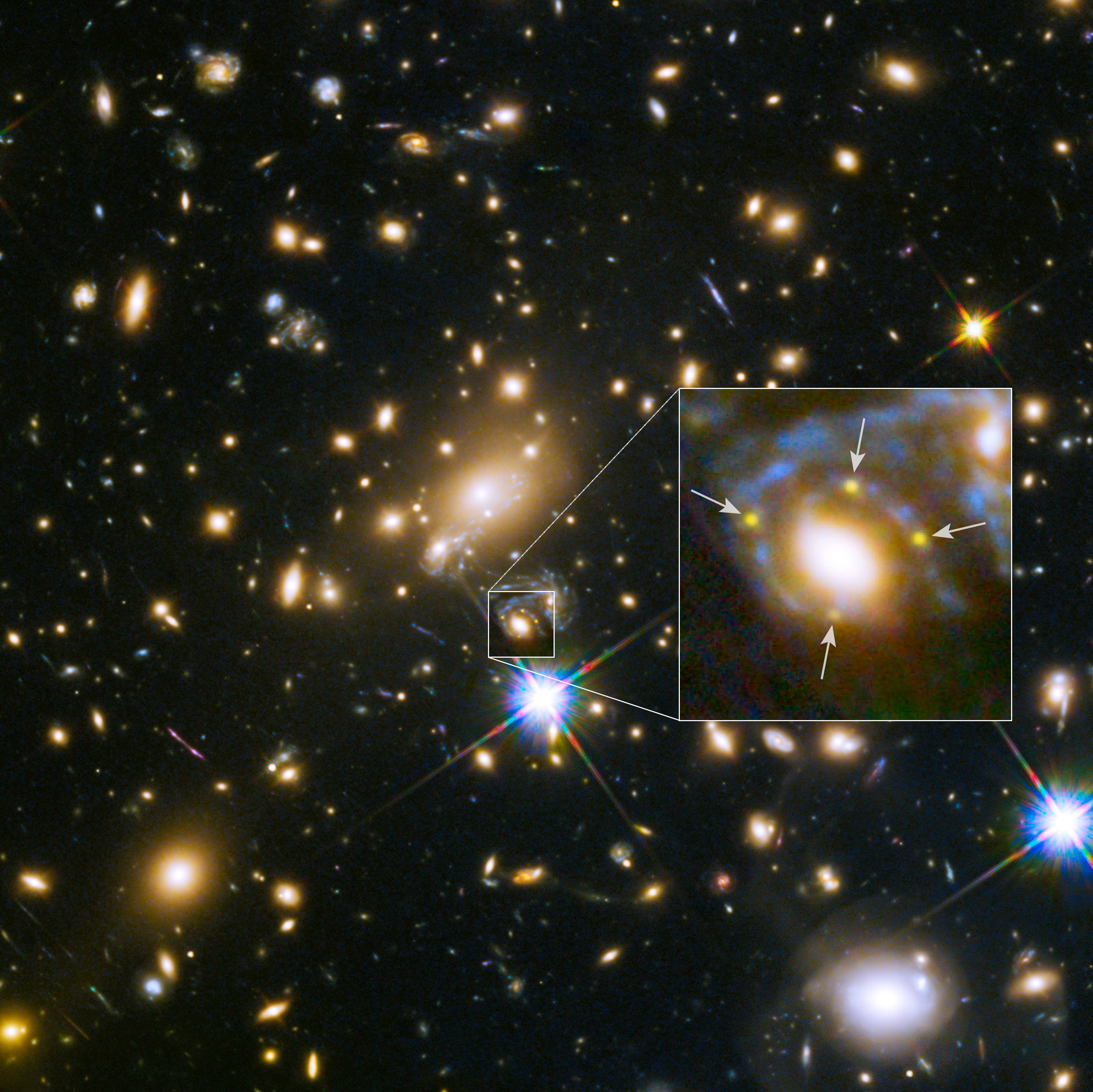
NASA's Nancy Grace Roman Space Telescope, set to launch by May 2027, will be used to study rare gravitationally lensed supernovae in order to measure the expansion rate of the universe, known as the Hubble constant. These rare events will provide a unique way to explore the Hubble constant, complementing traditional methods based on brightness. The telescope's extensive surveys will cover more area than the Hubble Space Telescope, providing a wealth of data to sift through. A team is preparing for this study by creating data reduction pipelines and simulated imaging to detect these rare events, aiming to leverage the telescope's potential for cosmological research.

science-and-technology2 years ago

"Roman Telescope's 2027 Mission: Probing Dark Matter Gaps and Clumps"

NASA's upcoming Nancy Grace Roman Space Telescope, set to launch by May 2027, aims to uncover the mysteries of dark matter by studying the disturbances and gaps present in streams of stars emanating from globular clusters orbiting the Andromeda galaxy. The telescope's Wide Field Instrument, with 18 detectors, is expected to revolutionize observational capabilities, providing exquisitely detailed snapshots of the Andromeda galaxy and enabling the detection of individual stars within globular cluster streams, thus expanding the current understanding of dark matter.

space-science2 years ago

"NASA's Roman Space Telescope: Capturing the Dynamic Cosmos"

NASA's upcoming Nancy Grace Roman Space Telescope, in conjunction with other observatories, will provide unprecedented views of the dynamic cosmos. The telescope's broad field of view will reveal unknown objects and events, potentially leading to the discovery of new classes of cosmic phenomena. The mission's High Latitude Time-Domain Survey will focus on studying type Ia supernovae, which serve as "standard candles" for measuring cosmic distances and tracing the universe's expansion. The telescope will also capture the birth of black holes, tidal disruption events, and fluctuations in brightness of active galaxies hosting quasars. Additionally, the survey will allow scientists to explore the period of reionization and potentially make serendipitous discoveries.

space-science2 years ago

Unveiling the Dynamic Universe: NASA's Roman Mission Explores Milky Way's Flickering Lights

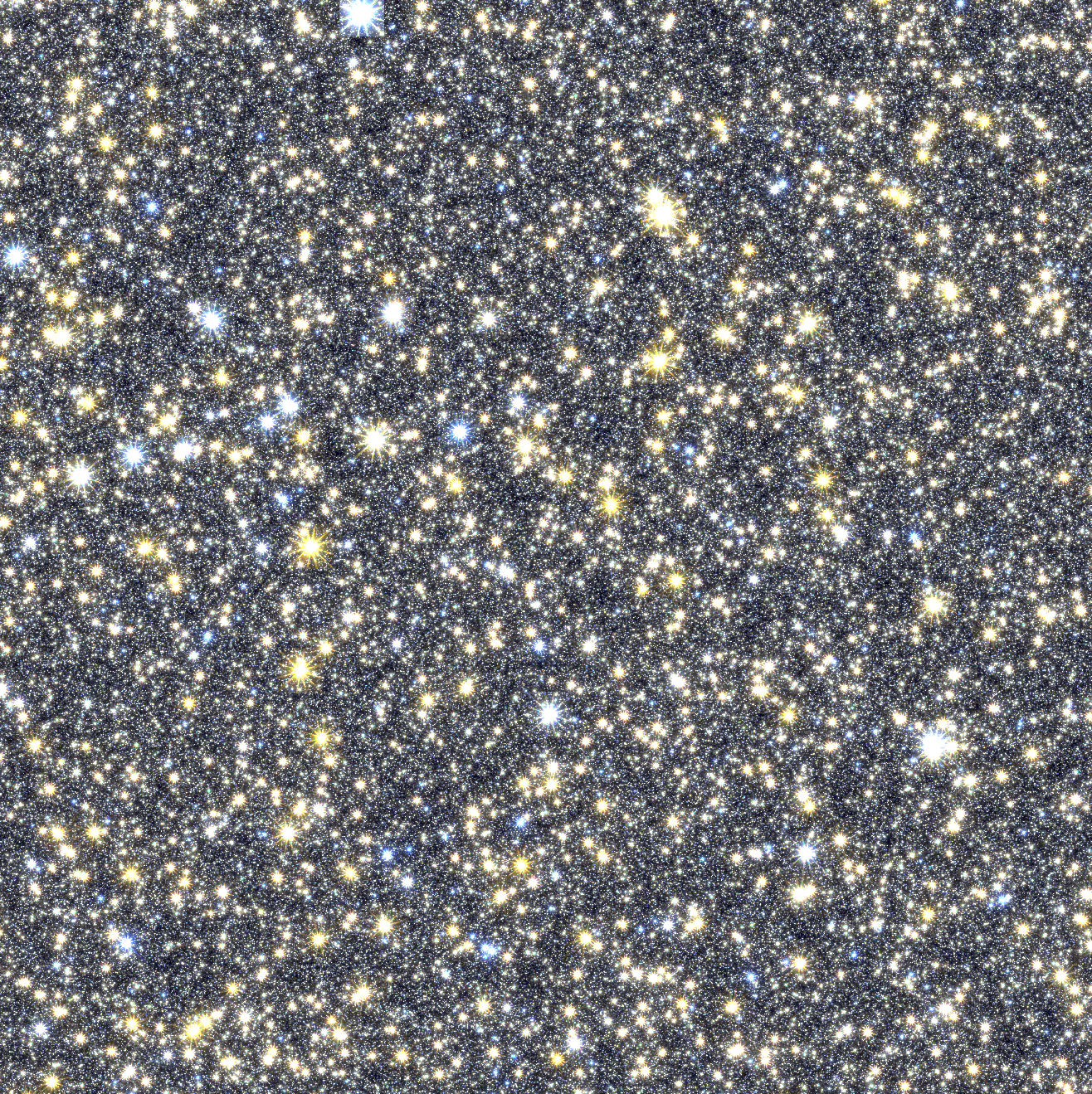
NASA's Nancy Grace Roman Space Telescope, set to launch in 2027, will provide an unprecedented view into the heart of the Milky Way galaxy. The mission aims to monitor hundreds of millions of stars, searching for flickers that indicate the presence of planets, distant stars, icy objects in our solar system, and isolated black holes. By conducting a long-term sky monitoring survey, the telescope will contribute to time-domain astronomy, studying how the universe changes over time. The mission will focus on the Milky Way's Galactic Bulge, using infrared vision to penetrate dust clouds and reveal the crowded central region of our galaxy. Roman's observations are expected to uncover thousands of exoplanets, including those in the habitable zone, as well as brown dwarfs, neutron stars, and Kuiper belt objects.

space-science2 years ago

"NASA's Roman Mission Prepares for Data Deluge"

NASA's Nancy Grace Roman Space Telescope team is preparing for the massive amount of data the mission will collect by creating simulations, conducting precursor observations with other telescopes, and developing algorithms to analyze the data. The goal is to maximize the telescope's scientific potential and uncover mysteries like dark energy. The mission is expected to amass 20,000 terabytes of observations over its five-year primary mission. Multiple teams will collaborate to plan for each science case, optimize observing strategies, and combine data from different observatories. The mission's science centers are also establishing systems to manage the data pipeline and archive.

space2 years ago

NASA's Roman Space Telescope Equipped with 45-Mile Long "Nervous System" for Exploration

NASA's Nancy Grace Roman Space Telescope, designed to investigate dark energy and exoplanets, is one step closer to its launch in May 2027 as the spacecraft's electrical harness is being integrated and tested. The harness, weighing around 1,000 pounds and consisting of approximately 32,000 wires and 900 connectors, connects the observatory's components, provides power, and enables communication between different parts of the telescope. The harness was built on a mock-up structure and underwent a "bakeout" process to prepare it for space conditions. Engineers will now weave the harness through the flight structure as the final assembly stages continue.

space-science2 years ago

"NASA's Advanced Telescope: Discovering Countless Exoplanets and Earth-sized Wanderers"

NASA's upcoming Nancy Grace Roman Space Telescope, set to launch between October 2026 and May 2027, could potentially detect 400 Earth-mass rogue planets, shedding light on the formation and evolution of planetary systems. Two new studies suggest that rogue planets are six times more abundant than star-orbiting planets in our galaxy. The telescope's wide field of view and sharp vision will allow for detailed study of these objects, and its improved capabilities are expected to discover around 2,600 exoplanets across the Milky Way. Roman's coronagraph will directly image exoplanets, capturing details of planets that are 10 billion times fainter than their stars.

space-science2 years ago

"Exploring the Universe: Nancy Grace Roman Space Telescope's Quest for Supermassive Dark Stars"

The Nancy Grace Roman space telescope, set to launch in 2027, may have the capability to detect supermassive dark stars, which were potentially formed in the early universe due to concentrated dark matter. These stars, if they existed, would have been massive but dim and distant, making them difficult to observe with current telescopes. The Roman telescope, along with the James Webb Space Telescope, could potentially identify and confirm dark star candidates by combining their observations. If successful, this approach could shed light on the formation of supermassive black holes and provide insights into cosmological mysteries.

space2 years ago

NASA's Roman Space Telescope Gets New Core in Heart Transplant

NASA's Nancy Grace Roman Space Telescope's Focal Plane System, which holds 18 detectors and ultra-modern electronics, has arrived at Ball Aerospace in Boulder. The system will be integrated into the Wide Field Instrument for the improved study of dark matter, dark energy, and exoplanets with the help of highly defined images. The detectors were developed by engineers at NASA's Goddard Space Flight Center. The team expects WFI's return to Goddard in the spring of 2024, where it will ultimately be integrated into the rest of the observatory, and launched in 2027.

space2 years ago

"Record Time Calibrator Built for NASA's Roman Telescope to Unlock Universe's Mysteries"

NASA's Nancy Grace Roman Space Telescope, set to launch in 2027, will feature a 300.8-megapixel infrared Wide Field Instrument and a Coronagraph for studying faint objects. The Simplified Relative Calibration System (sRCS) subsystem was recently installed into the WFI's Cold Sensing Module, enabling astronomers to measure the total light output of cosmic objects with extreme accuracy. Roman's mission is to address essential questions concerning dark energy, exoplanets, and infrared astrophysics. The telescope will perform a microlensing survey of the inner Milky Way to find ~2,500 exoplanets and measure light from a billion galaxies. Roman's instruments promise enough precision to measure even weak lensing and see how clumps of dark matter warp the appearance of distant galaxies.

space2 years ago

"Unraveling the Universe: The Nancy Grace Roman Space Telescope's Time-Traveling Mission"

The forthcoming Nancy Grace Roman Space Telescope will allow astronomers to see space in a way they never have before, turning back the "cosmic clock" and capturing vast regions of space in a single image. The telescope will be able to map the universe up to a thousand times faster than the Hubble Space Telescope, and its larger view and fast survey speeds will unveil the evolving universe in ways that have never been possible before. Roman's power to revolutionize astronomy lies in the fact that it will have the ability to capture vast regions of space in a single image, and its real benefit will be felt when it is teamed up with its fellow space telescopes, with Hubble able to see a broader spectrum of light and the James Webb Space Telescope offering deeper observations.

astronomy2 years ago

Discovery of Rogue Planets with Potential Life-Sustaining Moons

Scientists have discovered two rogue planets, including the second-ever terrestrial mass free-floating planet, using data from the Microlensing Observations in Astrophysics (MOA) II Gravitational Microlensing Survey. The survey aimed to study dark matter, exoplanets, and stellar atmospheres in the Milky Way's bulge and the Magellanic Clouds. The discovery of these planets signals the existence of a terrestrial mass free-floating planet population, which is poorly understood due to the difficulty in detecting them. The upcoming Nancy Grace Roman Space Telescope and the ESA's Euclid infrared space telescope are expected to aid in the search for more free-floating planets.