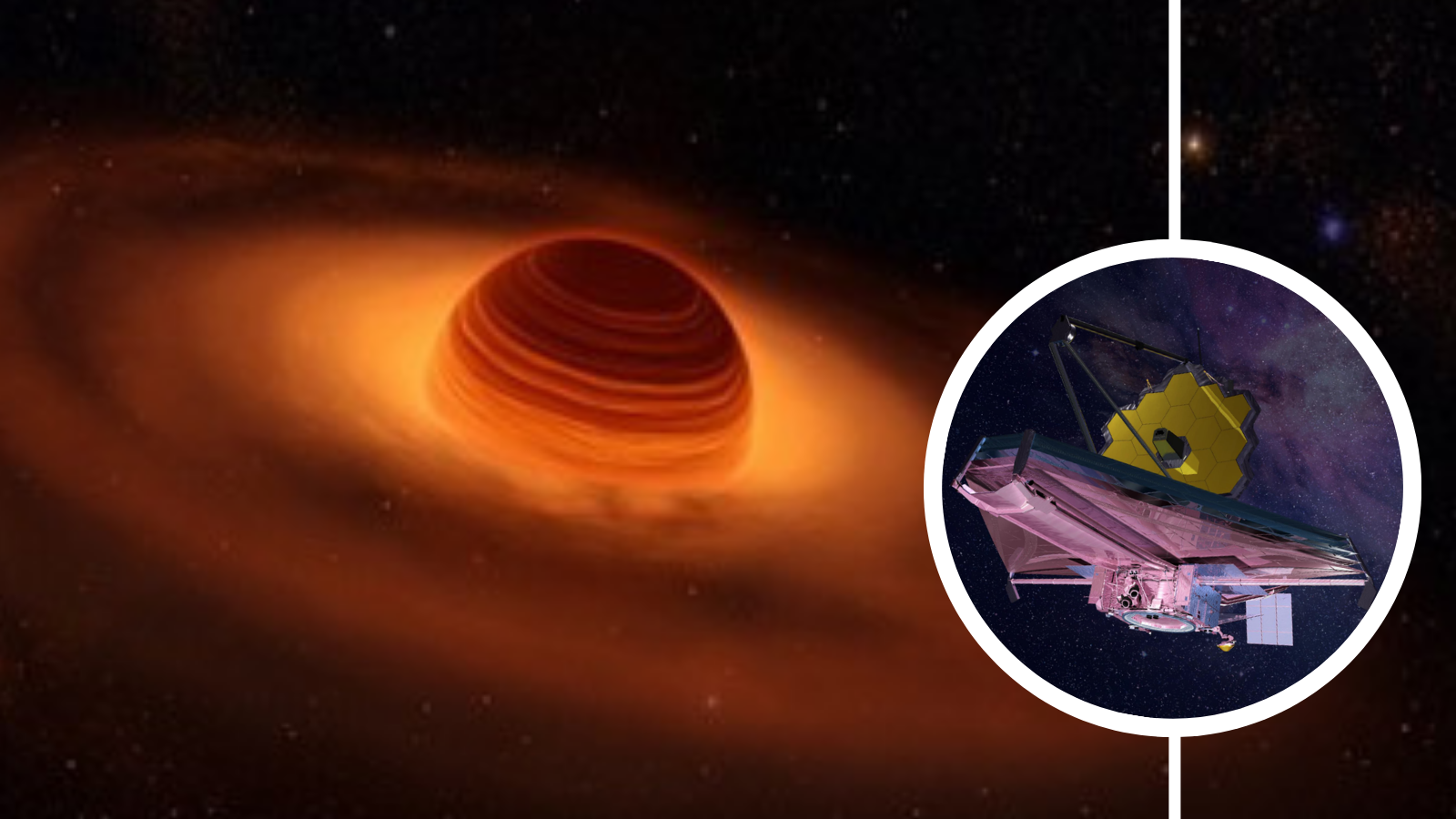
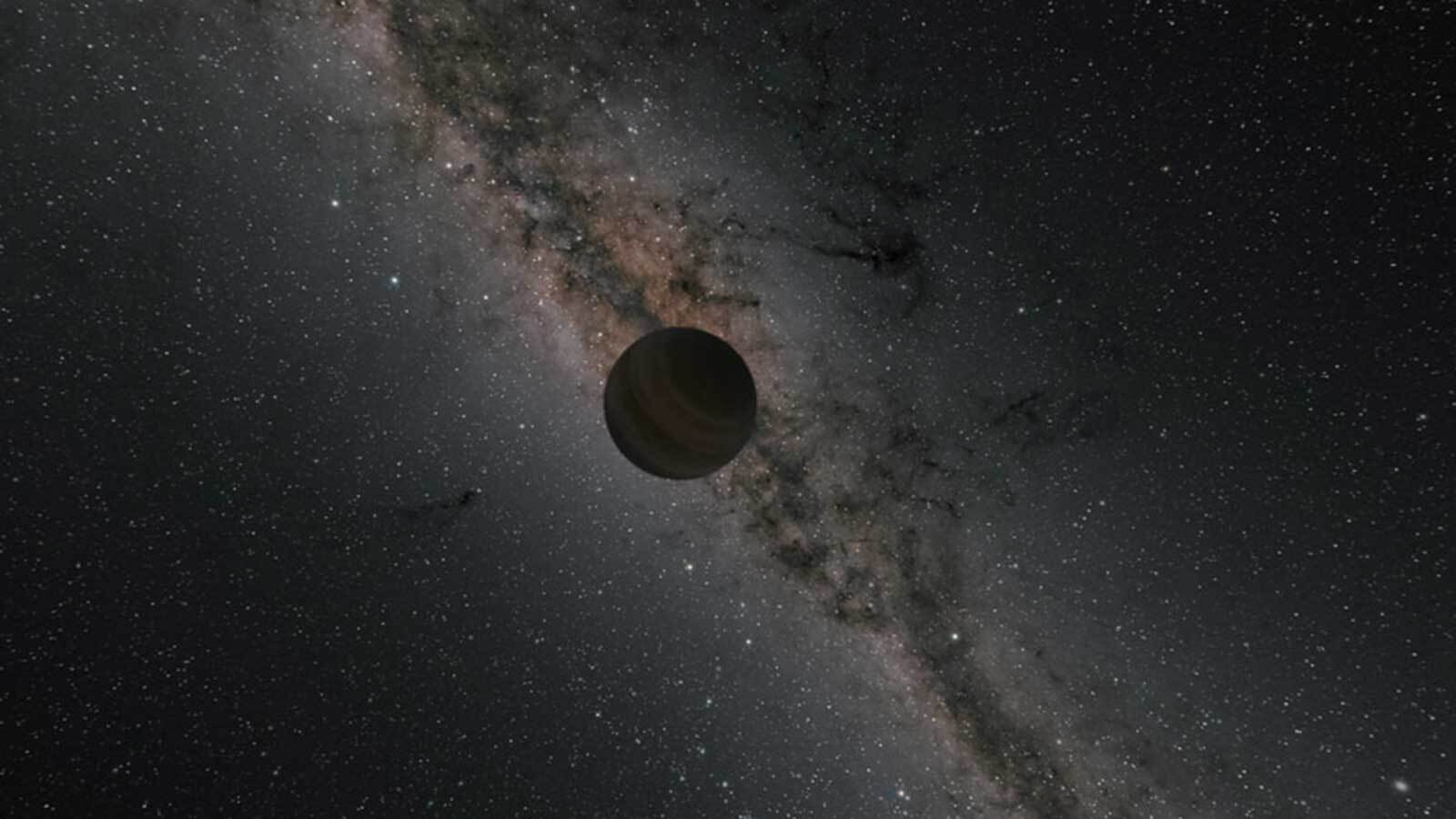
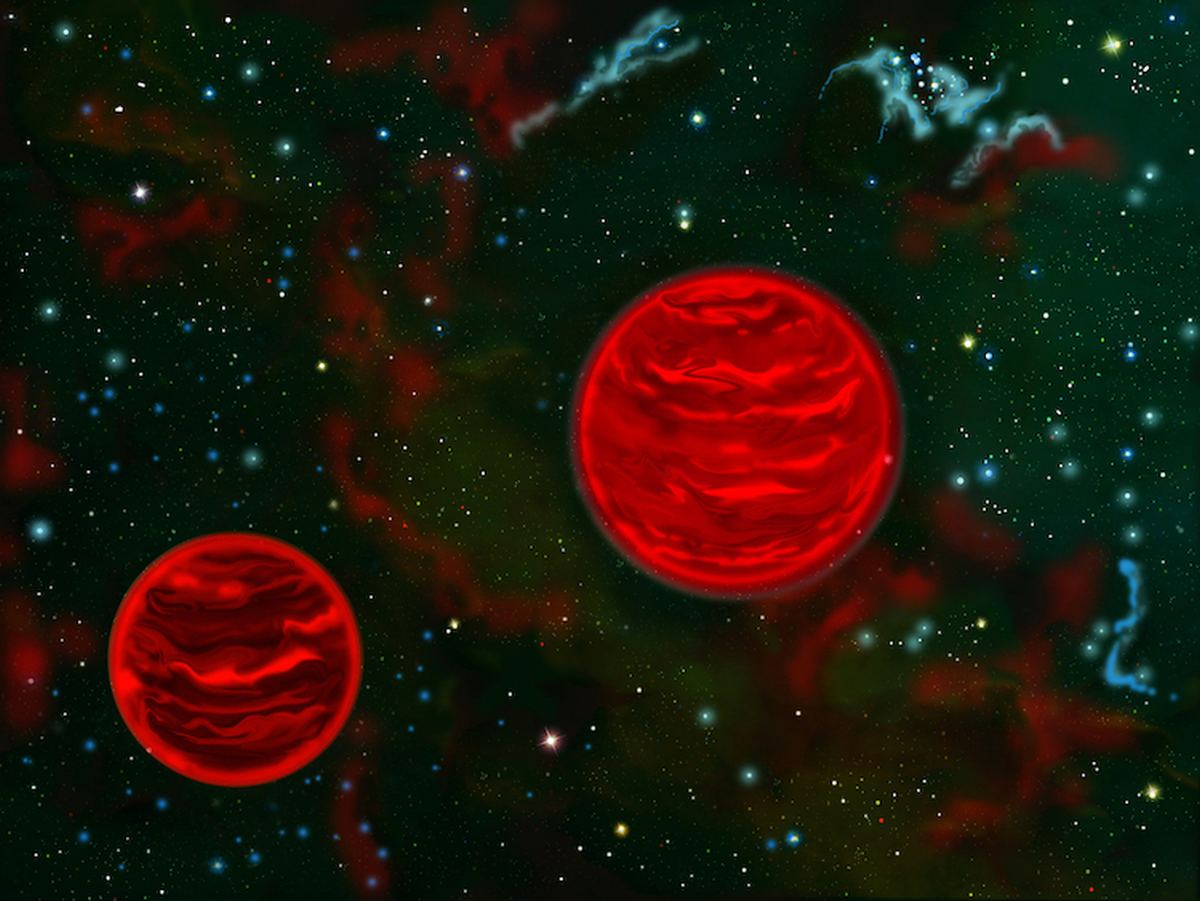
Astronomers using the James Webb Space Telescope have found evidence that massive, starless planets can form their own mini planetary systems, complete with dust disks and early planet formation signs, challenging traditional views of planetary system development.
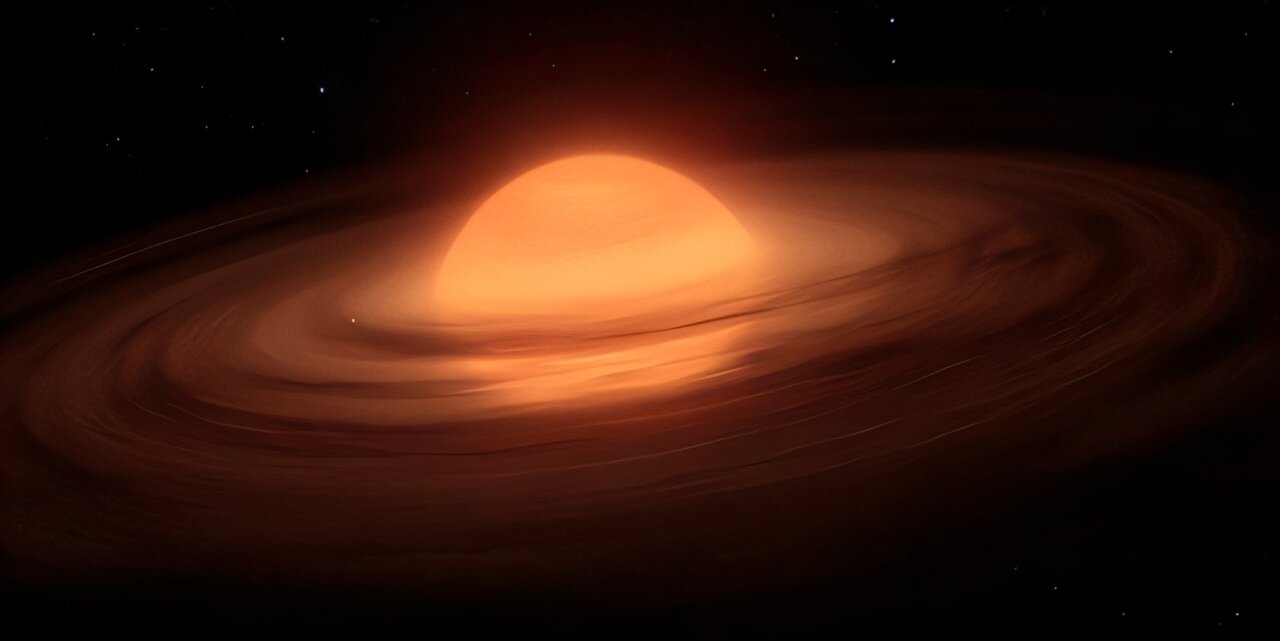
New research suggests that giant free-floating planets, similar in mass to Jupiter, can potentially form their own miniature planetary systems, complete with dust disks and signs of planet formation, challenging the notion that planetary systems only form around stars.
New research using the James Webb Space Telescope suggests that giant, free-floating exoplanets can form their own planetary systems without a parent star, challenging traditional views of planetary formation and indicating the existence of starless mini-planetary systems. The study observed young, isolated objects with masses similar to Jupiter, finding evidence of dust disks and silicate grains, which are early signs of planet formation, around these lonely worlds.
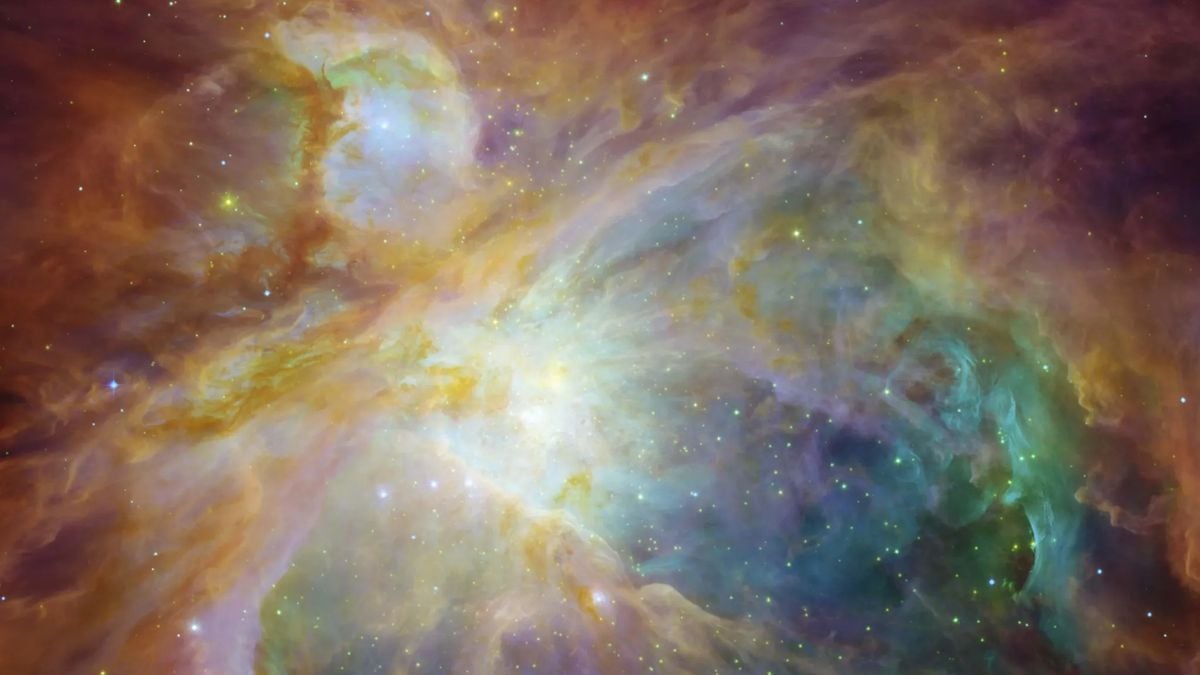
The James Webb Space Telescope has detected hundreds of mysterious free-floating planets in the Orion Nebula, including pairs of Jupiter-size worlds that orbit each other. A new study suggests that these "rogue" planets, particularly the Jupiter-mass binary objects (JuMBOs), may have formed through the cloud-collapse model rather than being pulled away from their parent planetary systems by passing stars. The research, which involved simulations of planetary systems and stellar flybys, provides insights into the formation of these enigmatic free-floating planets and could aid future observations by telescopes such as the Vera C. Rubin Observatory.
Astronomers are studying the origins of rogue planets, also known as free-floating planets (FFPs), which drift through space untethered to any stars. Researcher Gavin Coleman from Queen Mary University of London has simulated how FFPs are ejected from binary star systems, finding that circumbinary systems efficiently produce FFPs with distinct properties. His work suggests that differences in the distributions of FFP masses, frequencies, and excess velocities can indicate whether single stars or circumbinary systems are the fundamental birthplace of FFPs. While there is still much to learn about FFPs and their origins, this research provides a valuable step toward understanding these intriguing objects.
Astronomers have discovered free-floating binary planets, called JuMBOs, in the Orion Nebula using the James Webb Space Telescope (JWST) and the Karl G. Jansky Very Large Array (VLA). These Jupiter-Mass Binary Objects (JuMBOs) are not associated with stars and have masses similar to giant Jupiter-like planets. The discovery challenges current theories of star and planet formation, as these wide free-floating planetary-mass binaries do not fit within our understanding of how stars and planetary systems form. Further research is needed to understand the mechanism responsible for the unexplained radio emissions from these binary planets, and the discovery raises the possibility of these binary planets hosting moons that could potentially support life.
Astronomers studying Jupiter-mass binary objects (JuMBOs) in the Orion Nebula have made a groundbreaking discovery, detecting radio waves originating from both components of a double system of free-floating planets, challenging existing theories on the formation of stars and planets. This finding raises new questions and provides exciting research opportunities to further understand the nature of these free-floating planets, potentially leading to insights into the potential habitability of planets beyond our solar system.
Scientists have discovered two rogue planets, including the second-ever terrestrial mass free-floating planet, using data from the Microlensing Observations in Astrophysics (MOA) II Gravitational Microlensing Survey. The survey aimed to study dark matter, exoplanets, and stellar atmospheres in the Milky Way's bulge and the Magellanic Clouds. The discovery of these planets signals the existence of a terrestrial mass free-floating planet population, which is poorly understood due to the difficulty in detecting them. The upcoming Nancy Grace Roman Space Telescope and the ESA's Euclid infrared space telescope are expected to aid in the search for more free-floating planets.