Tag

Andromeda Galaxy

All articles tagged with #andromeda galaxy

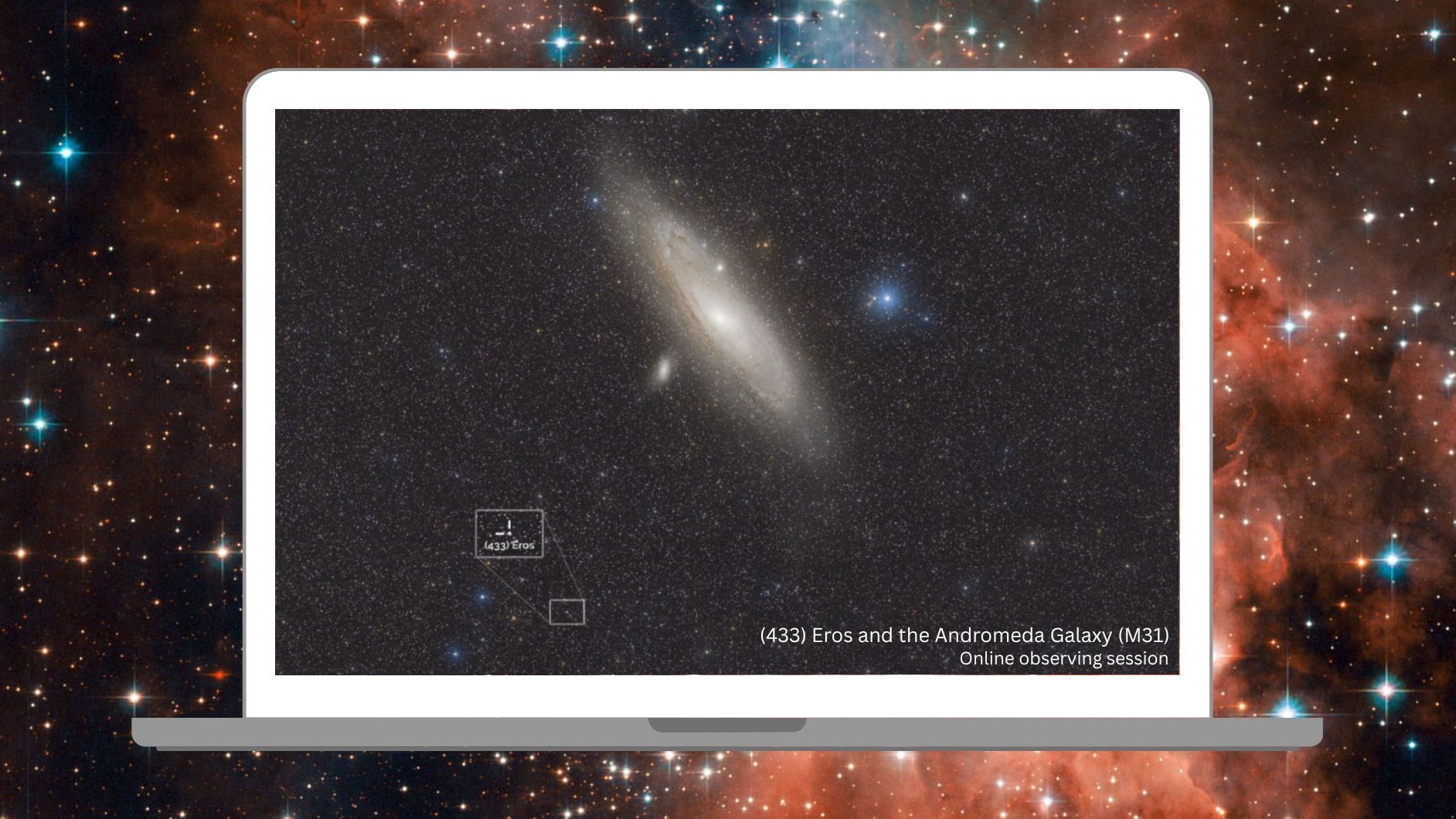
Near-Earth Asteroid Eros to Closely Pass Andromeda Galaxy on November 30

Originally Published 1 month ago — by Space

Featured image for Near-Earth Asteroid Eros to Closely Pass Andromeda Galaxy on November 30
Source: Space

A rare astronomical event will occur on November 30, when the near-Earth asteroid Eros passes close to the Andromeda Galaxy, with a live stream featuring expert commentary and views from telescopes, offering a unique opportunity to observe both celestial objects in the night sky.
Rare Green Comet and Lemmon Approaches: Your Guide to October's Celestial Show

Originally Published 2 months ago — by Post and Courier

Featured image for Rare Green Comet and Lemmon Approaches: Your Guide to October's Celestial Show
Source: Post and Courier

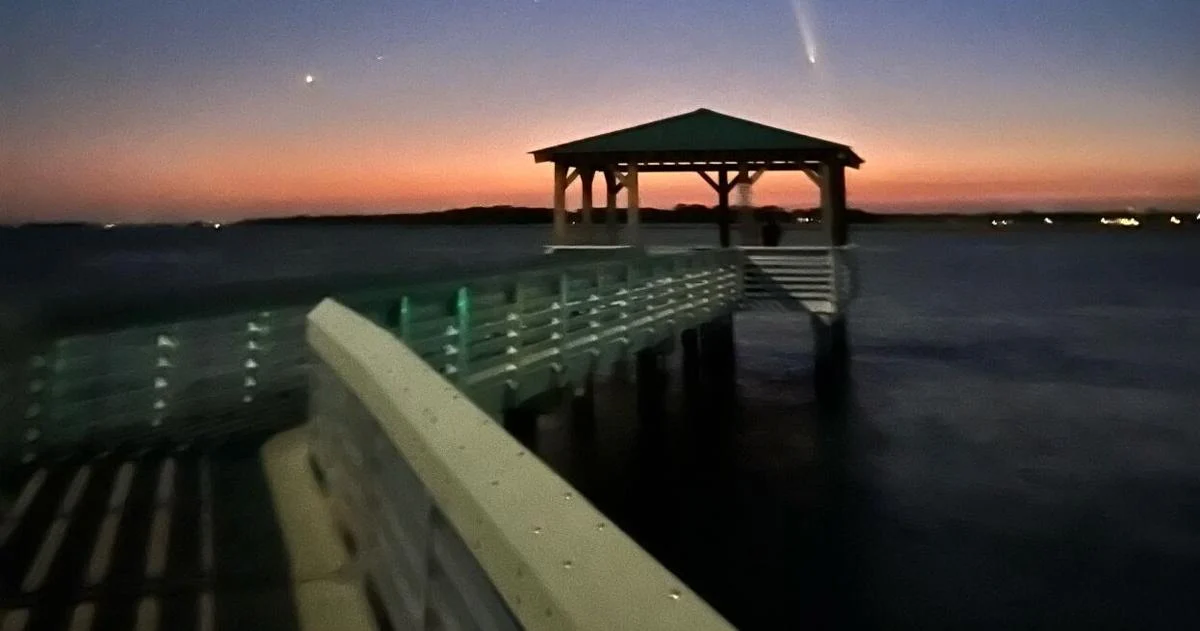
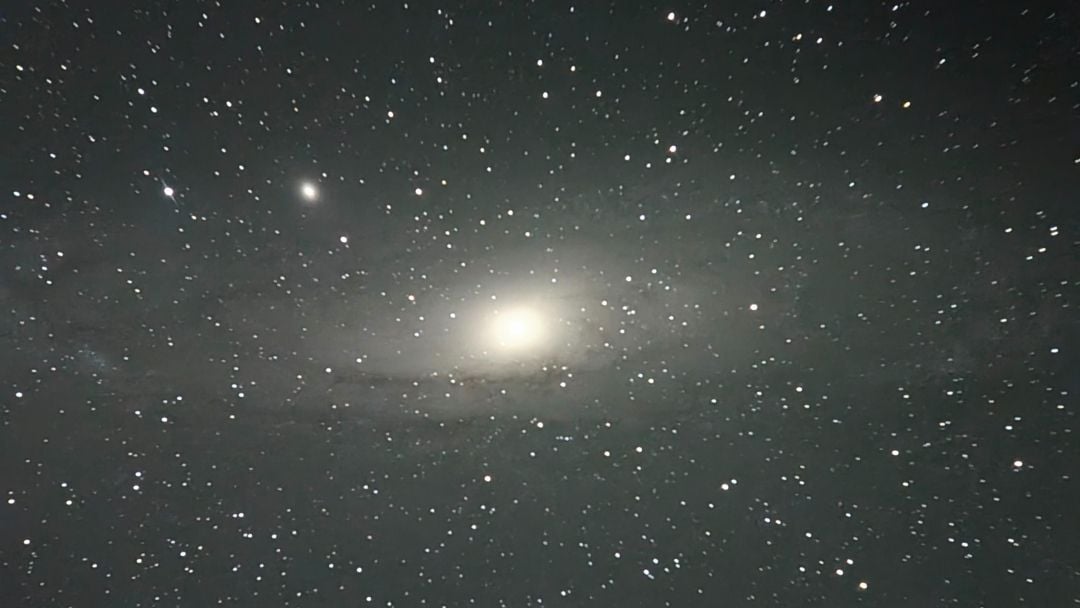
South Carolinians have a rare opportunity to see the green Comet Lemmon, visible in the night sky on October 21-22 for the first time in 1,350 years, along with other celestial events like the Orionids meteor shower and the Andromeda Galaxy, with tips for optimal viewing away from city lights.

NASA's Chandra Telescope Reveals Stunning New View of the Andromeda Galaxy

Originally Published 6 months ago — by Yahoo

Featured image for NASA's Chandra Telescope Reveals Stunning New View of the Andromeda Galaxy
Source: Yahoo

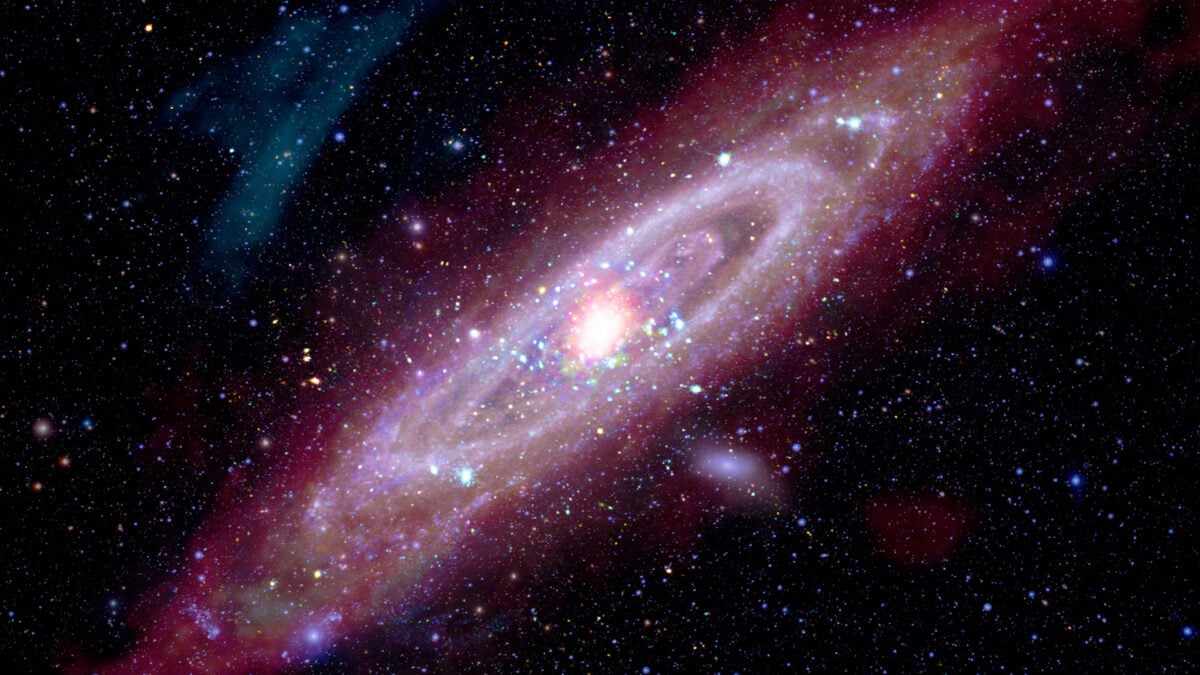
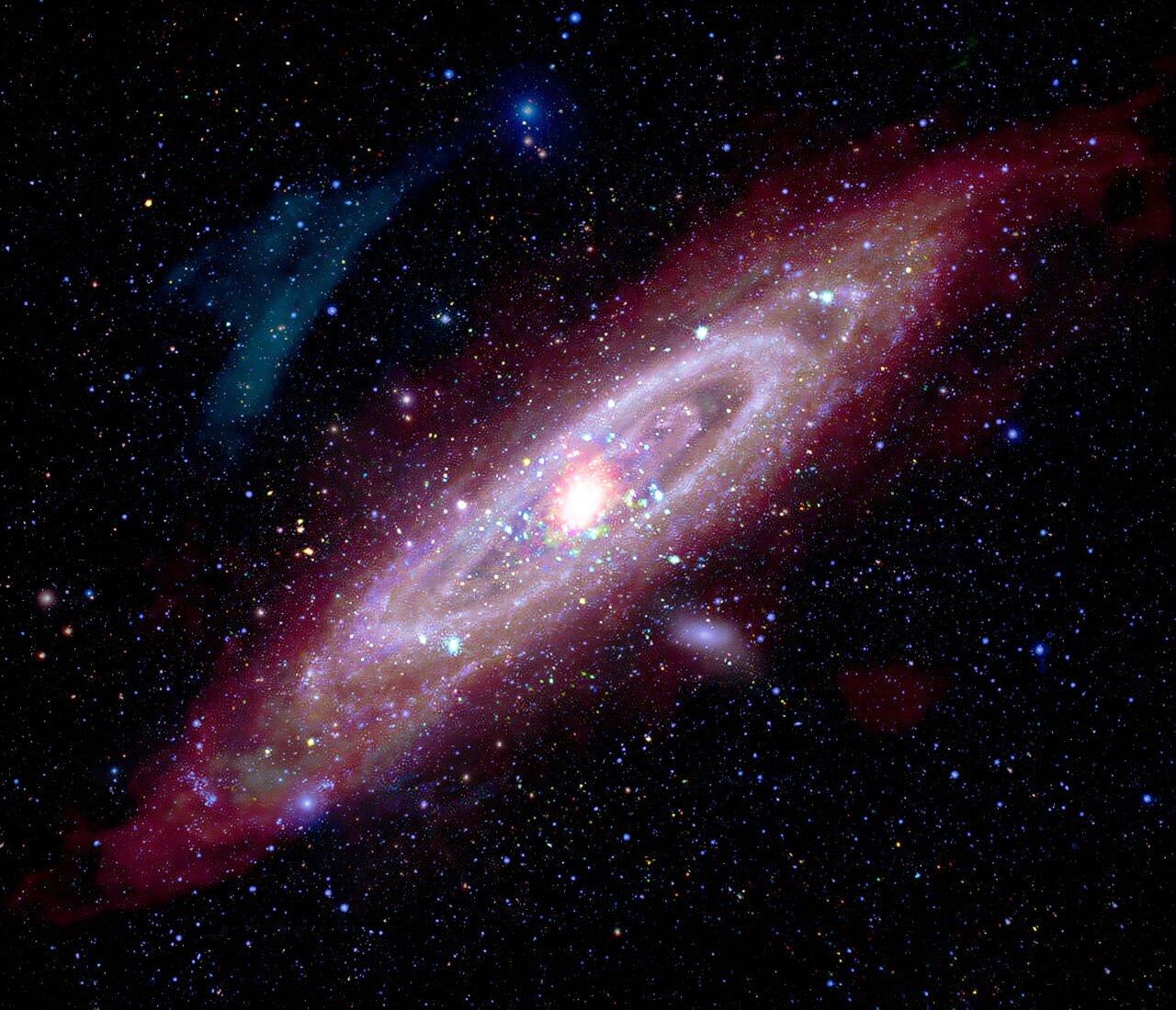
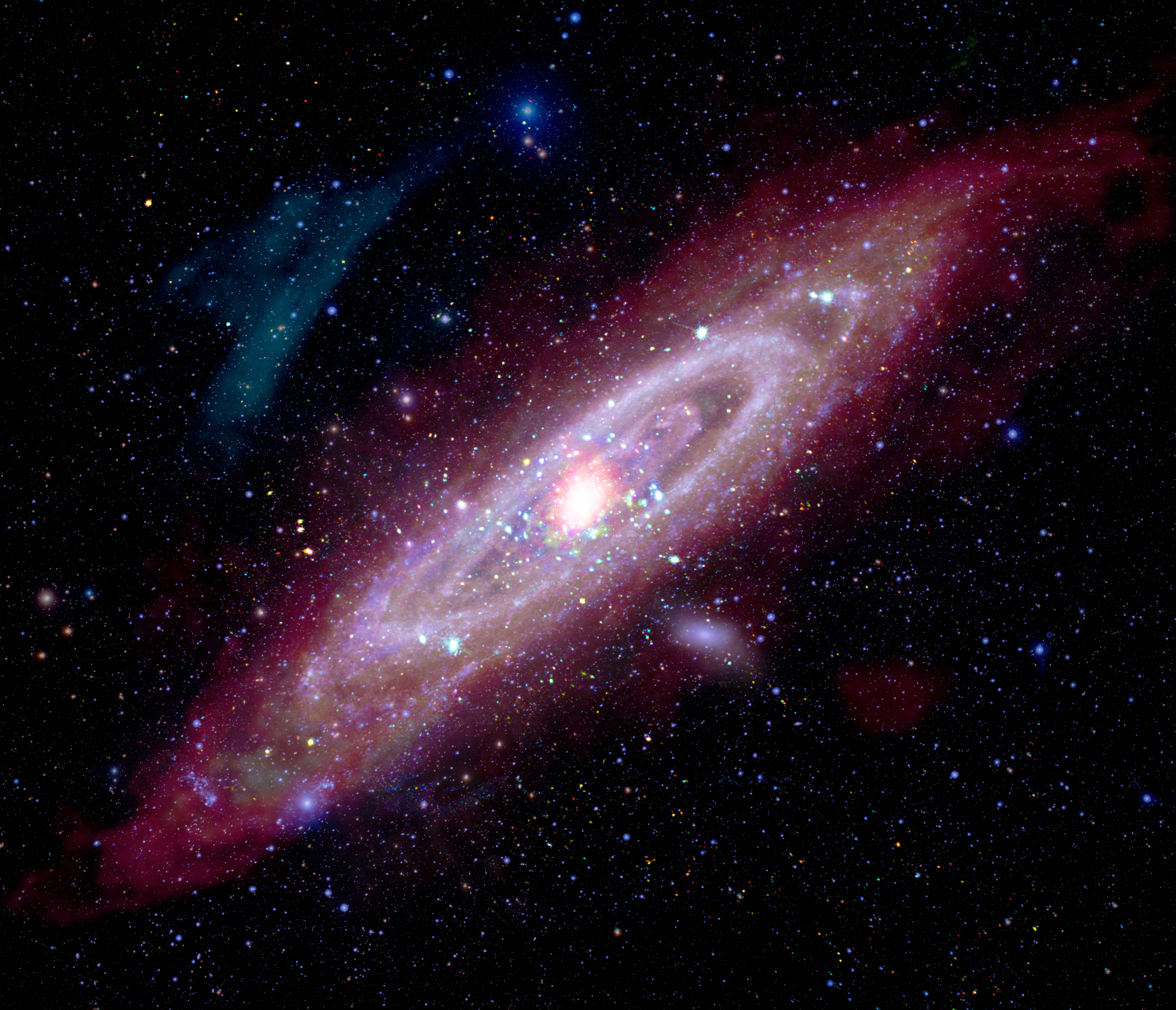
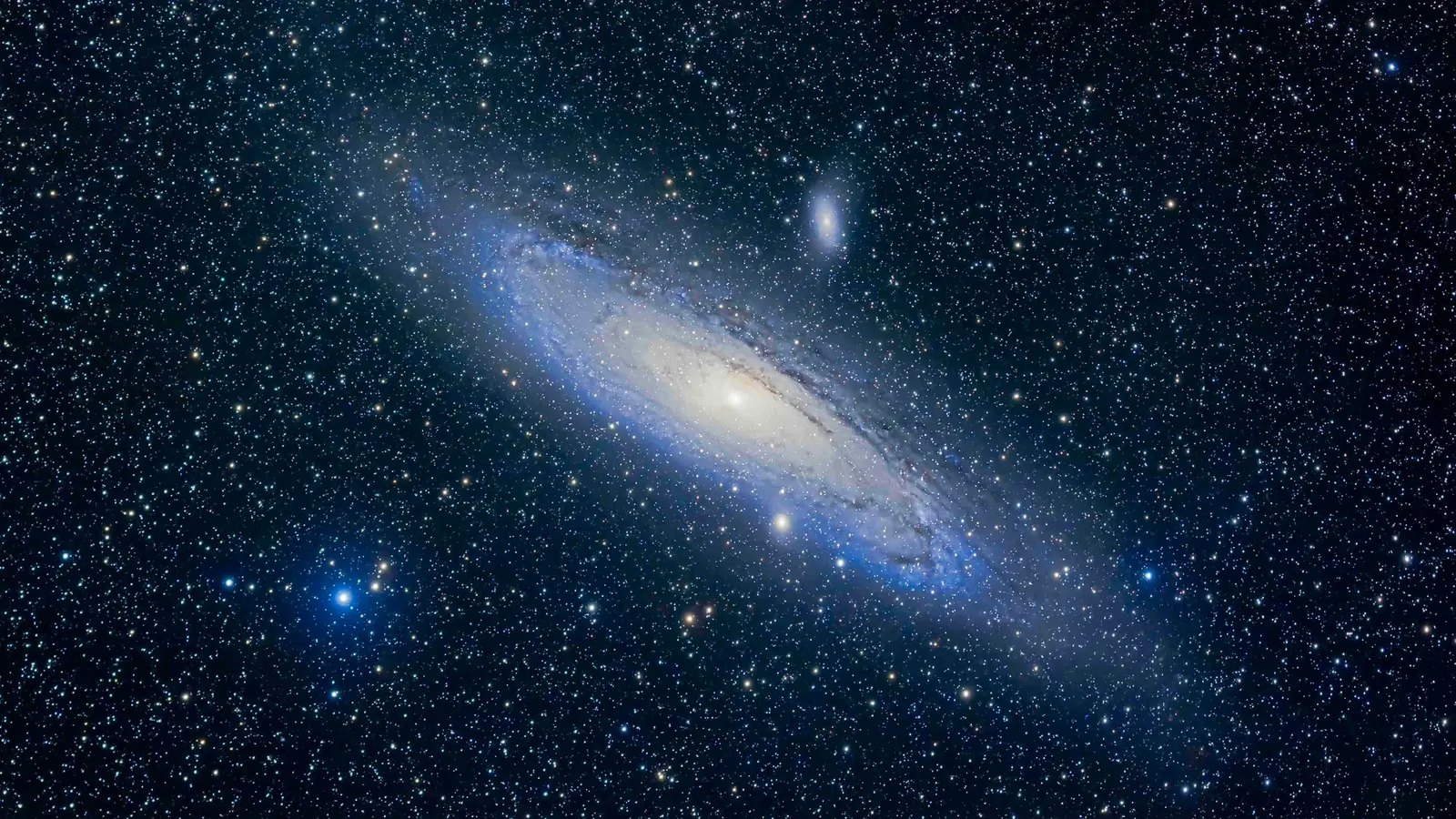
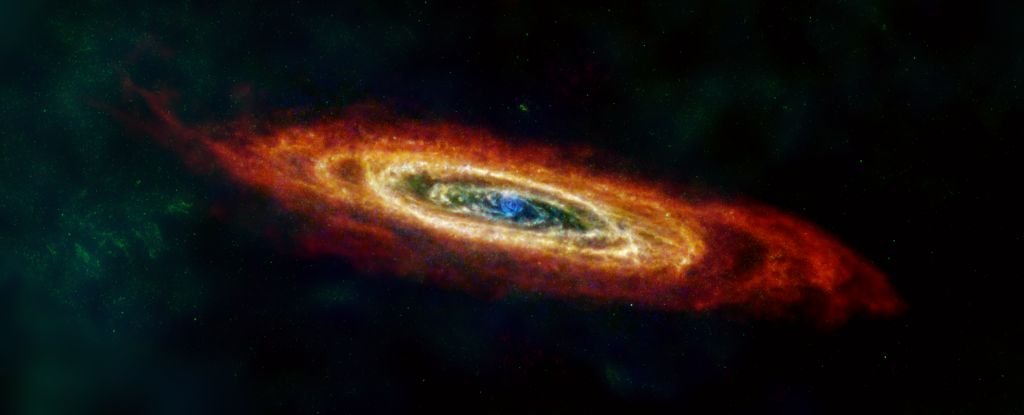
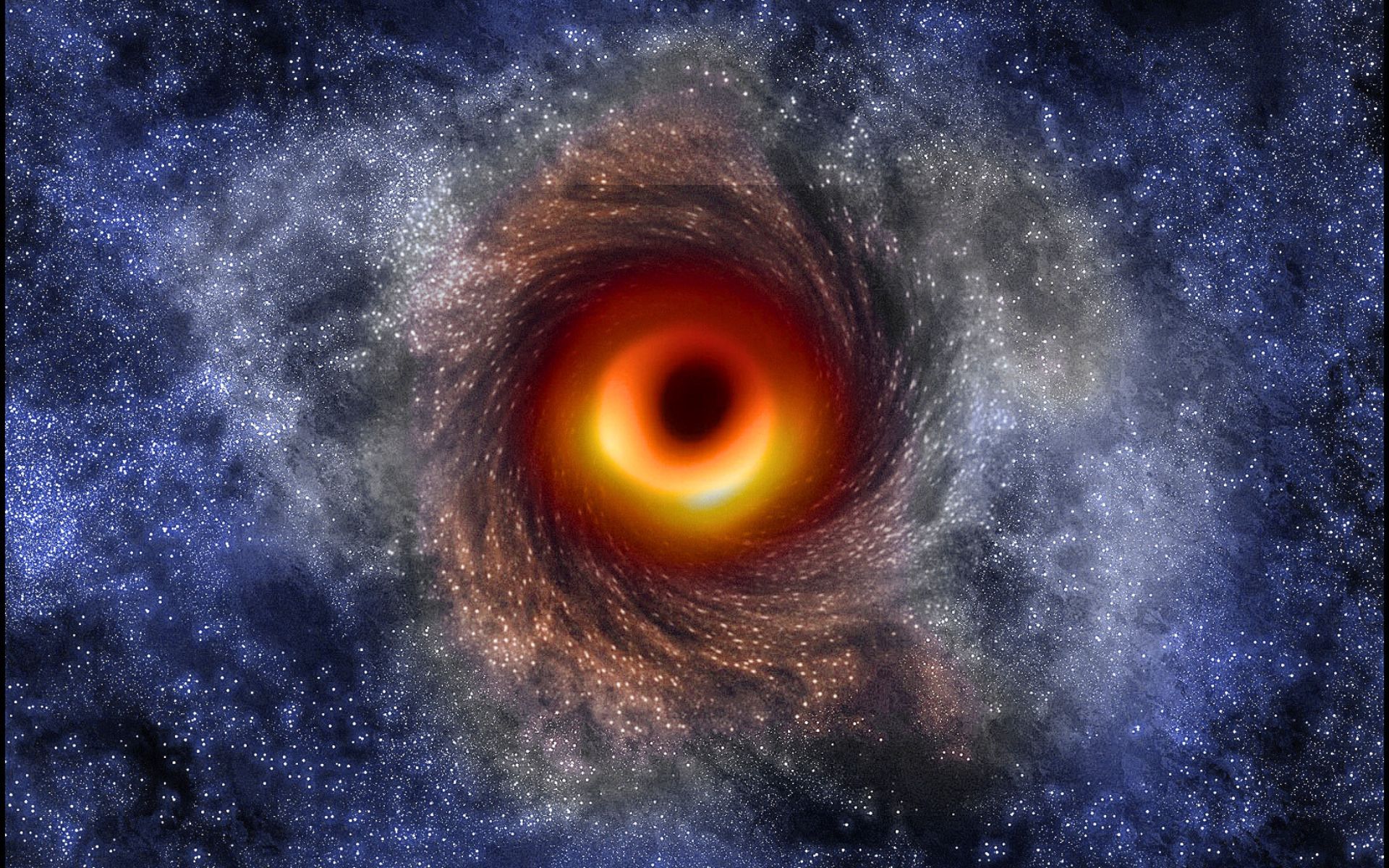
NASA's Chandra X-ray telescope, along with other space and ground-based observatories, has created a stunning multi-wavelength image of the Andromeda Galaxy, highlighting its features and the supermassive black hole M31*. The image pays tribute to astronomer Vera Rubin, whose work on galaxy rotation curves led to the discovery of dark matter, a dominant component of the universe. The project showcases the importance of multi-spectrum observations in understanding galactic structures and the universe's composition.

NASA Reveals Stunning New Views of the Andromeda Galaxy

Originally Published 6 months ago — by Gizmodo

Featured image for NASA Reveals Stunning New Views of the Andromeda Galaxy
Source: Gizmodo

New detailed composite images of the Andromeda Galaxy, created using five different wavelengths of light, reveal stunning details and high-energy phenomena, including data from NASA and ESA telescopes, and celebrate astronomer Vera Rubin's contributions to dark matter research.

Celebrating 100 Years of Cosmic Discovery: From Andromeda to Hubble's Universe

Originally Published 1 year ago — by Forbes

Featured image for Celebrating 100 Years of Cosmic Discovery: From Andromeda to Hubble's Universe
Source: Forbes

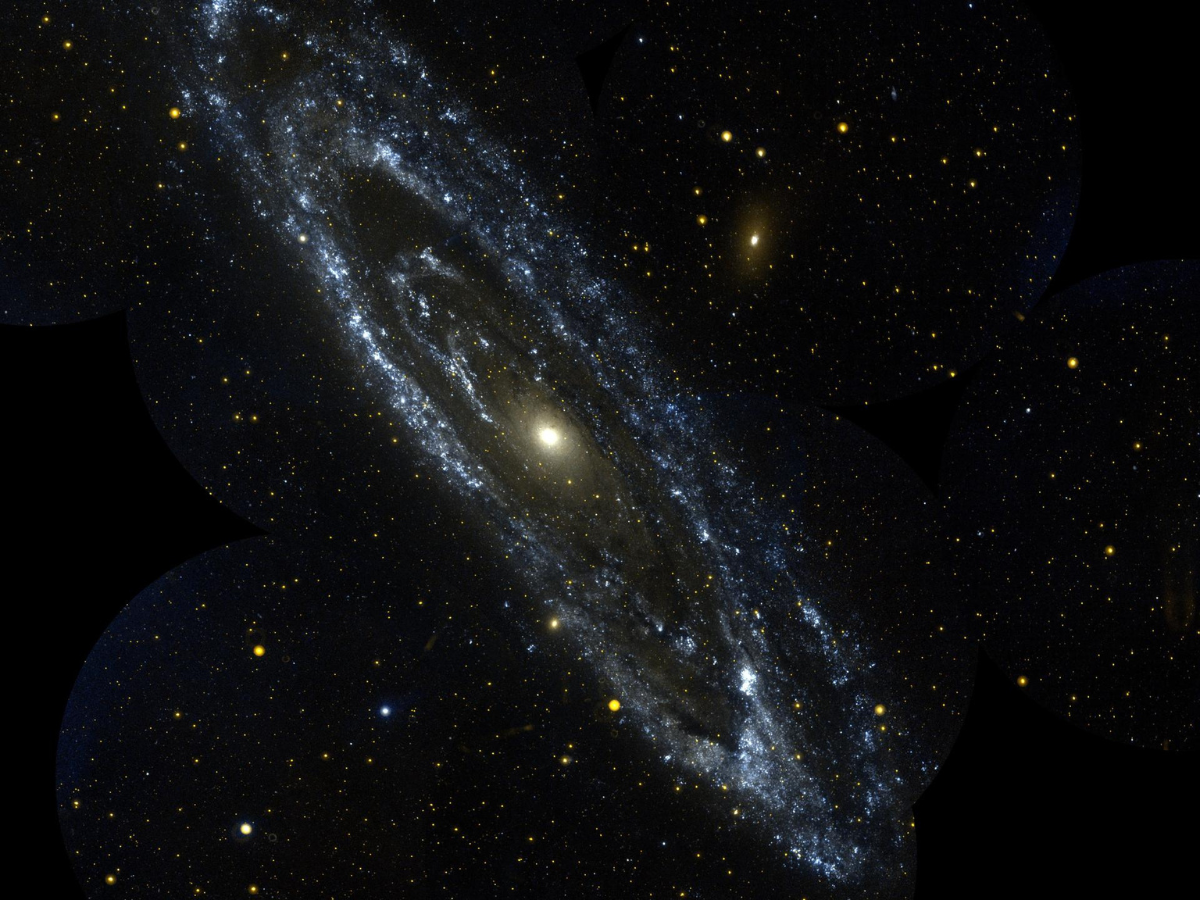
The Andromeda Galaxy, also known as M31, was identified as a separate galaxy from the Milky Way by Edwin Hubble 100 years ago, expanding our understanding of the universe. Located 2.5 million light-years away, Andromeda is on a collision course with the Milky Way, expected to merge in about four billion years. Recent studies suggest the galaxies may have already begun interacting. Andromeda is the easiest galaxy to spot in the night sky, visible with binoculars by locating the constellation Cassiopeia and the "Great Square" of Pegasus.

Celestial Highlights: Moon and Mars Dazzle in November Skies

Originally Published 1 year ago — by Forbes

Featured image for Celestial Highlights: Moon and Mars Dazzle in November Skies
Source: Forbes

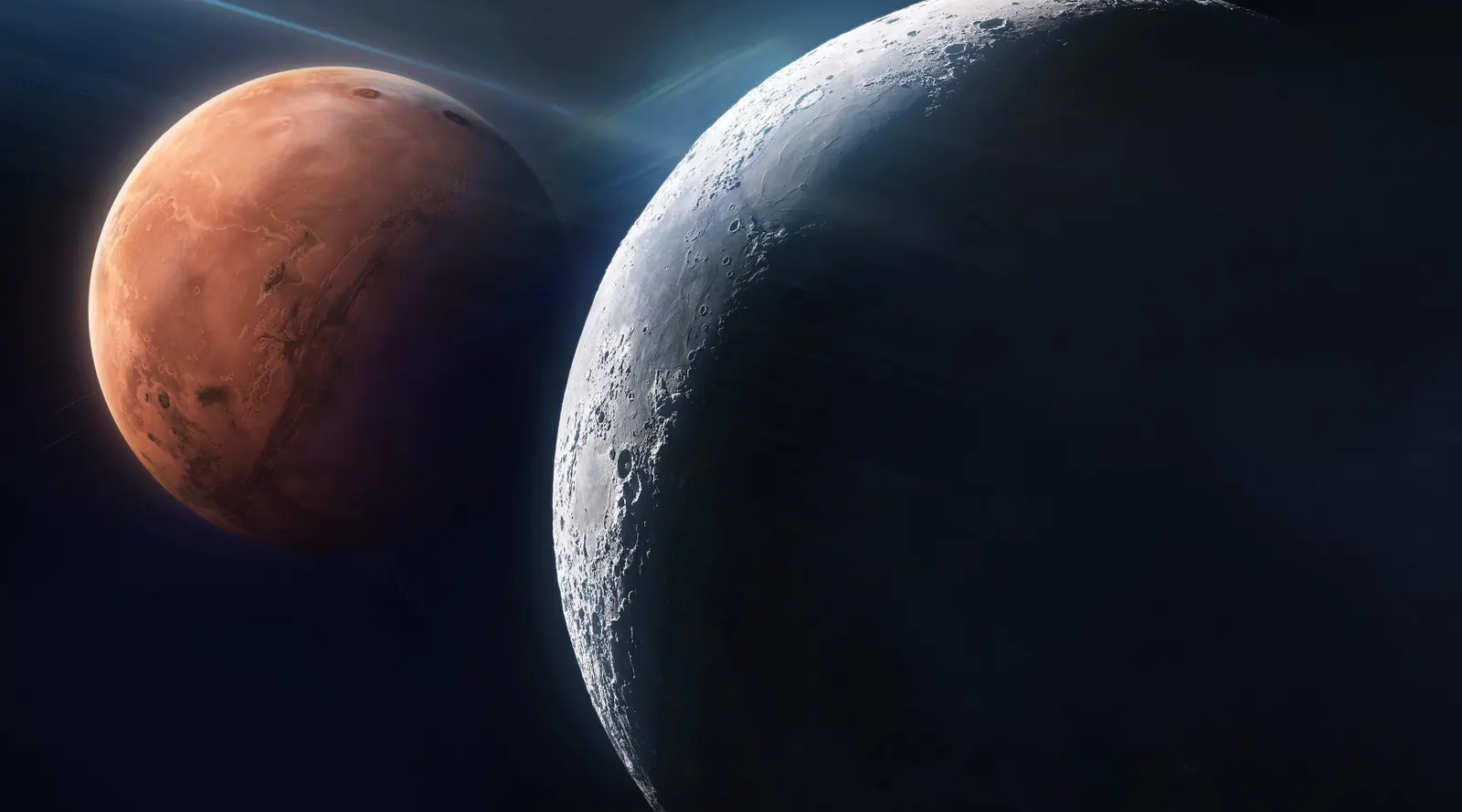
This week offers several celestial events for stargazers in the northern hemisphere. The Leonid meteor shower peaks on November 18, though visibility may be hindered by the moon's brightness. On November 19, the moon will be in the constellation Gemini, and on November 20, it will be in conjunction with Mars in Cancer. The Andromeda Galaxy is visible throughout the week, especially with the moon rising late. A last quarter moon on November 23 will provide darker skies for better stargazing.

Silent Star Death: Rare 'Failed Supernova' Forms Black Hole

Originally Published 1 year ago — by Livescience.com

Featured image for Silent Star Death: Rare 'Failed Supernova' Forms Black Hole
Source: Livescience.com

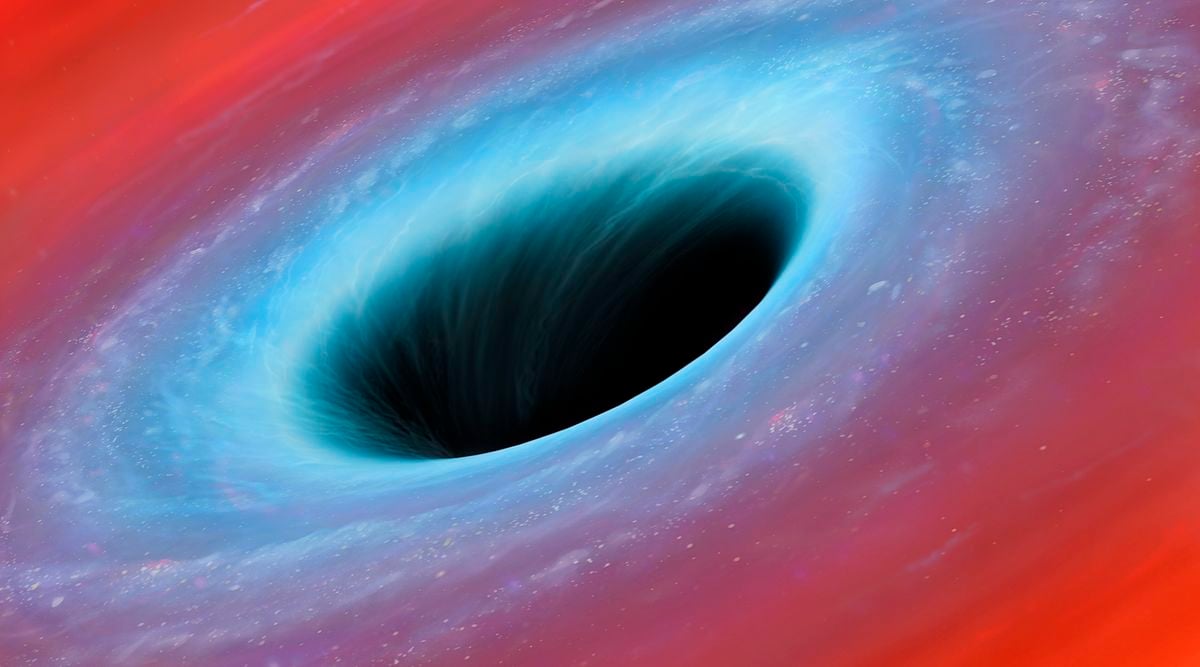
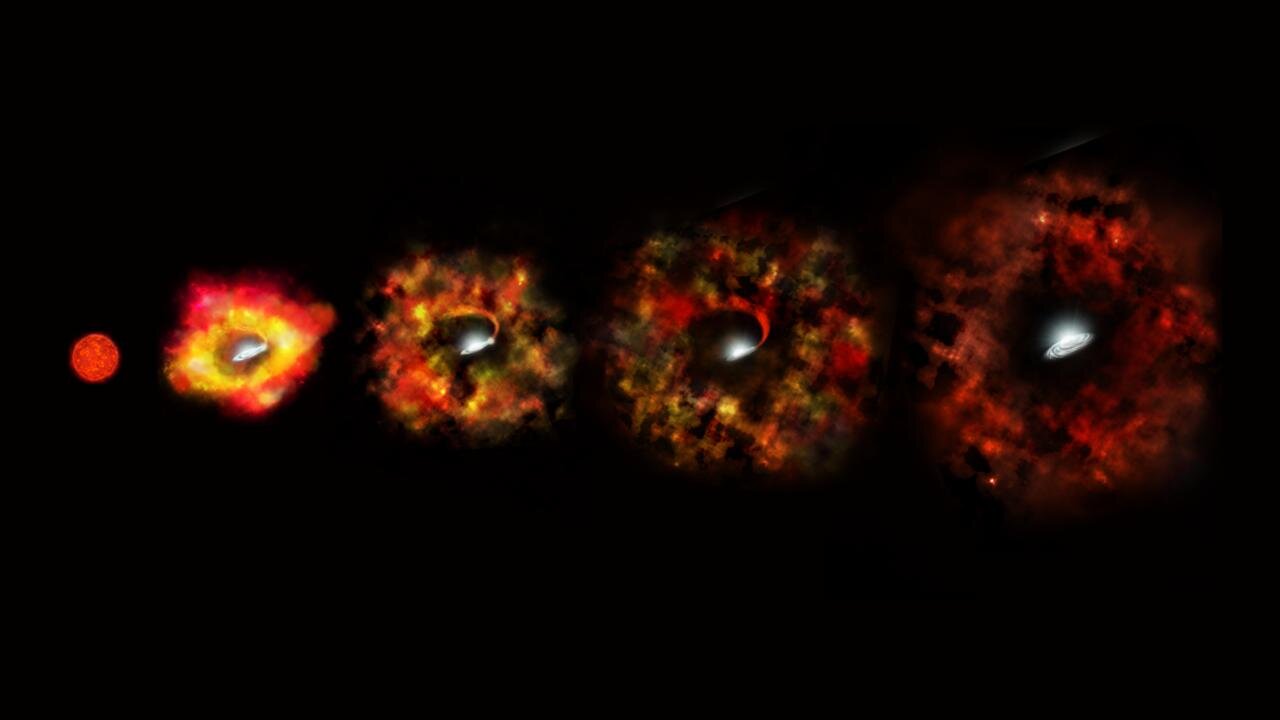
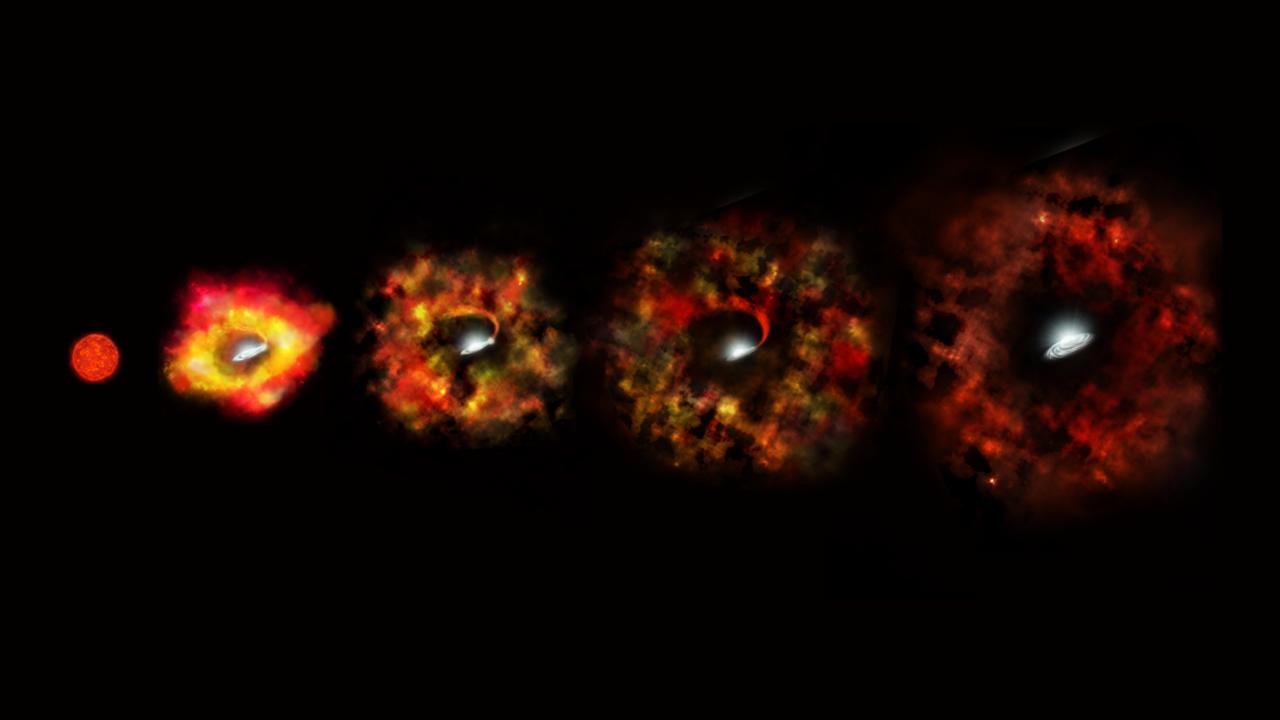
Astronomers have observed a rare 'failed supernova' event where the massive star M31-2014-DS1 in the Andromeda galaxy vanished without the typical supernova explosion, likely collapsing directly into a black hole. This phenomenon, where a star's mass collapses inward without an outward explosion, has been difficult to observe directly. The findings, yet to be peer-reviewed, suggest that 98% of the star's mass formed a black hole, similar to another candidate, N6946-BH1, in the Fireworks Galaxy. Further observations are planned to confirm these events.

Mysterious Star Disappearance in Andromeda Signals Black Hole Birth

Originally Published 1 year ago — by Phys.org

Featured image for Mysterious Star Disappearance in Andromeda Signals Black Hole Birth
Source: Phys.org

Astronomers have observed a massive star in the Andromeda galaxy, M31-2014-DS1, that bypassed the typical supernova explosion and directly collapsed into a black hole. This phenomenon, known as a 'failed supernova,' challenges existing understanding of stellar evolution. The star, initially about 20 solar masses, ended its life with a core collapse, forming a black hole of approximately 6.5 solar masses. Such events are rare and difficult to detect, with only one other confirmed case, N6946-BH1, previously identified.

Andromeda Star's Mysterious Disappearance Linked to Black Hole Formation

Originally Published 1 year ago — by ScienceAlert

Featured image for Andromeda Star's Mysterious Disappearance Linked to Black Hole Formation
Source: ScienceAlert

Astronomers have observed a massive star in the Andromeda galaxy, M31-2014-DS1, that bypassed the typical supernova explosion and directly collapsed into a black hole. This phenomenon, known as a 'failed supernova,' challenges existing understanding of stellar evolution. The star, initially 20 solar masses, ended its life with about 6.5 solar masses forming a black hole. Such events are rare and difficult to detect, with only one other confirmed case, N6946-BH1, previously identified.

Andromeda Star's Mysterious Disappearance Hints at Black Hole Birth

Originally Published 1 year ago — by Universe Today

Featured image for Andromeda Star's Mysterious Disappearance Hints at Black Hole Birth
Source: Universe Today

Astronomers have observed a massive star in the Andromeda galaxy, M31-2014-DS1, that bypassed the typical supernova explosion and directly collapsed into a black hole. This challenges existing understanding of stellar evolution, as such 'failed supernovae' are rare and difficult to detect. The star, initially 20 solar masses, ended with about 6.5 solar masses forming a black hole, with most of its material collapsing inward. This phenomenon highlights gaps in our knowledge of supernova mechanics and the role of neutrino shocks in stellar explosions.

Silent Star Death May Signal Birth of Black Hole

Originally Published 1 year ago — by The Daily Galaxy --Great Discoveries Channel

Featured image for Silent Star Death May Signal Birth of Black Hole
Source: The Daily Galaxy --Great Discoveries Channel

A star in the Andromeda Galaxy has mysteriously vanished, potentially marking the first observed 'failed supernova' and the quiet birth of a black hole. Unlike typical supernovae, this star faded without an explosion, possibly due to shedding its outer hydrogen layer. Researchers, led by MIT's Kishalay De, are using advanced technology like the James Webb Space Telescope to confirm if this event signifies a black hole's formation or if it's obscured by cosmic dust. This discovery could revolutionize our understanding of stellar deaths and black hole formation.

"Stunning Views: Nasa's Top 10 Images of the Andromeda Galaxy and Cosmic Cliffs"

Originally Published 1 year ago — by The Times of India

Featured image for "Stunning Views: Nasa's Top 10 Images of the Andromeda Galaxy and Cosmic Cliffs"
Source: The Times of India

Nasa's telescopes have captured stunning images of celestial objects, including the Andromeda Galaxy, Carina Nebula, Jupiter's belts and zones, and the "Cosmic Cliffs" in NGC 3324. These images provide insights into the birth of stars, the structure of galaxies, and the aftermath of supernovae, showcasing the beauty and complexity of the universe.