Tag

Hsv 1

All articles tagged with #hsv 1

Herpes Outbreak Challenges Local District

Originally Published 9 days ago — by Sandusky Register

Featured image for Herpes Outbreak Challenges Local District
Source: Sandusky Register

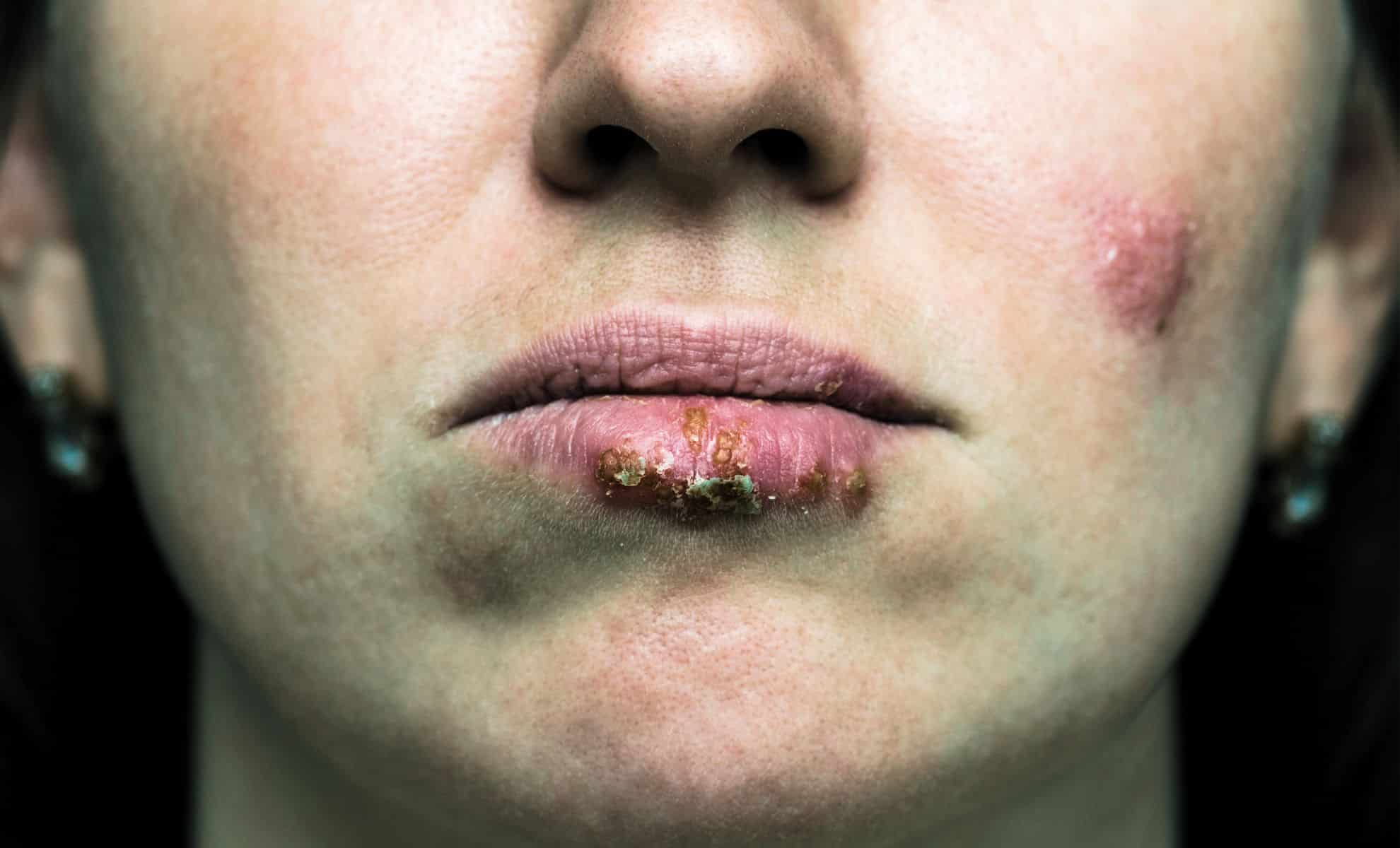
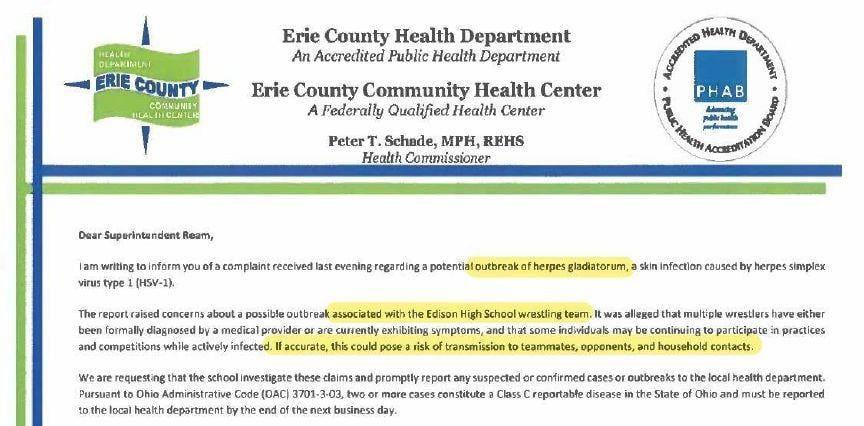
An outbreak of herpes gladiatorum at Edison High School involving wrestlers has raised concerns, with health officials criticizing the school's lack of transparency and cooperation. The district has taken some measures, but communication issues persist, and the health department is considering ending its nursing services due to ongoing conflicts. The situation highlights the importance of prompt and transparent communication in managing public health risks in schools.
Herpes Virus Alters Human DNA and Chromatin, but a Single Enzyme Offers Hope

Originally Published 6 months ago — by Boy Genius Report

Featured image for Herpes Virus Alters Human DNA and Chromatin, but a Single Enzyme Offers Hope
Source: Boy Genius Report

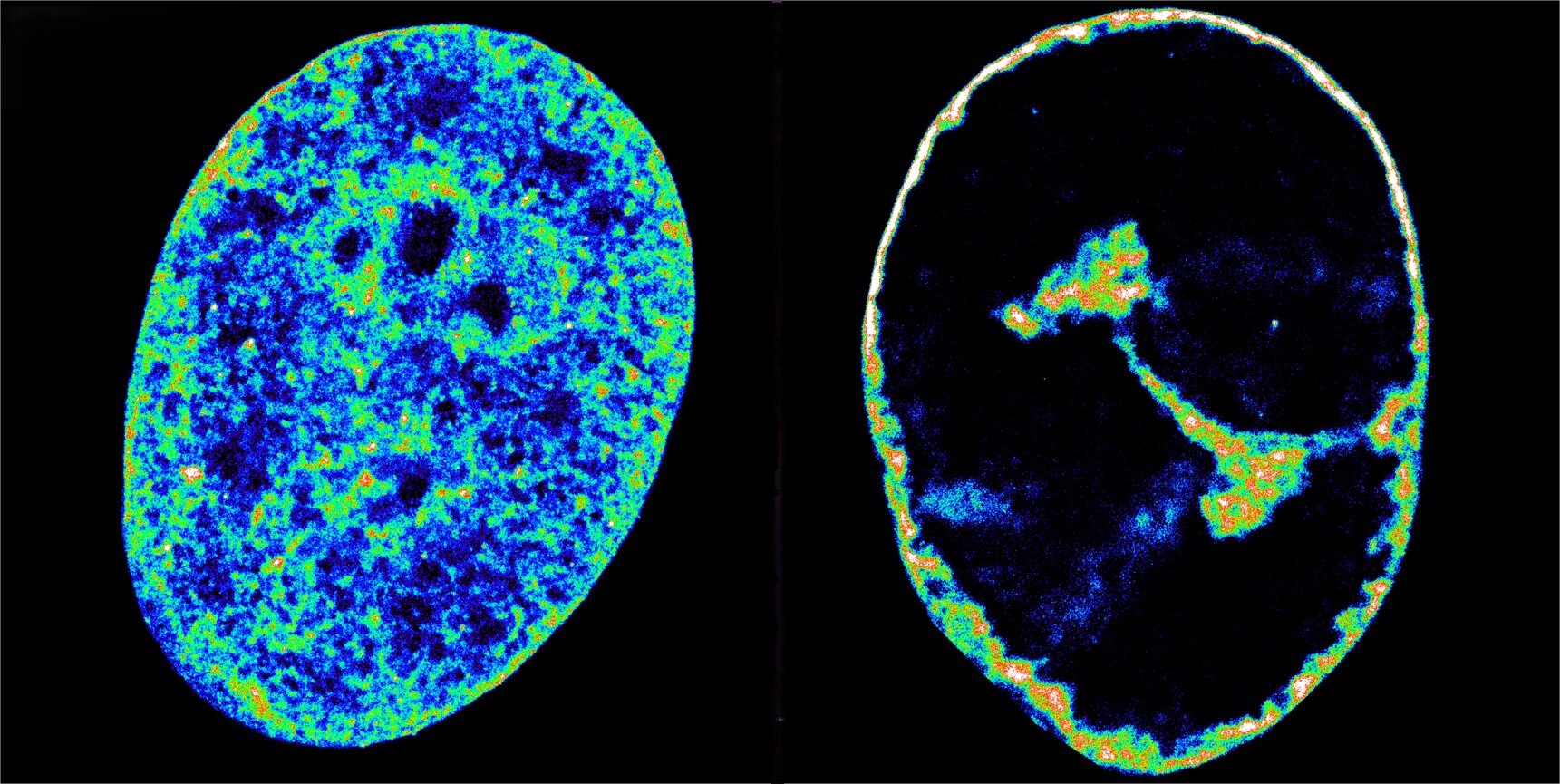
New research reveals that herpes simplex virus type 1 (HSV-1) can alter human DNA within an hour of infection by hijacking the host's cellular machinery, specifically taking control of RNA polymerase II to facilitate rapid viral replication. The study also identifies a potential enzyme, TOP1, that could be targeted to prevent these changes and combat the virus.

Scientists Discover a Single Enzyme to Halt Herpes Virus Genome Manipulation

Originally Published 6 months ago — by The Daily Galaxy

Featured image for Scientists Discover a Single Enzyme to Halt Herpes Virus Genome Manipulation
Source: The Daily Galaxy

Researchers have discovered that herpes simplex virus-1 (HSV-1) hijacks the 3D structure of human DNA to facilitate its replication, but blocking a key enzyme, topoisomerase I, can prevent the virus from replicating, offering a promising new target for antiviral treatments.

Herpes Virus Rapidly Alters Human DNA, but a Single Enzyme Can Halt It

Originally Published 6 months ago — by Earth.com

Featured image for Herpes Virus Rapidly Alters Human DNA, but a Single Enzyme Can Halt It
Source: Earth.com

A study reveals that herpes simplex virus type 1 (HSV-1) can rapidly reshape human DNA within an hour of infection by altering the 3D genome structure, which helps the virus replicate. Blocking the host enzyme TOP1 can prevent this DNA reorganization, offering a potential target for new treatments against HSV-1, which infects a large portion of the population and remains in the body for life.

Scientists Discover Enzyme to Halt Herpes Virus's Impact on Human Genome

Originally Published 6 months ago — by Daily Mail

Featured image for Scientists Discover Enzyme to Halt Herpes Virus's Impact on Human Genome
Source: Daily Mail

Researchers in Spain have discovered that blocking the enzyme topoisomerase I can halt the replication and spread of herpes simplex virus 1 (HSV-1) by preventing it from reshaping human DNA, opening potential pathways for a cure using existing cancer drugs, which could significantly impact the treatment of this widespread and incurable virus.

Childhood Virus May Increase Alzheimer's Risk in Later Life

Originally Published 7 months ago — by AOL.com

Featured image for Childhood Virus May Increase Alzheimer's Risk in Later Life
Source: AOL.com

A study from 1997 suggests a potential link between herpes simplex virus 1 (HSV-1), common in childhood, and the development of Alzheimer's disease, especially in individuals with the ApoE-e4 gene. While most people with HSV-1 do not develop Alzheimer's, the virus's ability to infect the brain and cause inflammation may contribute to the disease in genetically predisposed individuals. More research is needed to confirm this connection and explore preventive strategies.

Childhood Virus May Increase Alzheimer's Risk in Later Life

Originally Published 7 months ago — by Yahoo

Featured image for Childhood Virus May Increase Alzheimer's Risk in Later Life
Source: Yahoo

A study from 1997 suggests a potential link between herpes simplex virus 1 (HSV-1), common in childhood, and the development of Alzheimer's disease, especially in individuals with the ApoE-e4 gene. While most people with HSV-1 do not develop Alzheimer's, the virus's ability to infect the brain and cause inflammation may increase risk in genetically predisposed individuals. More research is needed to confirm this connection and explore preventive strategies.

Emerging Evidence Connects Herpes Virus to Alzheimer's Risk

Originally Published 7 months ago — by ScienceAlert

Featured image for Emerging Evidence Connects Herpes Virus to Alzheimer's Risk
Source: ScienceAlert

A recent study suggests a potential association between herpes simplex virus type 1 (HSV-1) and Alzheimer's disease, indicating that HSV-1 infection may increase the risk of developing Alzheimer's, but it does not establish causation. The research highlights the need for further investigation into viral contributions to neurodegenerative diseases, while emphasizing that most HSV-1 carriers do not develop Alzheimer's and that maintaining overall brain health is crucial.

Global Genital Herpes Affects Over 20% of Adults, WHO Reports

Originally Published 1 year ago — by Study Finds

Featured image for Global Genital Herpes Affects Over 20% of Adults, WHO Reports
Source: Study Finds

A World Health Organization study reveals that 846 million people globally are infected with genital herpes, a common sexually transmitted infection with no cure. The study highlights the significant prevalence of HSV-1 and HSV-2, with HSV-2 being the primary cause of symptomatic episodes. The infection increases the risk of HIV transmission and poses serious health risks, including neonatal herpes. Despite the economic burden and health challenges, stigma and lack of awareness hinder effective prevention and treatment. WHO calls for urgent development of vaccines and targeted therapies to address this silent epidemic.

High Rates of Genital Herpes Found in Under-50s

Originally Published 1 year ago — by Daily Mail

Featured image for High Rates of Genital Herpes Found in Under-50s
Source: Daily Mail

A recent survey reveals that over 846 million adults under 50 globally are living with genital herpes, a lifelong sexually transmitted disease caused by herpes simplex virus types 1 and 2. The study highlights the psychological and social challenges faced by those affected, including stigma and mental health issues. Despite the high prevalence, researchers note a decline in genital herpes rates, attributing it to increased STI awareness and safer sexual practices. The findings, published in the journal Sexually Transmitted Infections, emphasize the need for continued public health efforts to manage and reduce the spread of herpes and other STIs.

Global Study: 20% of Adults Aged 15-49 Infected with Herpes

Originally Published 1 year ago — by World Health Organization

Featured image for Global Study: 20% of Adults Aged 15-49 Infected with Herpes
Source: World Health Organization

A new WHO report estimates that over 846 million people aged 15-49 globally have genital herpes, with 42 million new infections annually. While many experience few symptoms, the virus can cause painful sores and increase HIV risk. The report highlights the need for better treatments and vaccines to manage the virus and reduce its spread. Genital herpes, primarily caused by HSV-2, poses significant health and economic burdens, costing an estimated $35 billion annually. WHO emphasizes the importance of awareness, prevention, and research to address this widespread infection.

Lip Blemish Linked to Increased Dementia Risk

Originally Published 1 year ago — by Daily Mail

Featured image for Lip Blemish Linked to Increased Dementia Risk
Source: Daily Mail

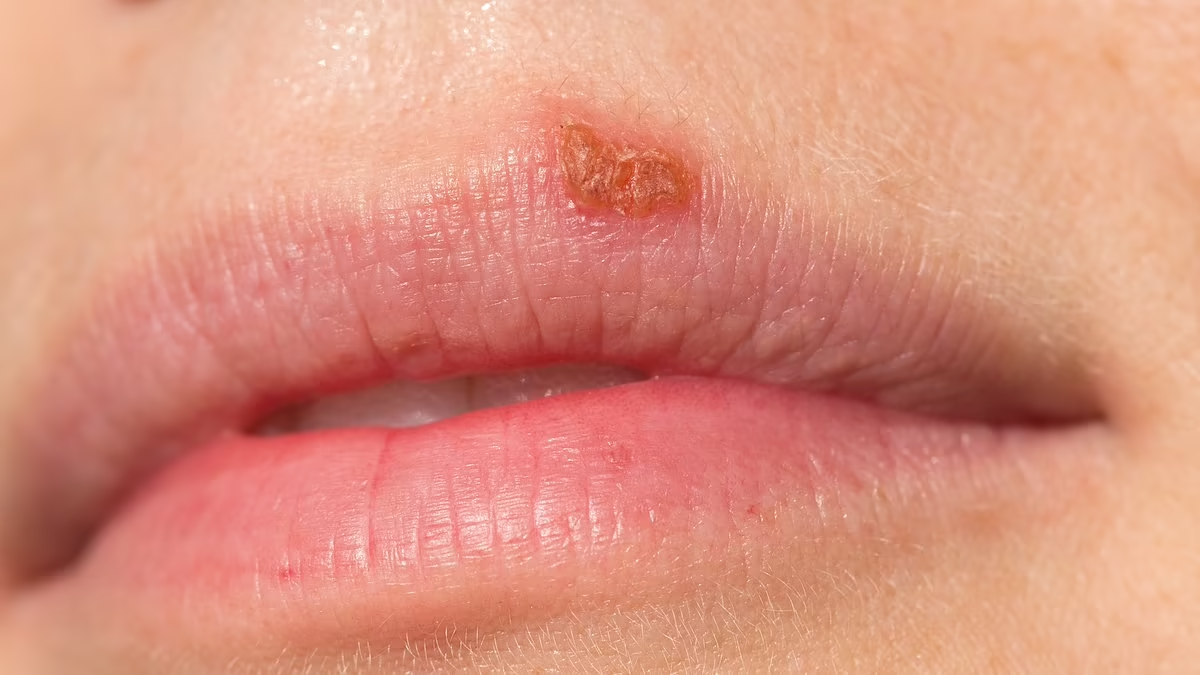
A Swedish study suggests that the herpes simplex virus-1 (HSV-1), responsible for cold sores, may double the risk of developing dementia, including Alzheimer's disease. Researchers followed over 1,000 elderly Swedes for 15 years, finding those with HSV-1 were twice as likely to develop dementia. The virus may cause inflammation in the nervous system, potentially leading to neurodegeneration. However, experts caution that evidence is mixed, with some studies finding no link between HSV-1 and cognitive decline, and emphasize the need for further research.