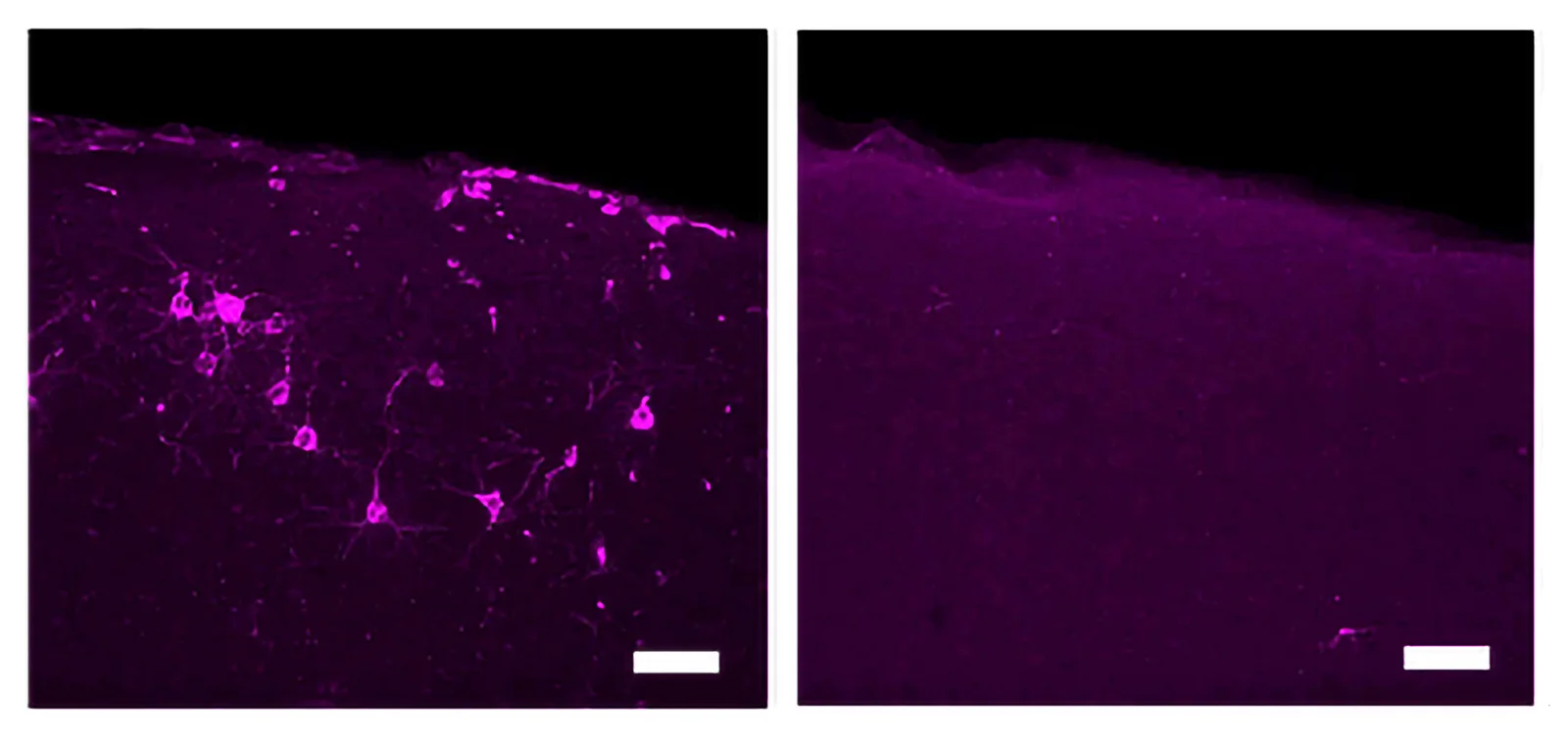
Scientists have demonstrated in mice that restoring the brain's metabolic balance, specifically through NAD+ levels, can reverse advanced Alzheimer's disease symptoms, challenging the notion that the disease is irreversible and opening new avenues for potential human treatments.
Scientists have found that restoring the brain's energy balance by maintaining NAD+ levels can not only prevent but also reverse Alzheimer's disease in mouse models, suggesting a potential new approach for treatment in humans.
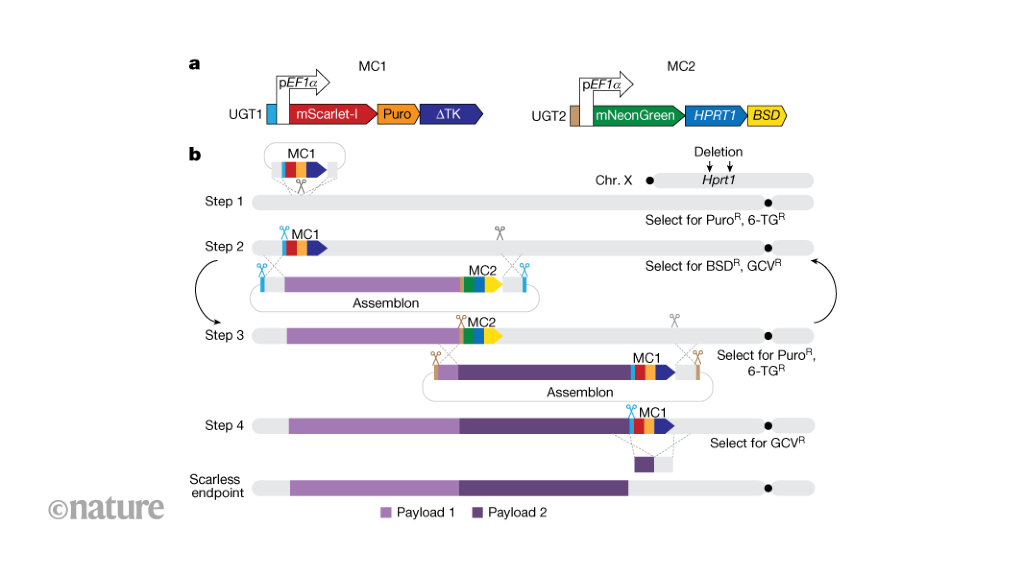
Researchers have developed a technique that allows for the rapid rewriting of large stretches of DNA in mouse embryonic stem cells, enabling the creation of improved animal models for human diseases. This development addresses the technical challenges in creating genetically humanized mice and provides a valuable tool for studying and understanding various diseases.
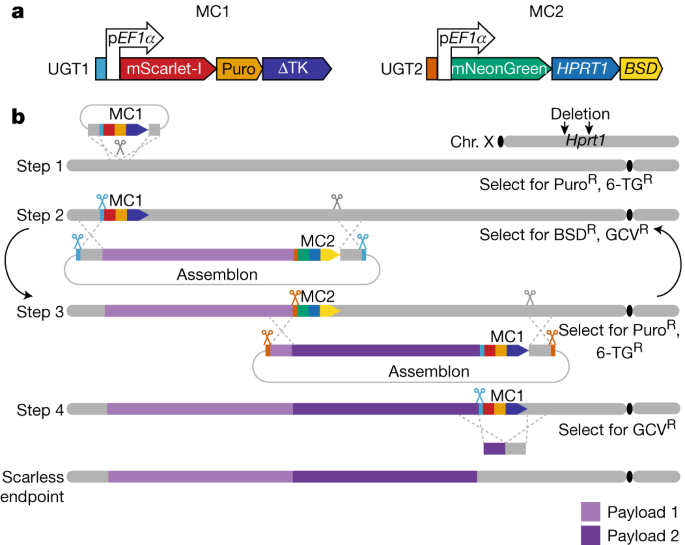
Scientists have developed a novel mammalian genome writing method called mSwAP-In, which allows for large-scale, scarless, and iterative genome writing in mouse embryonic stem cells. Using this method, they successfully engineered a synthetic version of the Trp53 gene and fully humanized the ACE2 gene in mouse models. The humanized ACE2 mice were susceptible to SARS-CoV-2 infection and exhibited a more accurate representation of COVID-19 pathology compared to existing transgenic models. This genome writing technique has the potential to bridge human-mouse evolutionary gaps and improve our understanding of human diseases.
A new study highlights the potential of mouse models in autism research, offering insights into molecular and physiological mechanisms. Researchers emphasize the role of the insular cortex and introduce the innovative "mouse metaverse" - a VR tool to explore brain dynamics during social behavior. With these approaches, the researchers aim to understand the molecular underpinnings of the human mind through autism's lens.
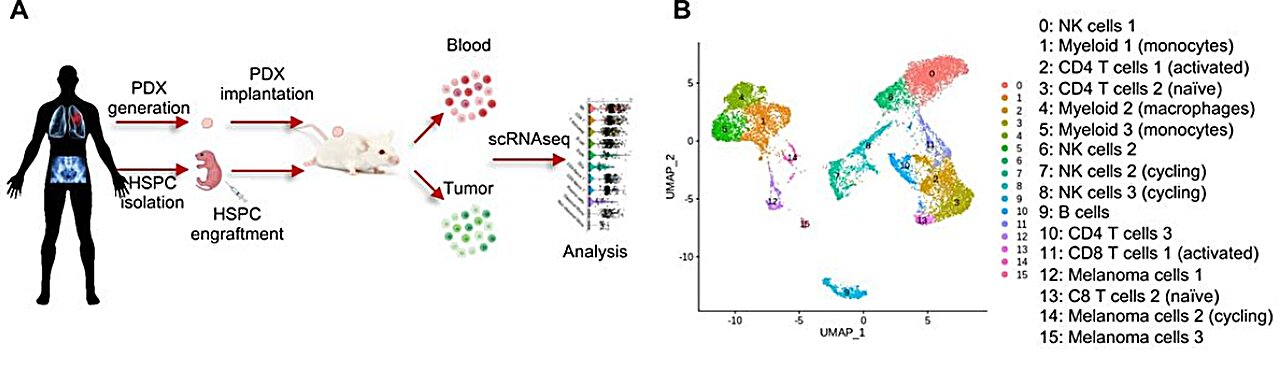
Yale researchers have developed a new method to study the complex interactions between a person's immune system and tumor cells, which can influence cancer progression and treatment response. The technique involves recreating a patient's specific tumor microenvironment in mice using immune precursor cells collected from bone marrow samples. This personalized approach allows researchers to model an individual patient's tumor and immune system in the same mouse, enabling a better understanding of how the tumor microenvironment influences cancer growth and how individual differences affect the process. The method also has potential applications in drug testing and screening for new drug combinations.
MIT researchers have developed a new method to engineer specific cancer-related mutations into mouse models using CRISPR genome-editing technology, which could significantly advance drug development and understanding of tumor development. The technique bypasses the laborious traditional approach that took months or years to produce and analyze mice with a single cancer-linked mutation. The researchers hope the technique could be applied to any cancer mutation, providing potential for identifying and testing new drugs that target these mutations and understanding their distinct effects on tumor development.
Non-invasive sensory stimulation of 40 Hz gamma frequency brain rhythms can reduce Alzheimer's disease pathology and symptoms, as shown in mice models. A new study by MIT scientists shows that Alzheimer's model mice exposed to 40 Hz vibration an hour a day for several weeks showed improved brain health and motor function compared to untreated controls. The stimulation can also reduce levels of the hallmark Alzheimer's protein phosphorylated tau, keep neurons from dying or losing their synapse circuit connections, and reduce neural DNA damage.
An international research collaboration has discovered that endogenous retrovirus activation increases a fetus’s susceptibility to autism and that BTBR/R mice display autistic-like behaviors without reduced learning ability, making them a more accurate autism model than the widely-used BTBR/J model. These findings could aid in better autism classification and development of new treatment strategies for neurodevelopmental disorders. The study also suggests that it may be possible to develop new treatments for autism that suppress ERV activation.