Tag

Animal Research

All articles tagged with #animal research

science-and-environment1 year ago

Escaped Animals in South Carolina Spark Investigation into Research Facility

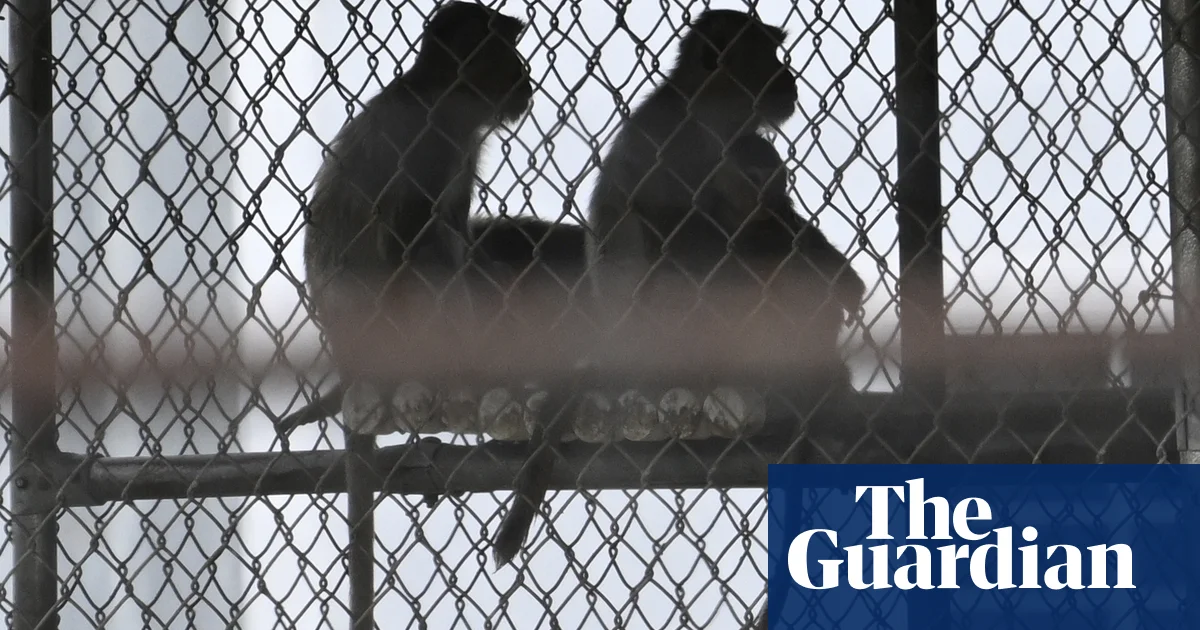
Eight monkeys remain at large after escaping from the Alpha Genesis research facility in South Carolina, with 35 recaptured. The escape has raised concerns about the facility's safety and animal welfare practices, as it is not the first incident of its kind. Local authorities and residents have been advised to avoid the area, and efforts to recapture the monkeys continue. The incident has drawn attention from Congresswoman Nancy Mace, who has called for an inquiry into the facility's operations and history of violations.

science1 year ago

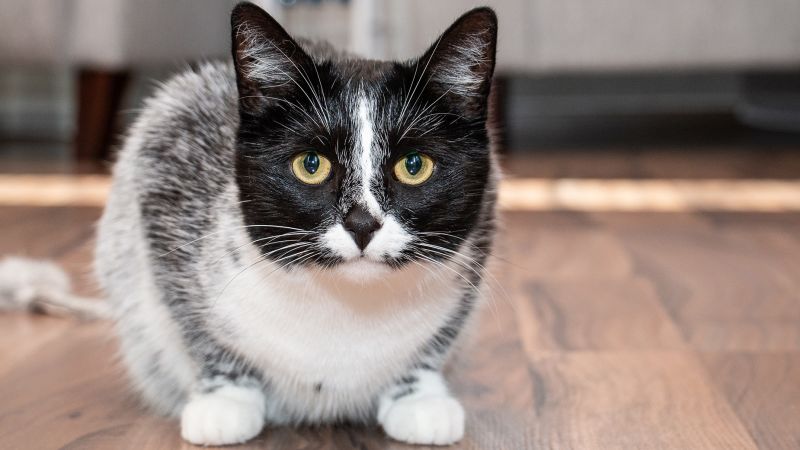
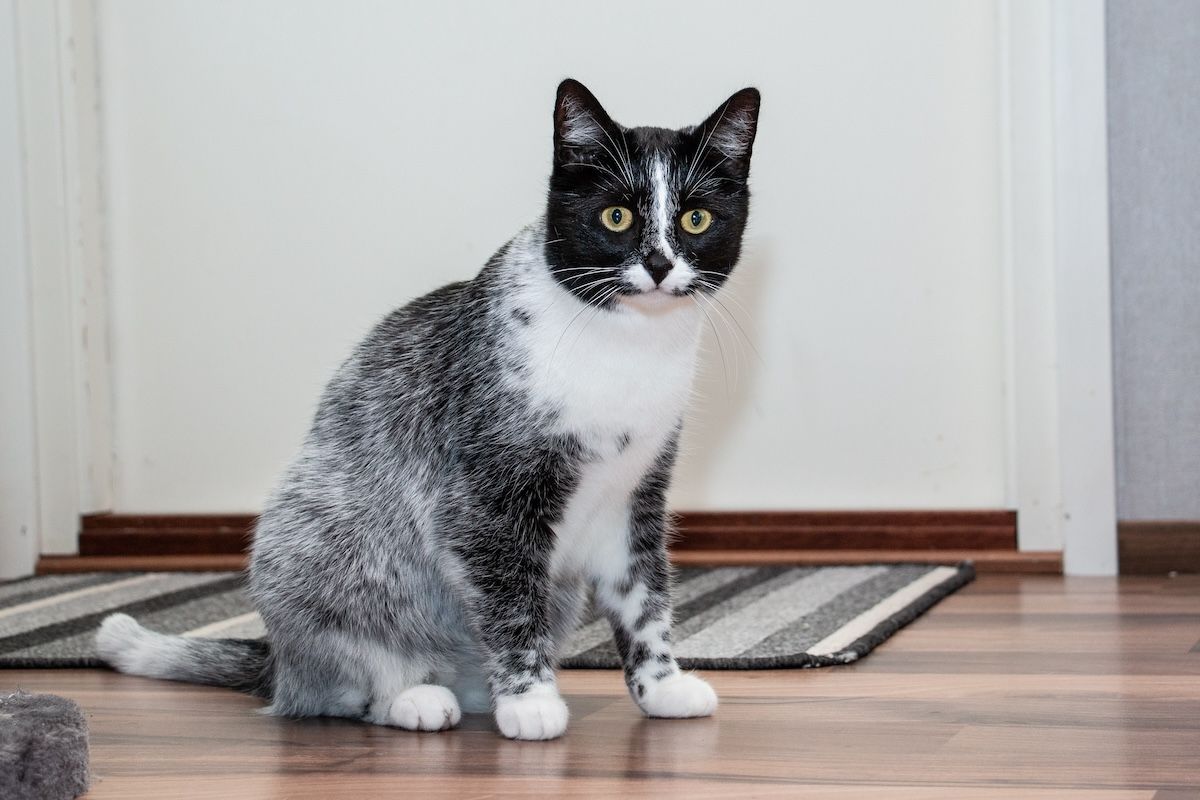
"Unique Genetic Mutation Creates 'Salty Licorice' Cat Pattern"

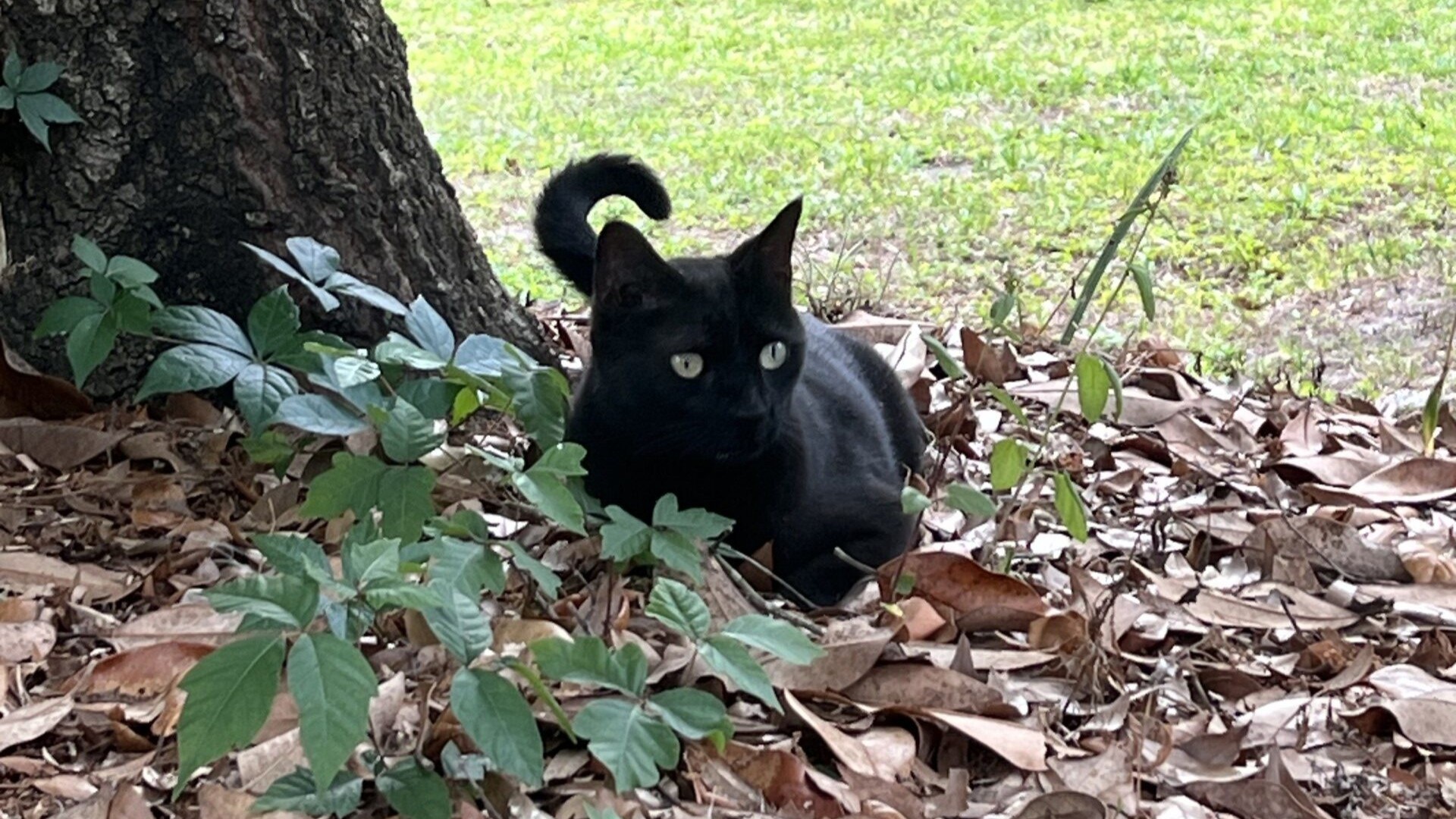
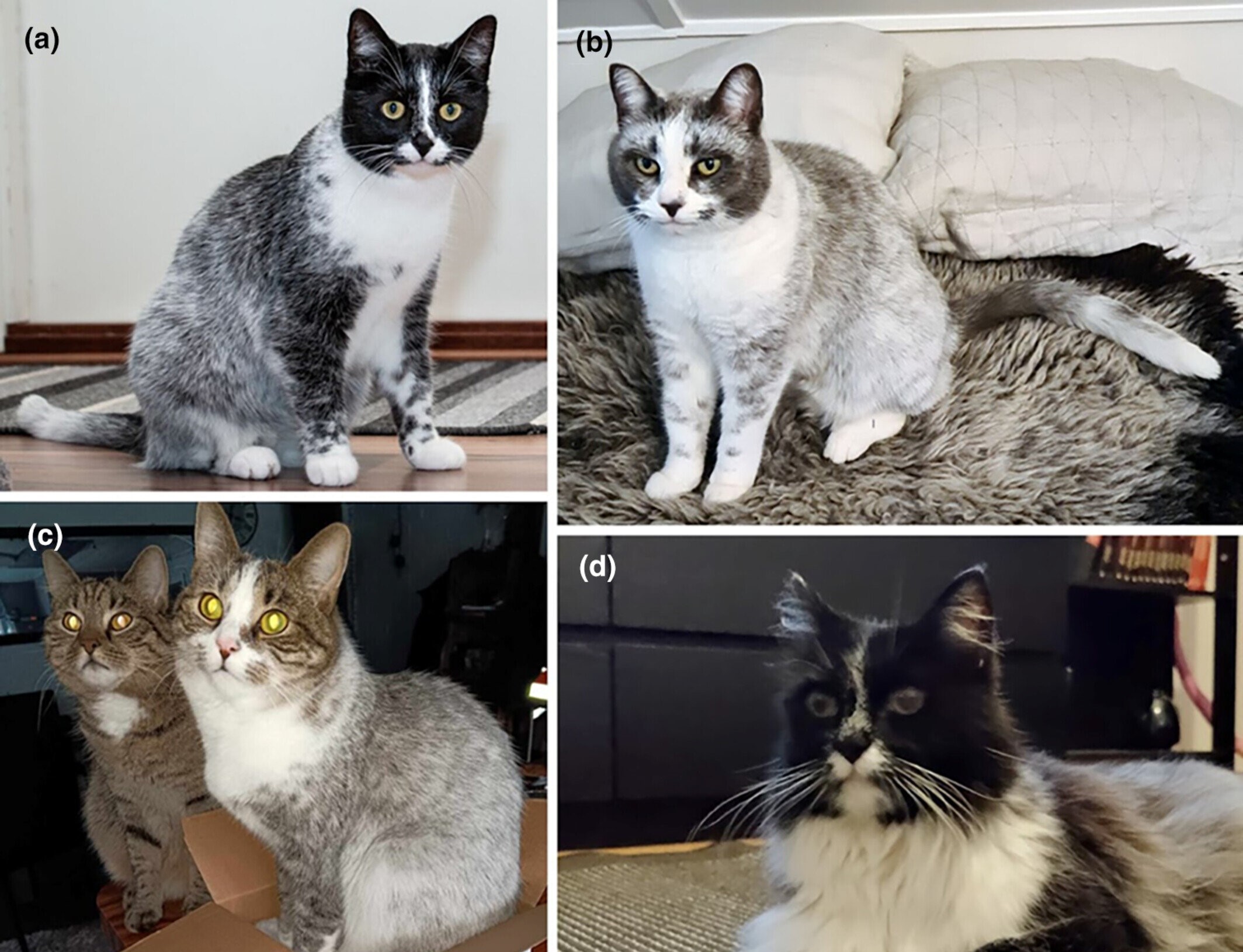
Researchers at the University of Helsinki have discovered that a unique fur pattern in cats from Petäjävesi, Finland, known as "salty licorice," is caused by a novel mutation in the KIT gene. This mutation, named w-sal, results in ombré fur that starts dark at the root and fades to white. The study, which involved community science and collaboration with a pet care company, aims to understand the molecular causes of feline disorders and could have implications for human medical conditions.

science1 year ago

"New 'Salty Licorice' Cat Pattern Discovered from Genetic Mutation"

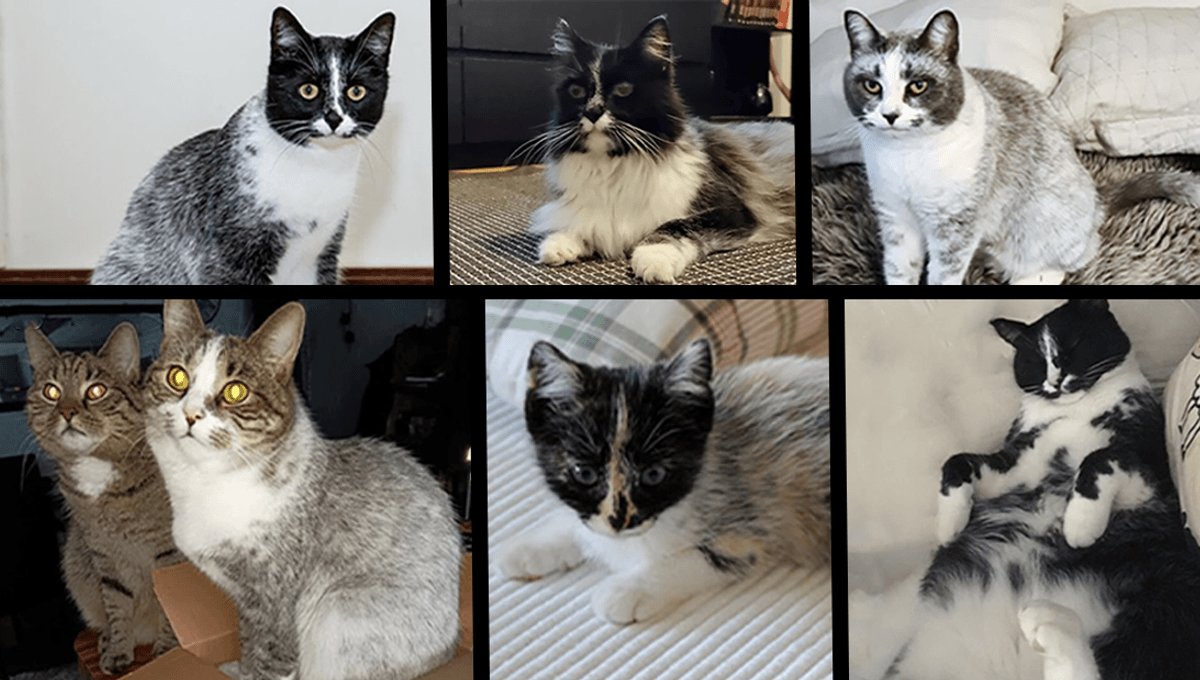
Researchers in Finland have discovered a rare new cat color called 'salty liquorice' or 'salmiak cats,' characterized by a black coat with white flecks and a tuxedo pattern. This unique coloring is due to a genetic mutation where a section of DNA is missing, making these cats quite rare. The discovery enriches the understanding of feline coat color genetics and could aid in breeding efforts to preserve this trait.

science1 year ago

"New 'Salty Licorice' Cat Coat Pattern Discovered in Finland"

Scientists in Finland have identified a genetic mutation responsible for a unique cat coat pattern called "salmiak," resembling salty licorice. This pattern, first noticed in 2007, features black hair that turns white towards the tip. Researchers found that the mutation, a specific deletion near the KIT gene, requires two copies of the variant to manifest. The findings were published in the journal Animal Genetics.

nature1 year ago

"Unique Mutation Creates Striking 'Salty Licorice' Cats"

Scientists have discovered that the unique "salmiak" coat pattern in a rare group of Finnish cats, resembling salty licorice, is due to a significant genetic mutation involving the deletion of around 95,000 base pairs downstream of the KIT gene. This recessive mutation affects the expression of the gene, leading to the distinctive ombre fur pattern. The findings could aid in breeding efforts to preserve this rare trait.

Scientists Develop Mini VR Goggles for Mice to Study Brain Responses to Predators

Researchers have developed virtual reality (VR) goggles for mice to study how their brains respond to swooping predators. The VR goggles allow the mice to experience a simulated environment where they perceive a looming predator, triggering specific brain activity. This research aims to provide insights into the neural mechanisms underlying predator-prey interactions and contribute to our understanding of how animals perceive and respond to threats.

science-and-technology2 years ago

"Revolutionary Genome Rewriting in Mice: Unveiling Human Disease Models and COVID-19 Survival"

Researchers have developed a technique that allows for the rapid rewriting of large stretches of DNA in mouse embryonic stem cells, enabling the creation of improved animal models for human diseases. This development addresses the technical challenges in creating genetically humanized mice and provides a valuable tool for studying and understanding various diseases.

science-and-nature2 years ago

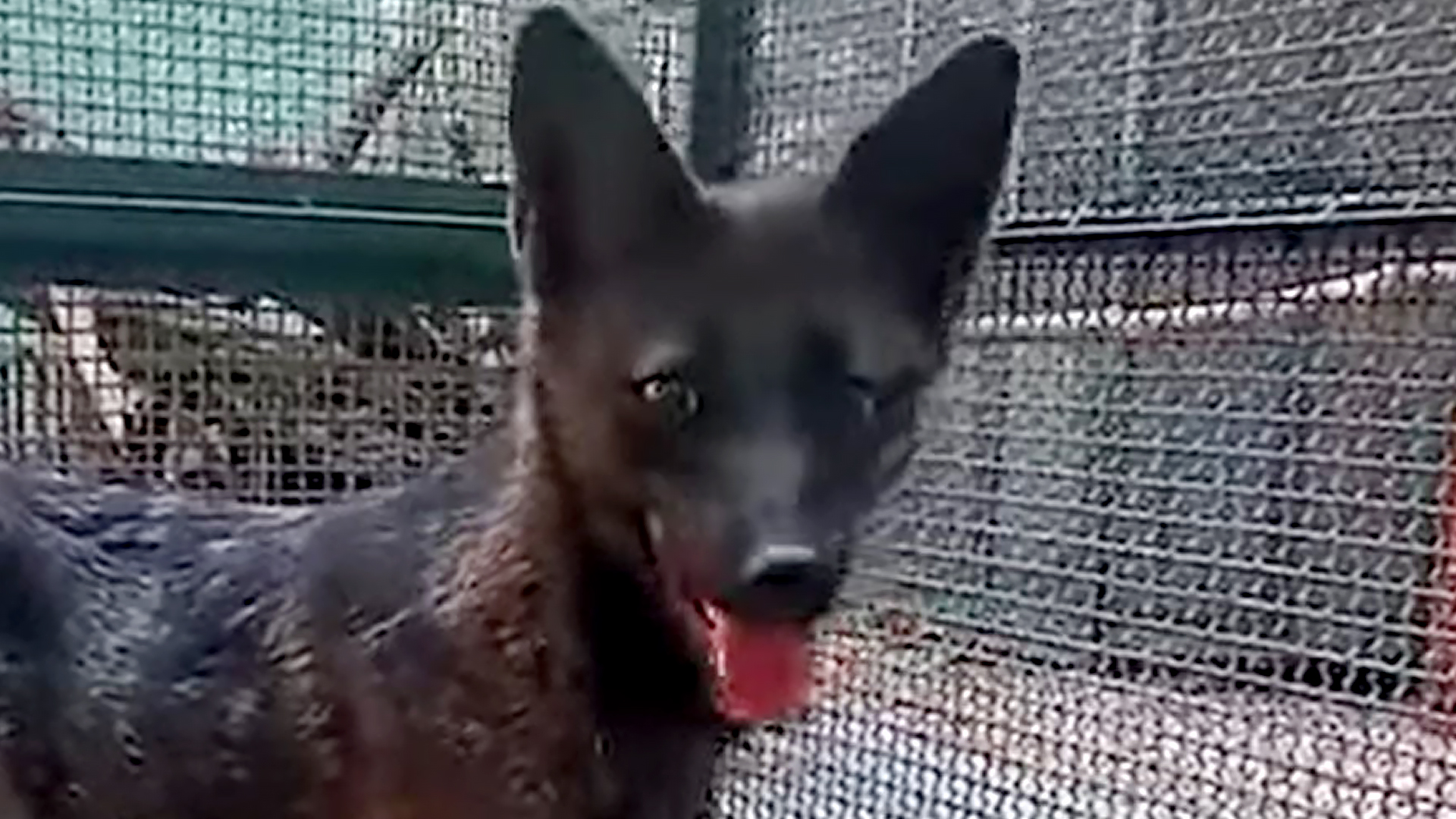
"Meet the Dogxim: The Adorable Hybrid Canine with Bizarre Eating Habits"

Researchers in Brazil have discovered the first-known dog-fox hybrid, dubbed a Dogxim, in the Cerrado region. The hybrid is a cross between a South American pampas fox and a dog, exhibiting a mix of dog-like and fox-like characteristics. The animal's odd eating behaviors and appearance have perplexed researchers, as it barks like a dog, has fur like a dog, but features pointed ears and a long snout like a fox. It refuses to eat dog food and only consumes small rats. The discovery suggests that despite diverging millions of years ago, these species can still produce viable hybrids.

science-and-technology2 years ago

CRISPR's Revolutionary Impact on Genetic Disorder Research in Animals

Researchers at ETH Zurich have developed a method to genetically modify individual cells in animals, allowing for the study of gene changes and their effects in a single experiment. Using adeno-associated virus (AAV)-mediated direct in vivo single-cell CRISPR screening, the researchers were able to switch off different genes in the cells of the mouse brain. This method provided new insights into a rare genetic disorder, 22q11.2 deletion syndrome, identifying three genes responsible for brain cell dysfunction. The technique allows for the study of genetic causes of diseases directly in fully grown animals, providing a more accurate representation of cell behavior in living organisms.