A new theoretical framework called biological computationalism suggests that consciousness may require a form of computation that is inseparable from the physical, hybrid, and energy-constrained dynamics of biological brains, challenging traditional digital AI approaches and emphasizing the importance of physical and multi-scale interactions for mind-like cognition.

A new study highlights the potential of mouse models in autism research, offering insights into molecular and physiological mechanisms. Researchers emphasize the role of the insular cortex and introduce the innovative "mouse metaverse" - a VR tool to explore brain dynamics during social behavior. With these approaches, the researchers aim to understand the molecular underpinnings of the human mind through autism's lens.
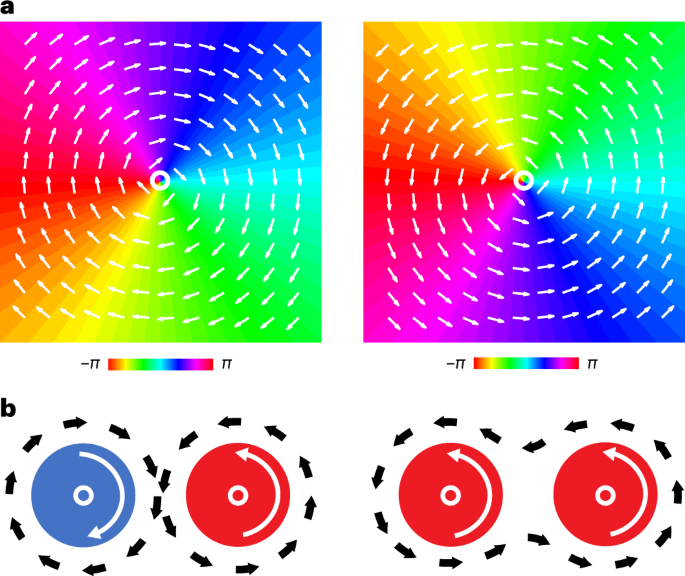
Researchers have discovered that interacting spiral wave patterns underlie complex brain dynamics and are related to cognitive processing. The study used fMRI data to identify these patterns and found that they propagate across the cortex in a hierarchical manner. The findings suggest that these patterns may play a role in the organization of resting-state networks and could provide insight into the neural basis of cognition. The data and code used in the study are publicly available.
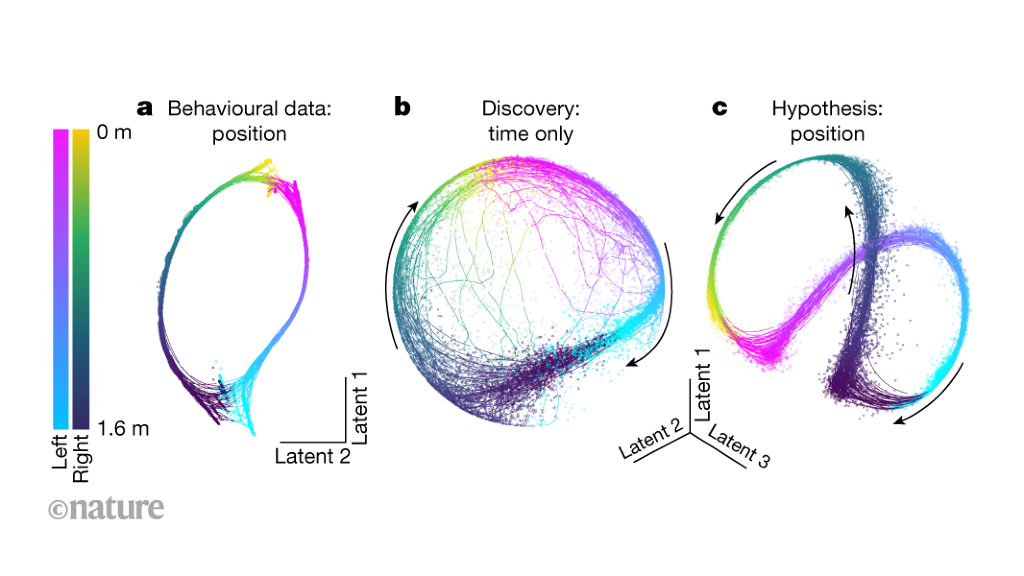
CEBRA, a machine-learning algorithm, can compress time series data to reveal hidden structures in behavioral and neural data. It can also decode activity from the visual cortex of the mouse brain to reconstruct a viewed video. This method can be used to study brain dynamics and has potential applications in neuroscience research.