
"Revolutionizing Disease Research: Mouse Genome Rewriting Unlocks New Disease Models"
TL;DR Summary
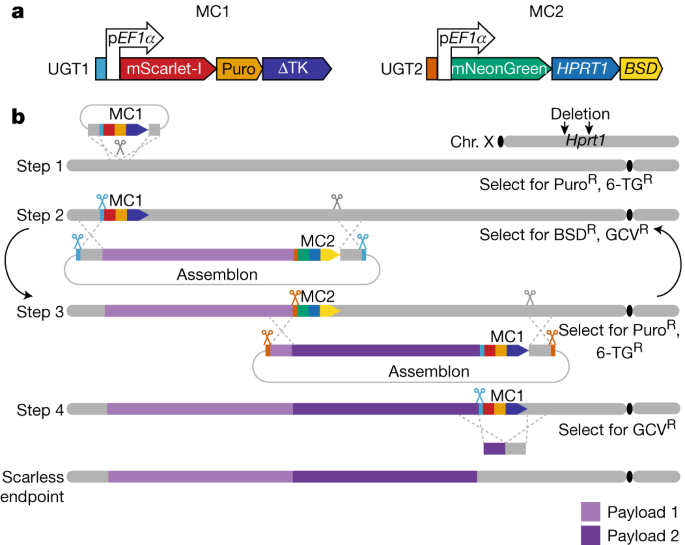
Scientists have developed a novel mammalian genome writing method called mSwAP-In, which allows for large-scale, scarless, and iterative genome writing in mouse embryonic stem cells. Using this method, they successfully engineered a synthetic version of the Trp53 gene and fully humanized the ACE2 gene in mouse models. The humanized ACE2 mice were susceptible to SARS-CoV-2 infection and exhibited a more accurate representation of COVID-19 pathology compared to existing transgenic models. This genome writing technique has the potential to bridge human-mouse evolutionary gaps and improve our understanding of human diseases.
Topics:health#ace2#covid-19#genetic-engineering#genome-synthesis#mouse-models#science-and-technology
Reading Insights
Total Reads
0
Unique Readers
0
Time Saved
72 min
vs 73 min read
Condensed
99%
14,548 → 89 words
Want the full story? Read the original article
Read on Nature.com