Tag

Monoclonal Antibodies

All articles tagged with #monoclonal antibodies

health-policy4 days ago

RSV vaccines prove effective as US tightens access restrictions

New data reinforce that RSV vaccines dramatically reduce hospitalizations, with pregnancy-based protection around 70% and newborn monoclonal antibodies about 81%, and four JAMA studies confirm declines. Despite this, the administration’s restrictions to high‑risk infants could raise RSV hospitalizations and complicate vaccine logistics in a fragmented US system. Safety reviews are underway after trial deaths, though officials say there’s no proven vaccine link, and many countries rely on universal prenatal vaccination.

health1 year ago

Deliberate Malaria Infection: A Controversial Choice

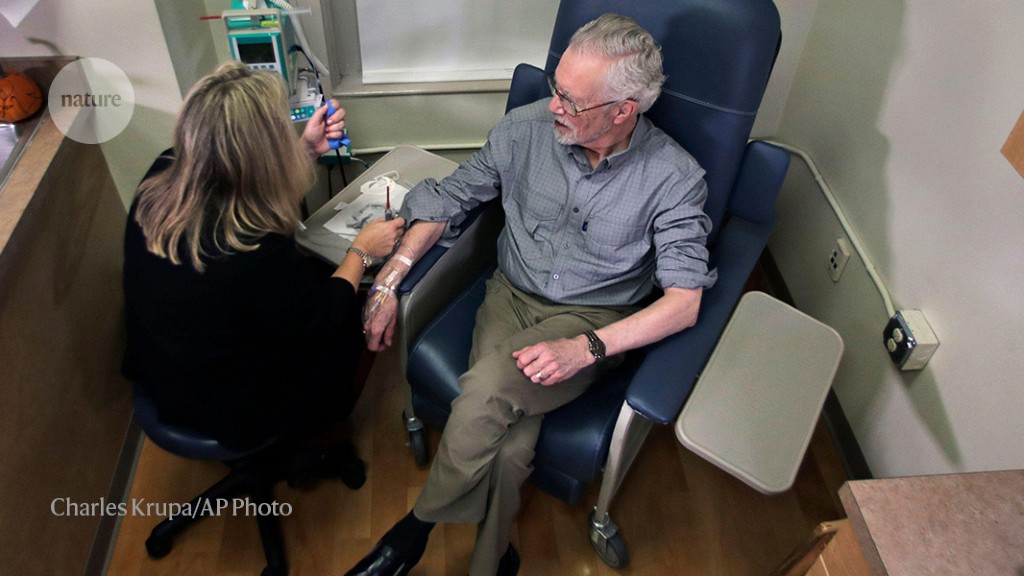
A volunteer participated in a malaria challenge trial at the University of Maryland to test MAM-01, a monoclonal antibody drug aimed at preventing malaria. The trial involved being bitten by malaria-infected mosquitoes to assess the drug's efficacy. Despite contracting mild malaria, the experience highlighted the potential of human challenge trials to expedite vaccine development for diseases like malaria, TB, and hepatitis C, especially in resource-limited settings. These trials offer a cost-effective way to evaluate vaccine candidates, though they require ethical considerations and informed consent.

health1 year ago

"Identifying Vulnerabilities: NIH Scientists Uncover Weaknesses in Epstein-Barr Virus"

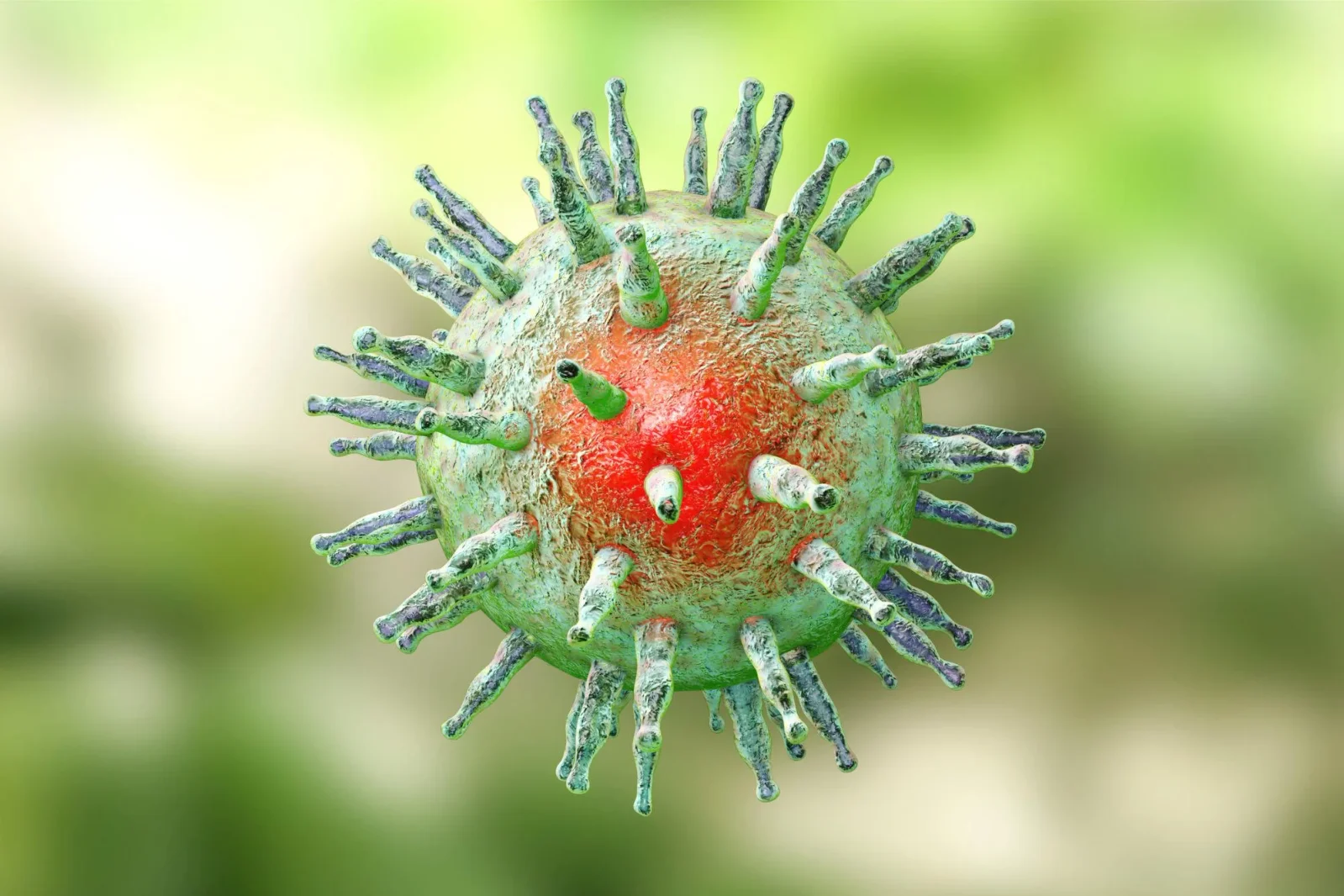
Scientists at the National Institute of Allergy and Infectious Diseases (NIAID) have identified potential targets for designing treatments and vaccines for the Epstein-Barr virus (EBV), a common virus that can lead to various cancers and other health issues. Their research focused on a viral protein called gp42, and they discovered two monoclonal antibodies that interact with distinct sites on gp42, showing promise in preventing EBV infection and related diseases in mice. The findings could lead to the development of antibody-based treatments and vaccines for EBV, benefiting individuals at risk of severe or fatal EBV disease.

health1 year ago

"Latest CDC Guidelines for RSV Immunization and Prevention"

The CDC has updated its recommended vaccination schedule for infants to include an RSV vaccine for pregnant women and a monoclonal antibody injection for babies to protect against respiratory syncytial virus. These treatments aim to protect infants during their most vulnerable period in the first six months after birth when they are at the highest risk for severe respiratory symptoms. The RSV vaccine is recommended for pregnant women to transfer antibodies to the baby before birth, while the monoclonal antibody injection provides direct protection for babies born during RSV season. The update addresses the critical need to minimize the risk of severe RSV disease and hospitalization in infants, with efforts being made to address supply chain issues for the monoclonal antibody treatment.

health-medicine2 years ago

"Uncovering the Impact: Promising Advances and Bold Predictions for Long COVID"

Researchers are hopeful for progress in treating long COVID in 2024, with predictions including a better understanding of different long COVID phenotypes, the potential use of monoclonal antibodies to target viral persistence, the effectiveness of Paxlovid for long COVID treatment, the use of anti-inflammatories like metformin, and the potential role of serotonin levels and selective serotonin reuptake inhibitors (SSRIs) in alleviating long COVID symptoms.

health2 years ago

RSV Prevention: A Must for All Ages

Respiratory Syncytial Virus (RSV) is a common respiratory virus that can be serious, especially for infants and the elderly, often requiring hospitalization. The upcoming RSV season will be closely monitored following the rollout of RSV vaccines and monoclonal antibody administration. New advances in RSV prevention include the approval of RSV vaccines for individuals aged 60 and older, as well as a maternal RSV vaccine for pregnant women to protect their infants. These developments aim to reduce RSV hospitalization rates and provide long-term protection against reinfection. Prevention through vaccination and antibody administration is crucial in keeping the infant and older adult populations RSV-free.

health2 years ago

Breakthrough: Scientists Discover Medication that Neutralizes Emerging Bat Coronavirus

Scientists have isolated a "pre-emerging" bat coronavirus known as BtCoV-422 and discovered that an off-the-shelf monoclonal antibody, mAb JC57-11, effectively neutralizes it. In addition, widely-used antiviral drugs, including Remdesivir, Paxlovid, and Lagevrio, were found to inhibit the virus in vitro. While BtCoV-422 does not currently pose a threat to humans, further mutation-driven evolution could potentially enable it to infect humans. The study highlights the importance of developing broad therapeutics and identifying conserved epitope targets to address emerging zoonotic threats and enhance pandemic preparedness.

health2 years ago

"Breakthrough: 2 New Drugs Revolutionize Alzheimer's Treatment"

The FDA has approved two new drugs, aducanumab (Aduhelm) and lecanemab (Leqembi), for the treatment of Alzheimer's disease. Both drugs are monoclonal antibodies that target beta-amyloid plaques, a hallmark protein in the disease. However, these medications are most effective in the early stages of the disease, highlighting the importance of early diagnosis. Ten early signs of Alzheimer's disease include memory loss, challenges in problem-solving, difficulty completing tasks, confusion with time or place, trouble with visual images, problems with language, misplacing things, poor judgment, withdrawal from activities, and changes in mood or personality. Starting medication early can provide more time for loved ones.

health2 years ago

India Secures Australian Antibodies to Combat Nipah Virus Outbreak

India is sourcing monoclonal antibodies from Australia to treat individuals affected by the Nipah virus in Kerala. The drug, m102.4, initially developed to treat Henipavirus, has shown promise in early-stage trials for managing Nipah virus, which has a high fatality rate. While still under trial for efficacy, anecdotal reports from compassionate use have shown positive outcomes. India has requested additional doses of monoclonal antibodies to treat patients. Monoclonal antibodies are lab-made proteins that target and destroy foreign materials.

healthcare2 years ago

Advancements in Amyloid-Targeting and Tau PET Offer Hope for Alzheimer's Diagnosis and Treatment

Advancements in amyloid-targeting monoclonal antibodies for the treatment of Alzheimer's disease (AD) show promise in slowing cognitive decline. However, concerns have been raised regarding the cost, adverse reactions, and accessibility of these drugs, particularly for marginalized patients. The high cost of these medications, along with potential adverse events and the need for advanced imaging and outpatient visits, may create barriers to access for individuals with AD. Additionally, there is a lack of representation and data on the efficacy and safety of these drugs in ethnically and racially diverse populations. Further investigation and policy considerations are needed to ensure equitable access to these promising therapies.

health2 years ago

Addressing Racial Disparity in Alzheimer's Drug Trials

Clinical trials for Alzheimer's treatments, such as the drugs lecanemab and donanemab, are lacking racial diversity, with black and Hispanic people being significantly underrepresented. This raises concerns about the effectiveness and safety of these drugs for people of color. The low participation of diverse populations in trials hinders the understanding of the causes of Alzheimer's and other forms of dementia. Efforts are being made to increase diversity in trials, including wider recruitment strategies and the use of blood-based tests to screen potential participants. The lack of diversity in clinical trials is not only an equity problem but also a scientific one, as it may hinder the development of effective treatments and the understanding of the disease across populations.

health2 years ago

"Breakthrough Antibody Study Reveals Effective Strategy Against COVID-19 Variants"

A recent study published in the Science Advances Journal highlights the discovery of potent monoclonal antibodies, known as E7, derived from a SARS survivor vaccinated with BNT162b2. These antibodies demonstrated broad neutralizing activity against various sarbecoviruses, including multiple variants of SARS-CoV-2 and animal sarbecoviruses. The study also revealed the unique epitope profiles and binding affinities of these antibodies, indicating their potential effectiveness against emerging variants such as Omicron. The findings suggest that E7 could be a promising strategy in combating COVID-19 variants and future zoonotic coronaviruses.

medical-research2 years ago

"Groundbreaking Research: Monoclonal Antibodies Tame Aggressive Prostate and Breast Cancers"

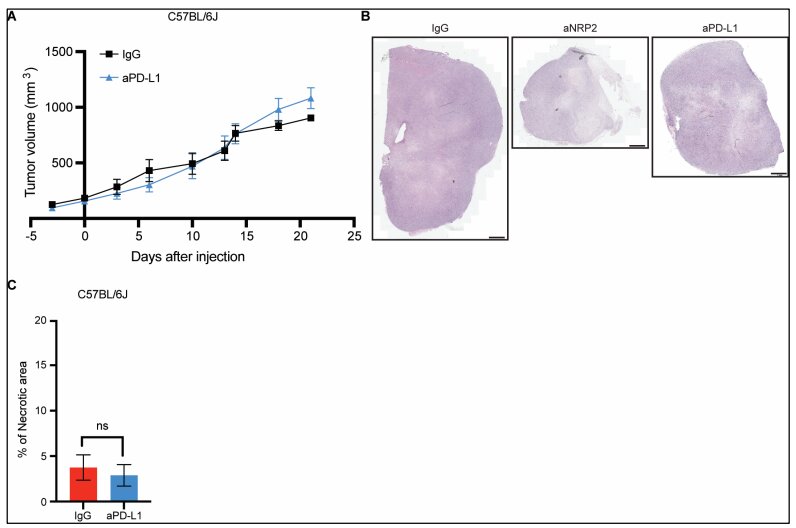
Experimental monoclonal antibodies have shown promise in sensitizing aggressive prostate and breast cancers to treatment. By blocking the interaction between growth factor VEGF and its receptor neuropilin-2, these antibodies render the tumors susceptible to immunotherapy. In mouse models, the antibodies successfully activated anti-tumor immunity and inhibited tumor growth. The approach could potentially change the fate of patients with relapsed or treatment-resistant cancers. However, further research is needed to determine the effectiveness of these antibodies in human clinical trials.

health2 years ago

FDA Panel Recommends Approval of RSV Preventive Therapy for Infants

An FDA advisory committee has recommended an injectable monoclonal antibody drug called nirsevimab, which functions similarly to a vaccine, to protect infants up to 2 years old from respiratory syncytial virus (RSV). The drug, sold under the name Beyfortus, was found to lower the risk of developing respiratory disease from RSV that required a doctor's visit by nearly 75% for at least five months. The FDA must now decide whether to approve the injection, but is likely to follow the committee’s recommendation. No RSV vaccine for infants has been approved yet.

health2 years ago

White House invests $5B to accelerate COVID vaccine development.

The Biden administration is launching "Project Next Gen," a $5 billion program to accelerate the development of new coronavirus vaccines and treatments, with a focus on creating long-lasting monoclonal antibodies, accelerating the development of vaccines that produce mucosal immunity, and developing pan-coronavirus vaccines to guard against new variants of SARS-CoV-2 and other coronaviruses. The initiative seeks to better protect against a still-mutating virus, as well as other coronaviruses that might threaten us in the future. The effort comes after Biden health officials had sought for about a year to get the initiative off the ground but were repeatedly rebuffed by Congress.