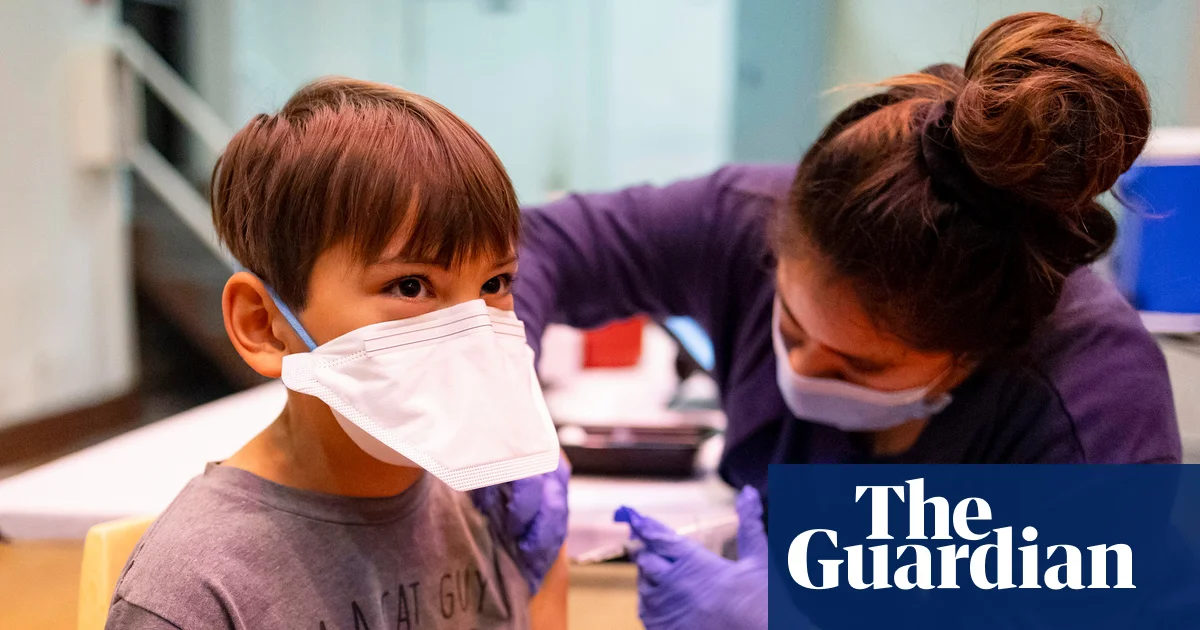
CDC officials are urging Americans to get flu vaccines and antivirals amid record child deaths and circulating virus mutations, emphasizing the importance of vaccination to prevent severe illness and death, especially among vulnerable groups, despite challenges like vaccine hesitancy and virus mutations.
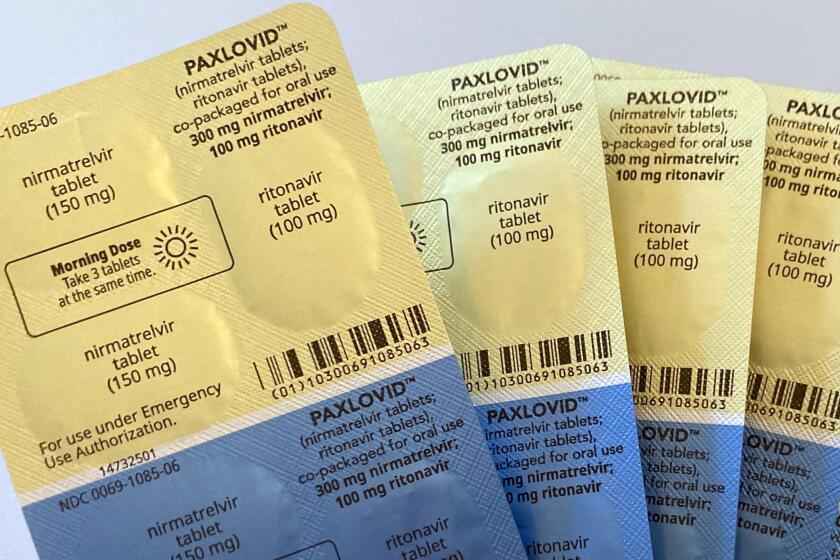
A meta-analysis of nine studies published in the Journal of Infection found that early use of oral antiviral drugs, particularly Paxlovid, reduced the risk of long COVID by 23%. The study suggests that broader use of antivirals may be beneficial in preventing long COVID, highlighting the importance of timely antiviral intervention.
Access to the COVID-19 antiviral drug Paxlovid should be easier, as it is widely available and affordable. However, some healthcare providers are still reluctant to prescribe it, citing concerns such as "Paxlovid rebound," which studies have shown to be unfounded. Officials urge healthcare providers to prescribe antivirals to eligible patients, especially those at high risk for severe COVID-19. Patients who are declined Paxlovid can seek other healthcare providers or utilize free telehealth services for treatment.
Despite the widespread availability and effectiveness of Paxlovid, many doctors are still reluctant to prescribe it due to outdated concerns about "Paxlovid rebound" and potential side effects. However, officials at both federal and state levels are urging healthcare providers to properly prescribe Paxlovid and other antivirals, especially for high-risk COVID-19 patients, as studies show that early antiviral treatment can reduce the risk of hospitalization and death. Patients who are declined a Paxlovid prescription can seek out other healthcare providers or utilize free telehealth services for access to treatment.
Research is ongoing to understand and address the burden of long COVID, which affects 5%–10% of COVID patients and can persist for up to two years. Antiviral drugs like Paxlovid and molnupiravir have shown promise in reducing the risk of long COVID, with reductions of up to 26% reported. Metformin, a diabetes medication, has also shown potential in reducing long COVID risk. However, there is a lack of effective treatments for long COVID, and more research is needed. The focus has primarily been on preventing severe disease, but efforts are being made to prioritize research and find solutions for long COVID.
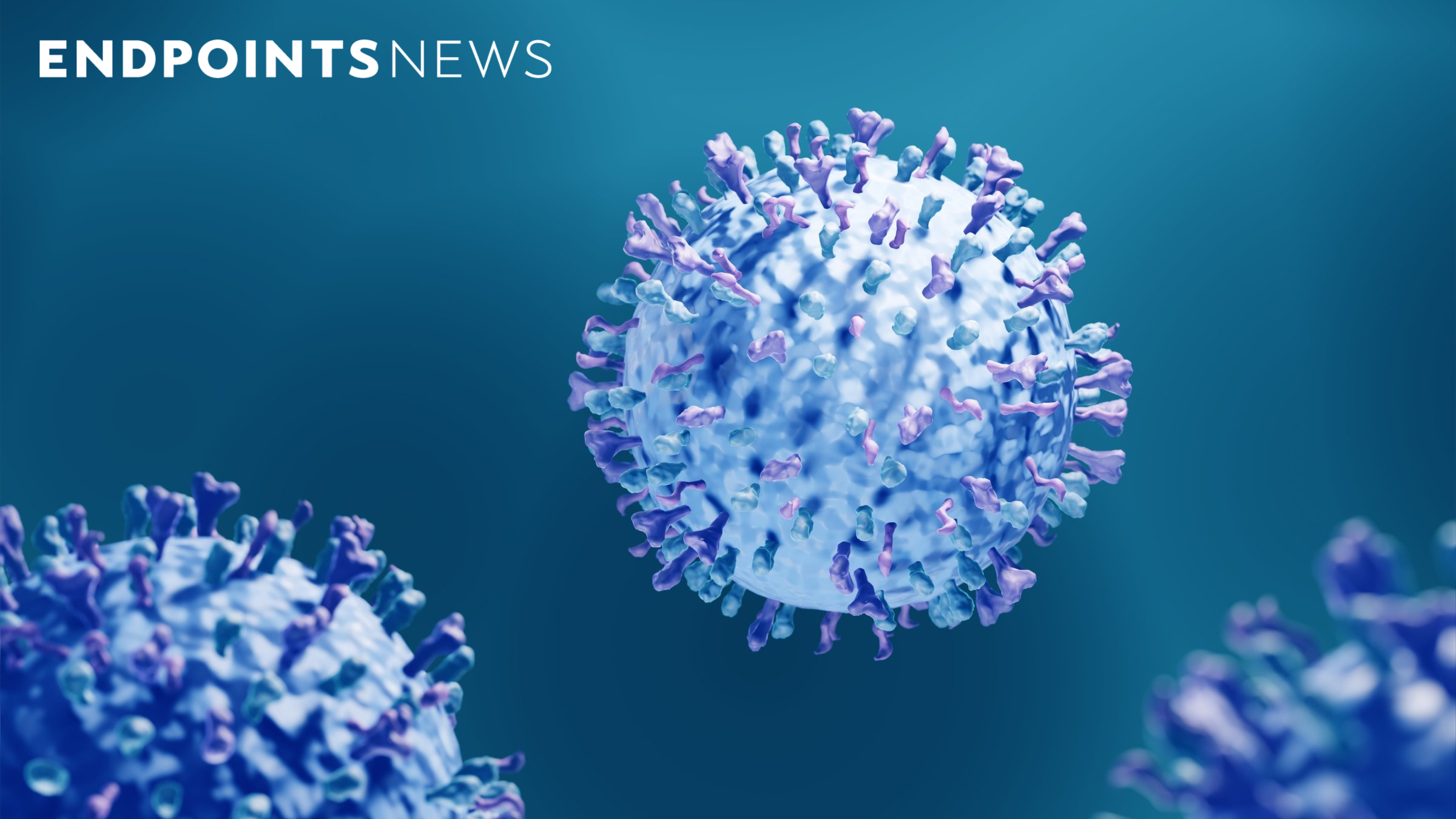
Scientists have isolated a "pre-emerging" bat coronavirus known as BtCoV-422 and discovered that an off-the-shelf monoclonal antibody, mAb JC57-11, effectively neutralizes it. In addition, widely-used antiviral drugs, including Remdesivir, Paxlovid, and Lagevrio, were found to inhibit the virus in vitro. While BtCoV-422 does not currently pose a threat to humans, further mutation-driven evolution could potentially enable it to infect humans. The study highlights the importance of developing broad therapeutics and identifying conserved epitope targets to address emerging zoonotic threats and enhance pandemic preparedness.
As cold and flu season approaches, it's important to know the signs and symptoms that should prompt seeking medical attention. While the common cold and flu share many symptoms, the flu tends to be more intense and come on quicker. Warning signs for seeking medical care include higher fevers, shaking chills, fast or labored breathing, and severe headaches or confusion. Antibiotics are not typically prescribed for colds, as they are caused by viruses, but antivirals may be prescribed for the flu. It's important to watch for complications such as ear or sinus infections, and parents should be vigilant for warning signs in children, such as breathing difficulties or dehydration. Prevention measures include getting flu vaccinations and staying home when ill.
Gilead has partnered with Assembly Bio to develop new antiviral treatments for herpesviruses, hepatitis B, and hepatitis D. Gilead will provide $100 million in funding, including cash and equity investment, and has the potential to offer up to $1.9 billion in milestone payments for successful clinical programs.
Chemists are developing experimental antiviral drugs that target the fatty membranes protecting viruses, including those causing COVID-19 and the flu. By destroying these membranes, the drugs render the viruses vulnerable and unable to enter cells. This new strategy offers hope for a wide range of pathogens, as the membranes are less likely to develop resistance compared to viral proteins, which are the usual targets of antiviral drugs.