Tag

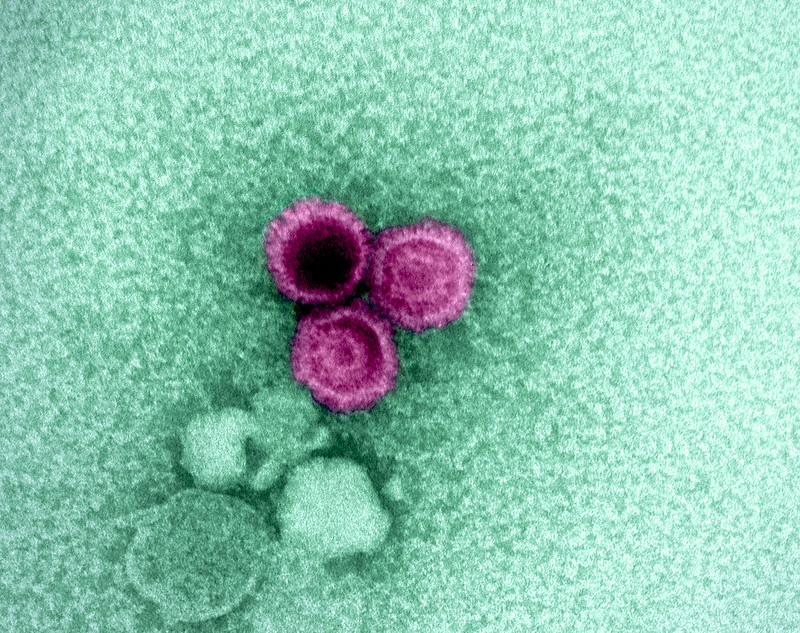
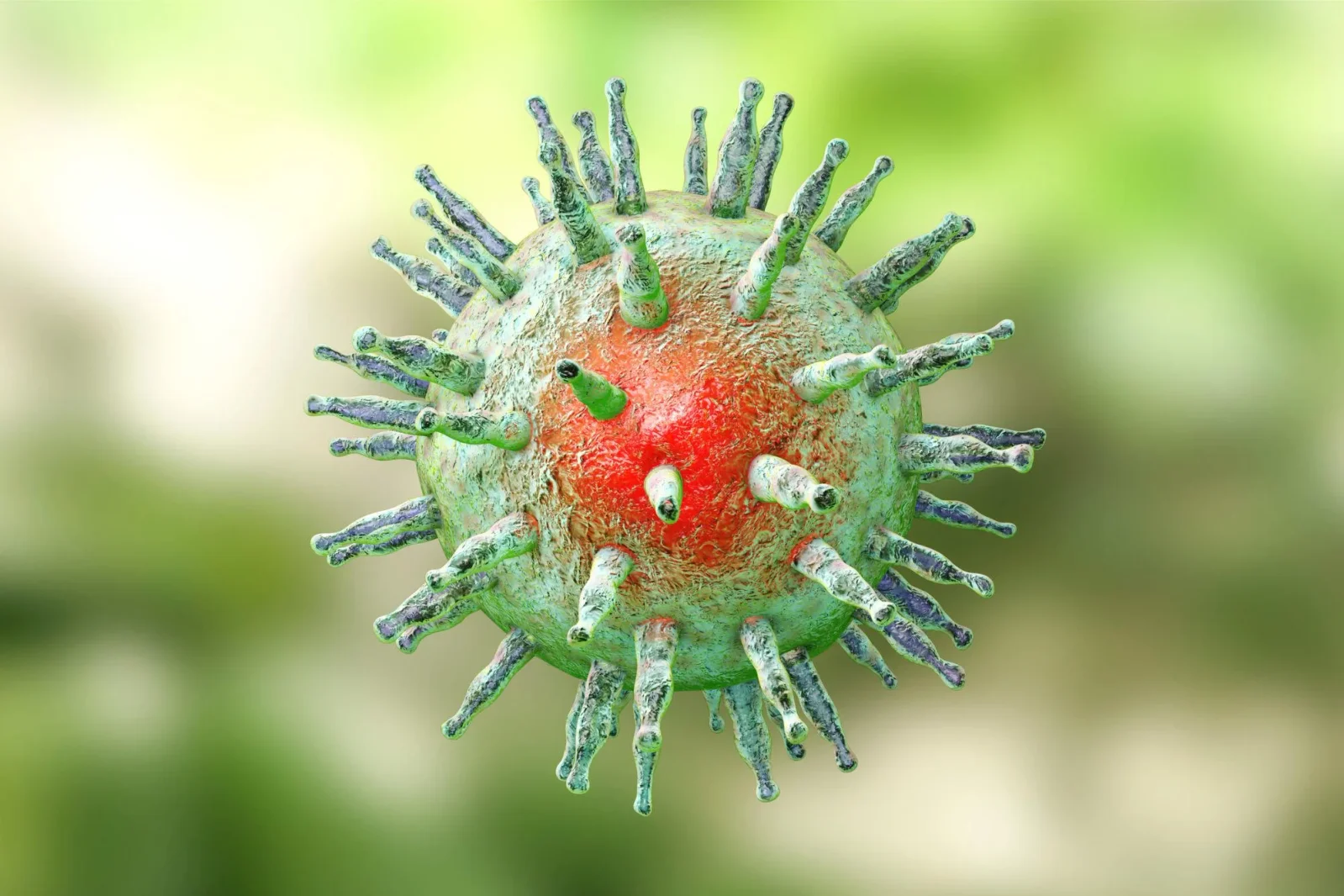
Epstein Barr Virus

All articles tagged with #epstein barr virus

Antibody Strategy Targets Epstein-Barr Virus to Shield Transplant Patients
science5 days ago

Antibody Strategy Targets Epstein-Barr Virus to Shield Transplant Patients

Fred Hutch researchers produced fully human monoclonal antibodies against EBV by targeting its gp350 and gp42 proteins. In humanized mice, one antibody completely prevented EBV infection and another offered partial protection, outlining a pathway to prevent EBV reactivation and PTLD in transplant patients. The team aims to advance safety testing in healthy volunteers followed by trials in immunocompromised individuals, with IP protection filed for the antibodies.
science7 days ago

Human genetics shape persistent Epstein-Barr virus control and autoimmune risk

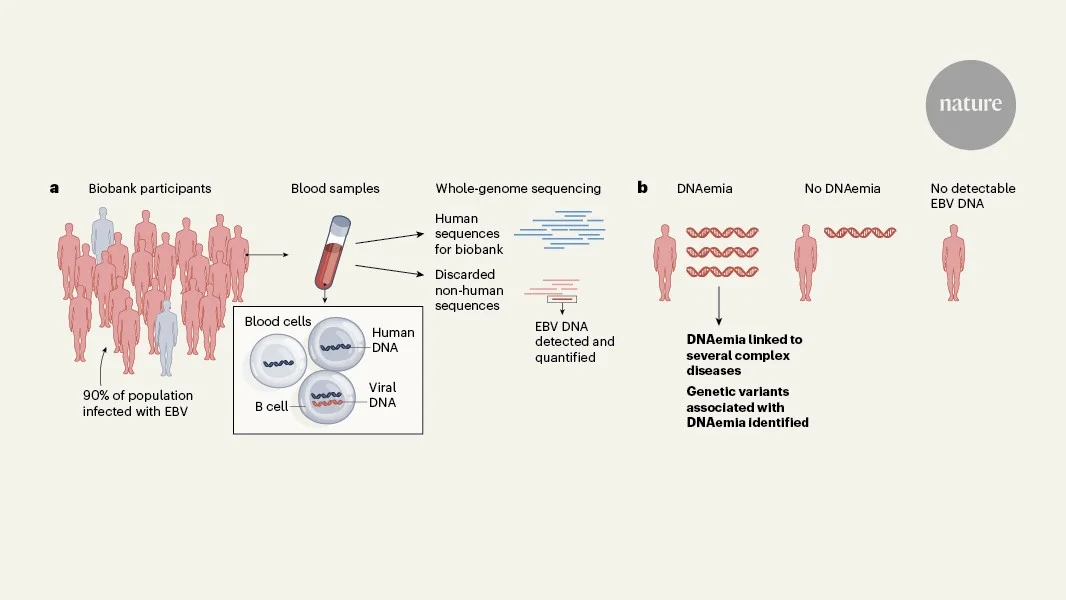
A large-scale study using UK Biobank and All of Us genome data detects EBV reads in a subset of individuals, linking higher EBV load to HIV, immunosuppression, and smoking; GWAS identifies major associations in MHC/HLA and additional loci including ERAP2, with EBV load polygenic burden tied to multiple sclerosis (MHC class I) and rheumatoid arthritis (MHC class II) and overlaps with inflammatory diseases like IBD, hypothyroidism, and type 1 diabetes; proposes host-genome–derived markers of EBV persistence to guide future research and therapy.

Biobank DNA leftovers unlock secrets of Epstein–Barr virus
genomics28 days ago

Biobank DNA leftovers unlock secrets of Epstein–Barr virus

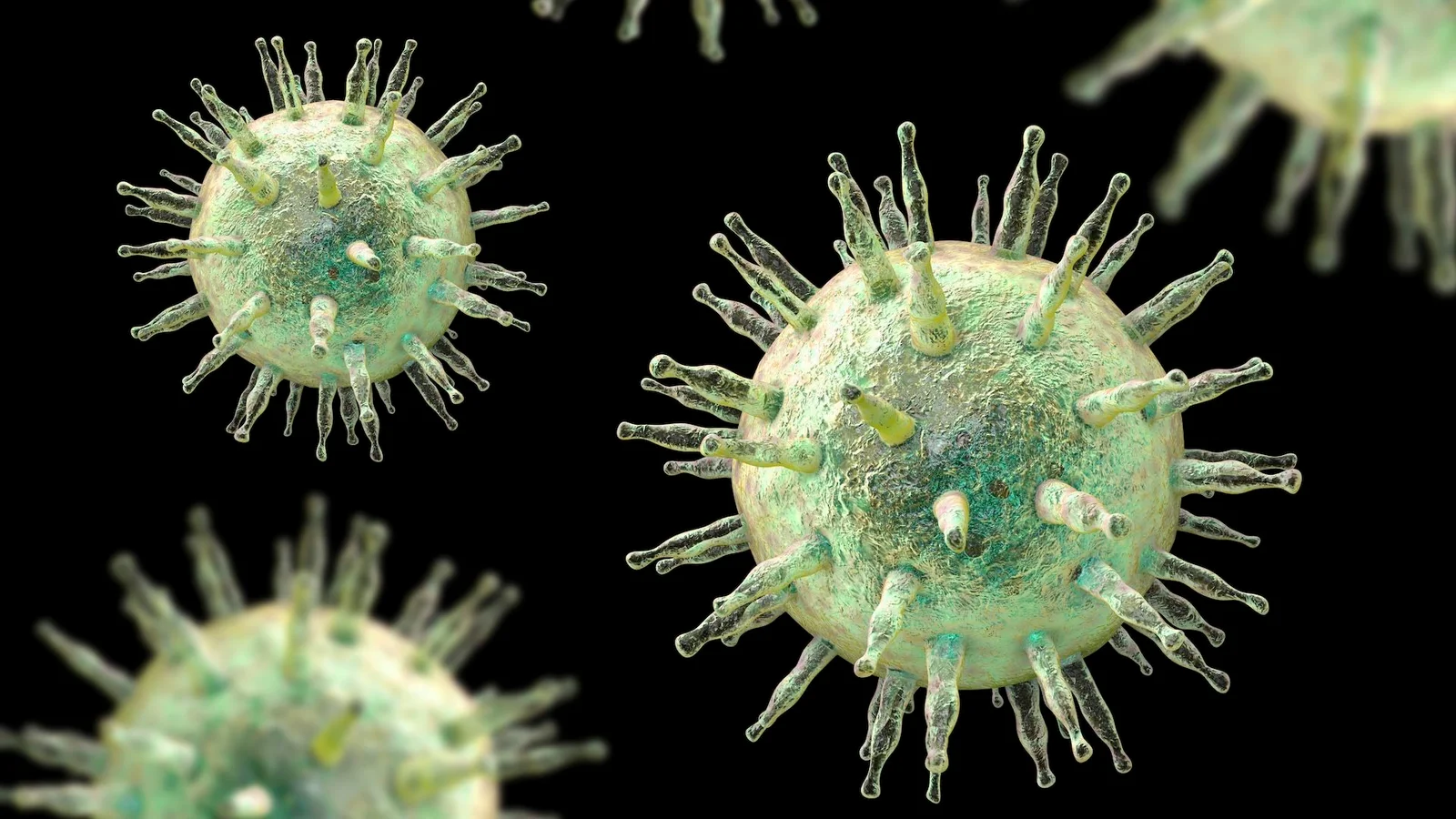
Researchers show that non-human DNA discarded during whole-genome sequencing can be repurposed to detect and quantify Epstein–Barr virus DNA in human cells, using a method described by Nyeo et al. in Nature. This population-scale approach lets biobanks reveal persistent EBV DNA and its links to complex diseases, turning sequencing byproducts into a new source of epidemiological insight.

"EBV Reactivation Linked to MS Activity and Potential Treatments"
health1 year ago

"EBV Reactivation Linked to MS Activity and Potential Treatments"

A study published in Nature Microbiology found that the dormant Epstein-Barr virus (EBV) reactivates during multiple sclerosis (MS) relapses, triggering inflammatory activity in immune cells. Blocking EBV activation with antiviral compounds like tenofovir alenfenamide (TAF) can reduce this inflammation, suggesting a potential new treatment strategy for MS. However, further research is needed to confirm these findings in human models.

"New Blood Test Offers Hope for Solving Multiple Sclerosis Mystery"
health1 year ago

"New Blood Test Offers Hope for Solving Multiple Sclerosis Mystery"

Researchers have developed a new blood test that measures the immune response to Epstein-Barr virus (EBV) in people with multiple sclerosis (MS), potentially advancing understanding and treatment of the disease. The test revealed a stronger immune response to EBV in MS patients compared to those with other conditions, supporting the theory that EBV plays a significant role in MS. This development could lead to better treatments, including antiviral drugs, by targeting the virus more precisely without broadly suppressing the immune system.

"Unsung Hero: Yvonne Barr's Role in Uncovering a Cancer-Causing Virus"
obituaries1 year ago

"Unsung Hero: Yvonne Barr's Role in Uncovering a Cancer-Causing Virus"

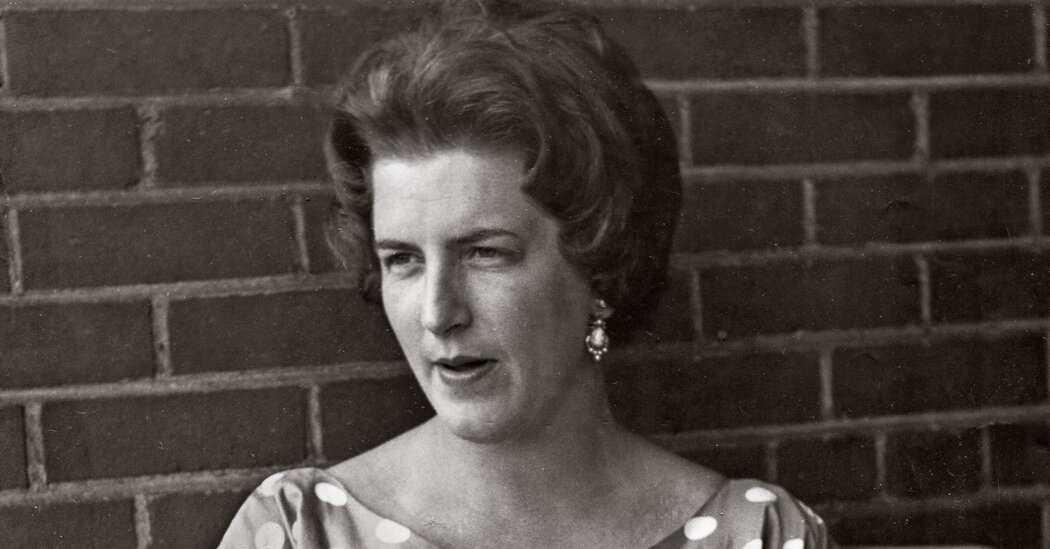
Yvonne Barr, a virologist, played a crucial role in the discovery of the cancer-causing Epstein-Barr virus while working with pathologist Anthony Epstein in 1963. Her expertise in growing cell cultures in a controlled environment was instrumental in proving Epstein's hypothesis that the virus was responsible for large facial tumors in Ugandan children. Barr's contributions to virology and her role in this groundbreaking discovery have been overlooked for many years.

"Discovery of Weak Spots in Virus Infecting 95% of Population"
health-and-medicine1 year ago

"Discovery of Weak Spots in Virus Infecting 95% of Population"

The Epstein-Barr Virus (EBV), which infects around 95% of the human population and is associated with diseases like mononucleosis and certain cancers, has been found to have vulnerabilities. New research has identified weak spots on the virus's protein, gp42, and developed antibodies that could prevent infection in mice. If these findings translate to humans, it could lead to targeted treatments and potential vaccines for EBV, offering hope for preventing severe diseases caused by the virus.

"Identifying Vulnerabilities: NIH Scientists Uncover Weaknesses in Epstein-Barr Virus"
health1 year ago

"Identifying Vulnerabilities: NIH Scientists Uncover Weaknesses in Epstein-Barr Virus"

Scientists at the National Institute of Allergy and Infectious Diseases (NIAID) have identified potential targets for designing treatments and vaccines for the Epstein-Barr virus (EBV), a common virus that can lead to various cancers and other health issues. Their research focused on a viral protein called gp42, and they discovered two monoclonal antibodies that interact with distinct sites on gp42, showing promise in preventing EBV infection and related diseases in mice. The findings could lead to the development of antibody-based treatments and vaccines for EBV, benefiting individuals at risk of severe or fatal EBV disease.

"Pathologist Anthony Epstein, Discoverer of Epstein-Barr Virus, Passes Away at 102"
obituary2 years ago

"Pathologist Anthony Epstein, Discoverer of Epstein-Barr Virus, Passes Away at 102"

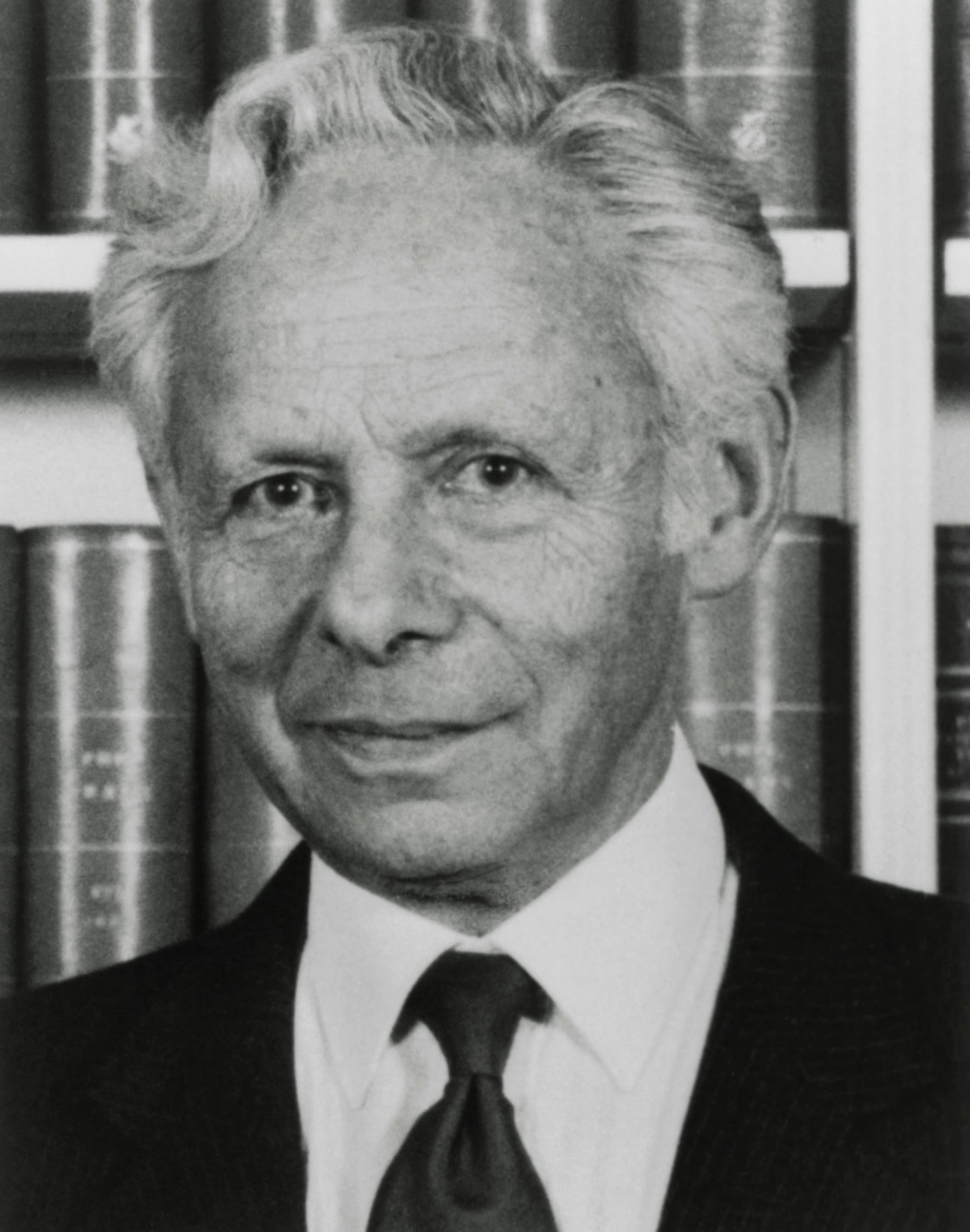
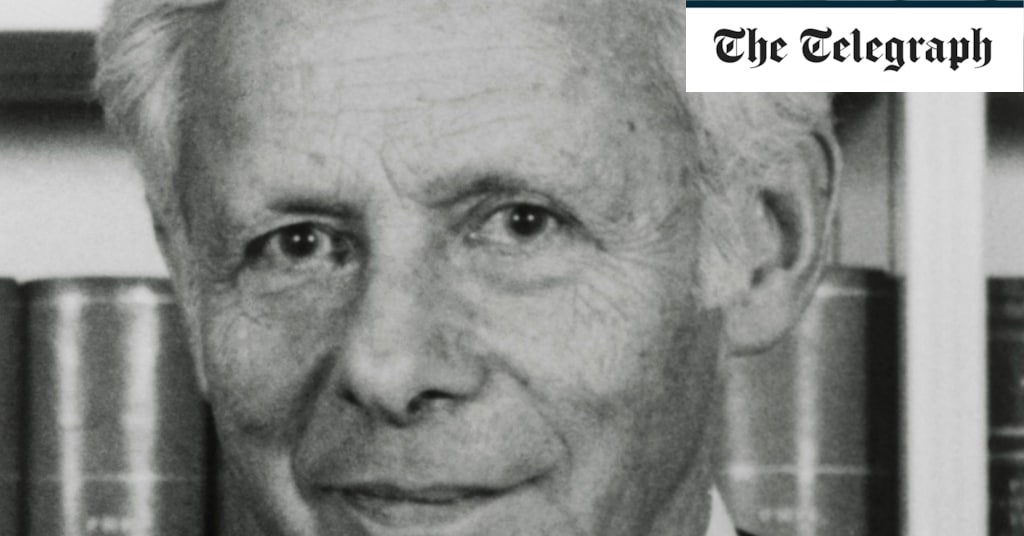
Anthony Epstein, the British pathologist who co-discovered the Epstein-Barr virus, has passed away at the age of 102. His groundbreaking work in the 1960s led to extensive research into the virus's links to cancers and other chronic ailments, including Hodgkin’s lymphoma, multiple sclerosis, and lupus. Despite the virus's prevalence, no vaccine has been developed, but ongoing research aims to understand its role in various diseases. Dr. Epstein's accidental discovery of the virus's presence in human tumors opened new avenues in cancer research, and his legacy continues to impact the field.

"Remembering Sir Anthony Epstein: Discoverer of the First Cancer-Causing Virus"
obituary2 years ago

"Remembering Sir Anthony Epstein: Discoverer of the First Cancer-Causing Virus"

Professor Sir Anthony Epstein, a renowned pathologist and virologist, co-discovered the Epstein-Barr virus, which causes Burkitt lymphoma and glandular fever. His groundbreaking work led to the understanding of how viruses can cause cancer in humans and paved the way for the development of vaccinations. Throughout his career, he made significant contributions to medical science, received numerous accolades, and was a passionate advocate for science education. Professor Sir Anthony Epstein passed away at the age of 102, leaving behind a lasting legacy in the field of cancer research.

"Viral Link: Smoking Gun Study Uncovers Multiple Sclerosis Trigger"
health-research2 years ago

"Viral Link: Smoking Gun Study Uncovers Multiple Sclerosis Trigger"

A study from the University of Texas reveals how the Epstein-Barr virus may trigger multiple sclerosis by showing that T cells recognizing EBV-infected cells are present in the cerebrospinal fluid at the earliest stages of MS, suggesting their potential role in the disease's pathogenesis. The research provides "smoking gun evidence" for the link between EBV and MS, shedding light on the immune system's response to the virus and its potential contribution to the development of the autoimmune condition.

Uncovering the Link Between Epstein-Barr Virus and Multiple Sclerosis
health2 years ago

Uncovering the Link Between Epstein-Barr Virus and Multiple Sclerosis

Researchers have found a potential link between the Epstein-Barr virus (EBV) and the development of multiple sclerosis (MS) by identifying a high number of T cells in the cerebrospinal fluid of early-stage MS patients that were sensitive to EBV-infected cells. This suggests that the immune response to EBV may contribute to the development of MS. While the exact mechanism is still unclear, these findings provide a crucial step towards understanding the role of EBV in triggering MS and may pave the way for potential preventive measures or treatments in the future.