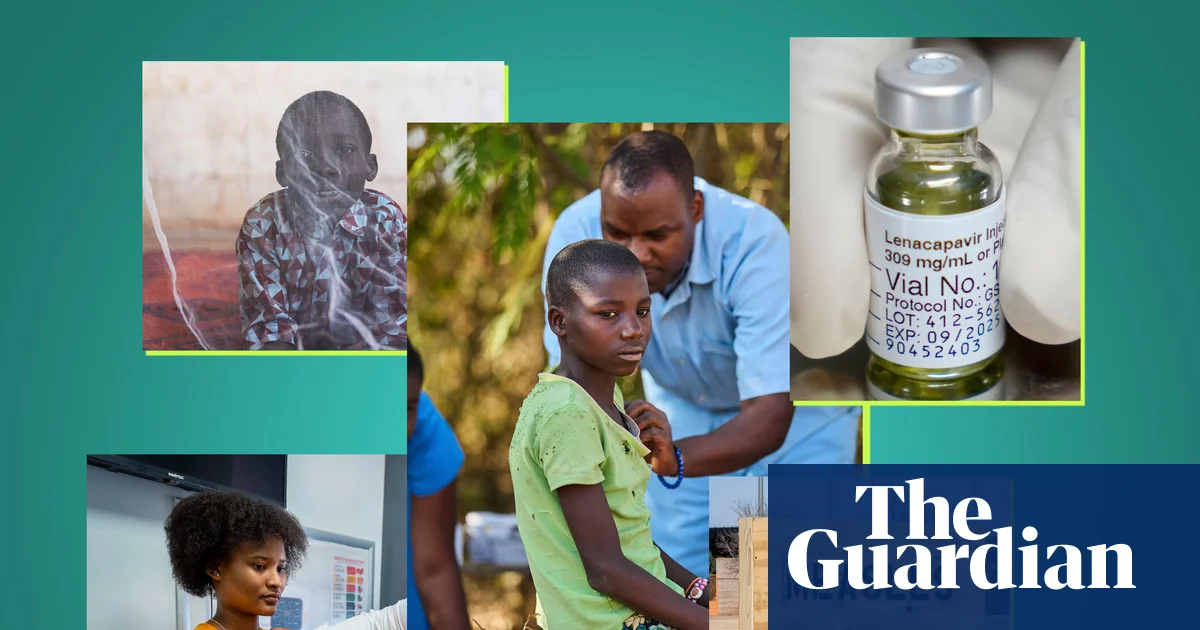
Despite funding challenges, 2025 saw significant health victories including the early achievement of vaccinating 86 million girls against cervical cancer, the development of a new malaria treatment, the elimination of measles in several countries, the introduction of a promising HIV prevention drug, and advancements in tuberculosis treatment, all contributing to saving millions of lives worldwide.
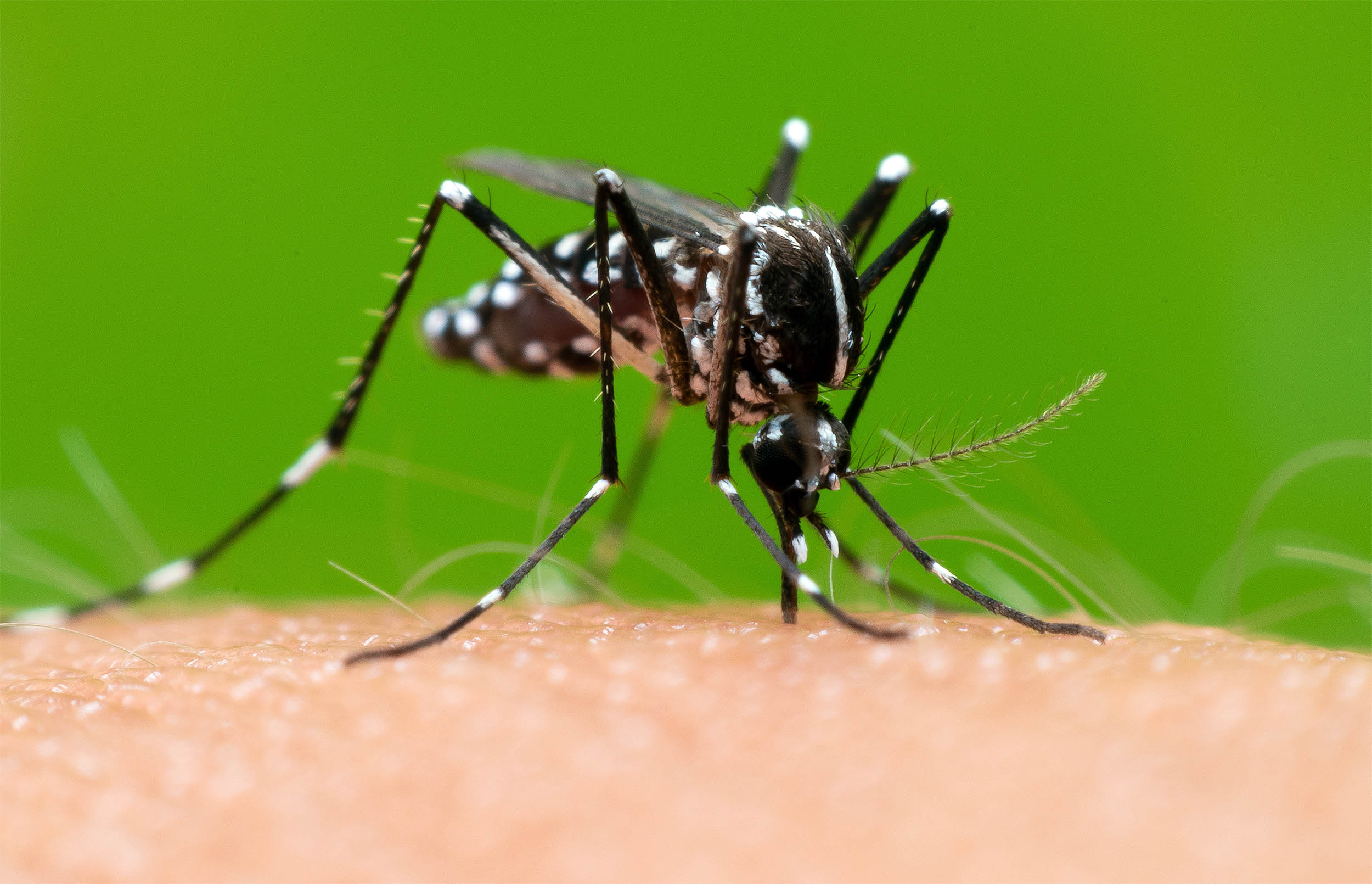
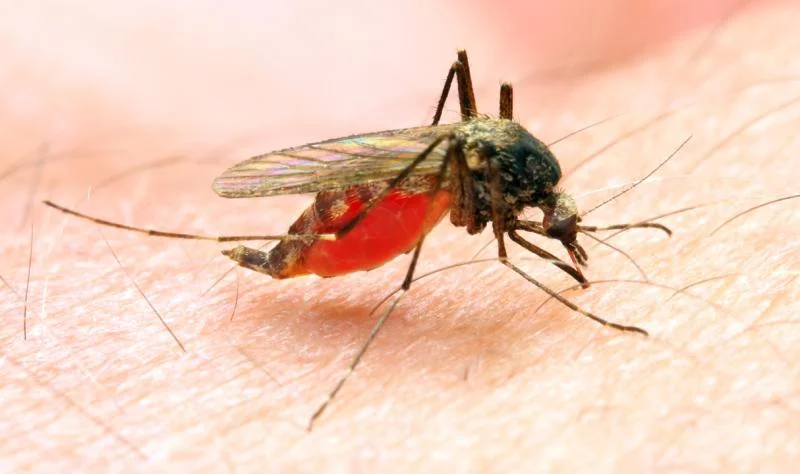
A study reveals that malaria-carrying mosquitoes use human scent, particularly volatile organic compounds and skin acids, as GPS-like signals to locate their hosts, with scent being the primary cue over heat and vision, which can inform new mosquito control strategies.
A new drug called GanLum shows promise as an effective alternative to artemisinin-based treatments for malaria, especially in areas facing resistance issues, potentially extending the lifespan of current therapies and saving lives.
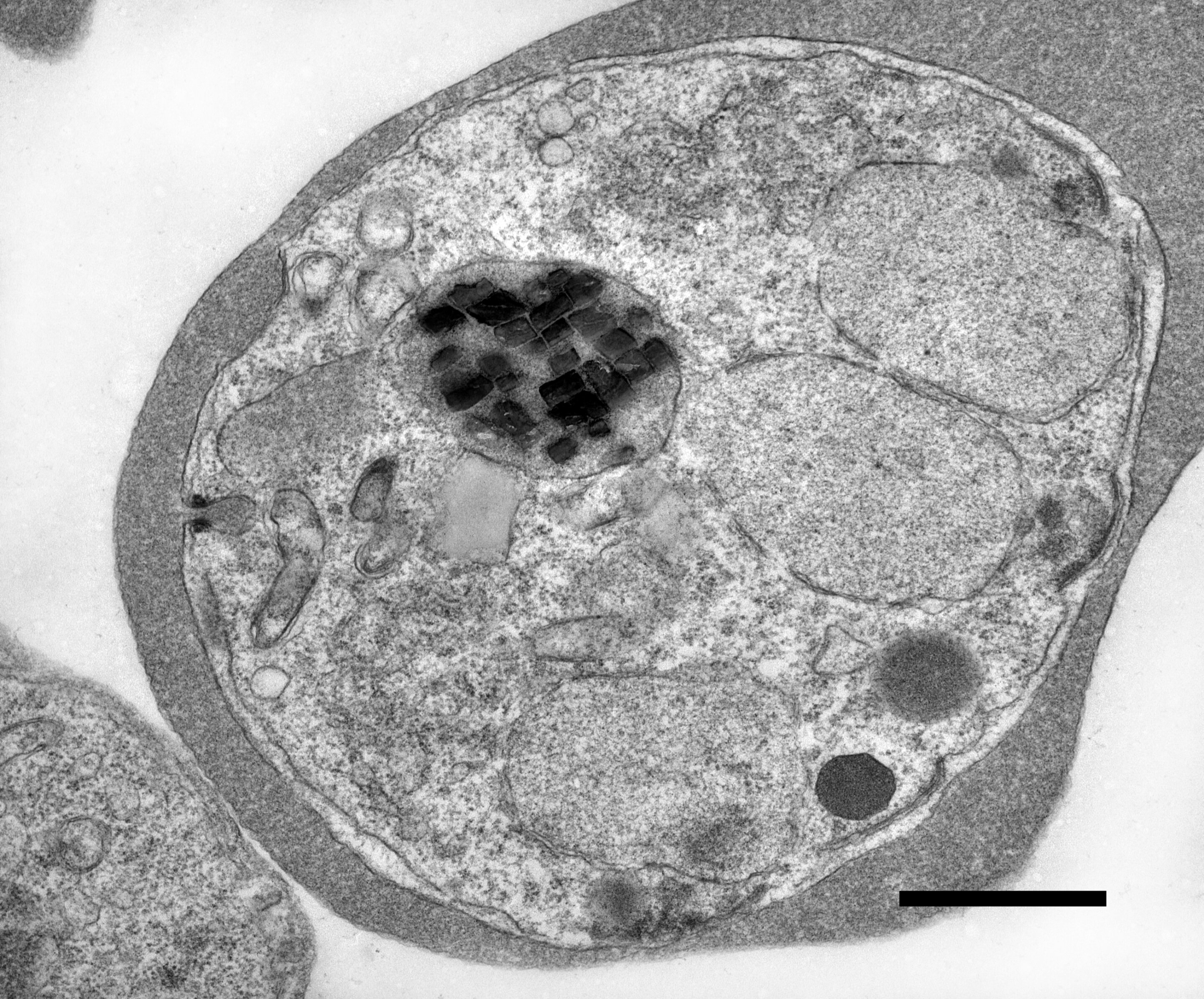
Scientists discovered that the spinning iron crystals inside malaria parasites are powered by a chemical reaction involving hydrogen peroxide, which may help the parasite manage toxic substances and could lead to new drug targets and nanotechnology applications.
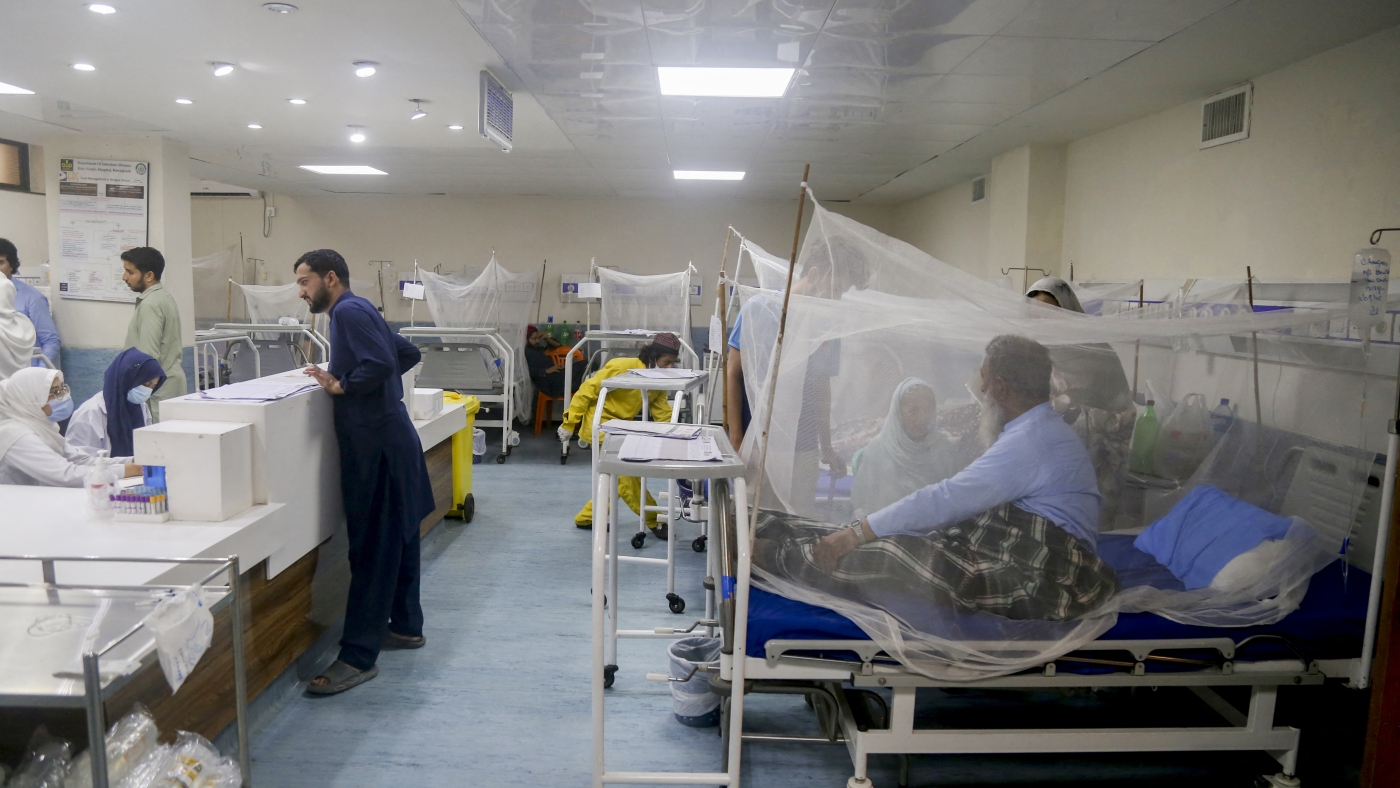
The article warns that cuts in global aid, particularly to malaria programs, threaten to cause a resurgence of malaria in Africa, potentially adding nearly a million deaths by 2030, with environmental changes and drug resistance exacerbating the crisis.
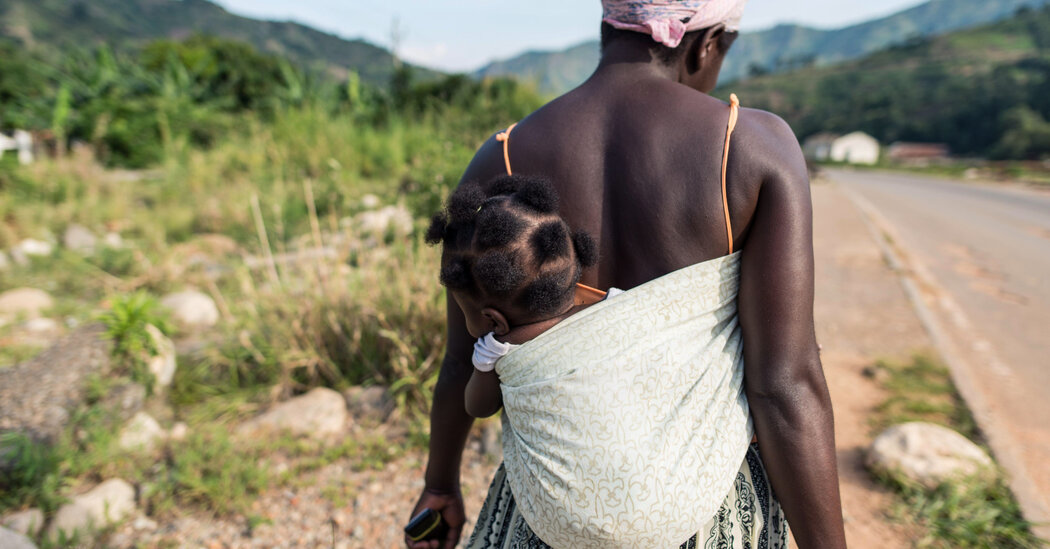
A study in Uganda found that treating baby wraps with mosquito repellent significantly reduced malaria infections in young children, offering a promising new method for disease prevention.
A new study warns that cuts in anti-malaria funding from wealthy countries could lead to the deadliest resurgence of the disease, causing millions of deaths and significant economic losses, especially in sub-Saharan Africa. The report emphasizes the importance of maintaining or increasing funding to prevent a catastrophic increase in cases and deaths, highlighting the role of international and private sector support in combating malaria.
The CDC reports the first locally acquired malaria cases in the US in 20 years, highlighting increased risks due to travel, climate change, and persistent mosquito vectors, with public health responses including mosquito control and public awareness efforts.
Researchers in Uganda found that treating baby wraps with permethrin significantly reduces malaria infection rates in infants, offering a promising new tool in malaria prevention beyond bed nets, with minimal side effects.
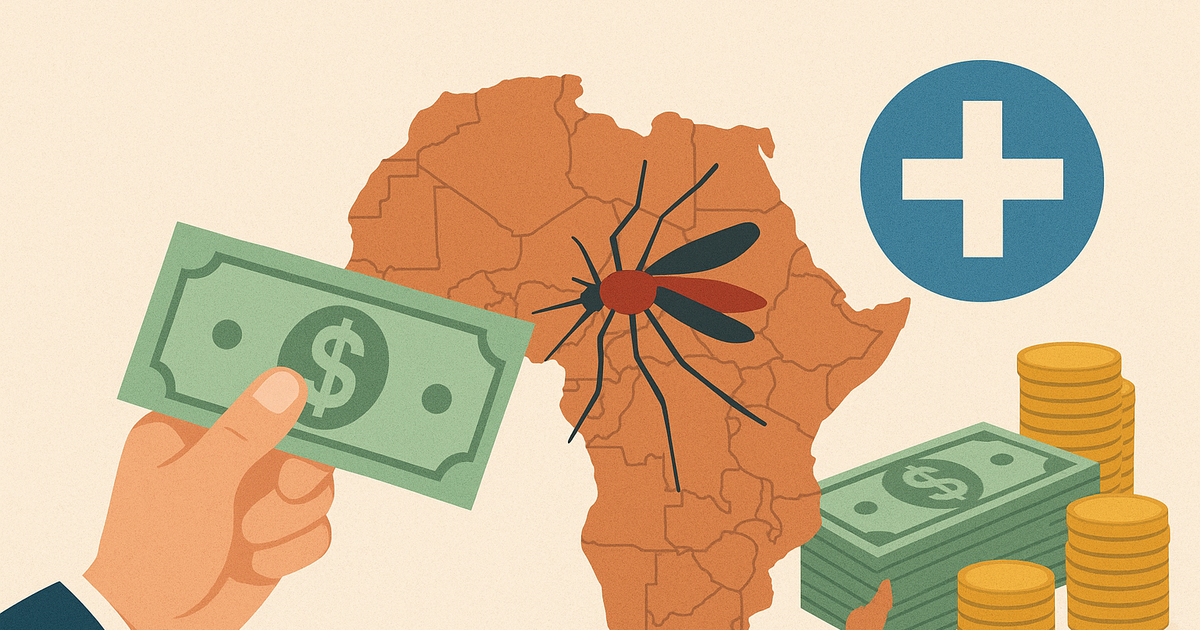
Malaria in Africa poses a significant economic threat to the US, with the disease causing $12 billion in annual losses to African economies and disrupting US businesses operating there, highlighting a lucrative opportunity for US investment in combating the disease.
Fox News anchor John Roberts, age 70, is battling a rare and severe case of malaria, a disease caused by a mosquito-borne parasite, which is unusual in the United States. He shared his health update on social media, and fans are sending well-wishes for his recovery.
Fox News anchor John Roberts was hospitalized with a severe case of malaria after returning from Indonesia, highlighting concerns about the spread of vector-borne diseases like malaria due to climate change, which is expanding the disease's transmission season even in traditionally cooler regions like New York City.
Fox News anchor John Roberts was hospitalized with a severe case of malaria, a mosquito-borne disease that can be life-threatening if not treated promptly. He experienced symptoms like uncontrollable shivering and widespread pain, initially mistaking them for the flu, but was diagnosed after a visit to the emergency room. Roberts mentioned he is likely the first malaria case his doctor has seen in the U.S., where about 2,000 cases are diagnosed annually.
Fox News' John Roberts was diagnosed with malaria after experiencing severe symptoms, including uncontrollable shivering and body aches, likely contracted during a vacation in Indonesia. He was hospitalized but is now recovering and expects to return to work soon.
Fox News anchor John Roberts was hospitalized with a severe case of malaria after experiencing body aches and uncontrolled shivering, likely contracted during a vacation in Indonesia. He is receiving IV treatment and hopes to return to work soon, emphasizing the seriousness of the illness.