Tag

Molecular Mechanisms

All articles tagged with #molecular mechanisms

science1 month ago

Decoding the Brain's Mechanisms for Memory Durability

Recent neuroscience research reveals that long-term memories are formed through a sequence of molecular timers across different brain regions, particularly involving the thalamus, cortex, and hippocampus. These timers regulate whether memories are stabilized or fade, with gene programs like Camta1, Tcf4, and Ash1l playing crucial roles. This understanding could lead to new treatments for memory-related diseases such as Alzheimer's.

science1 year ago

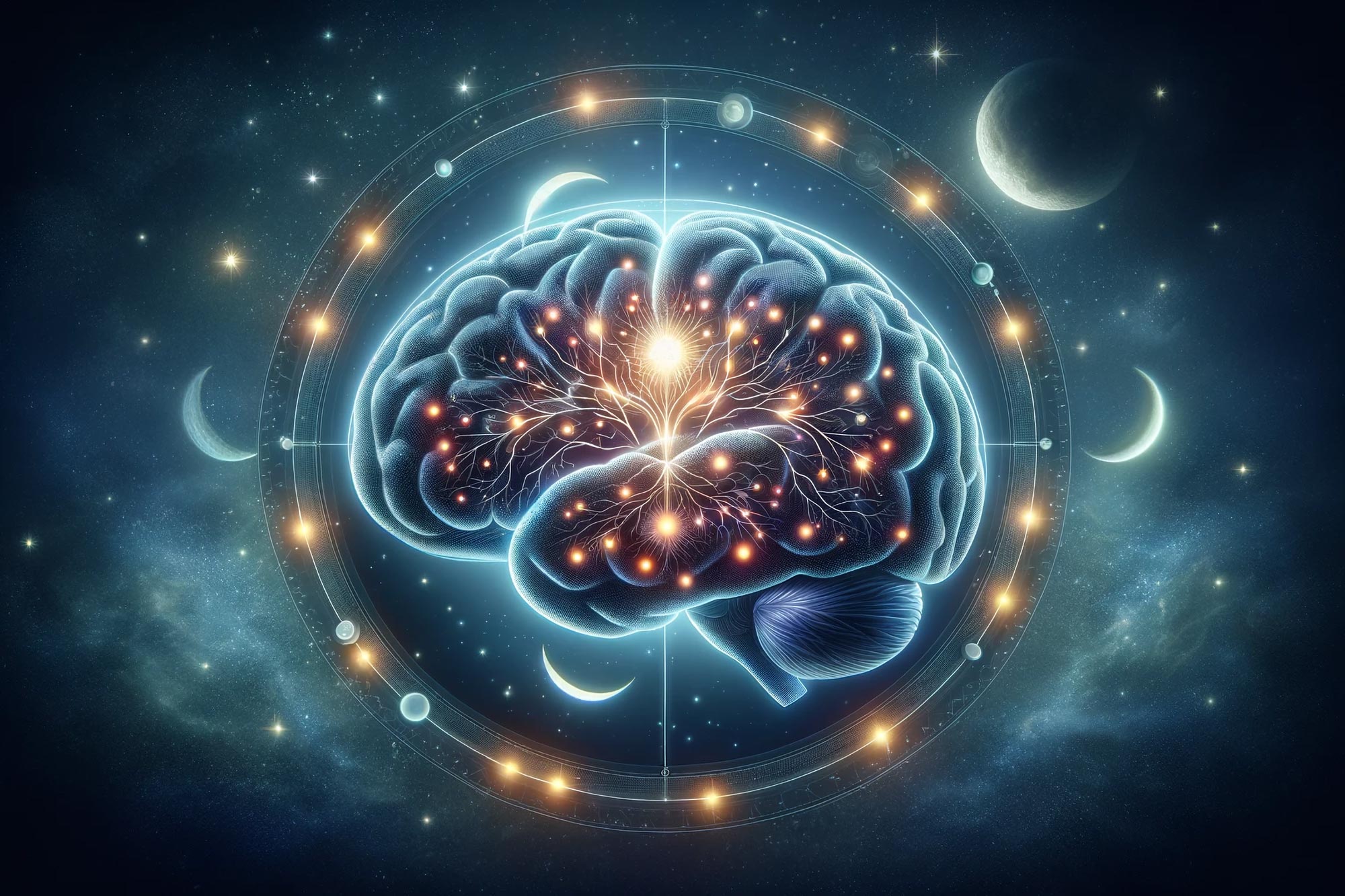
"Uncovering the Memory-Boosting Power of Melatonin"

Researchers from Sophia University have discovered the molecular mechanisms by which melatonin and its derivatives enhance long-term memory by modulating the phosphorylation of memory-related proteins in the brain. Using a murine model, the study found that melatonin, ramelteon, and N1-acetyl-5-methoxyquinuramine (AMK) enhanced long-term memory formation in male mice by affecting the phosphorylation levels of key proteins involved in memory. The findings could lead to the development of new treatments for age-related memory impairments, offering hope for improving memory function in an ageing global society.

biology1 year ago

Uncovering the Molecular Mechanisms of Mammalian Hibernation

A study published in eLife has revealed new insights into the molecular mechanisms underlying hibernation in mammals. The research suggests that myosin, a motor protein involved in muscle contraction, plays a role in non-shivering thermogenesis during hibernation. The study found that changes in the proportion of myosin in different resting states may contribute to reduced energy use during hibernation. The findings also indicate that small hibernating mammals experience increased ATP consumption during torpor, potentially as a response to cold exposure. Additionally, the study highlights the importance of further research into muscle samples from different areas of hibernating animals to validate these findings.

science2 years ago

"Unveiling the Link Between Circadian Clock Gene and Memory Formation"

A gene called Period 1, which is involved in regulating the body's circadian clock, has been found to play a role in memory formation. Researchers at Penn State discovered that mice exposed to a memory task during the day formed stronger long-term memories compared to those exposed at night. The study suggests that the gene Period 1 regulates memory consolidation across the day/night cycle, independent of its role in the circadian system. Understanding the molecular mechanisms of memory formation and the influence of time of day could help improve learning and address memory-related dysfunctions.

science2 years ago

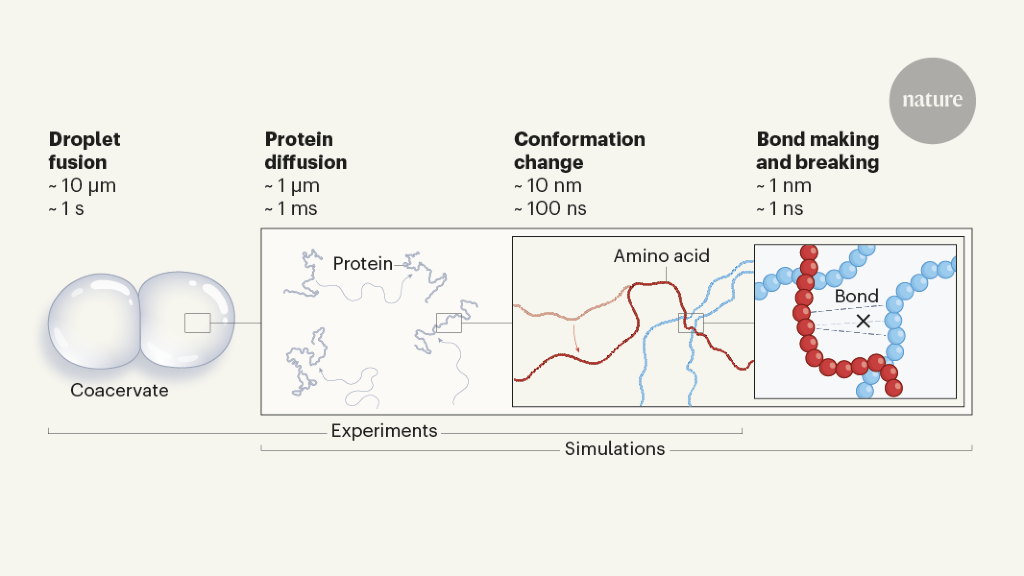
Unveiling the Secrets of Protein Droplets and Airborne Microorganisms

Researchers have combined spectroscopy techniques with computer simulations to study the dynamics of protein droplets known as coacervates. By investigating properties across multiple time and length scales, they aim to understand the molecular mechanisms behind the functions of these droplets, which play important roles in various biological processes.

neuroscience2 years ago

Unlocking the Brain's Learning Potential with Psychedelics

Psychedelic drugs have the unique ability to reopen "critical periods" in the brain, times when the brain is highly susceptible to environmental learning signals, according to a study by researchers at Johns Hopkins Medicine. The length of these reopened critical periods varies depending on the psychedelic drug used, ranging from 48 hours with ketamine to four weeks with ibogaine. The study also identified molecular mechanisms influenced by psychedelics, including 65 protein-producing genes that show expression differences during and after the critical period. This breakthrough in understanding psychedelic drug function may have therapeutic implications for conditions like stroke and deafness.

neuroscience2 years ago

Psychedelics Reopen Critical Learning Windows in the Brain.

A recent study by researchers at Johns Hopkins Medicine reveals that psychedelic drugs may be capable of reopening “critical periods” in the brain, when mammals are more receptive to learning from their environment. The effect varies in duration, from two days to four weeks, depending on the drug. This discovery offers potential applications in treating conditions like stroke and deafness, as well as providing insight into the functioning of these drugs and their impact on molecular mechanisms.

health2 years ago

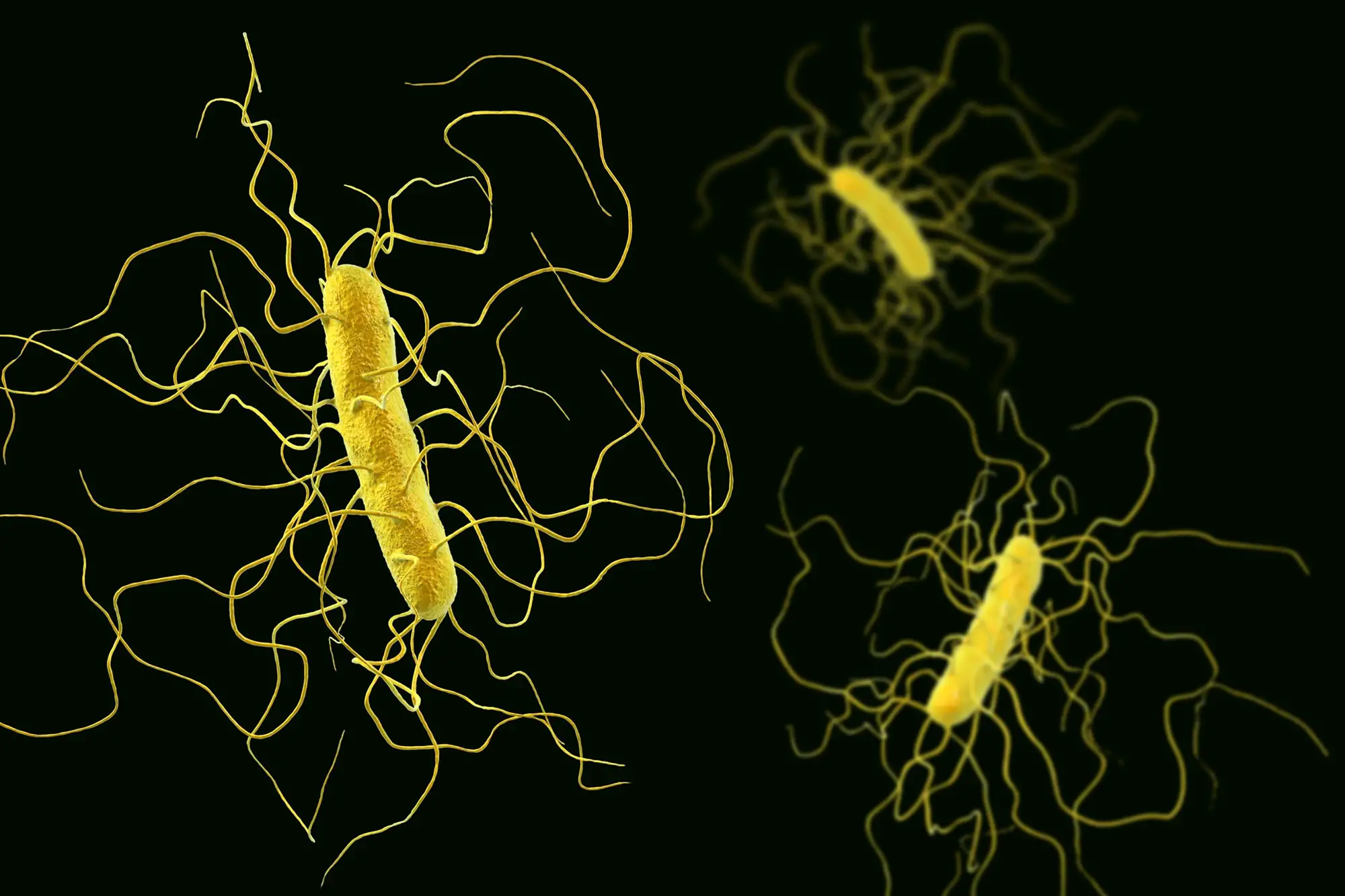
Uncovering the Molecular "Superpower" of Antibiotic-Resistant Bacteria.

Researchers from Lund University in Sweden have discovered two molecular mechanisms that make Clostridioides difficile (C. diff) bacteria extra resistant to antibiotics. The bacteria is naturally resistant to many antibiotics and can cause serious diarrheal infections. The study found that a novel protein conveys resistance to the class of antibiotics to which clindamycin belongs, and another factor chemically modifies the ribosome so that antibiotic molecules bind less tightly to it. The researchers used cryogenic electron microscopy to study the resistance mechanisms on a molecular level, which could pave the way for new treatment strategies against resistance and the infections that the bacteria cause.

science2 years ago

Uncovering the Secrets of Aging: From Molecular Mechanisms to Internal Organs.

Bioinformatics experts have identified RNA molecules that influence the activity of individual genes and determine which proteins the body produces, leading to physiological alterations that can impact the body's metabolism and aging process. The researchers hope to develop aging markers for certain organs by examining RNA molecules more closely, potentially opening up opportunities in biomedicine for developing innovative drug products that act at the messenger RNA level.

science2 years ago

Top Neuroscience Awards Recognize Pioneering Research on Brain Plasticity and Synaptic Plasticity.

Harvard Medical School neurobiologist Michael Greenberg, along with two other scientists, has won The Brain Prize 2023 for their research into brain plasticity. The prize is awarded annually by the Danish Lundbeck Foundation to researchers who have made highly original and influential discoveries in brain research. Greenberg's research focuses on understanding how the brain responds to signals from the outside world to modulate the activity of genes that make proteins essential for brain plasticity.