A study by the University of South Australia reveals that sleep significantly enhances language learning by coordinating brainwave patterns during NREM sleep. Participants who slept after learning a new language performed better than those who stayed awake, suggesting that sleep aids in memory consolidation. These findings could inform treatments for language impairments and improve educational strategies.
A study from the University of Copenhagen reveals that while adults learn new motor skills faster than children, children retain these skills better due to more effective sleep-driven memory consolidation. Adults' mature cognitive abilities contribute to quicker learning, but children benefit more from sleep, enhancing their skill retention. These findings have implications for skill training and rehabilitation strategies, suggesting that age-related differences in learning and memory processes should be considered in educational and therapeutic settings.
Researchers from Rice University and the University of Michigan have discovered that certain neurons in the hippocampus not only replay past experiences but also anticipate future events during sleep. By studying rats, they found that these neurons stabilize spatial representations and prepare for future tasks, highlighting the role of sleep in neuroplasticity and memory consolidation. This study, published in Nature, utilized advanced machine learning to track neuron activity and predict behavior, offering new insights into how the brain processes and stores information during sleep.
New research suggests that 24-month-olds have a superior ability to recall things they observed on a screen compared to 15-month-olds, particularly if they slept within four hours after the learning session. The duration of sleep during this period directly correlated with how well they remembered the content. The study sheds light on the effects of sleep on memory consolidation in infants and emphasizes the importance of understanding the complex relationships between sleep, memory, and media to provide evidence-based guidance to parents and practitioners.
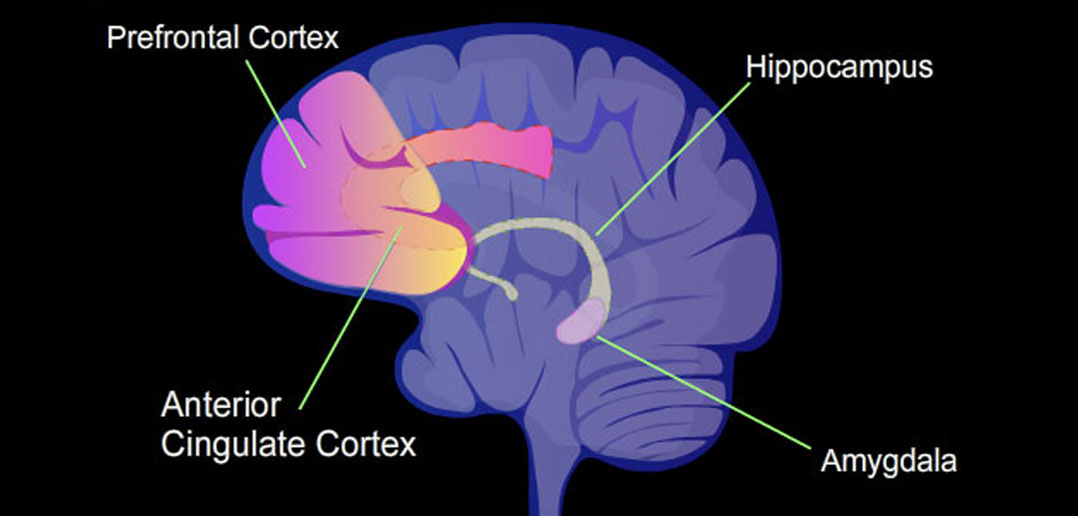
A new study published in Cell Press delves into how the brain consolidates emotional memories during sleep, focusing on the critical role of the hippocampus in integrating spatial and emotional aspects of memory. By analyzing rodent models, researchers found that different parts of the hippocampus have specialized roles in processing spatial and emotional memory, and that these regions interact during sleep to strengthen memories. While the study provides valuable insights, it primarily relies on rodent models and existing literature, potentially limiting its scope in capturing the complexity of human brain functions and emotions. Nonetheless, the findings open new avenues for understanding how our brains process and store memories, particularly those with emotional significance.
A recent study on mice suggests that daydreaming may have benefits for the brain, particularly in terms of learning and memory consolidation. The study found that during periods of daydreaming, the mice's neural activity resembled patterns seen when they were viewing images, and these reactivations predicted future plasticity in how the brain responds to stimuli. While the study was conducted on mice, it opens up opportunities for further research on daydreaming and its potential benefits in humans.
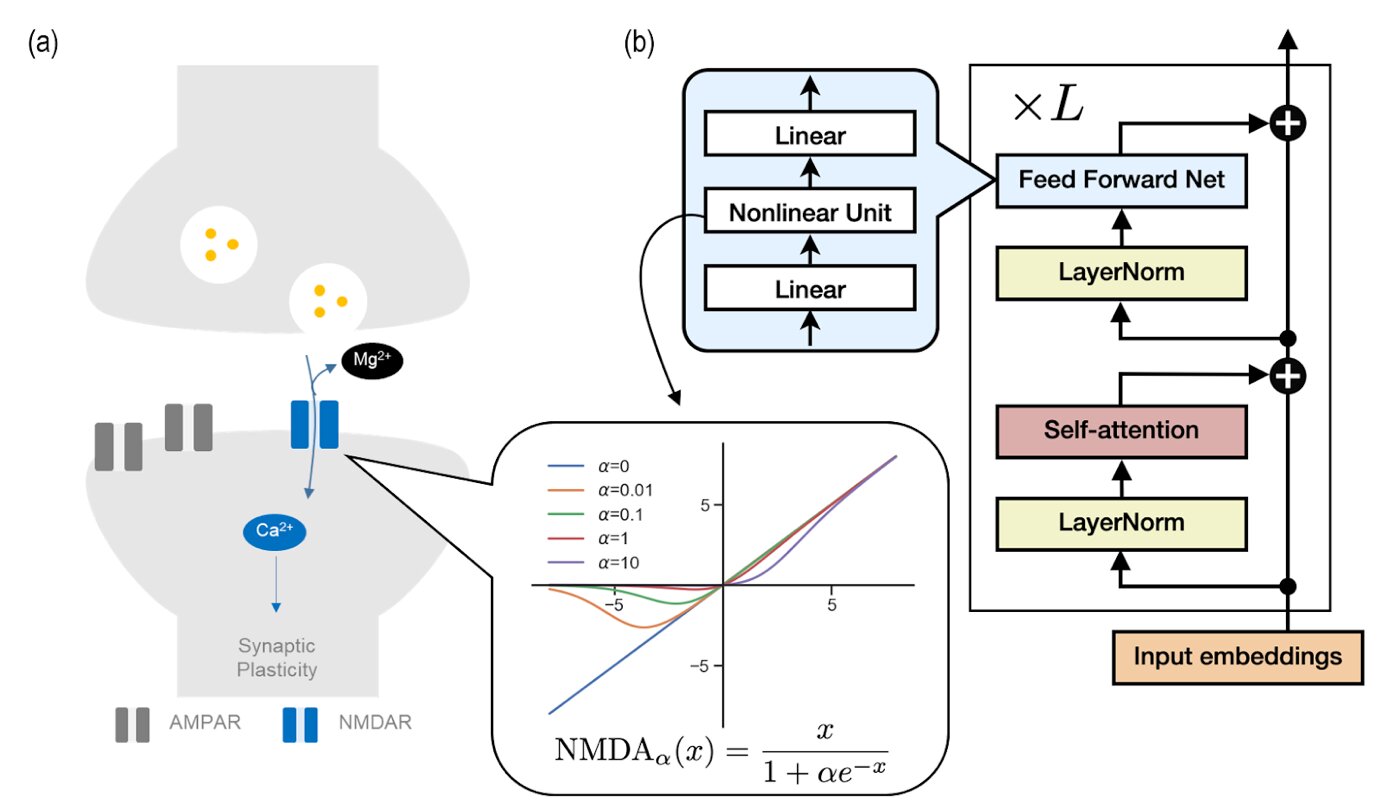
Researchers have discovered a striking similarity between AI memory processing in the Transformer model and the memory functions of the human brain's hippocampus. The study found that the Transformer model employs a gatekeeping process similar to the brain's NMDA receptor, which is crucial for memory consolidation. This research not only advances the development of Artificial General Intelligence (AGI) but also deepens our understanding of human memory mechanisms. The findings offer potential for developing more efficient, brain-like AI systems and shed light on the workings of the human brain through AI models.
Researchers have discovered a striking similarity between the memory processing of artificial intelligence (AI) models, specifically the Transformer model, and the hippocampus of the human brain. By applying principles of human brain learning, the team found that the Transformer model uses a gatekeeping process similar to the brain's NMDA receptor, which facilitates memory formation. Mimicking the NMDA receptor's gating process in the Transformer model led to enhanced memory, suggesting that AI models can learn using established knowledge in neuroscience. This research opens up possibilities for developing low-cost, high-performance AI systems that learn and remember information like humans, while also providing valuable insights into the workings of the brain through AI models.
A new study from Harvard suggests that daydreaming, or "quiet wakefulness," may play a crucial role in boosting neuroplasticity and learning. Researchers tracked brain activity in mice and found that during periods of rest, the mice's thoughts would drift back to previously seen images, leading to a process called "representational drift." This process influenced which neurons fired when the image was shown again, making the patterns of neurons increasingly distinct. The study suggests that daydreaming may help the brain distinguish between similar images and consolidate learning. It aligns with previous research showing that entering a state of "quiet wakefulness" after an experience can enhance learning and memory.
Women are more likely to suffer from sleep issues than men, which can have detrimental effects on their health and cognitive function. Insufficient sleep has been linked to heart disease, obesity, type 2 diabetes, and depression, as well as learning deficiencies. Sleep plays a crucial role in memory consolidation, with the brain sorting and storing information during sleep. Women, particularly those experiencing hormonal changes like menstruation, pre-menopause, and menopause, need to prioritize the quantity and quality of their sleep. Sufficient sleep is associated with improved learning, problem-solving, behavior performance, and memory retention. It also helps the brain forget unimportant details and stay focused. To improve sleep and learning, experts recommend sticking to a regular sleep schedule, creating a conducive sleep environment, avoiding screens before bed, and getting enough sleep before exams or study sessions.
REM sleep, also known as rapid eye movement sleep, is the stage of sleep where our brain activity is most likely to be recalled and reported when we're awake. It is believed to serve multiple purposes, including preventing us from sleeping too deeply, regulating body temperature, and consolidating memories and emotions. During REM sleep, our brain undergoes a deep-cleaning process, restoring chemicals and tidying up recent memories and feelings. Dreams during this stage may be a result of the brain's attempt to make sense of the day's activities. While the scientific understanding of the physiological aspects of REM sleep is good, the psychological and spiritual aspects of dreaming remain largely hidden.
A gene called Period 1, which is involved in regulating the body's circadian clock, has been found to play a role in memory formation. Researchers at Penn State discovered that mice exposed to a memory task during the day formed stronger long-term memories compared to those exposed at night. The study suggests that the gene Period 1 regulates memory consolidation across the day/night cycle, independent of its role in the circadian system. Understanding the molecular mechanisms of memory formation and the influence of time of day could help improve learning and address memory-related dysfunctions.
Researchers at HHMI's Janelia Research Campus and UCL propose a new theory of systems consolidation, suggesting that memories are consolidated in the neocortex only if they improve generalization. This mathematical neural network theory challenges the classical view that all memories move from the hippocampus to the neocortex over time. The amount of consolidation depends on how much of a memory can be generalized, rather than its age. The researchers used neural networks to reproduce experimental patterns that couldn't be explained by the classical view. Further experiments will test the theory's ability to predict memory consolidation and explore how the brain distinguishes predictable and unpredictable components of memories. Understanding memory consolidation can have implications for cognition, human health, and artificial intelligence.
Scientists have used electrical stimulation in the brains of epilepsy patients to investigate the relationship between brain activity and memory consolidation during sleep. They found that synchronizing the firing of neurons in the medial temporal lobe and neocortex through this stimulation improved memory consolidation, particularly for recognition memory tasks. The findings contribute to our understanding of memory processes and may have important implications for the development of interventions for memory disorders and dementia.
Elderly dogs with dementia appear to spend less time sleeping than those with healthy brains, according to a study by North Carolina State University. The research found that dogs with higher dementia scores took longer to fall asleep and spent less time sleeping. The study also found that dogs with a poorer performance on a memory task experienced shallower rapid eye movement sleep. The findings suggest that changes in sleep habits could be a sign of cognitive decline in older dogs. The researchers hope to follow dogs before and during progression of dementia to identify changes early on that might serve as predictors of future problems.