Tag

Long Term Memory

All articles tagged with #long term memory

Decoding the Brain's Mechanisms for Memory Durability

Originally Published 1 month ago — by ScienceDaily

Featured image for Decoding the Brain's Mechanisms for Memory Durability
Source: ScienceDaily

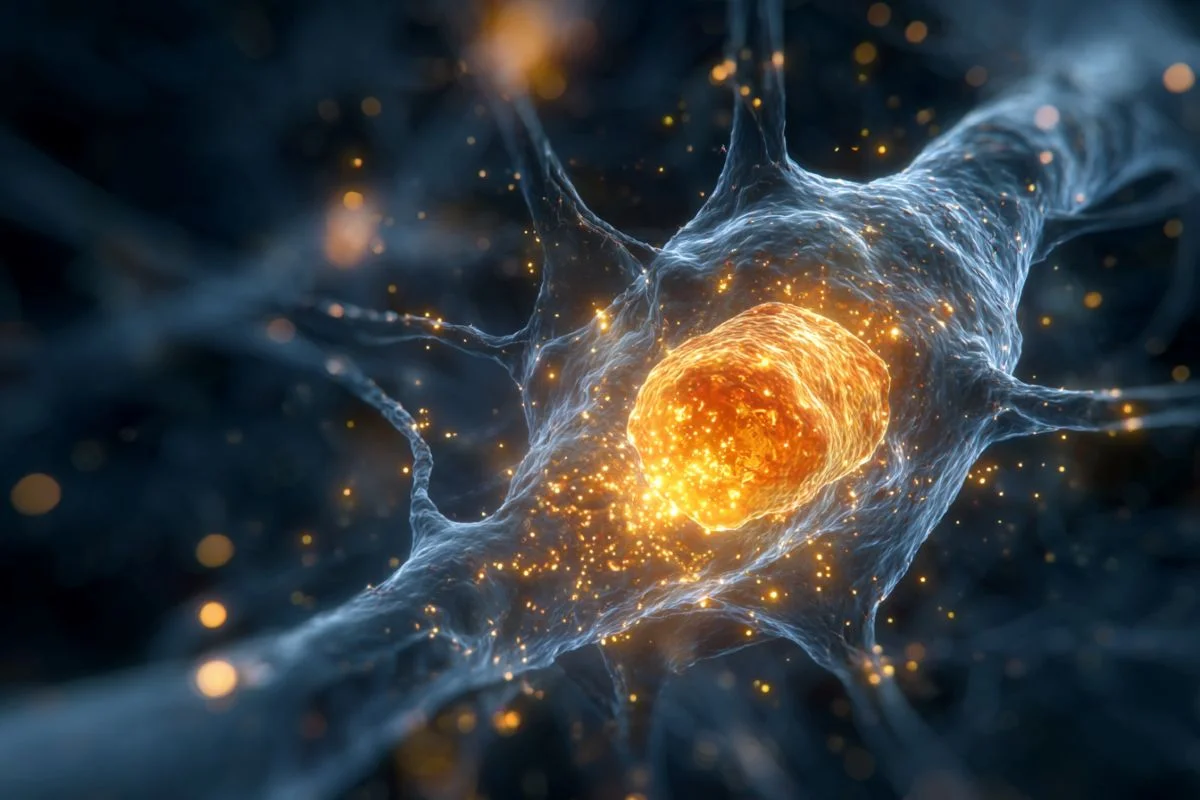
Recent neuroscience research reveals that long-term memories are formed through a sequence of molecular timers across different brain regions, particularly involving the thalamus, cortex, and hippocampus. These timers regulate whether memories are stabilized or fade, with gene programs like Camta1, Tcf4, and Ash1l playing crucial roles. This understanding could lead to new treatments for memory-related diseases such as Alzheimer's.

Falkland Falcons Redefine Bird Intelligence and Curiosity

Originally Published 1 year ago — by IFLScience

Featured image for Falkland Falcons Redefine Bird Intelligence and Curiosity
Source: IFLScience

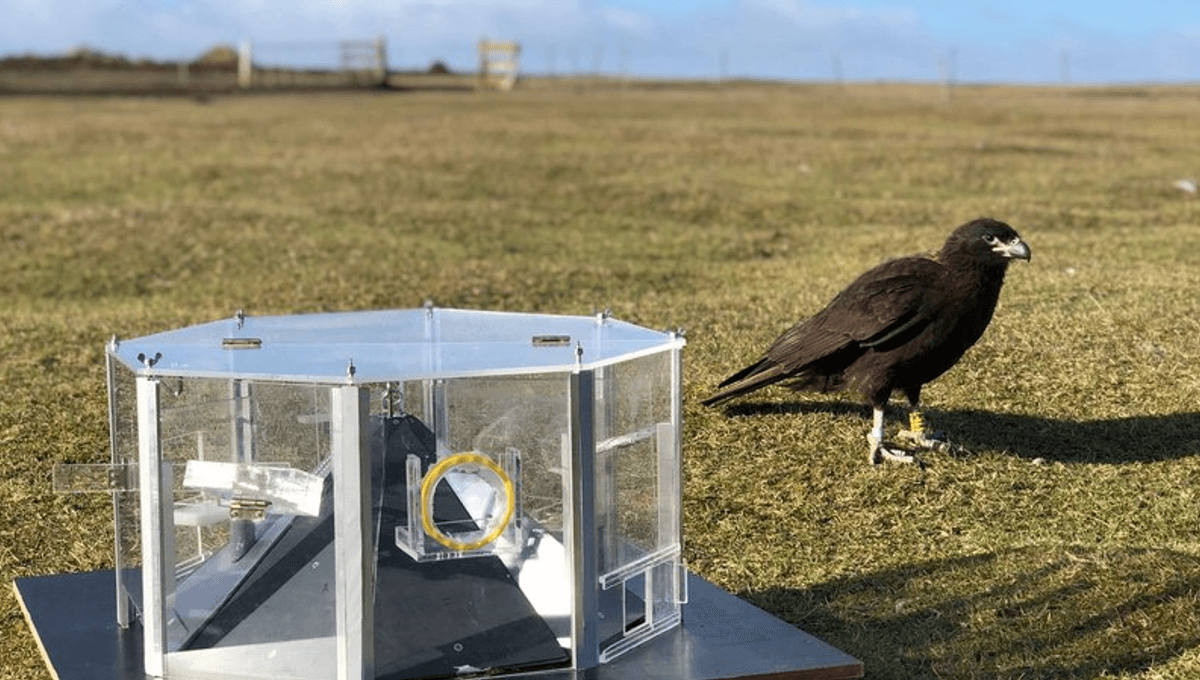
Researchers have discovered that striated caracaras, a rare bird of prey from the Falkland Islands, exhibit remarkable problem-solving skills and long-term memory. These birds quickly learned to solve puzzle boxes for food and retained these skills a year later, demonstrating intelligence comparable to that of crows and parrots. The study highlights the caracaras' adaptability and intelligence, suggesting that such cognitive abilities are more widespread among birds than previously acknowledged.

"DNA Damage and Memory Formation: New Study Reveals Key Process"

Originally Published 1 year ago — by ThePrint

Featured image for "DNA Damage and Memory Formation: New Study Reveals Key Process"
Source: ThePrint

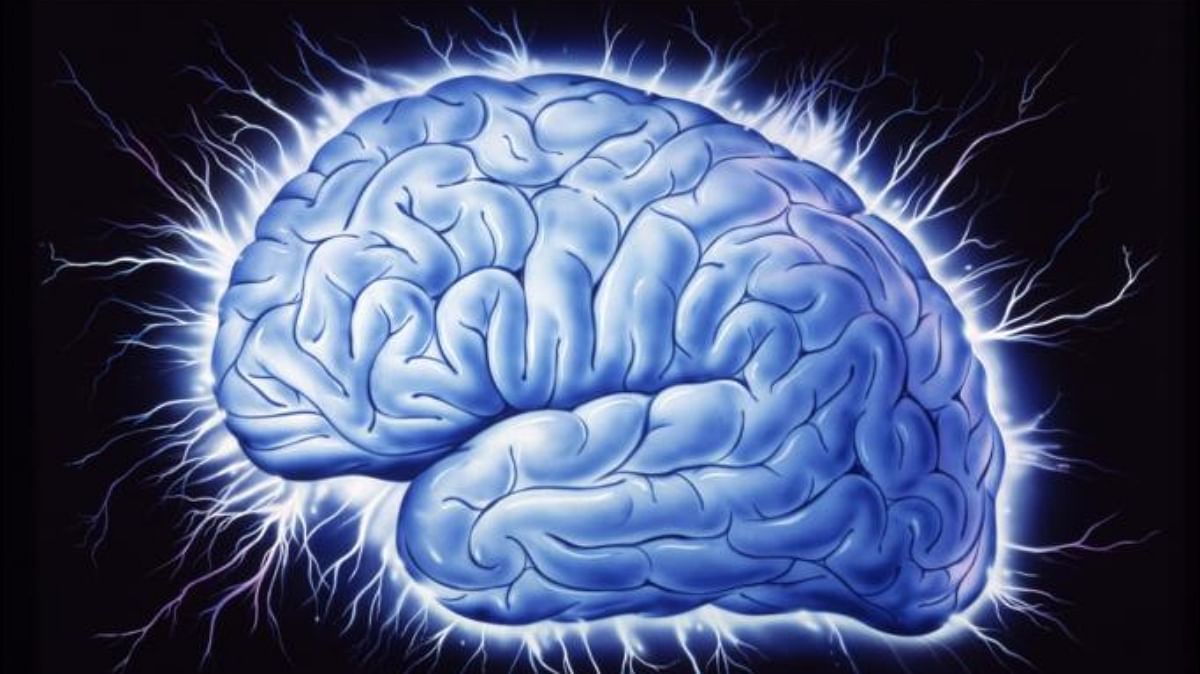
A study conducted on adult mice by scientists from the Albert Einstein College of Medicine in New York has found that DNA damage and subsequent repair in the brain play a crucial role in cementing long-term memories. The study reveals that strong electric pulses cause DNA breaks in neurons, triggering an immune response and inflammation, which ultimately aids in repairing the damage and forming long-term memories. This association between DNA damage and memory has implications for understanding neurodegenerative diseases like Alzheimer's, suggesting that malfunction in the DNA repair process may contribute to the progression of such conditions.

"Enhanced Memory Feature: ChatGPT and Gemini Now Remember Your Conversations"

Originally Published 1 year ago — by Lifehacker

Featured image for "Enhanced Memory Feature: ChatGPT and Gemini Now Remember Your Conversations"
Source: Lifehacker

OpenAI is experimenting with adding long-term memory to its ChatGPT AI chatbot, allowing it to recall user preferences and information between conversations. Users will have control over personalization settings, including the ability to view, delete, or clear memories. The goal is for memories to evolve with interactions without being linked to specific conversations, and users can also engage in "Temporary Chats" that don't record anything. OpenAI is providing these controls to ensure privacy and safety standards keep up with ChatGPT's advancements.

"OpenAI Enhances ChatGPT with Long-Term Conversation Memory"

Originally Published 1 year ago — by Ars Technica

Featured image for "OpenAI Enhances ChatGPT with Long-Term Conversation Memory"
Source: Ars Technica

OpenAI is experimenting with adding long-term memory to ChatGPT, allowing it to recall details between conversations. This feature is currently being tested with a small number of users and could have applications in various scenarios, such as team collaboration and personalized interactions. However, it raises privacy concerns, as user-provided information may be stored and used for training unless specific criteria are met. Users will have control over what ChatGPT remembers through a "Manage Memory" interface, and the broader rollout of this feature is expected soon.

Primate Memory: Apes Retain Recognition of Peers for Over 25 Years

Originally Published 2 years ago — by The New York Times

Featured image for Primate Memory: Apes Retain Recognition of Peers for Over 25 Years
Source: The New York Times

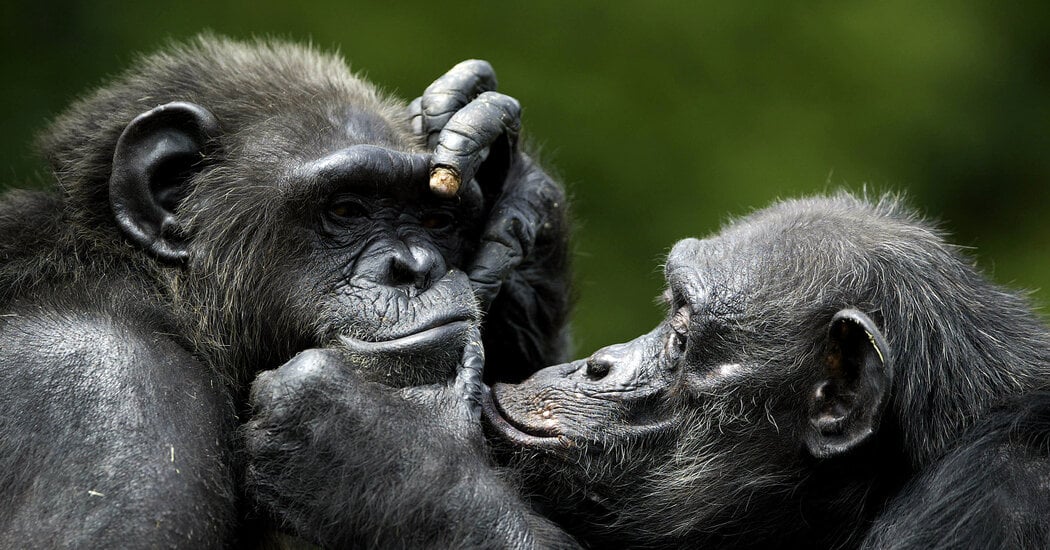
A study conducted on chimpanzees and bonobos has shown that these apes can recall the faces of other apes that they have not seen for years, with one bonobo recognizing a face after 26 years, setting a record for facial memory beyond our species. The apes consistently spent more time looking at their former companions, suggesting the presence of long-term memories. The researchers speculate that these durable memories may benefit the apes by allowing them to form alliances with old acquaintances encountered years later. The study also hints at the possibility of positive experiences strengthening these memories. The findings suggest that long-lived memories may have been vital to our own evolution as humans.

Prior Training and Exercise: Powerful Defense Against Cognitive Decline

Originally Published 2 years ago — by SciTechDaily

Featured image for Prior Training and Exercise: Powerful Defense Against Cognitive Decline
Source: SciTechDaily

Prior training in rats has been found to enhance memory functions and task performance in old age, suggesting the potential benefits of early cognitive training in reducing cognitive decline later in life. A recent study conducted by researchers from the University of Edinburgh explored the impact of prior training on cognitive aging and found that it improved cognition by facilitating task performance, strengthening short-term and intermediate memory, and enabling encoding-boosted long-term memory. The study suggests that there is a selective impairment in encoding for long-term memory formation in early aging and an additional impairment in consolidation in later aging. These findings provide insights into the processes affected by aging and highlight the importance of cognitive training for maintaining cognitive function in old age.

Vascular Cells Unveiled as Key Players in Long-Term Memory Formation

Originally Published 2 years ago — by Newsweek

Featured image for Vascular Cells Unveiled as Key Players in Long-Term Memory Formation
Source: Newsweek

Neuroscientists in New York have discovered that pericytes, a type of structural cell that wraps around blood vessels, may play a crucial role in the formation and storage of long-term memories. This breakthrough could provide new insights into neurodegenerative diseases like Alzheimer's, which affect millions of people worldwide. The study found that pericytes produce a protein called insulin-like growth factor 2 (IGF2) in response to brain activity, and when this gene was removed from the pericytes, the animals' long-term memories were significantly impaired. Further research in this area could lead to the development of new treatments for memory-related afflictions.

How Memories Aid in Identifying Significant New Experiences

Originally Published 2 years ago — by Quanta Magazine

Featured image for How Memories Aid in Identifying Significant New Experiences
Source: Quanta Magazine

A new study published in Science Advances has found that established memories make snails more likely to form new long-term memories of related future events that they might otherwise have ignored. The study examined how past learning influences future learning and discovered a simple mechanism that alters a snail's perception of those events. The researchers concluded that the strong training pushed the snails into a "learning-rich" period in which the threshold for memory formation was lower, enabling them to learn things they otherwise would not have.

The Role of Memory in Learning and Memory Retention.

Originally Published 2 years ago — by Neuroscience News

Featured image for The Role of Memory in Learning and Memory Retention.
Source: Neuroscience News

Short-term motor memories, lasting less than a minute, are more important for relearning movements than long-term ones, according to a new study by Harvard researchers. The study challenges conventional thinking on the role of short and long-term memories in relearning motor skills, indicating the existence of mechanisms for regulating the learning rates for memories that are distinct from the memories themselves. Understanding short-term motor memories is crucial, as they could be just as vital as long-term ones for executing actions effectively.