Tag

Clostridioides Difficile

All articles tagged with #clostridioides difficile

Study finds common cleaner ineffective against deadly superbugs

Originally Published 2 years ago — by New York Post

Featured image for Study finds common cleaner ineffective against deadly superbugs
Source: New York Post

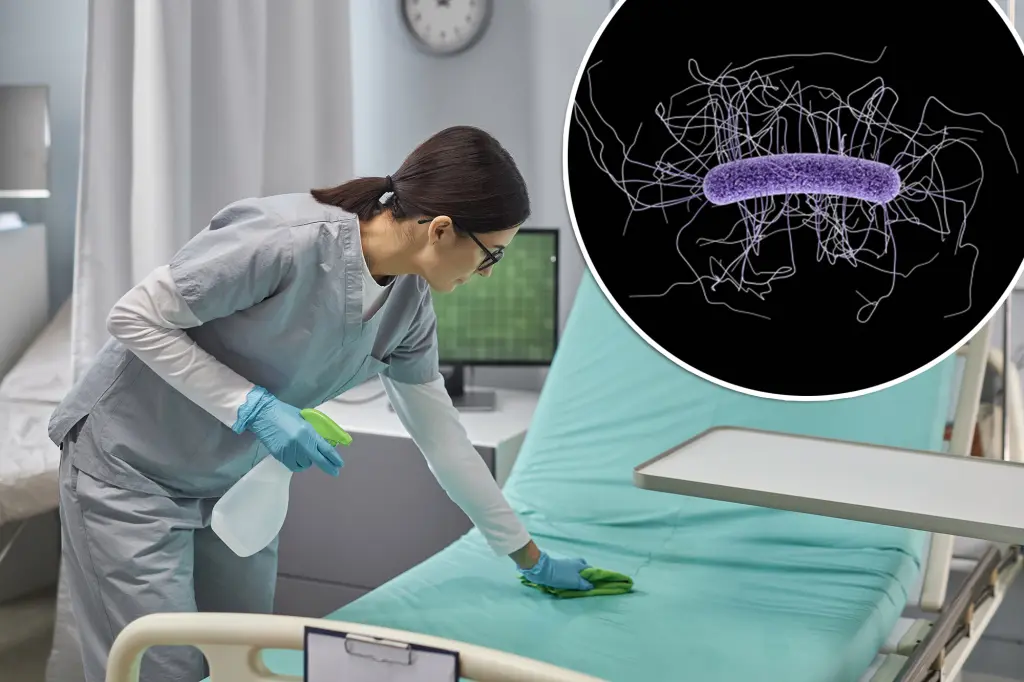
Common hospital cleaners, including bleach and chlorine chemicals, are ineffective in killing the deadly superbug Clostridioides difficile (C. diff), according to a study by the University of Plymouth. The rise in antimicrobial resistance (AMR) globally has made these cleaners less effective, posing a threat to human health. The research also found that C. diff spores can survive on personal protective equipment and hospital wear, highlighting the need for improved disinfection protocols in healthcare settings.


Study Debunks Effectiveness of Chlorine Disinfectant in Killing Hospital Superbugs

Originally Published 2 years ago — by Phys.org

Featured image for Study Debunks Effectiveness of Chlorine Disinfectant in Killing Hospital Superbugs
Source: Phys.org

A study by the University of Plymouth has found that chlorine disinfectants commonly used in hospitals are no more effective than water at killing off spores of Clostridioides difficile (C. diff), the most common cause of antibiotic-associated sickness in healthcare settings. The research highlights the potential risk of contracting the superbug in clinical environments and calls for urgent research to find alternative strategies for disinfecting C. diff spores. With antimicrobial resistance on the rise, the study emphasizes the need for disinfectants and guidelines that are fit for purpose and work in line with bacterial evolution. C. diff causes diarrhea, colitis, and other bowel complications, infecting millions of people worldwide each year.

"Fighting Nutritional Immunity: Clostridioides difficile's Ferrosome Organelles"

Originally Published 2 years ago — by Nature.com

Featured image for "Fighting Nutritional Immunity: Clostridioides difficile's Ferrosome Organelles"
Source: Nature.com

Researchers have discovered that the bacterium Clostridioides difficile, which causes severe gastrointestinal infections, possesses specialized organelles called ferrosomes that help it combat nutritional immunity. Nutritional immunity is a host defense mechanism that restricts the availability of essential nutrients, such as iron, to invading pathogens. The ferrosomes in C. difficile sequester iron and protect it from host proteins that would otherwise limit its availability. This finding sheds light on the strategies bacteria employ to acquire iron and survive in the host environment, and may lead to the development of new therapeutic approaches for C. difficile infections.

Unfortunate Woman's New Cat Leads to Unprecedented Medical Mystery

Originally Published 2 years ago — by Gizmodo

Featured image for Unfortunate Woman's New Cat Leads to Unprecedented Medical Mystery
Source: Gizmodo

A woman's newly adopted cat may have transmitted a bacterial germ, Clostridioides difficile (C. diff), to her, causing months of recurrent diarrhea. This case report suggests the possibility of cat-to-human transmission of the infection, which is typically associated with disruption of the gut microbiota. While the exact transmission chain remains unclear, this case highlights the need for further research on the role of pets and animals in the spread of C. diff, potentially posing a public health threat beyond hospitals.

Uncovering the Unexpected Source of a Lethal Hospital Infection

Originally Published 2 years ago — by Futurity: Research News

Featured image for Uncovering the Unexpected Source of a Lethal Hospital Infection
Source: Futurity: Research News

A new study suggests that deadly Clostridioides difficile infections in hospitals may originate from within the infected patients themselves, rather than from transmission between patients. The study found little evidence of transmission between patients, indicating that those already colonized with C. diff were at a greater risk of developing an infection. While hospital infection prevention measures are still necessary, the study highlights the need to identify and prevent infection in colonized patients. Researchers are exploring the use of AI models to predict patients at risk of C. diff infection for more focused intervention.

Unveiling the Prevalence and Origins of Deadly Hospital Infections

Originally Published 2 years ago — by Medical Xpress

Featured image for Unveiling the Prevalence and Origins of Deadly Hospital Infections
Source: Medical Xpress

A study published in Nature Medicine suggests that the high burden of Clostridioides difficile (C. diff) infections in hospitals may be more related to characteristics of the patients themselves rather than hospital transmission. The study found little evidence of transmission between patients, indicating that those already colonized with C. diff were at a greater risk of developing an infection. The researchers emphasize the need for improved identification of colonized patients and targeted interventions to prevent infections. The study also highlights the importance of optimizing antibiotic use and identifying other triggers that lead to serious infections.

Uncovering the Molecular "Superpower" of Antibiotic-Resistant Bacteria.

Originally Published 2 years ago — by SciTechDaily

Featured image for Uncovering the Molecular "Superpower" of Antibiotic-Resistant Bacteria.
Source: SciTechDaily

Researchers from Lund University in Sweden have discovered two molecular mechanisms that make Clostridioides difficile (C. diff) bacteria extra resistant to antibiotics. The bacteria is naturally resistant to many antibiotics and can cause serious diarrheal infections. The study found that a novel protein conveys resistance to the class of antibiotics to which clindamycin belongs, and another factor chemically modifies the ribosome so that antibiotic molecules bind less tightly to it. The researchers used cryogenic electron microscopy to study the resistance mechanisms on a molecular level, which could pave the way for new treatment strategies against resistance and the infections that the bacteria cause.

FDA approves groundbreaking fecal transplant pill for gut health.

Originally Published 2 years ago — by Livescience.com

Featured image for FDA approves groundbreaking fecal transplant pill for gut health.
Source: Livescience.com

The FDA has approved the first pill made from donated human feces, called Vowst, as a preventive treatment for recurrent infections with the bacterium Clostridioides difficile. The pill contains live bacteria and is taken orally, unlike the previously approved enema-based treatment. Antibiotics can disrupt the balance of bacteria in the gut, leading to C. diff infections. Fecal microbiota products offer a new way to prevent recurrent C. diff by replenishing the gut microbiome. The Vowst treatment regimen involves taking four capsules once a day for three days in a row, starting two to four days after finishing a course of antibiotics for C. diff.

FDA Approves First Oral Microbiome Therapy for C. difficile Infections

Originally Published 2 years ago — by FDA.gov

Featured image for FDA Approves First Oral Microbiome Therapy for C. difficile Infections
Source: FDA.gov

The FDA has approved Vowst, the first orally administered fecal microbiota product, for the prevention of recurrence of Clostridioides difficile infection in individuals 18 years and older. CDI is a common healthcare-associated infection in the US and is associated with 15,000 to 30,000 deaths annually. Vowst contains live bacteria and is manufactured from human fecal matter that has been donated by qualified individuals. The dosing regimen is four capsules taken once a day, orally, for three consecutive days.