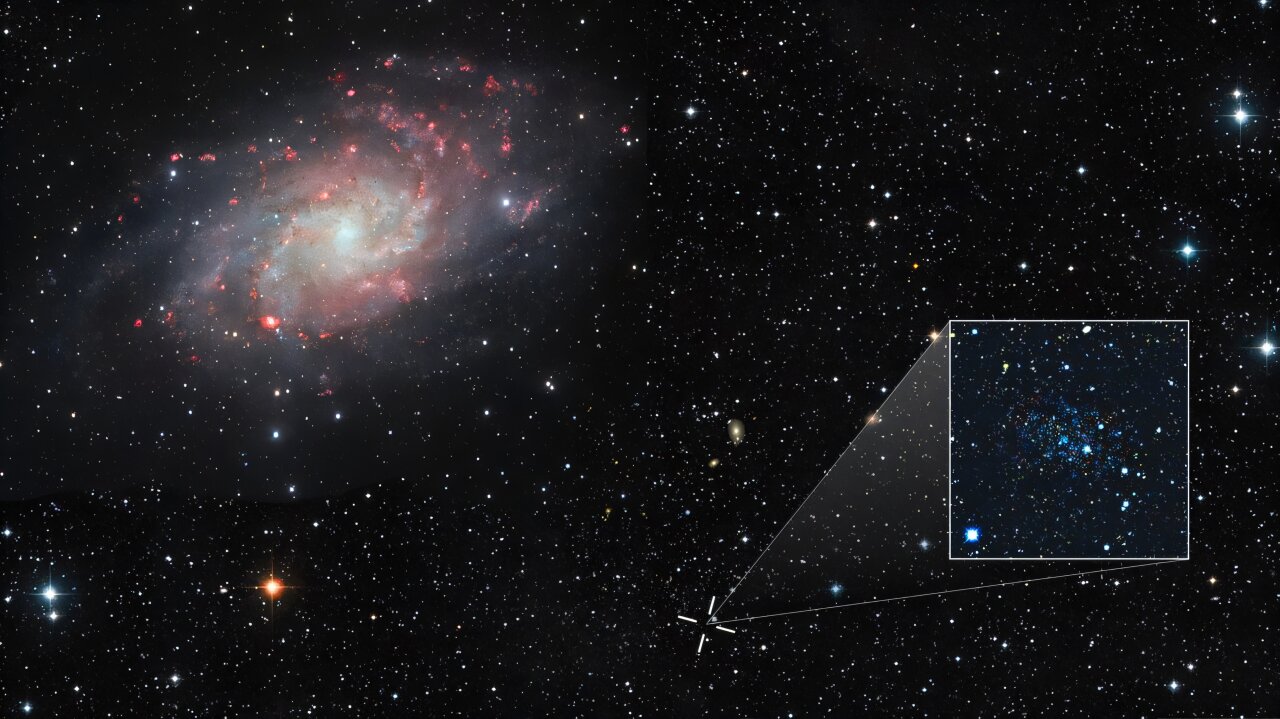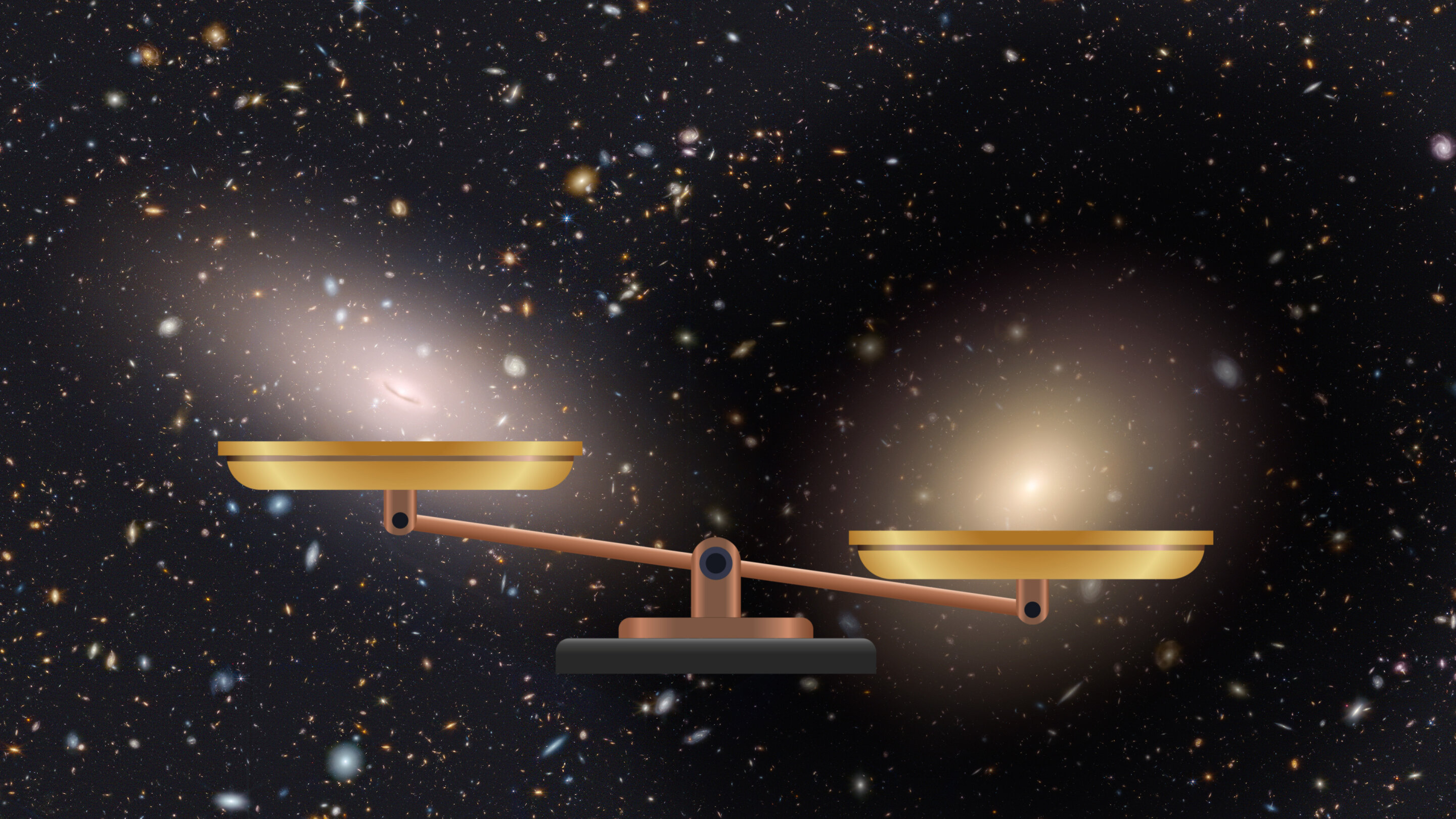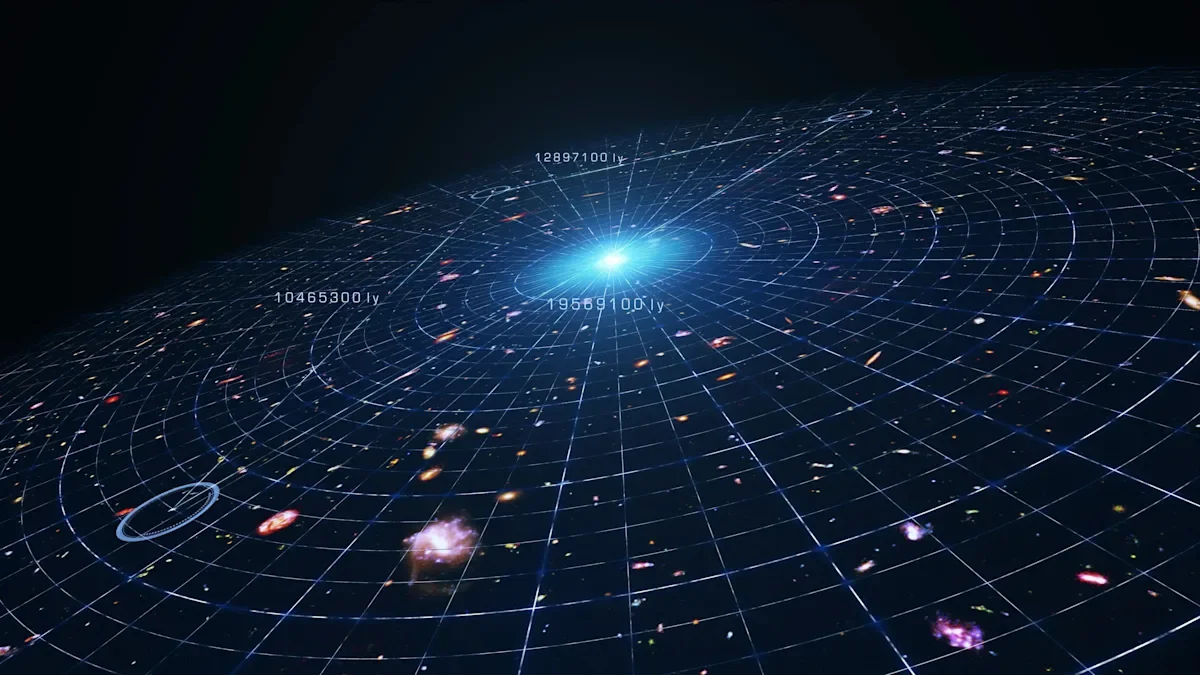
A study analyzing the smallest and faintest galaxies supports the presence of dark matter over modified gravity theories like MOND, showing that their gravitational behavior cannot be explained by visible matter alone and challenging previous assumptions about galaxy dynamics.
Martín López-Corredoira challenges the mainstream cosmological model that relies on dark matter, arguing that there is no evidence for an elusive dark matter particle and suggesting alternative explanations like modified gravity and baryonic matter. The article reviews the history of dark matter detection and criticizes the focus on the Big Bang and related phenomena, proposing that the universe could be understood without these unobserved components.
Recent research using data from the Dark Energy Spectrometer (DESI) suggests that dark energy may not be a static cosmological constant, but rather exhibits dynamic behavior, supporting the quintom-B model. This study, led by Professor Yi-Fu Cai, utilized baryon acoustic oscillation data to reconstruct the universe's background evolution, revealing that dark energy's equation-of-state parameter changes over time. The findings challenge traditional views and align with modified gravity theories, potentially reshaping our understanding of the universe's accelerated expansion.
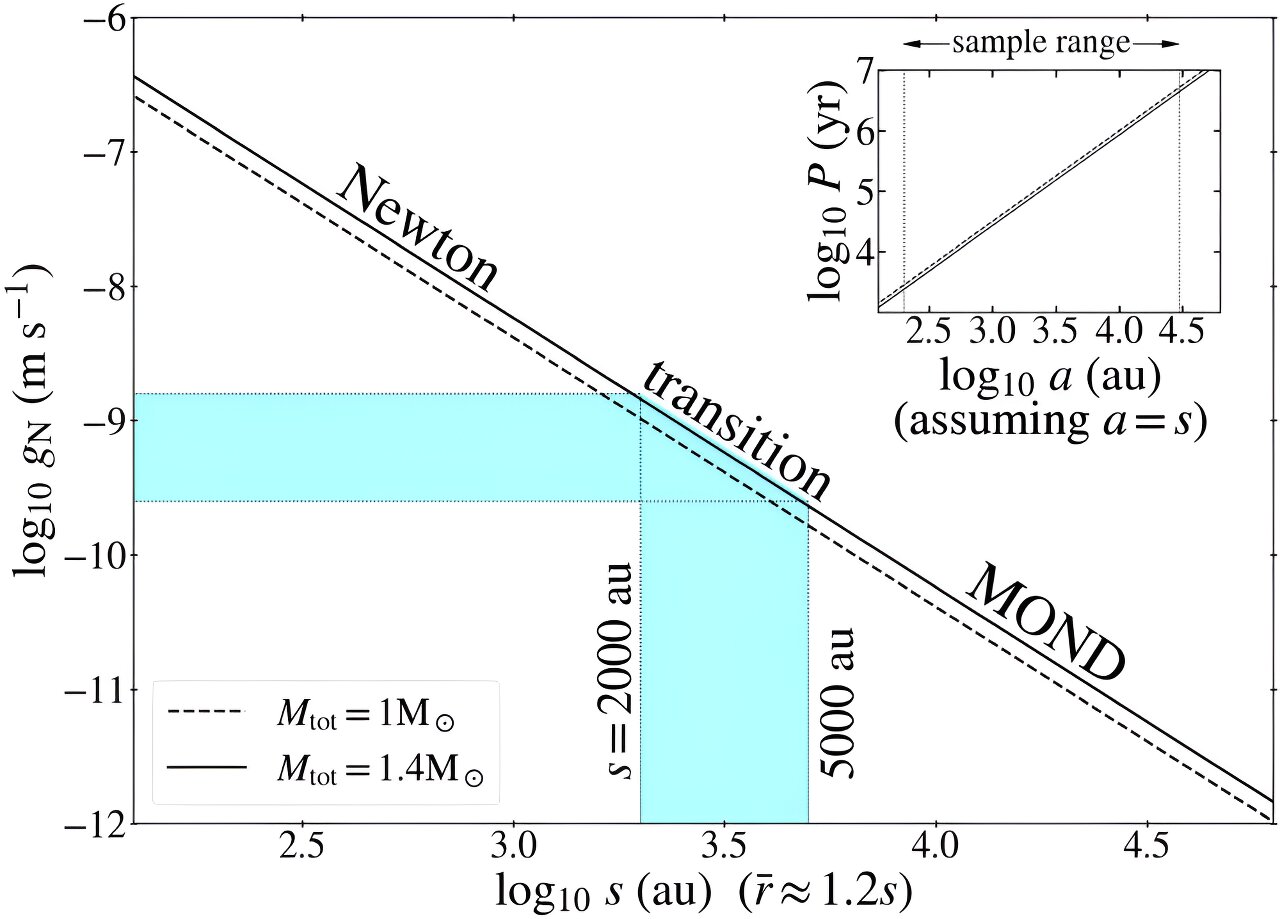
A new paper supports the hypothesis of MOdified Newtonian Dynamics (MOND) by claiming that pairs of widely separated binary stars show a deviation from Newton's Second Law, suggesting that gravity is stronger than predicted at very low levels. However, the hypothesis is heavily disputed within the scientific community, with astrophysicists and cosmologists undecided on whether the data supports or discourages MOND. While research on MOND continues, it remains an unpopular field, and the overall trend in astronomical publication counts is increasing, with the "MOG" type of "MOdified Gravity" gaining popularity.
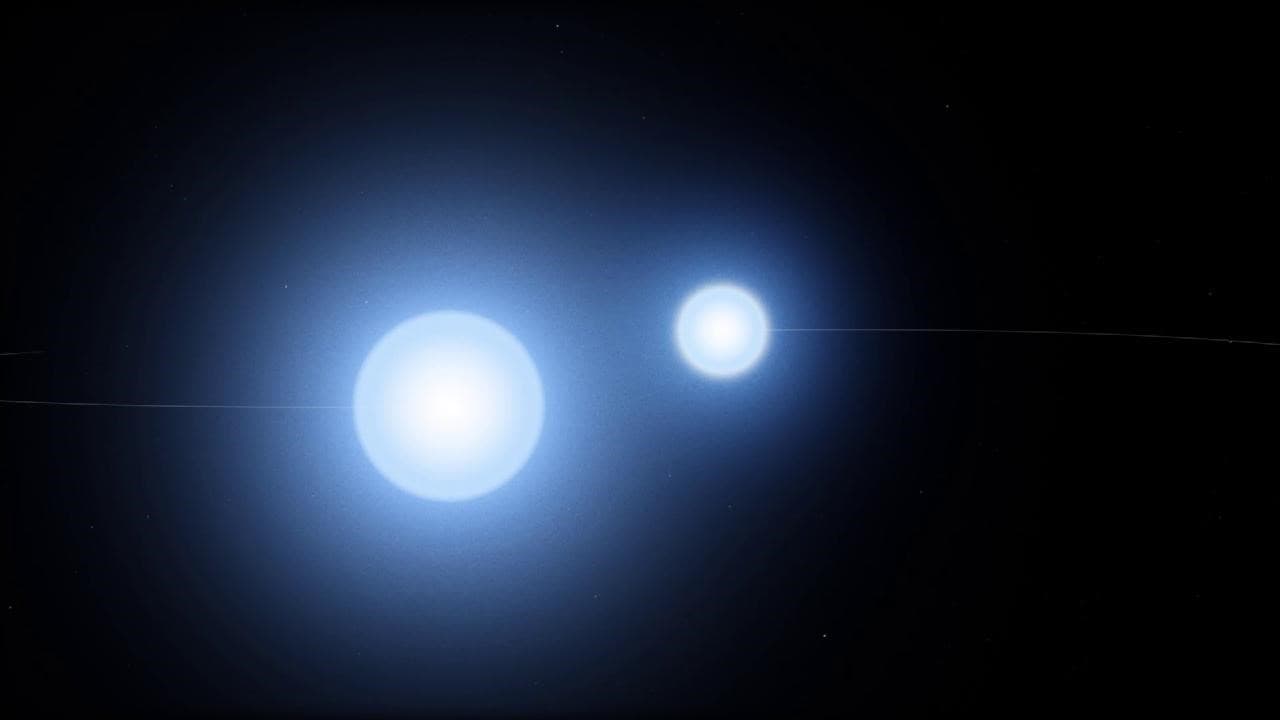
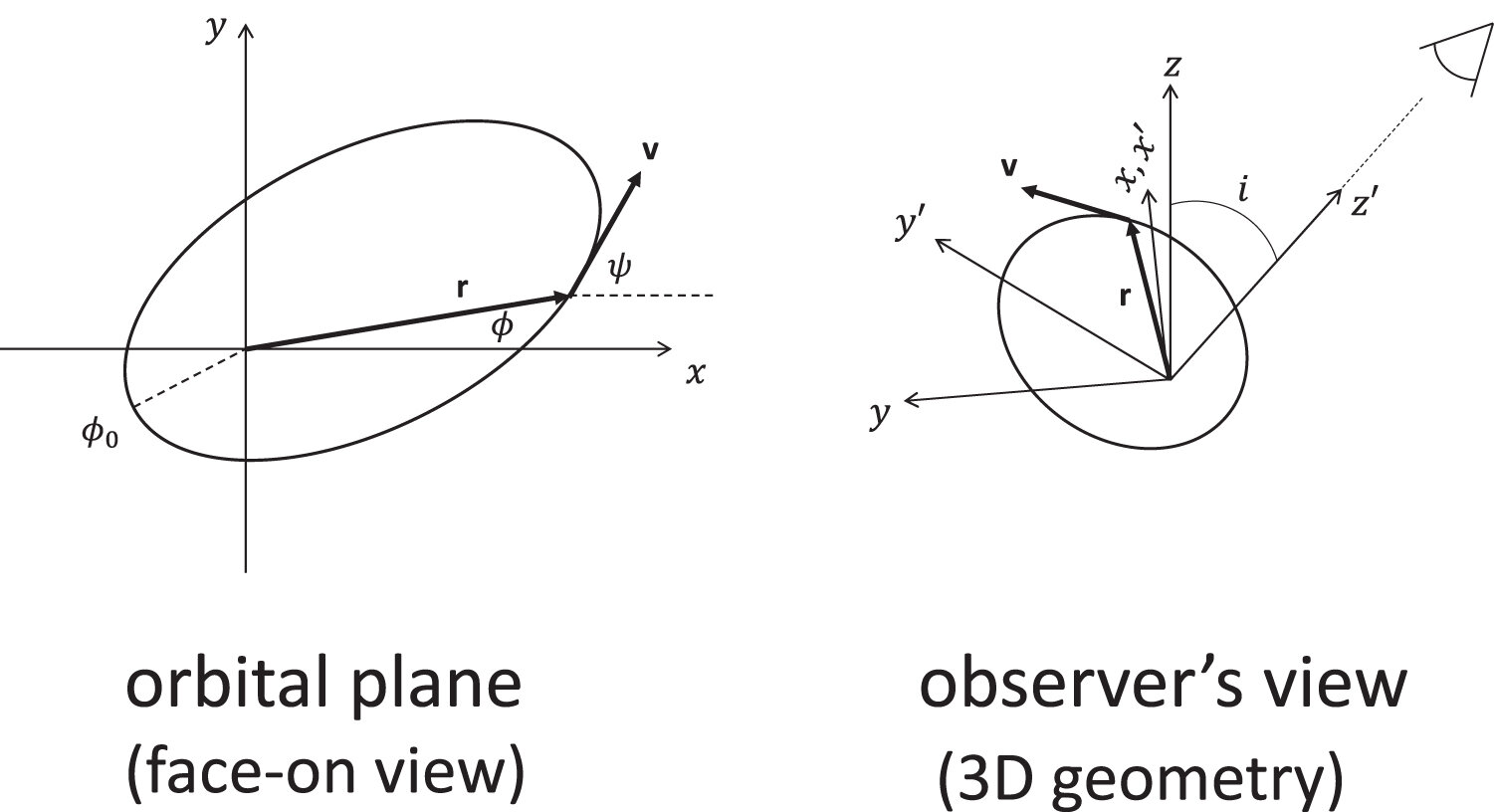
A new study published in The Astrophysical Journal provides further evidence for modified gravity at low acceleration, reinforcing previous findings from 2023. The study, conducted by Kyu-Hyun Chae of Sejong University, analyzed wide binary stars observed by the Gaia space telescope and revealed that these systems experience larger accelerations than predicted by Newtonian physics at low gravitational forces. This anomaly aligns with predictions from modified gravity theories such as MOND, suggesting a potential paradigm shift in our understanding of gravity and its implications for astrophysics and cosmology.
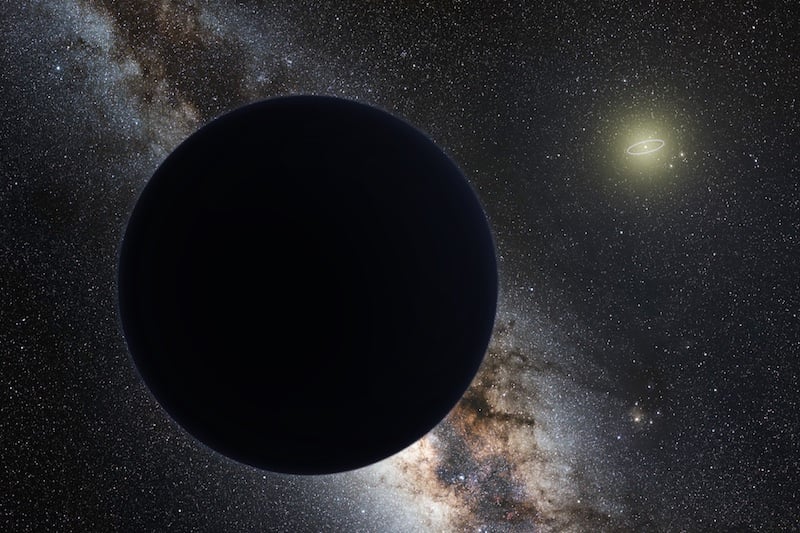
Astronomers have proposed that Modified Newtonian Dynamics (MOND) theory, which has been successful in understanding galactic rotation, could explain the strange orbital paths of Kuiper Belt Objects (KBOs) that have led to speculation about the existence of Planet 9. MOND suggests that the gravitational pull of the galactic core affects the orbital mechanics of objects farther away from the Sun, aligning their major and minor axes towards the core. While the absence of direct evidence for Planet 9 may eventually become evidence of its absence, the study highlights the need for further observations and a deeper understanding of gravitational physics to unravel the mysteries of our universe.
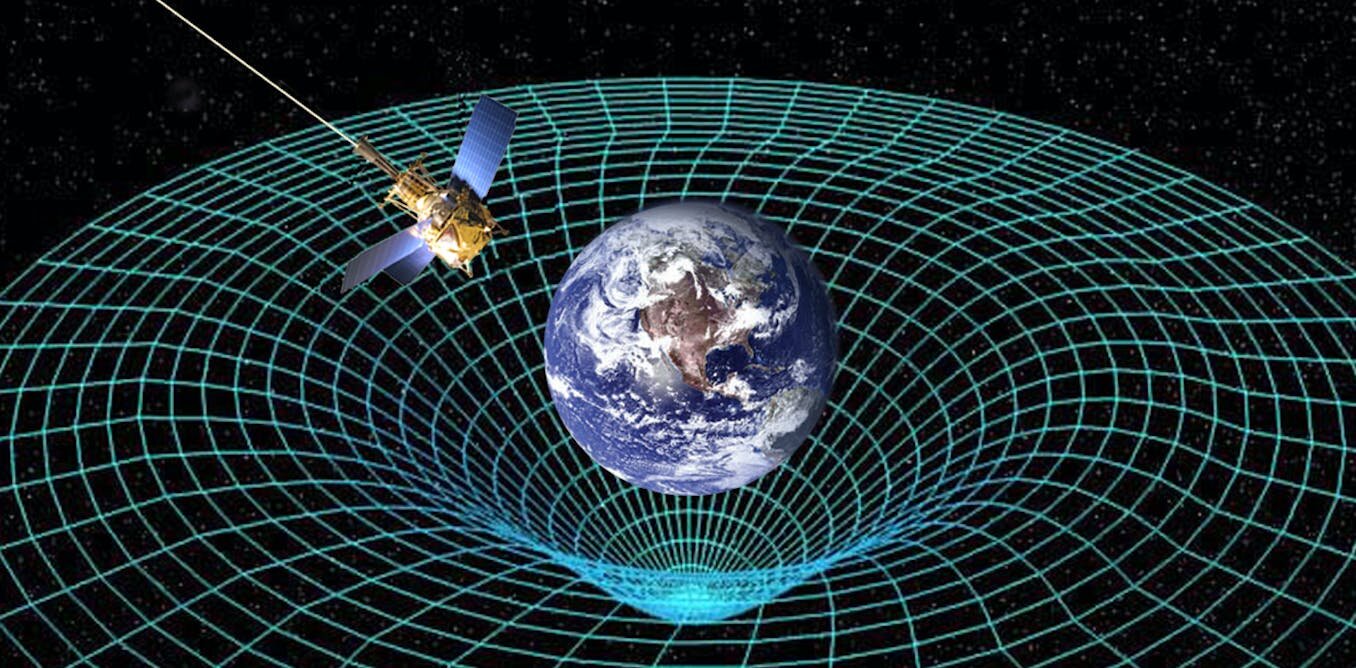
Scientists are exploring ways to differentiate between a universe where Einstein's equations of General Relativity were violated and a universe where the equations of the 18th-century mathematician Leonhard Euler were modified. This is motivated by the mysteries surrounding dark matter and the accelerating expansion of the universe. While measuring the gravitational slip, a signature of modified gravity, may not be enough to distinguish between the two scenarios, measuring the gravitational redshift could provide the necessary distinction. Techniques are being developed to detect the tiny effects of gravitational redshift and differentiate between a modification of Euler's equation for dark matter and a modification of gravity.
A study analyzing data from the Gaia space mission suggests evidence of gravity acting contrary to the predictions of Newton and Einstein, favoring modified gravity over dark matter. The study focused on the orbital motions of 26,500 wide-binary star systems and found discrepancies in gravitational acceleration at wide separations, matching predictions of a specific model of modified gravity called MOND. However, other researchers caution against drawing conclusions too soon, citing previous studies that found no evidence for MOND. Further follow-up work using different instruments may provide confirmation.
A recent study analyzing the orbital motions of wide binaries has provided conclusive evidence for the breakdown of standard gravity at low accelerations, challenging Newton's and Einstein's theories. The study, which examined data from 26,500 wide binaries, found that accelerations below one nanometer per second squared deviate from the predicted gravitational laws. This discovery aligns with a modified theory called MOND and has significant implications for astrophysics, physics, and cosmology, potentially revolutionizing our understanding of gravity and the need for dark matter.
A new study using data from the Gaia space telescope provides conclusive evidence for the breakdown of standard gravity in the low acceleration limit. By analyzing the orbital motions of wide binary stars, the study finds that accelerations lower than about one nanometer per second squared deviate from the predictions of Newton's universal law of gravitation and Einstein's general relativity. This breakdown of standard gravity at low accelerations aligns with the predictions of modified Newtonian dynamics (MOND) and suggests the need for a new theory to explain phenomena in the weak acceleration limit. The findings have significant implications for astrophysics, cosmology, and fundamental physics.
Scientists have discovered that the massive galaxy NGC 1277 does not contain dark matter, which challenges the currently accepted cosmological models. NGC 1277 is considered a relic galaxy, and its lack of dark matter is puzzling. Possible explanations include the gravitational interaction with the surrounding medium or the dark matter being driven out during the galaxy's formation. If confirmed, this finding would cast doubt on alternative models for dark matter. Further observations are planned to investigate this mystery.