Astronomers have discovered that our galaxy and over 400 others are being pulled toward an unseen massive structure called the Great Attractor, which is part of the larger Laniakea Supercluster, revealing complex gravitational forces shaping the universe's large-scale structure.
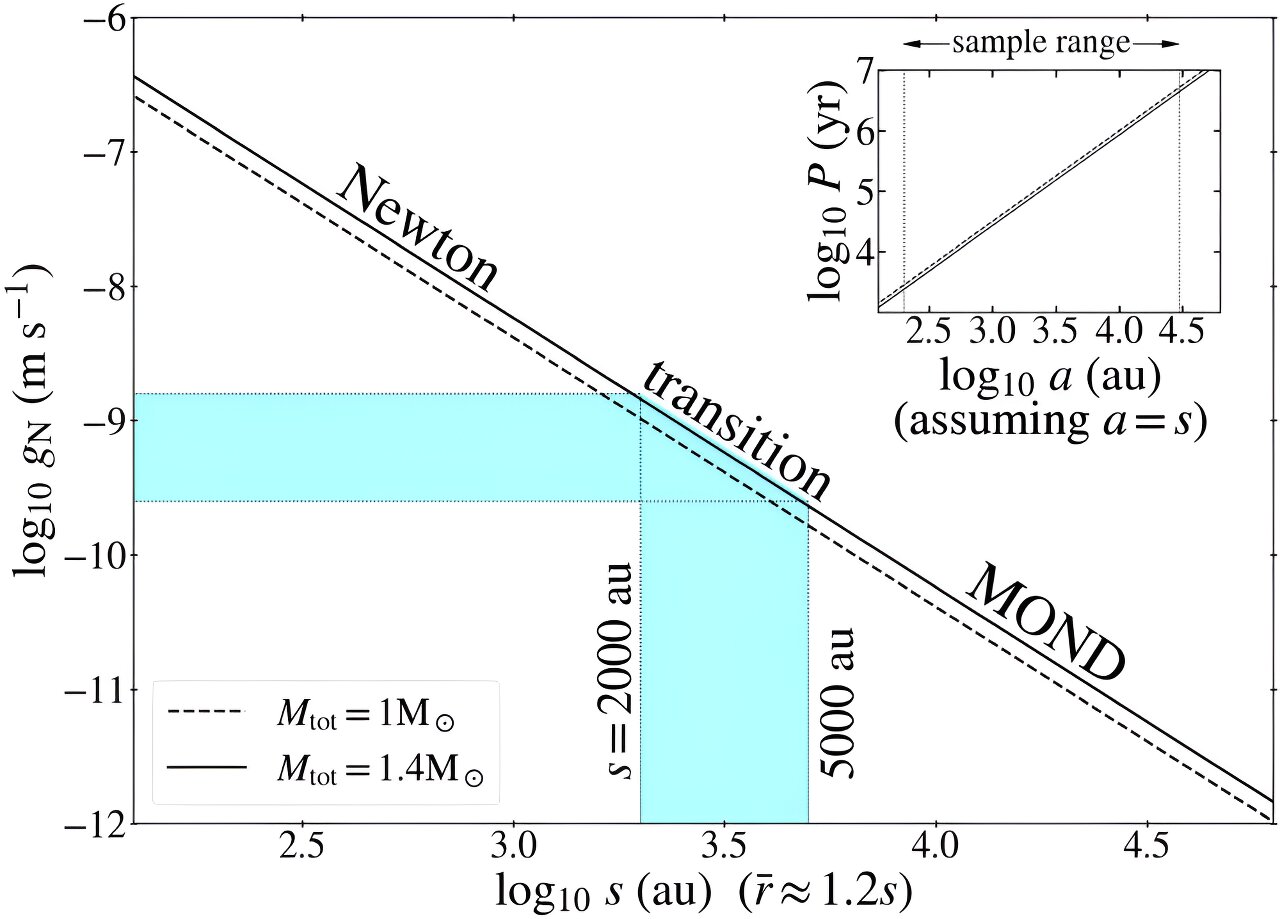
A new study published in The Astrophysical Journal provides further evidence for modified gravity at low acceleration, reinforcing previous findings from 2023. The study, conducted by Kyu-Hyun Chae of Sejong University, analyzed wide binary stars observed by the Gaia space telescope and revealed that these systems experience larger accelerations than predicted by Newtonian physics at low gravitational forces. This anomaly aligns with predictions from modified gravity theories such as MOND, suggesting a potential paradigm shift in our understanding of gravity and its implications for astrophysics and cosmology.
Astronomers have discovered a massive gravitational anomaly called the Great Attractor, which is pulling our galaxy and neighboring galaxies towards it at a speed of 1.3 million miles per hour. This force is located in the "Zone of Avoidance," an area obscured by our own galaxy's galactic plane and cosmic dust. Although we cannot see it, the Great Attractor is where our local galaxies are heading, and it is not a threat to swallow us. However, the expansion of the universe will eventually separate us from its influence, as is the fate of other superclusters.
Astronomers have discovered a massive gravitational anomaly called "The Great Attractor" that is pulling hundreds of galaxies towards an unseen entity in the "Zone of Avoidance" at a speed of 600 km/s. While the force remains unidentified, it serves as a central gravitational focal point for our local universe. The ongoing expansion of the cosmos will eventually override its influence, causing galaxies to drift apart.
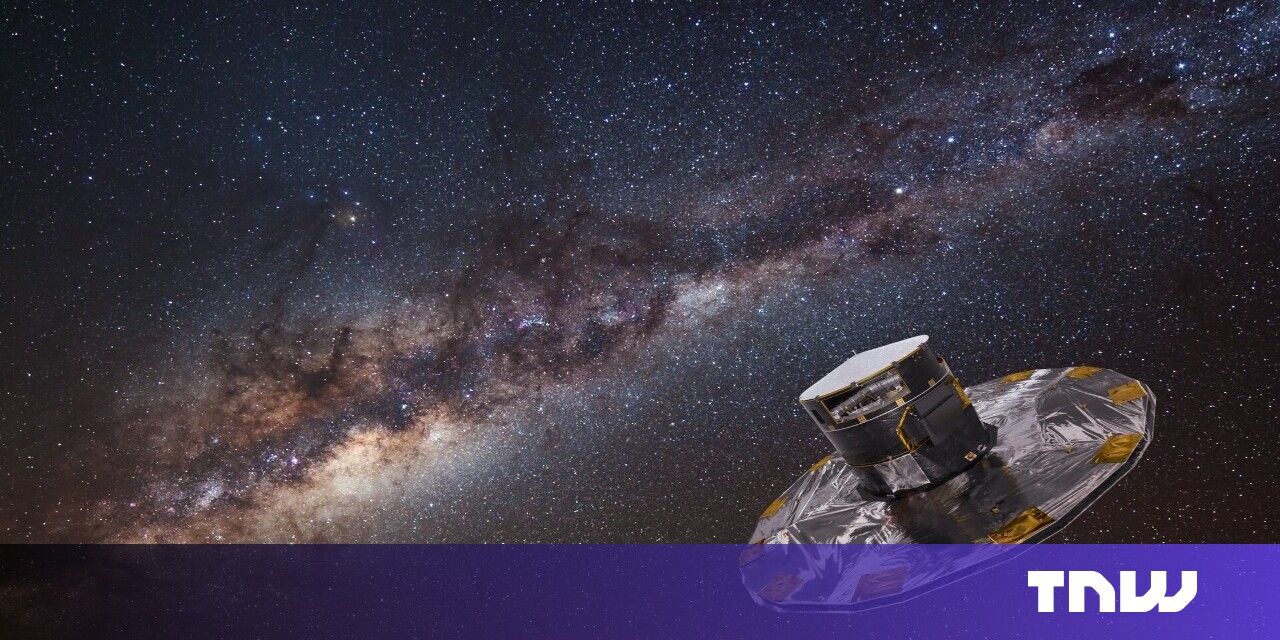
A study using data from the Gaia space telescope has discovered a gravitational anomaly challenging the established understanding of gravity by Einstein and Newton. The anomaly was observed in the movements of wide binary star systems, deviating from the laws of gravitation. This finding questions the existence of dark matter, which was previously used to explain such anomalies. The study suggests that Modified Newtonian Dynamics (MOND) could provide an explanation for the observed irregularities without the need for dark matter. Further analysis and confirmation are required, but if confirmed, this discovery could have significant implications for astrophysics, cosmology, and fundamental physics.