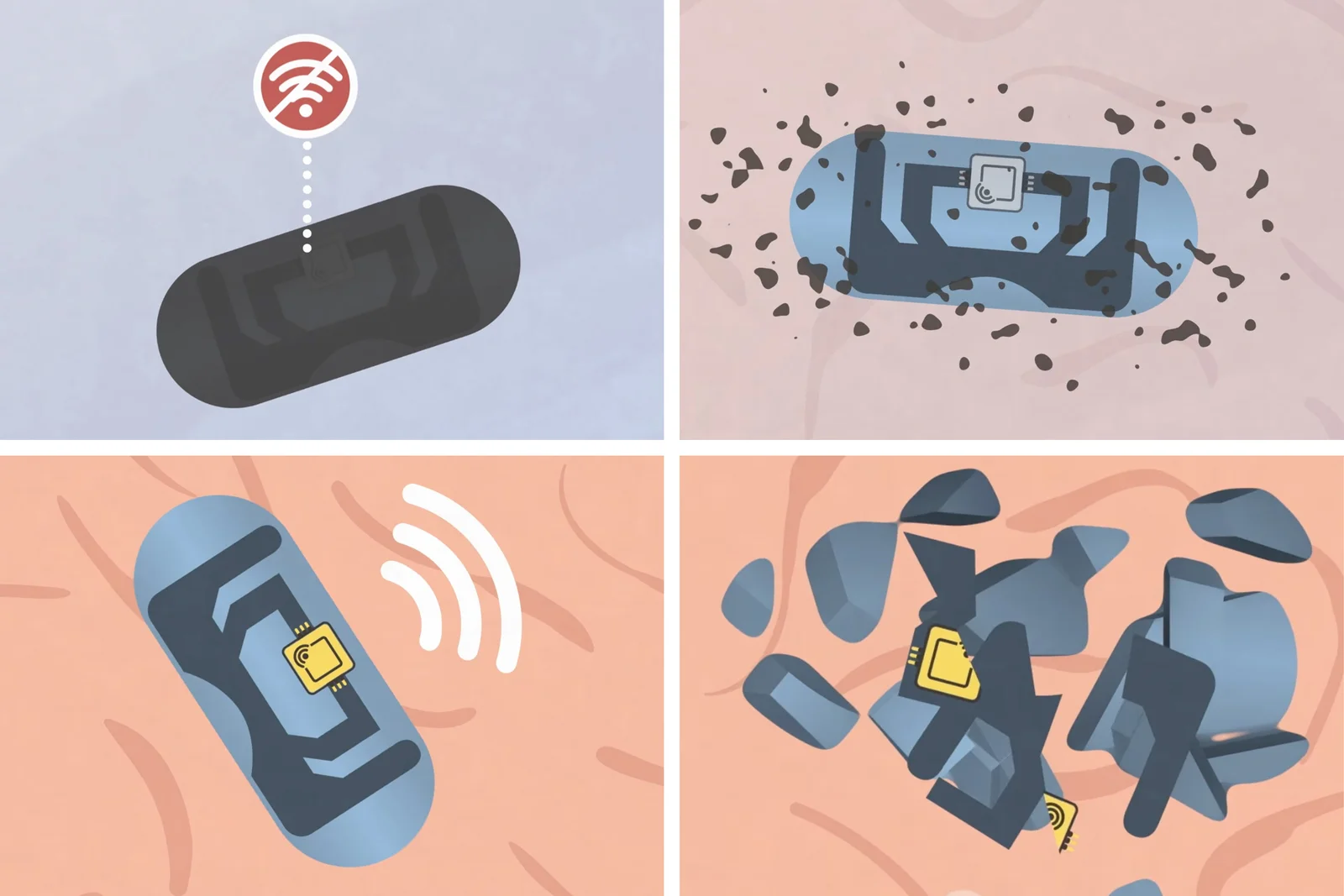
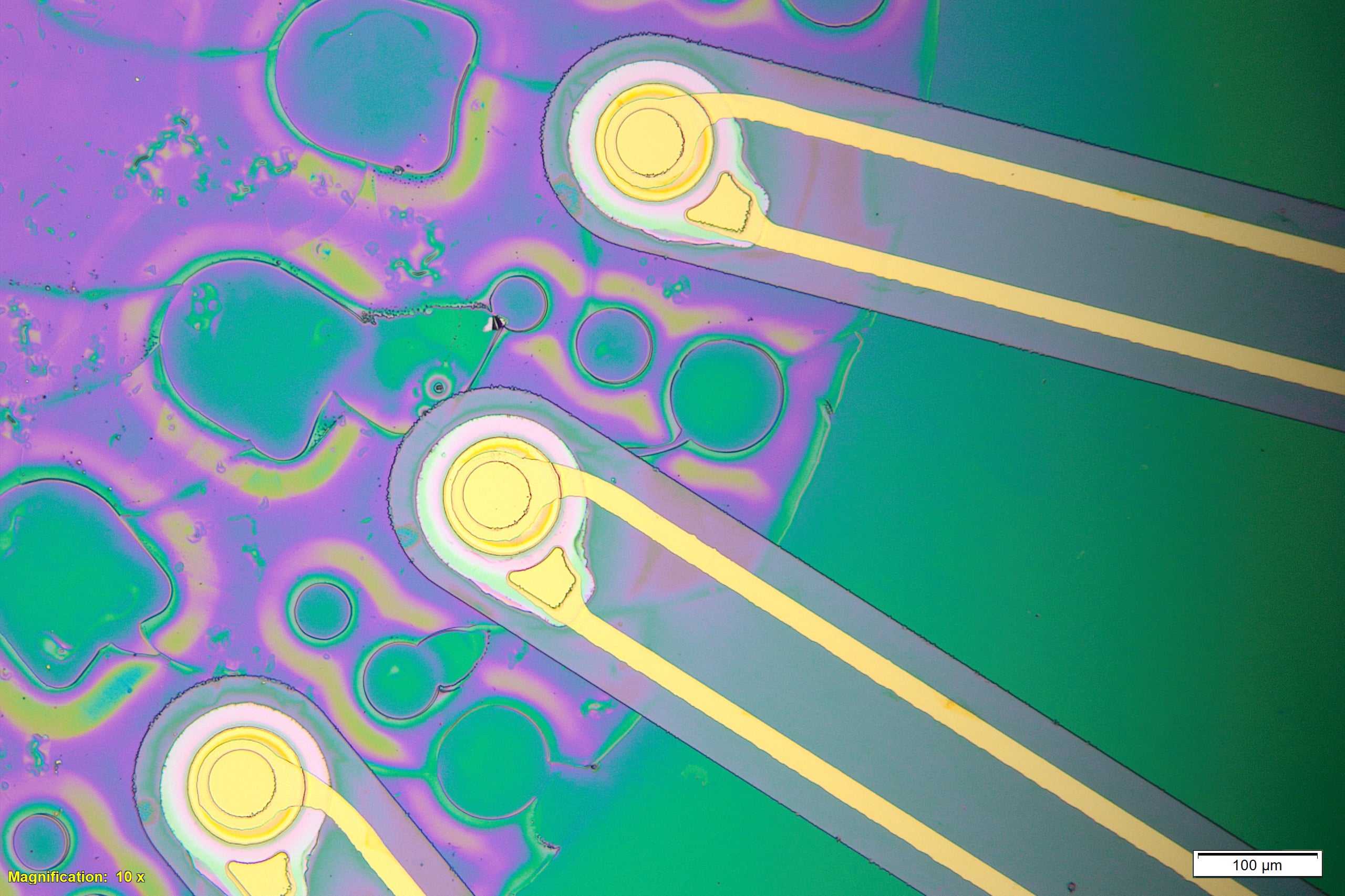
MIT engineers have developed a biodegradable pill with an embedded RFID system that reports when it has been swallowed, potentially improving medication adherence for patients requiring long-term treatment, with plans for further testing and clinical application.
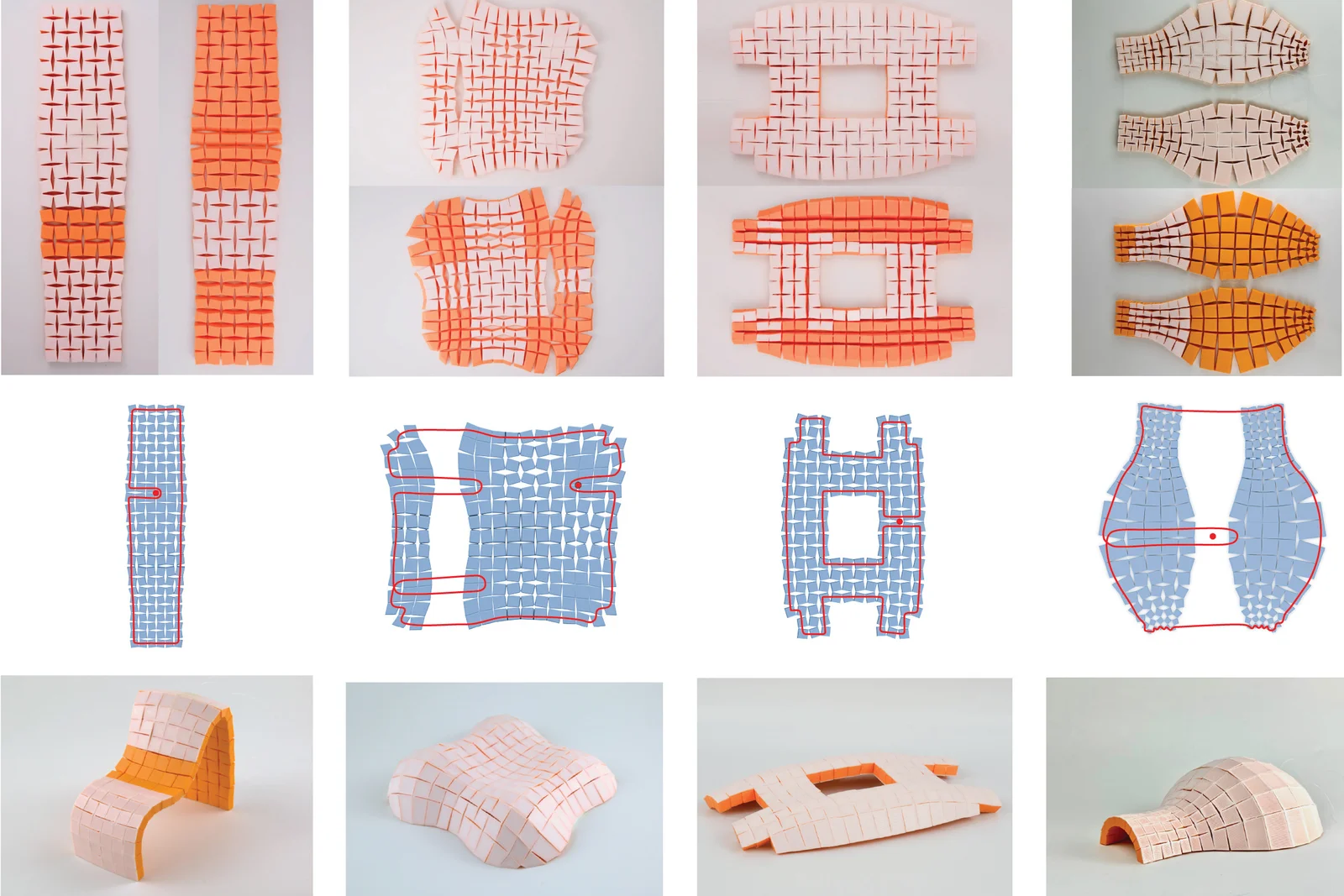
MIT researchers have developed a method to transform flat, interconnected tiles into complex 3D structures with a single pull of a string, enabling rapid deployment of structures like emergency shelters, medical devices, or space habitats, with potential for scalable and reversible applications.
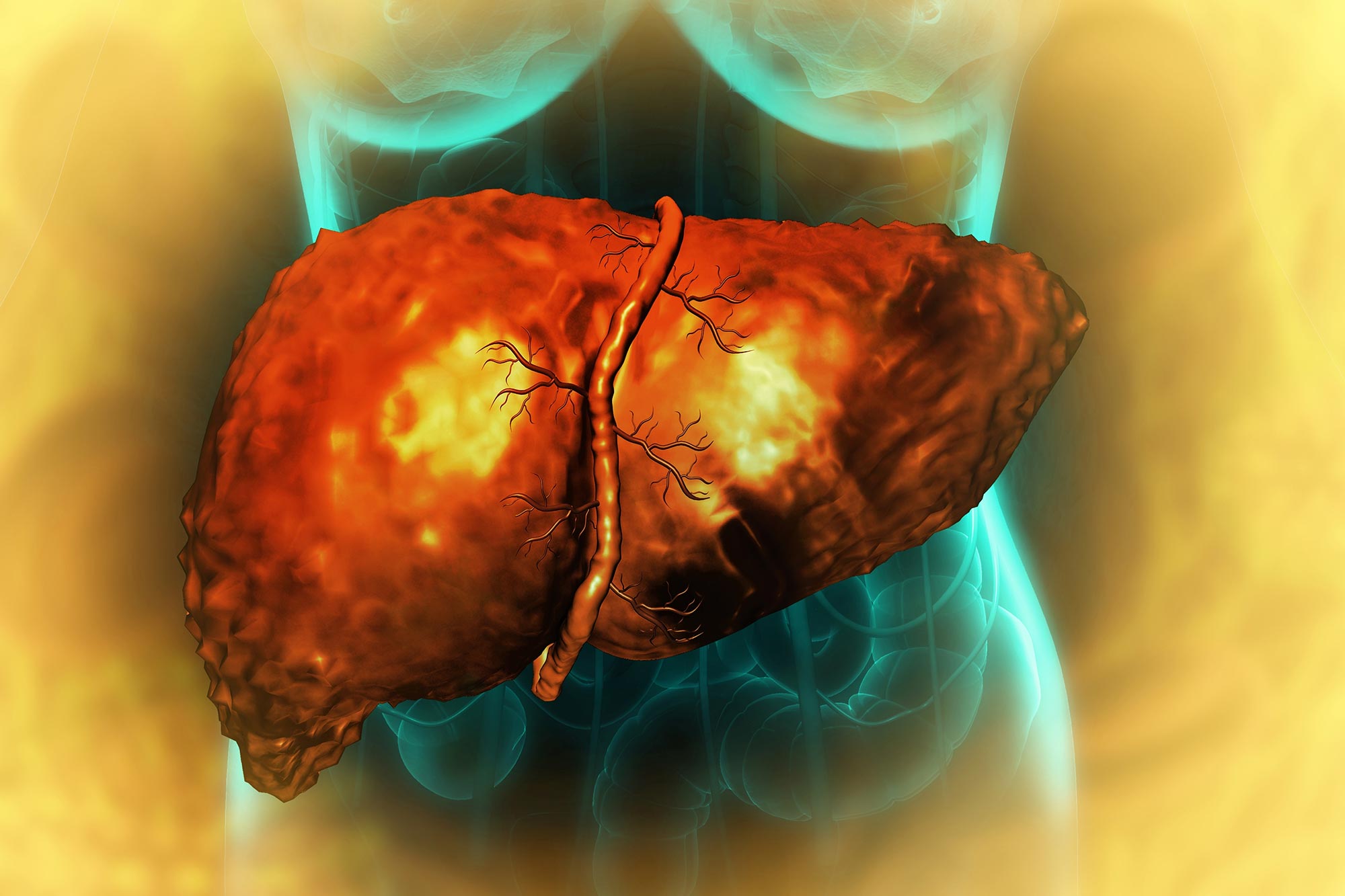
MIT research shows that high-fat diets reprogram liver cells into a stem-like state, increasing cancer risk by making cells more vulnerable to mutations, with potential drug targets identified to prevent progression to cancer.
MIT researchers discovered that a diet high in the amino acid cysteine can activate immune pathways that promote stem cell regeneration in the small intestine, potentially aiding in tissue repair after radiation or chemotherapy damage. The study, conducted in mice, suggests that increasing cysteine intake through diet or supplements could enhance intestinal healing, with implications for cancer treatment recovery.
MIT researchers have developed a new design technique that accounts for 3D printing limitations, such as print head size and weak layer bonding, resulting in more reliable and accurate complex material structures, especially for aerospace and biomedical applications.
MIT researchers have developed a novel method using metal-organic frameworks (MOFs) to fortify foods and beverages with iron and iodine, aiming to combat global nutrient deficiencies. These stable, crystalline particles can be added to staple foods and drinks without affecting taste or reactivity, and can release nutrients in the stomach. The approach offers a promising solution for improving nutrition in developing regions and beyond.
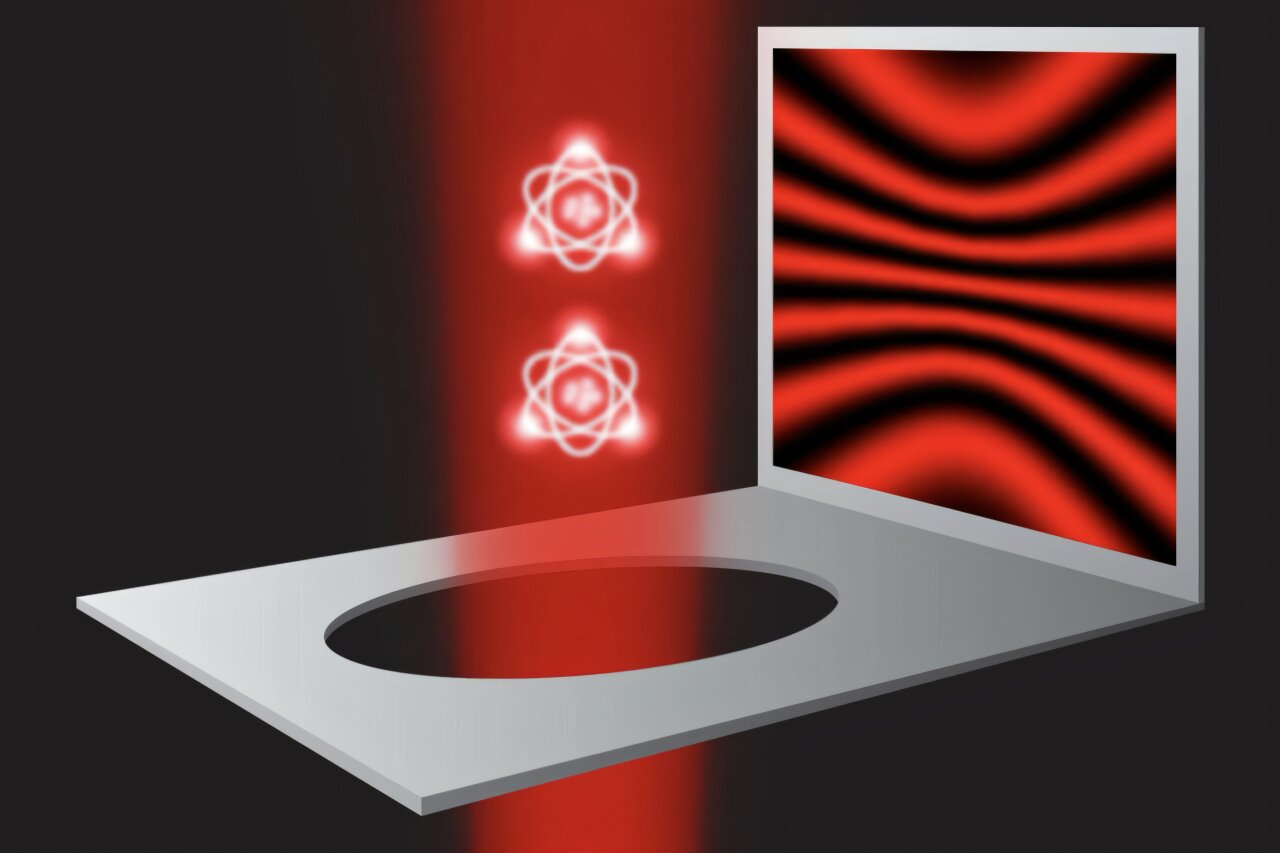
MIT physicists performed an idealized double-slit experiment using single atoms and photons, confirming quantum theory predictions that light's wave and particle natures cannot be observed simultaneously, and demonstrating Einstein's incorrect assumptions about photon behavior.
The expansion of AI technologies, especially generative tools, is significantly increasing energy consumption, with data centers now accounting for 4.4% of US energy use and expected to triple by 2028, raising concerns about sustainability and transparency in energy use data.
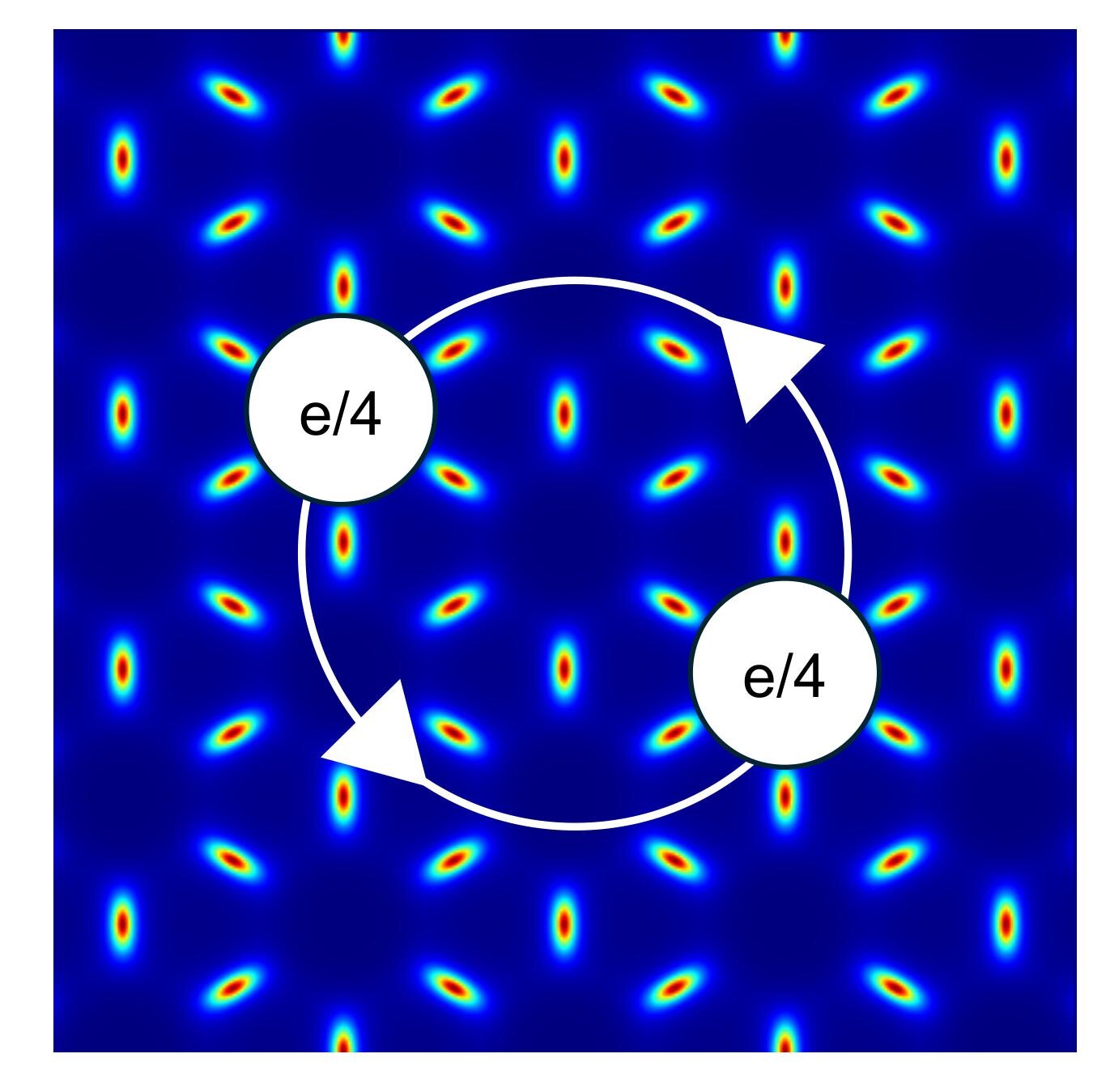
MIT physicists have predicted the creation of non-Abelian anyons, an exotic form of matter, in atomically thin layers of molybdenum ditelluride without an external magnetic field. These anyons, which can "remember" their space-time trajectories, could be used to form qubits for more reliable and powerful quantum computers. This breakthrough builds on recent discoveries in 2D materials and electron fractionalization, potentially expanding the capabilities of quantum computing.
MIT neuroscientists have discovered that the anesthesia drug propofol induces unconsciousness by disrupting the brain's balance between stability and excitability, leading to escalating instability. This finding, achieved through a novel technique for analyzing neuron activity, could help develop better tools for monitoring anesthesia and potentially apply to other brain states and neuropsychiatric disorders.
MIT physicists have proposed that primordial black holes, formed shortly after the Big Bang, could account for dark matter. These black holes, some of which would have been extremely small and carried a unique "color charge," might have influenced the formation of the first atomic nuclei. This theory, if supported by future observations, could provide new insights into the nature of dark matter.
MIT researchers have developed a new method for deep brain stimulation using ultrasound instead of electrical impulses, delivered via a hair-thin fiber. This approach, tested in mice, can stimulate neurons to release dopamine, potentially offering a safer and more precise treatment for Parkinson's disease and other neurological disorders. The device, called ImPULS, avoids the corrosion and scar tissue issues associated with traditional electrodes and could also serve as a valuable research tool for studying the brain.
MIT researchers have developed an optogenetic technique to control muscles using light, offering more precise control and significantly reducing fatigue in mice compared to traditional electrical stimulation. This approach, while not yet feasible in humans, could revolutionize prosthetics and aid individuals with impaired limb function. The team is working on safely delivering light-sensitive proteins to human tissue to make this method clinically viable.
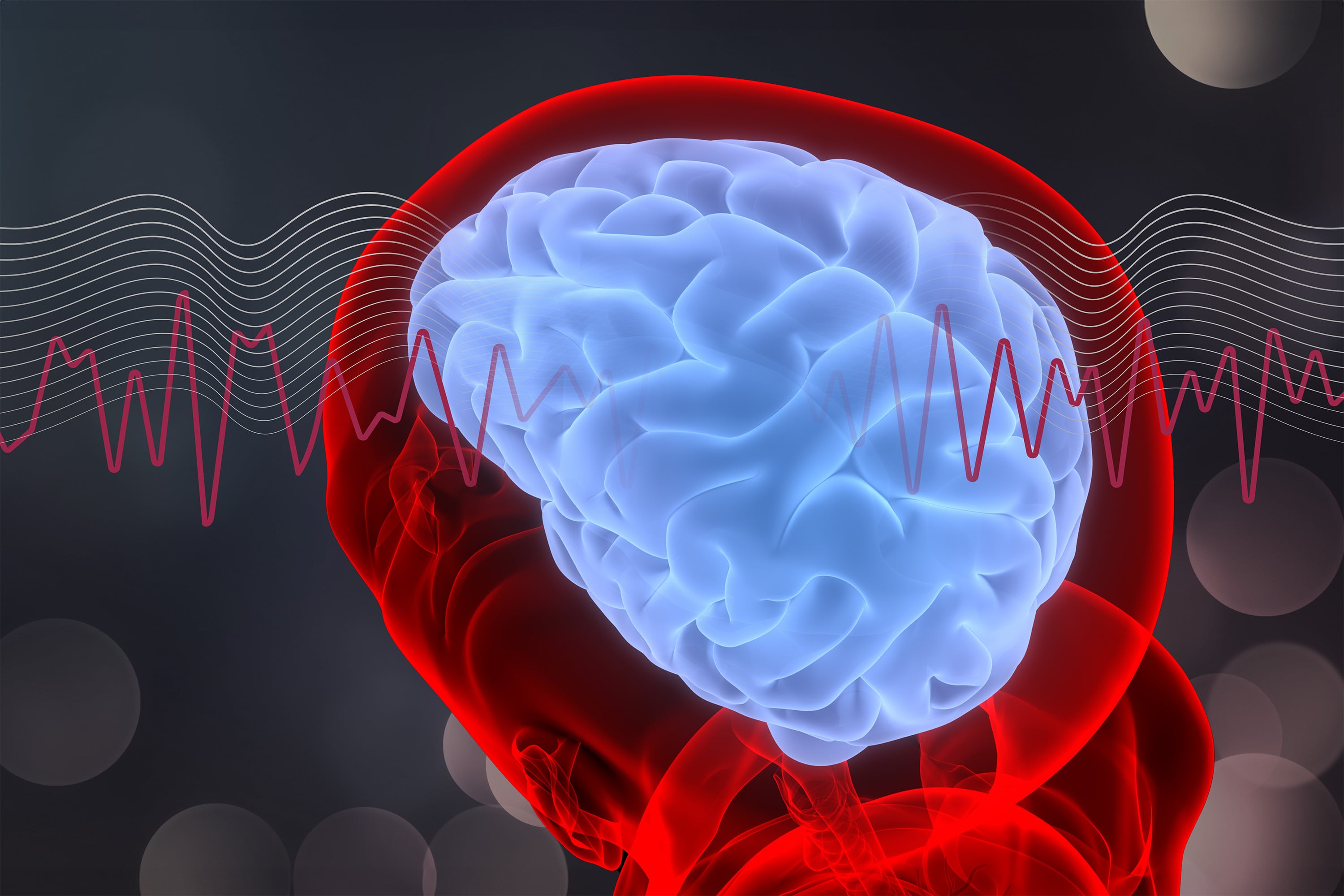
MIT researchers have discovered that a noninvasive treatment involving light and sound stimulation at 40 hertz can protect brain cells from chemotherapy-induced damage and prevent memory loss and cognitive impairment in mice. This treatment, originally developed for Alzheimer's disease, has shown promising effects in countering the cognitive effects of chemotherapy and has potential applications for various neurological disorders. The treatment stimulates gamma waves in the brain, reducing DNA damage, inflammation, and promoting the production of myelin-producing cells. Clinical trials in Alzheimer's patients have shown positive results, and the researchers are now exploring its potential for other neurological conditions.
Researchers at MIT have demonstrated that stimulating high-frequency brain waves in mice with flashes of light and clicks of sound at 40 hertz can clear amyloid proteins associated with Alzheimer's. This stimulation increased protective cerebrospinal fluid, pulsations in neighboring arteries, and interstitial fluid leaving the brain, all aiding in waste removal. The study also highlighted the role of aquaporin-4 channels in astrocyte cells and an increase in a peptide linked to combating Alzheimer's. These findings provide valuable insights for understanding Alzheimer's and potentially reversing its effects by enhancing the brain's waste removal system.