Tag

Double Slit Experiment

All articles tagged with #double slit experiment

Revolutionary Quantum Experiments Challenge Our Understanding of Reality

Originally Published 19 days ago — by Earth.com

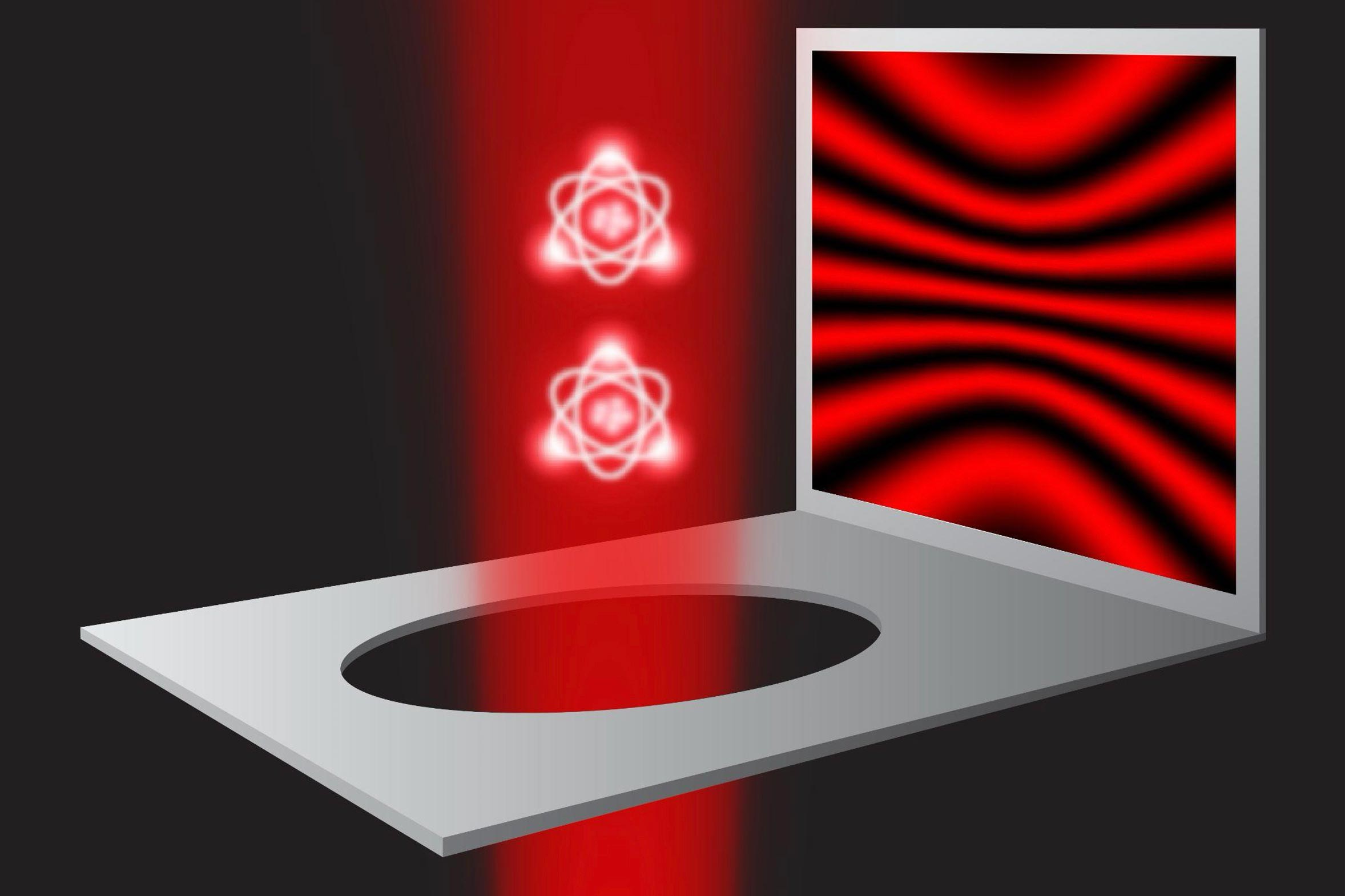
Featured image for Revolutionary Quantum Experiments Challenge Our Understanding of Reality
Source: Earth.com

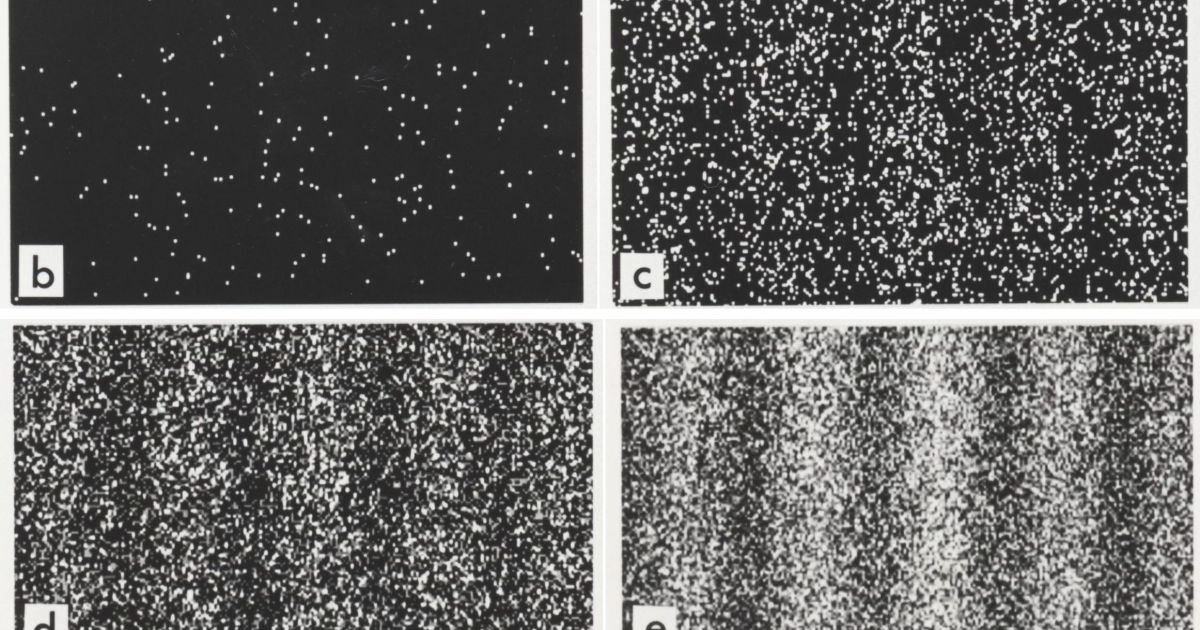
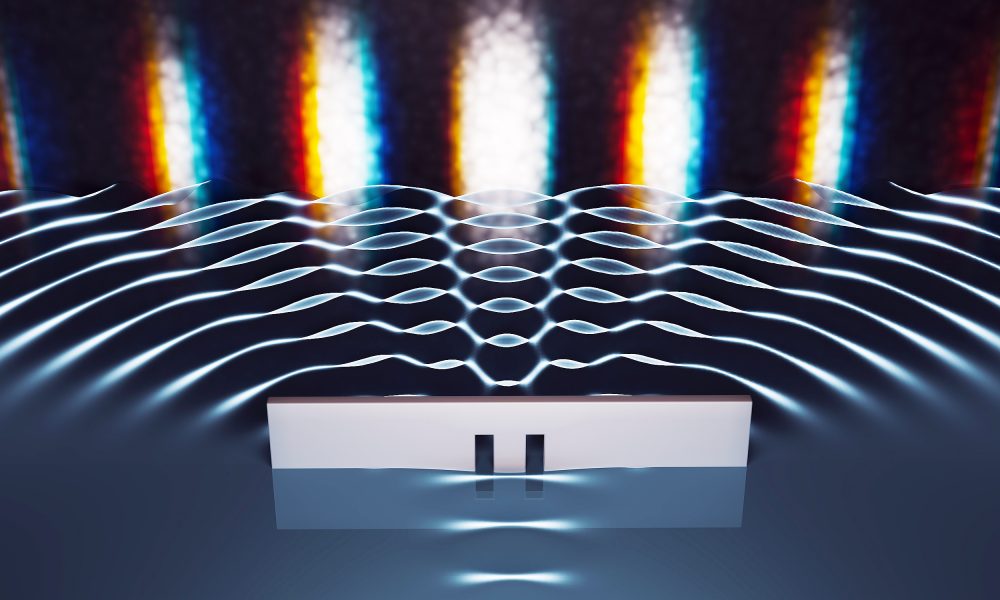
A new study challenges the long-held belief that light behaves as both a wave and a particle, proposing that interference patterns can be explained solely through quantum particles and dark photon states, potentially reshaping fundamental physics concepts.
Most Precise Double-Slit Experiment Conducted

Originally Published 4 months ago — by Physics World

Featured image for Most Precise Double-Slit Experiment Conducted
Source: Physics World

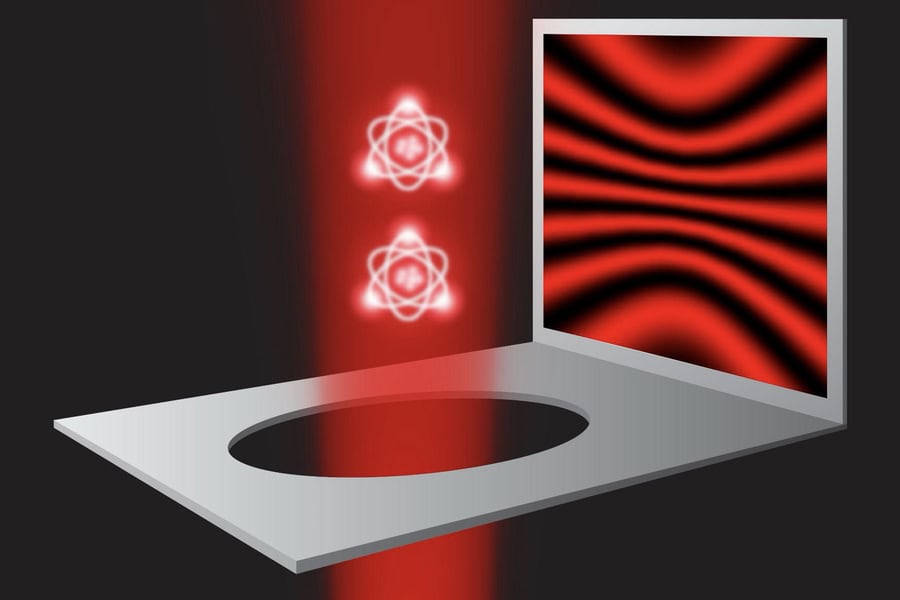
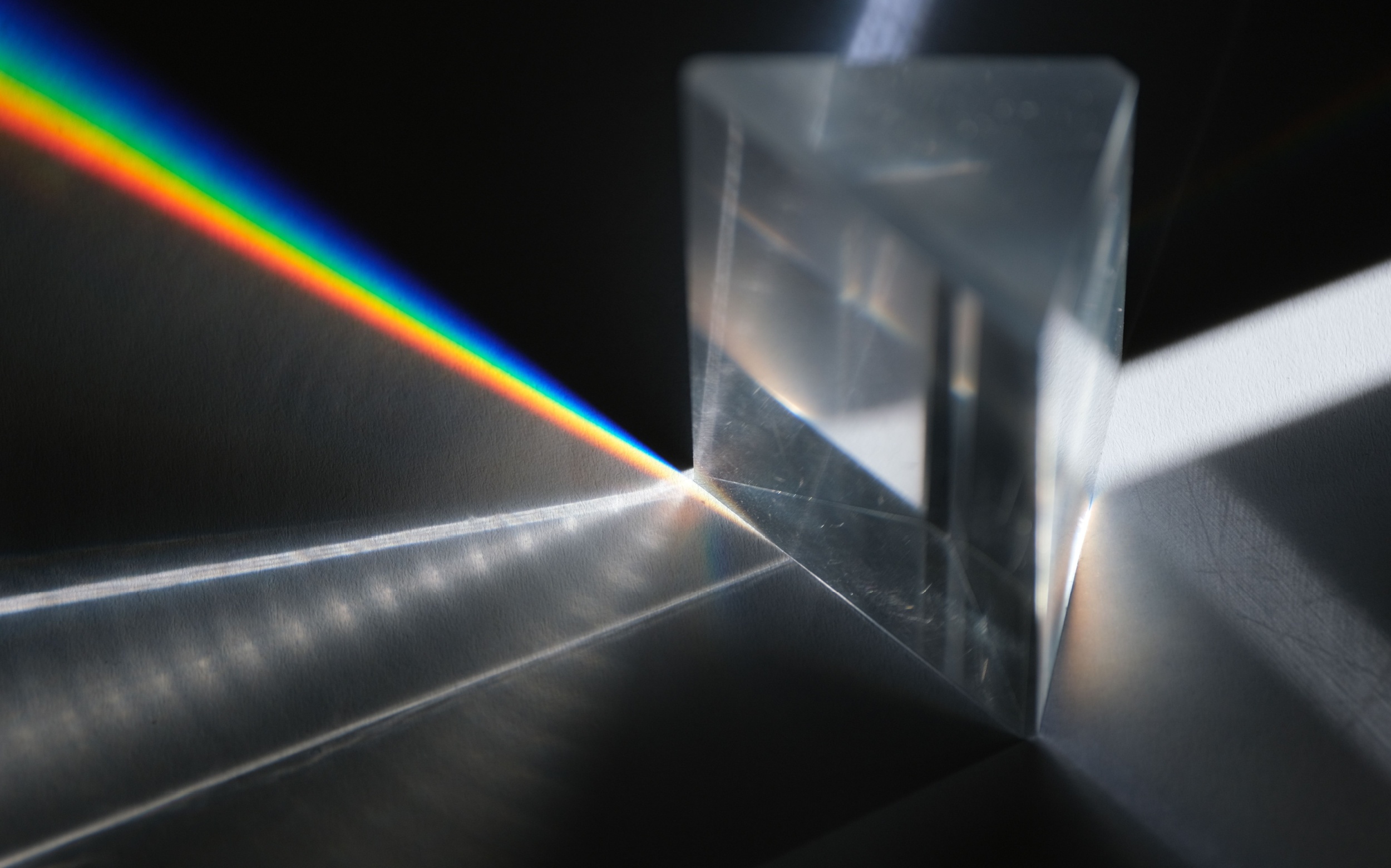
MIT scientists conducted the most precise test of the double-slit experiment using single atoms as slits, confirming quantum theory predictions: interference occurs when photon paths are unobserved, and particles appear when paths are measured, supporting Bohr's complementarity principle.

MIT's New Double-Slit Experiment Challenges Einstein's Quantum Legacy

Originally Published 5 months ago — by ZME Science

MIT physicists have recreated the iconic double-slit experiment using individual atoms as slits and single photons, confirming that even minimal interaction destroys the wave interference pattern, thus reinforcing that light cannot exhibit both particle and wave nature simultaneously, and settling a nearly century-old debate between Einstein and Bohr.

MIT's New Findings Challenge Einstein's Century-Old Light and Quantum Theories

Originally Published 5 months ago — by Earth.com

Featured image for MIT's New Findings Challenge Einstein's Century-Old Light and Quantum Theories
Source: Earth.com

MIT researchers demonstrated that light can never be observed behaving as both a particle and a wave simultaneously, confirming Bohr's quantum view by using ultracold atoms as tiny double slits and controlling the 'fuzziness' of atomic positions to study the wave-particle trade-off.

MIT Recreates Double-Slit Experiment, Challenging Einstein's Quantum Theories

Originally Published 5 months ago — by Space

Featured image for MIT Recreates Double-Slit Experiment, Challenging Einstein's Quantum Theories
Source: Space

MIT researchers performed a simplified atomic-scale double-slit experiment confirming that light cannot be observed as both a wave and a particle simultaneously, supporting Bohr's complementarity principle and challenging Einstein's earlier objections to quantum uncertainty.

MIT Re-Examines Double-Slit Experiment, Challenges Einstein's Quantum Theories

Originally Published 5 months ago — by IFLScience

Featured image for MIT Re-Examines Double-Slit Experiment, Challenges Einstein's Quantum Theories
Source: IFLScience

MIT researchers performed an idealized double-slit experiment using single ultracold atoms, providing further evidence that Einstein's idea of detecting a photon's path without destroying interference is incorrect, supporting quantum mechanics predictions.

MIT Recreates Double-Slit Experiment, Reinforces Quantum Duality

Originally Published 5 months ago — by extremetech.com

Featured image for MIT Recreates Double-Slit Experiment, Reinforces Quantum Duality
Source: extremetech.com

Scientists conducted an advanced double slit experiment at the atomic level, confirming quantum mechanics' prediction that observation collapses wave-like behavior of photons into particles, thereby disproving Einstein's hypothesis that atomic disturbances could reveal wave behavior without collapsing the wave function.

MIT confirms Einstein's century-old light theory was incorrect in wave-particle debate

Originally Published 5 months ago — by The Brighter Side of News

Featured image for MIT confirms Einstein's century-old light theory was incorrect in wave-particle debate
Source: The Brighter Side of News

MIT researchers recreated a modern, highly precise version of the double-slit experiment using ultracold atoms, confirming that wave-particle duality depends on quantum uncertainty and refuting Einstein's idea that both a photon's path and interference pattern can be measured simultaneously, thus advancing our understanding of quantum mechanics.

MIT Reaffirms Einstein's Mistake in Century-Old Light Experiment

Originally Published 5 months ago — by The Debrief

Featured image for MIT Reaffirms Einstein's Mistake in Century-Old Light Experiment
Source: The Debrief

MIT scientists performed an idealized double-slit experiment with single atoms and photons, confirming the dual wave-particle nature of light and disproving Einstein's 100-year-old proposal that both properties could be observed simultaneously, thus settling a long-standing debate in quantum physics.

MIT's Quantum Experiment Challenges Einstein's Legacy on Light and Reality

Originally Published 5 months ago — by SciTechDaily

Featured image for MIT's Quantum Experiment Challenges Einstein's Legacy on Light and Reality
Source: SciTechDaily

MIT physicists performed the most precise double-slit experiment using ultracold atoms and single photons, confirming Bohr's quantum theory and disproving Einstein's idea that light's wave and particle properties can be observed simultaneously, thus resolving a century-old debate.

Quantum Essentials Confirm the Double-Slit Experiment

Originally Published 5 months ago — by MIT News

Featured image for Quantum Essentials Confirm the Double-Slit Experiment
Source: MIT News

MIT physicists performed an idealized double-slit experiment using single atoms and photons, confirming quantum theory predictions that the more information obtained about a photon's path, the less visible its wave interference pattern, thus disproving Einstein's earlier idea about detecting both particle and wave nature simultaneously.

Revolutionizing Time Travel: The Double-Slit Experiment Reimagined with Quantum Mechanics.

Originally Published 2 years ago — by SciTechDaily

Featured image for Revolutionizing Time Travel: The Double-Slit Experiment Reimagined with Quantum Mechanics.
Source: SciTechDaily

Physicists have recreated the famous double-slit experiment, which showed light behaving as particles and a wave, in time rather than space. The experiment relies on materials that can change their optical properties in fractions of a second, which could be used in new technologies or to explore fundamental questions in physics. This groundbreaking experiment could lead to the development of ultrafast, parallelized optical switches and pave the way for future research in time crystals and metamaterials.

The Impact of Measuring Reality on Observation.

Originally Published 2 years ago — by Big Think

Featured image for The Impact of Measuring Reality on Observation.
Source: Big Think

The double-slit experiment, which investigates whether light behaves as a wave or a particle, reveals that the behavior of individual quanta depends on how they are observed. If you measure which slit a quantum passes through, it behaves as a classical particle, but if you don’t measure, it behaves as a wave, acting like it passed through both slits simultaneously and producing an interference pattern. The experiment also shows that the observer plays a fundamental role in determining what is real, but the interpretation of quantum physics is subjective and cannot conclude whether nature is deterministic or not.

Time-Based Double-Slit Experiment Reveals Light's Interference with Its Own Past.

Originally Published 2 years ago — by Singularity Hub

Featured image for Time-Based Double-Slit Experiment Reveals Light's Interference with Its Own Past.
Source: Singularity Hub

Physicists at Imperial College London have recreated the famous double-slit experiment using time instead of space. They fired light through a material that changes its properties in femtoseconds, only allowing light to pass through at specific times in quick succession. The interference patterns showed up as changes in the frequency or color of the beams of light, demonstrating wave-particle duality. The experiment has helped in understanding materials that can minutely control the behavior of light in space and time, with potential applications in signal processing and light-powered computers.