Tag

Iron Deficiency

All articles tagged with #iron deficiency

Could a Mineral Deficiency Be Causing Your Brain Fog and Fatigue?

Originally Published 4 months ago — by HuffPost

Featured image for Could a Mineral Deficiency Be Causing Your Brain Fog and Fatigue?
Source: HuffPost

Iron deficiency, especially common in women with heavy periods, can cause fatigue, brain fog, and mood issues. It is often underdiagnosed and can lead to serious health problems if untreated. Diagnosis through blood tests and treatment with iron supplements or IV therapy can significantly improve quality of life.

Debunking the Link Between Food Cravings and Cancer Risk

Originally Published 4 months ago — by ScienceAlert

Featured image for Debunking the Link Between Food Cravings and Cancer Risk
Source: ScienceAlert

Cravings and appetite changes are not reliable indicators of cancer, despite popular stories; they can be caused by various factors, and only specific signs like ice chewing linked to iron deficiency should prompt medical testing. For cancer detection, rely on established symptoms and screening rather than single food cravings.

Unusual Food Cravings May Signal Cancer Months Before Diagnosis

Originally Published 4 months ago — by The Conversation

Featured image for Unusual Food Cravings May Signal Cancer Months Before Diagnosis
Source: The Conversation

While cancer can alter taste and appetite, there is no reliable evidence that specific food cravings can predict a cancer diagnosis before other symptoms appear. Changes in eating behavior are influenced by various factors and should not be used as diagnostic tools. A well-established link exists between ice chewing and iron deficiency, which is treatable. The best approach for cancer risk is to rely on established warning signs and screening tests, and to consult a doctor for persistent or unusual symptoms.

MIT Innovates Iron-Iodine Particles to Combat Global Malnutrition

Originally Published 4 months ago — by Good News Network

Featured image for MIT Innovates Iron-Iodine Particles to Combat Global Malnutrition
Source: Good News Network

MIT researchers have developed iron-iodine particles using metal-organic frameworks that can be added to foods and beverages to combat global nutrient deficiencies, especially iron deficiency, with promising stability and absorption results in tests.

Ice Craving Could Signal Vitamin Deficiency

Originally Published 5 months ago — by bestlifeonline.com

Featured image for Ice Craving Could Signal Vitamin Deficiency
Source: bestlifeonline.com

Craving ice may be a sign of iron deficiency anemia, a condition where the body lacks enough healthy red blood cells, and can be associated with symptoms like fatigue and pale skin. It is important to consult a healthcare provider for proper diagnosis and treatment, as self-diagnosis and supplementation can be dangerous.

MIT Develops Iron and Iodine Fortified Coffee to Combat Nutrient Deficiency

Originally Published 5 months ago — by MIT News

Featured image for MIT Develops Iron and Iodine Fortified Coffee to Combat Nutrient Deficiency
Source: MIT News

MIT researchers have developed a novel method using metal-organic frameworks (MOFs) to fortify foods and beverages with iron and iodine, aiming to combat global nutrient deficiencies. These stable, crystalline particles can be added to staple foods and drinks without affecting taste or reactivity, and can release nutrients in the stomach. The approach offers a promising solution for improving nutrition in developing regions and beyond.

Matcha Addiction Could Be Affecting Your Iron Levels

Originally Published 5 months ago — by The Independent

Featured image for Matcha Addiction Could Be Affecting Your Iron Levels
Source: The Independent

While matcha offers health benefits like antioxidants and improved focus, excessive consumption may hinder iron absorption, especially in vegetarians relying on plant-based iron sources, potentially leading to iron deficiency. To enjoy its benefits without risks, it's advised to avoid drinking matcha with meals and to consume it plain.

Could Anemia Be the Real Cause Behind Aging Signs?

Originally Published 5 months ago — by Noozhawk

Featured image for Could Anemia Be the Real Cause Behind Aging Signs?
Source: Noozhawk

Anemia, often mistaken for normal aging symptoms, is common among older adults and can lead to serious health issues. It is frequently underdiagnosed and undertreated, but simple blood tests can help identify it. Treatments like intravenous iron infusions can significantly improve quality of life, and awareness of hemoglobin levels can prompt earlier diagnosis and management.

New Research Links Kidney Disease and Restless Legs Syndrome, Advises Caution with Dopamine Treatments

Originally Published 6 months ago — by Times of India

Featured image for New Research Links Kidney Disease and Restless Legs Syndrome, Advises Caution with Dopamine Treatments
Source: Times of India

A study links chronic kidney disease, especially in dialysis patients, to a higher risk of Restless Legs Syndrome (RLS), which is associated with iron deficiency in the brain. RLS causes uncontrollable leg urges, worsens at night, and impacts sleep and mental health. Managing RLS involves addressing underlying conditions like iron deficiency, lifestyle changes, and symptom relief methods, although there is no cure.

Iron Deficiency in Pregnancy Alters Sexual Development in Male Mice

Originally Published 7 months ago — by Live Science

Featured image for Iron Deficiency in Pregnancy Alters Sexual Development in Male Mice
Source: Live Science

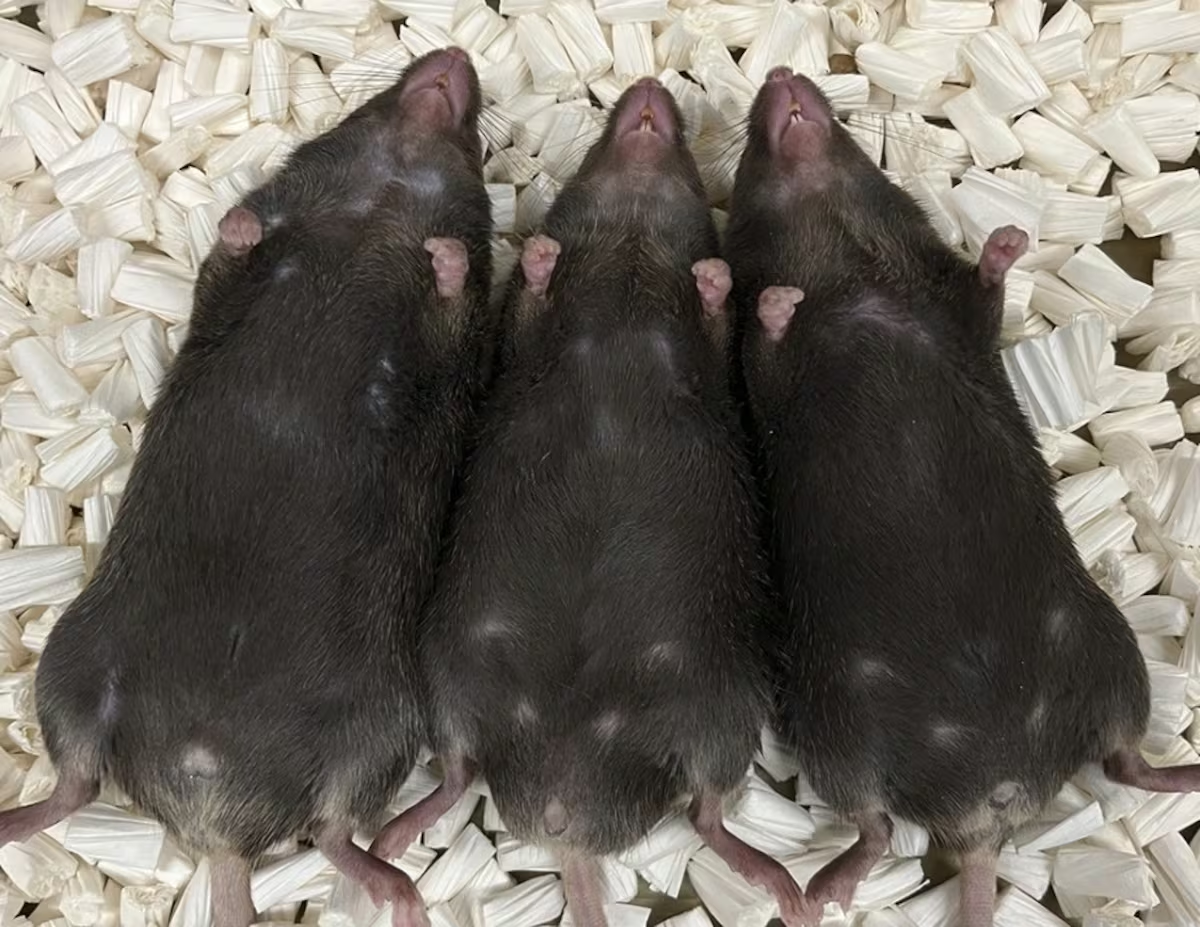
A new study in mice shows that iron deficiency during pregnancy can cause XY embryos to develop female characteristics by disrupting the activation of the SRY gene, which is crucial for male sex development. This finding suggests that nutrition and metabolic factors like iron may influence sex development, although further research is needed to determine if this applies to humans.

Environmental Factors and Nutritional Deficiencies Influence Mammalian Sex Development

Originally Published 7 months ago — by Daily Mail

Featured image for Environmental Factors and Nutritional Deficiencies Influence Mammalian Sex Development
Source: Daily Mail

A study suggests that insufficient iron intake during pregnancy may increase the risk of intersex conditions and heart defects in babies, highlighting the importance of adequate iron consumption and potential benefits of supplementation for maternal and fetal health.

Maternal Iron Deficiency Induces Sex Reversal in Mouse Embryos

Originally Published 7 months ago — by EL PAÍS English

Featured image for Maternal Iron Deficiency Induces Sex Reversal in Mouse Embryos
Source: EL PAÍS English

A groundbreaking study in mice shows that low maternal iron levels can cause genetically male mammals to develop female reproductive organs, challenging the long-held belief that sex is solely determined by genetics and highlighting the influence of environmental factors on developmental processes.

Affordable Solutions to Combat Global Anemia Crisis

Originally Published 1 year ago — by Our World in Data

Featured image for Affordable Solutions to Combat Global Anemia Crisis
Source: Our World in Data

Anemia affects around two billion people globally, with women and children being the most vulnerable. It is often caused by iron deficiency and can lead to severe health issues, especially in pregnant women and children. Despite its prevalence, anemia can be addressed through low-cost interventions such as improving dietary diversity, providing iron supplements, and fortifying foods with essential nutrients. Some countries have successfully reduced anemia rates by enhancing access to healthcare and nutritional support, demonstrating that it is a solvable problem with the right strategies.

Parkinson's Drug Entacapone Disrupts Gut Microbiome Through Iron Deficiency

Originally Published 1 year ago — by Neuroscience News

Featured image for Parkinson's Drug Entacapone Disrupts Gut Microbiome Through Iron Deficiency
Source: Neuroscience News

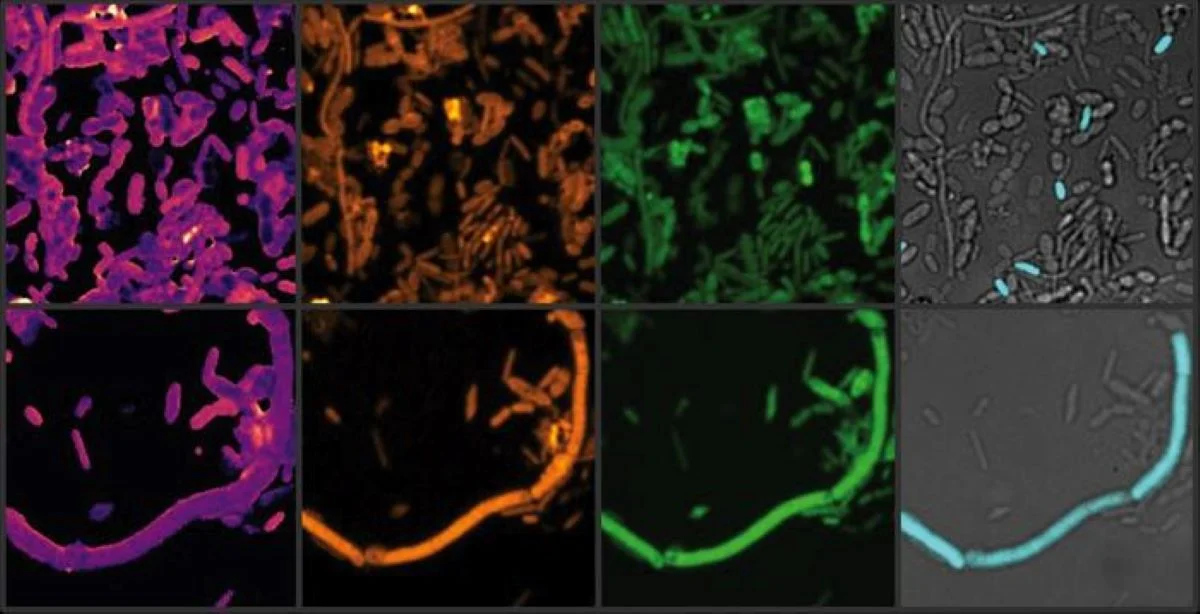
A study reveals that the Parkinson's drug entacapone disrupts the gut microbiome by inducing iron deficiency, promoting the growth of harmful bacteria like E. coli. This highlights the broader impact of human-targeted drugs on microbial health and suggests that targeted iron supplementation could mitigate these effects. The findings emphasize the need for microbiome-conscious drug designs to improve treatment outcomes.

"Uncovering the Link Between Low Iron Levels and Long COVID Symptoms"

Originally Published 1 year ago — by Earth.com

Featured image for "Uncovering the Link Between Low Iron Levels and Long COVID Symptoms"
Source: Earth.com

Researchers from the University of Cambridge have discovered that low iron levels may be the cause of long COVID, with COVID-19 disrupting the body's iron management. Individuals with long COVID showed abnormal iron levels and changes in genes that control iron, leading to ongoing inflammation and signs of anemia. The study suggests a potential role for iron supplementation during the acute phase of COVID-19 infection and as a treatment for long COVID. Symptoms of long COVID include extreme fatigue, difficulty concentrating, shortness of breath, heart problems, pain, and various other health issues. Recovery strategies include seeking medical evaluation, managing symptoms, rehabilitation, maintaining a balanced diet, seeking mental health support, pacing activities, and staying informed about new developments in long COVID research.