MIT researchers have developed iron-iodine particles using metal-organic frameworks that can be added to foods and beverages to combat global nutrient deficiencies, especially iron deficiency, with promising stability and absorption results in tests.

MIT researchers have developed a novel method using metal-organic frameworks (MOFs) to fortify foods and beverages with iron and iodine, aiming to combat global nutrient deficiencies. These stable, crystalline particles can be added to staple foods and drinks without affecting taste or reactivity, and can release nutrients in the stomach. The approach offers a promising solution for improving nutrition in developing regions and beyond.
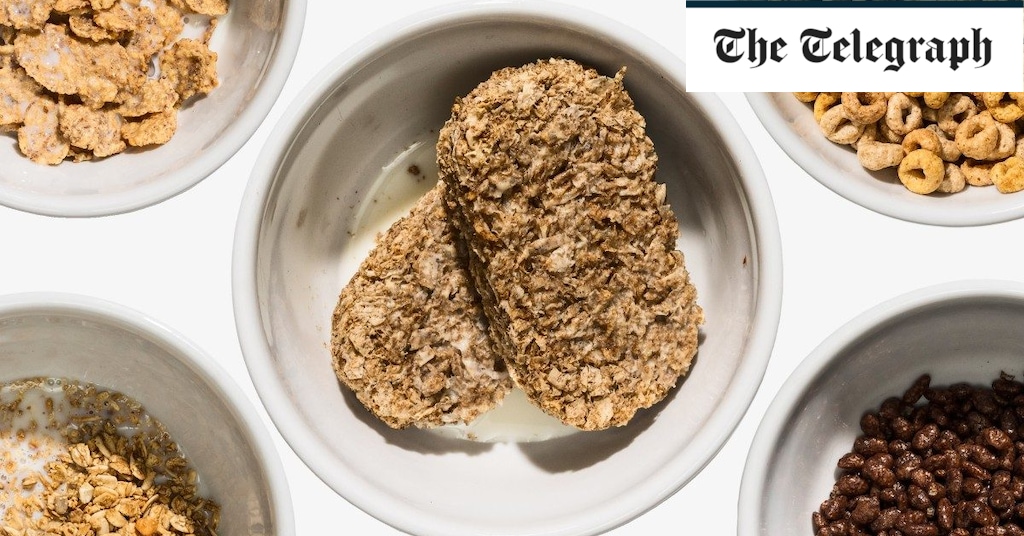
A recent study suggests that supermarket own-brand cereals are not only cheaper but also healthier than big brands. Concerns about fortification and the potential hazards of excessive vitamins and minerals have been raised. Some highly processed cereals may be hard to stop eating and are linked to health risks. However, there are cereals that provide a decent start to the day with good fiber and slow-release carbohydrates. The article also provides a review of various cereals, highlighting their nutritional content and processing level.