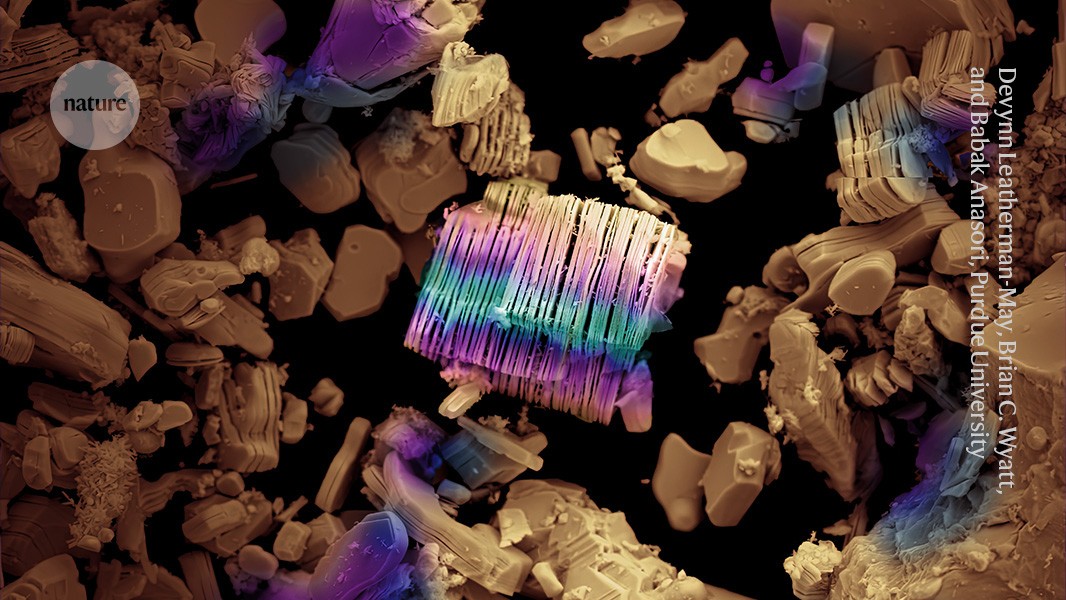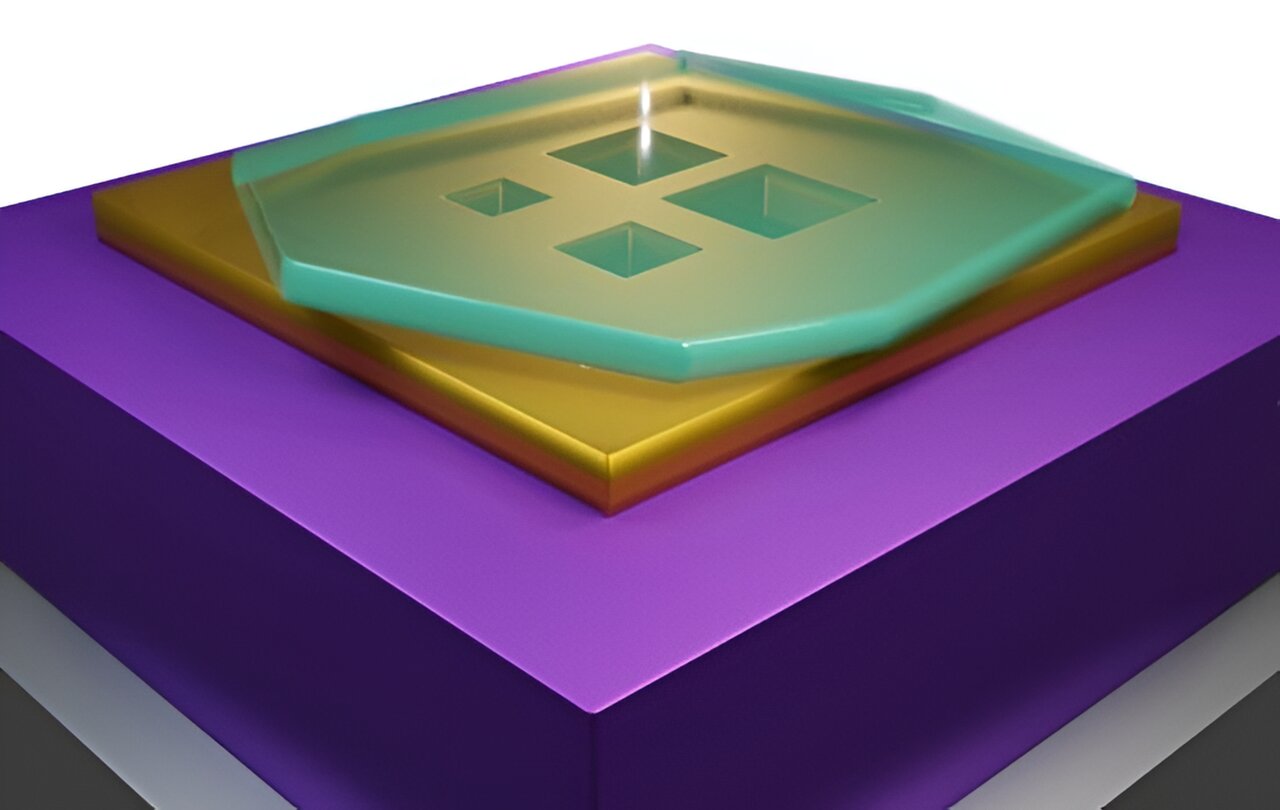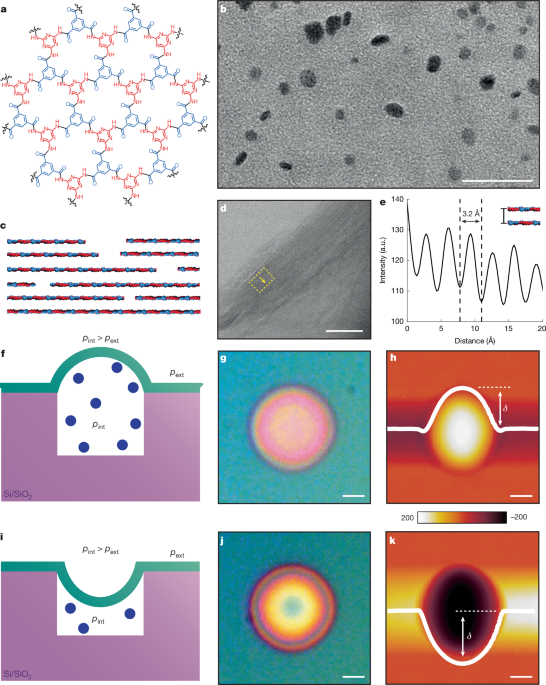
Researchers developed a highly impermeable, molecularly stable polymer from two-dimensional polyaramids, characterized by advanced microscopy, spectroscopy, and gas adsorption techniques, demonstrating its potential for barrier applications due to its robust amide bonds and ordered structure.
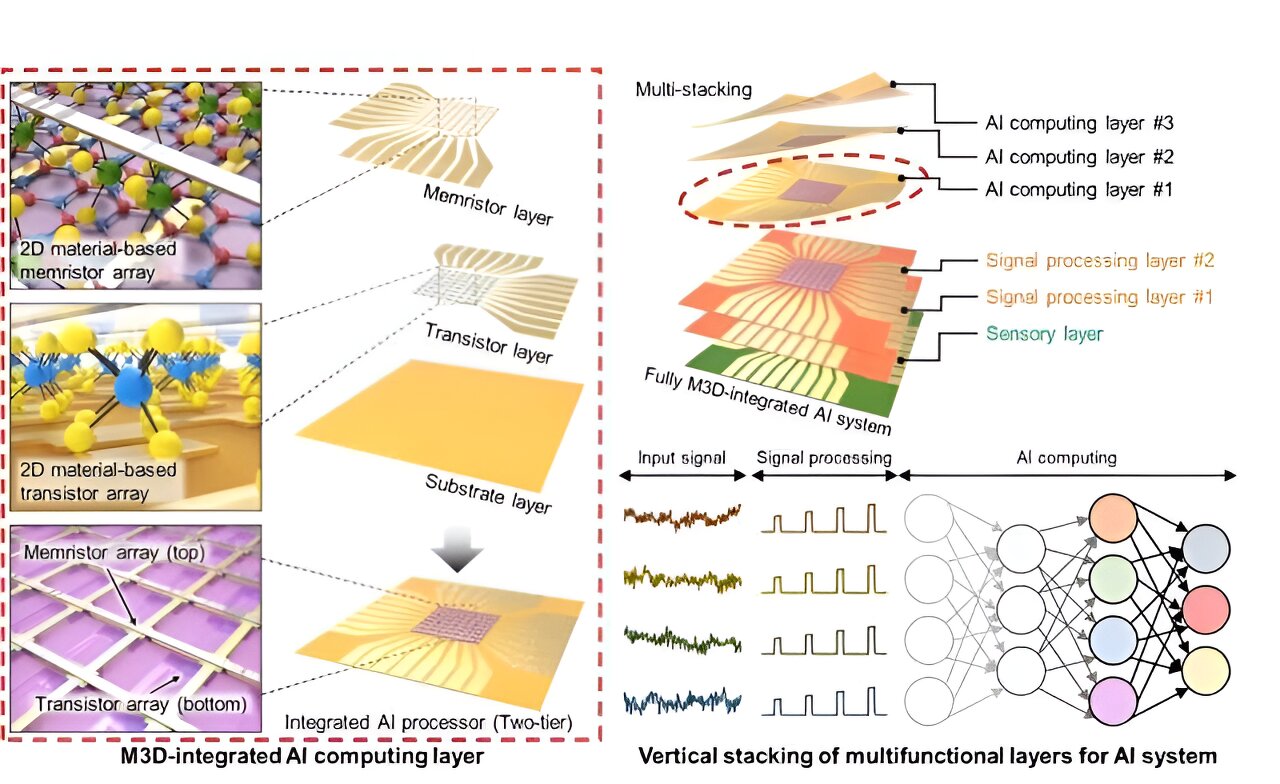
Researchers at Penn State have developed the world's first functioning computer built entirely from two-dimensional atom-thin materials, marking a significant step away from silicon-based electronics and paving the way for ultra-efficient, miniaturized devices.
MIT researchers have developed a magnetic transistor using a magnetic semiconductor material, chromium sulfur bromide, which offers smaller, faster, and more energy-efficient circuits with built-in memory capabilities, overcoming limitations of silicon-based transistors and opening new avenues in electronics design.
Chemists have expanded the family of 2D materials called MXenes by incorporating a record nine metals into a single structure, opening new possibilities for designing advanced materials with unique properties for applications like batteries and electromagnetic shielding.
Researchers have isolated a new supermaterial called 'goldene,' a freestanding, atom-thick sheet of gold with unique electronic and surface properties, created by etching away layers from a layered crystal, opening new possibilities in catalysis, electronics, and medicine.
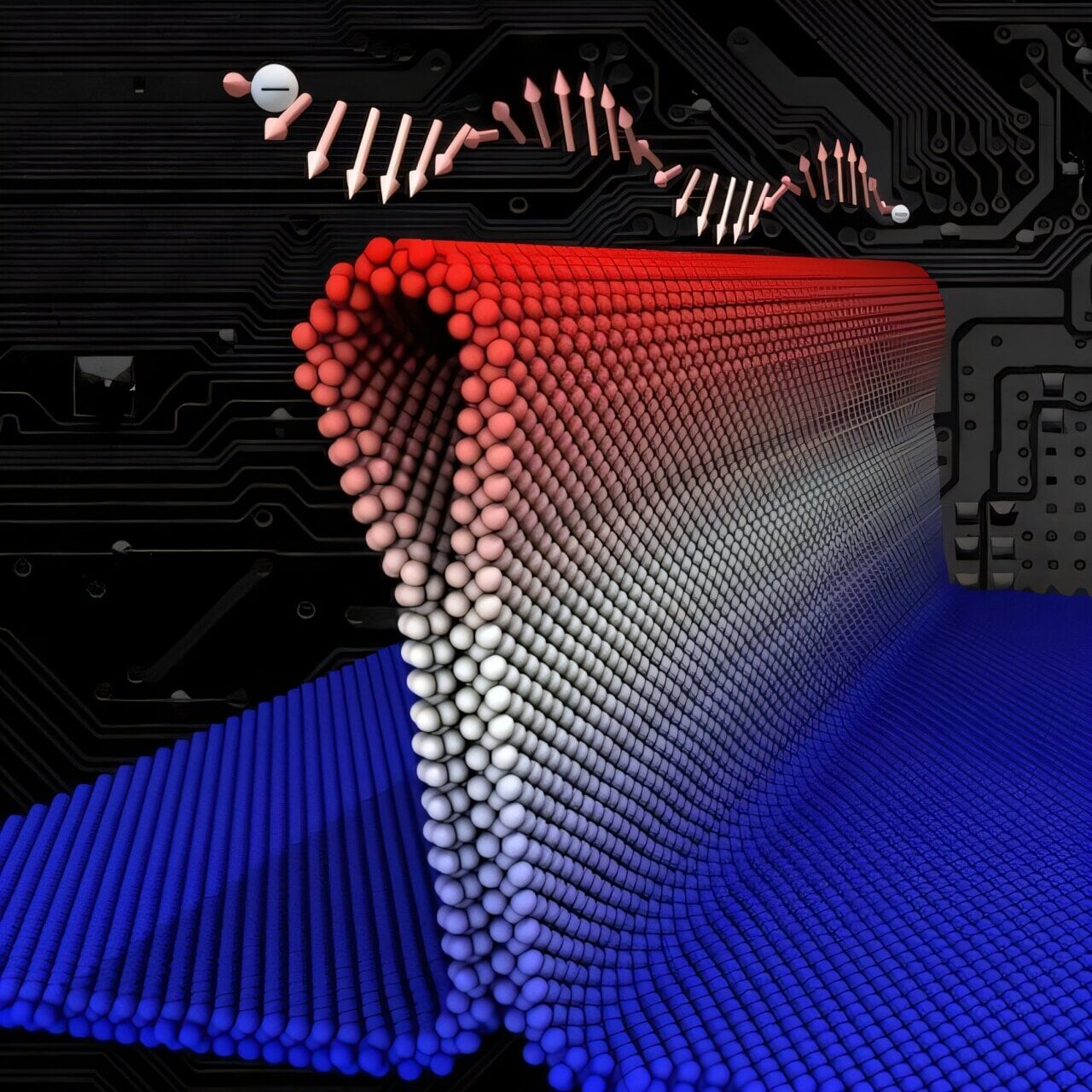
Rice University scientists discovered that tiny wrinkles in atomically thin materials like molybdenum ditelluride can control electron spins with high precision, enabling the development of ultra-compact, energy-efficient spintronic devices by creating persistent spin helix states through mechanical bending and flexoelectric effects.
Scientists at Rice University have developed a new two-dimensional carbon material called monolayer amorphous carbon (MAC), which is eight times tougher than graphene due to its unique combination of crystalline and disordered regions, offering promising applications in flexible electronics and durable devices.
Researchers at the University of Vienna have made a breakthrough in enhancing the stretchability of graphene by rippling it like an accordion, which could lead to advances in flexible electronics. This discovery was facilitated by ultra-clean, air-free measurements that revealed the 'accordion effect,' where corrugations in the material significantly reduce the force needed to stretch it, overcoming previous contradictions about graphene's stiffness.
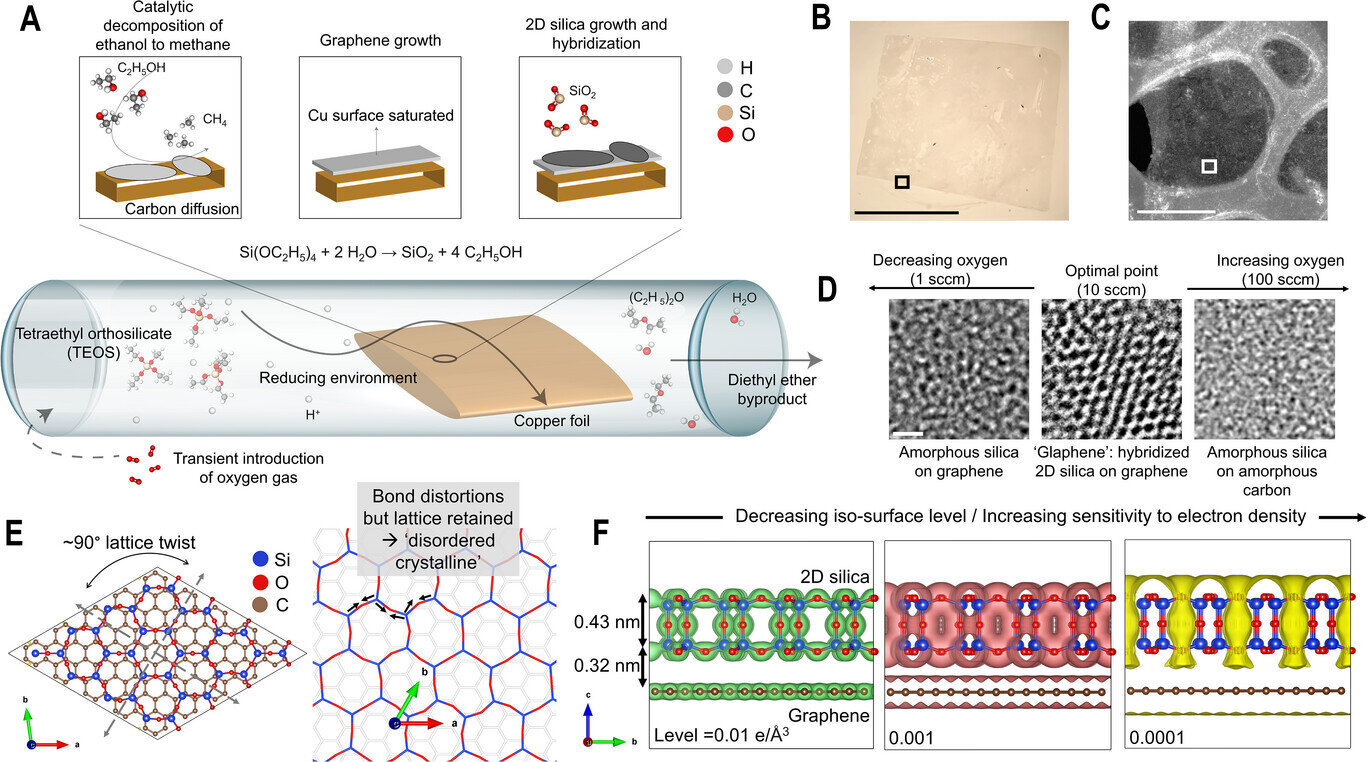
Researchers have created a new 2D hybrid material called glaphene by chemically integrating graphene and silica glass, resulting in a stable compound with unique electronic properties that could enable advanced electronics, photonics, and quantum devices. The synthesis involved a novel two-step process and confirmed through spectroscopy and quantum simulations, revealing strong interactions between the layers that go beyond typical van der Waals bonds.
MIT physicists have predicted the creation of non-Abelian anyons, an exotic form of matter, in atomically thin layers of molybdenum ditelluride without an external magnetic field. These anyons, which can "remember" their space-time trajectories, could be used to form qubits for more reliable and powerful quantum computers. This breakthrough builds on recent discoveries in 2D materials and electron fractionalization, potentially expanding the capabilities of quantum computing.
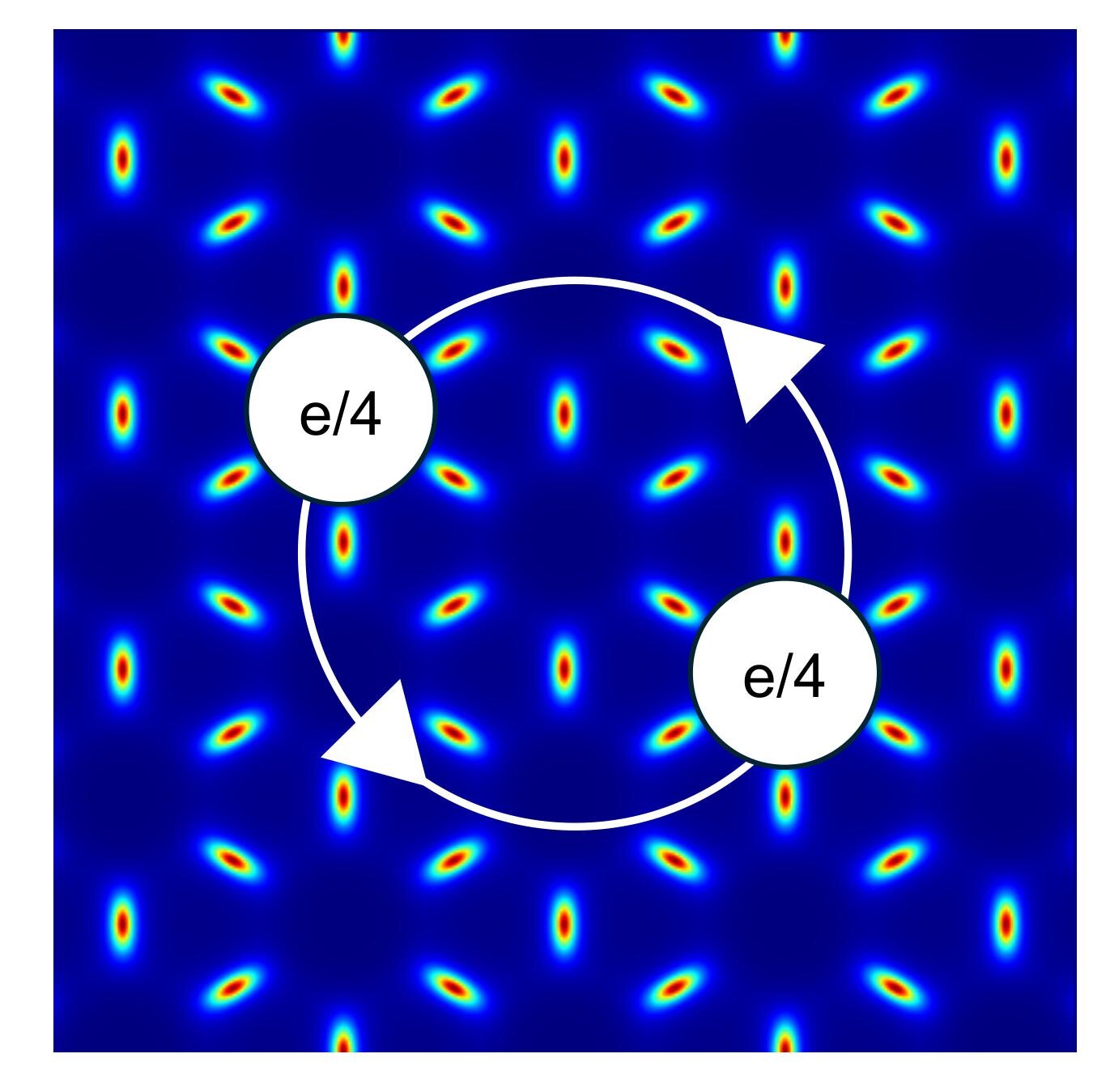
Researchers have observed electrons forming quasiparticles with fractional charges without the influence of a magnetic field, a phenomenon previously unseen. This discovery, made in 2D materials like twisted graphene and molybdenum ditelluride, challenges existing theories and could have significant implications for quantum computing. The exact mechanisms behind this effect remain unclear, prompting further investigation into the role of moiré patterns and potential new quantum phases of matter.
Researchers have developed a novel 2D/3D/2D heterostructure that enhances the energy storage capability of ferroelectric capacitors. By controlling the relaxation time of ferroelectric materials using 2D materials, they achieved an energy density up to 19 times higher than commercially available capacitors, with an efficiency over 90%. This innovation paves the way for high-performance electronic devices, particularly in sectors requiring robust power management solutions, such as electric vehicles and infrastructure development.
Researchers at Linköping University in Sweden have developed a method that allows for the synthesis of hundreds of new 2D materials, expanding the potential for applications in energy storage, catalysis, and water purification. By using a theoretical model to predict suitable parent materials and conducting large-scale calculations, the researchers identified and successfully synthesized a new 2D material, demonstrating the effectiveness of their approach. This breakthrough opens up possibilities for a wide range of technological applications and paves the way for further exploration of potential precursor materials.
The U.S. Naval Research Laboratory and Kansas State University have discovered slab waveguides based on the two-dimensional material hexagonal boron nitride, which can be used to enhance spectroscopy of encapsulated 2D materials. These waveguides, reported in the journal Advanced Materials, have the potential to impact the development of atomically thin electronic and optical devices, offering a way to study elusive dark excitons optically and providing a step towards interfacing 2D materials with existing platforms without damaging them.
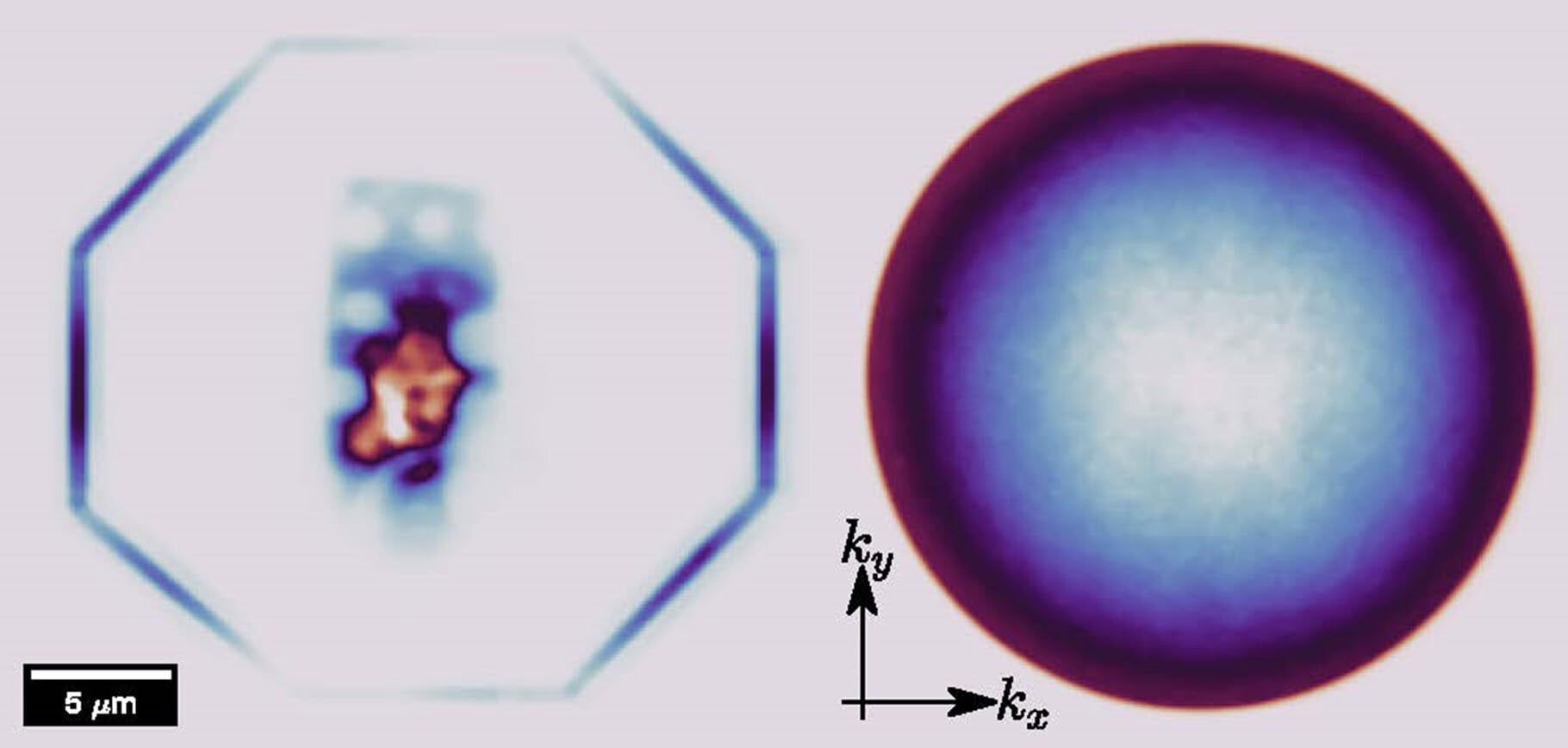
A team of physicists has developed a new type of polaritonic cavities that redefine the limits of light confinement in quantum nanophotonics. By utilizing hyperbolic-phonon-polaritons in 2D materials, they have created nanocavities smaller than 100x100nm² that confine light for significantly longer durations, overcoming the challenge of dissipation. This breakthrough opens doors to novel applications and advancements in quantum photonics, pushing the boundaries of what was previously thought possible.