MIT researchers have developed a new design technique that accounts for 3D printing limitations, such as print head size and weak layer bonding, resulting in more reliable and accurate complex material structures, especially for aerospace and biomedical applications.
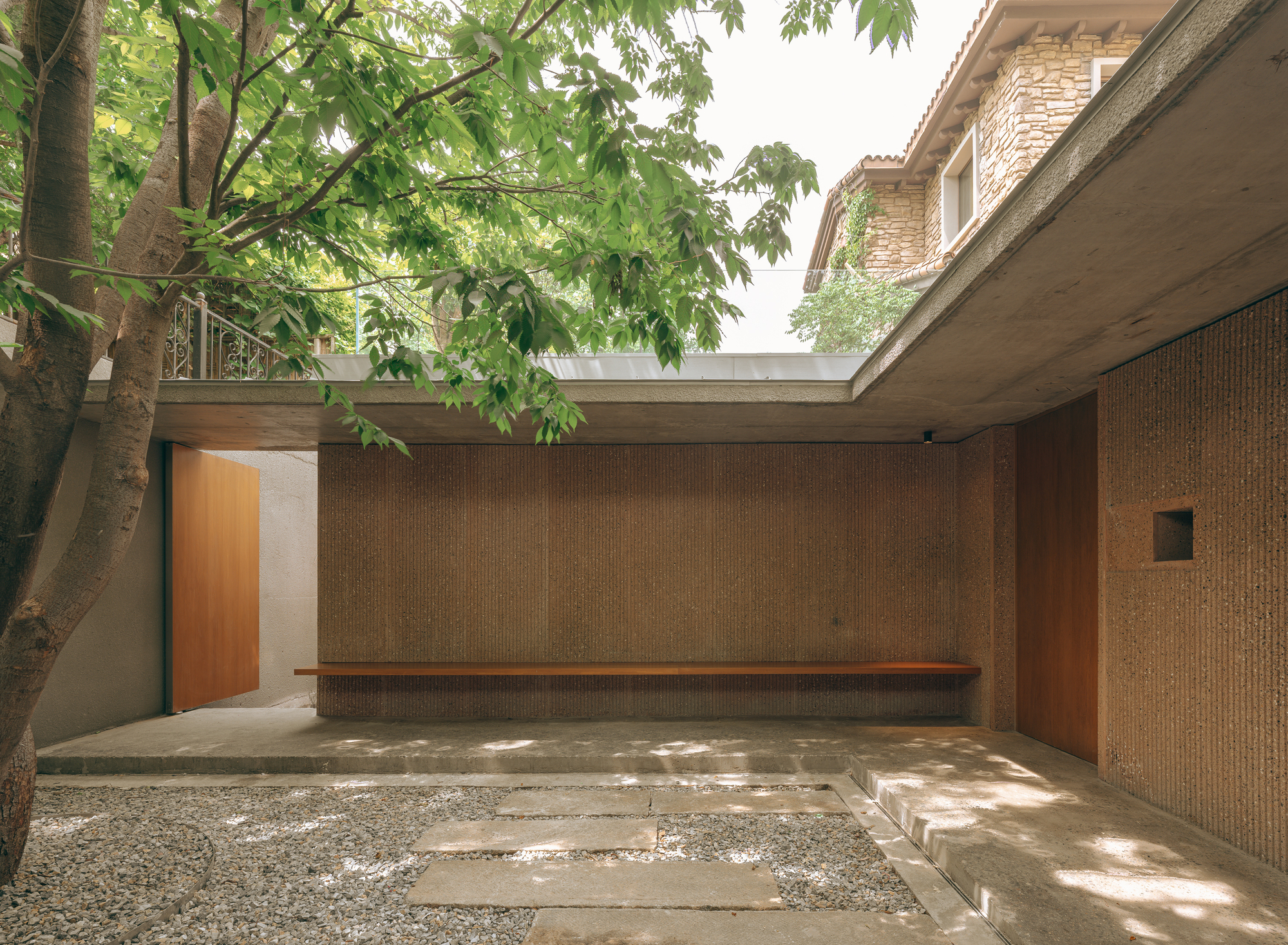
House M, designed by Atelier About Architecture and completed in 2025 in Beijing, is a multi-story residence that emphasizes horizontal layering through five courtyards, creating a fluid, interconnected space that captures natural light and reflects nostalgic memories. The design incorporates customized pigmented concrete panels, blending old and new, to evoke a serene and tactile environment that deepens family interactions and personal memories.
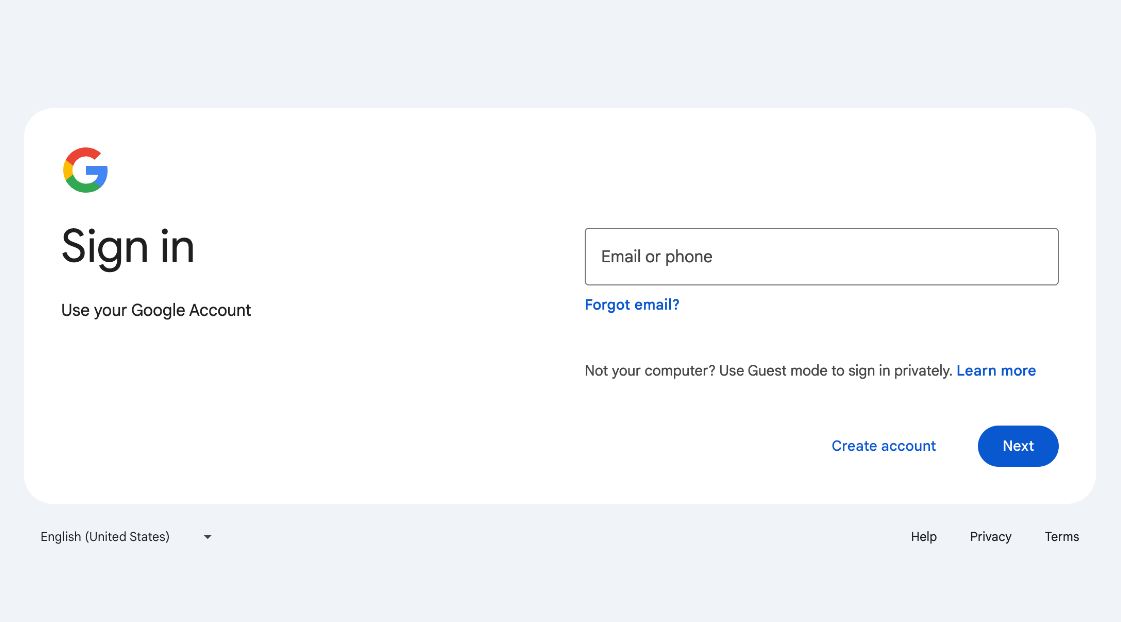
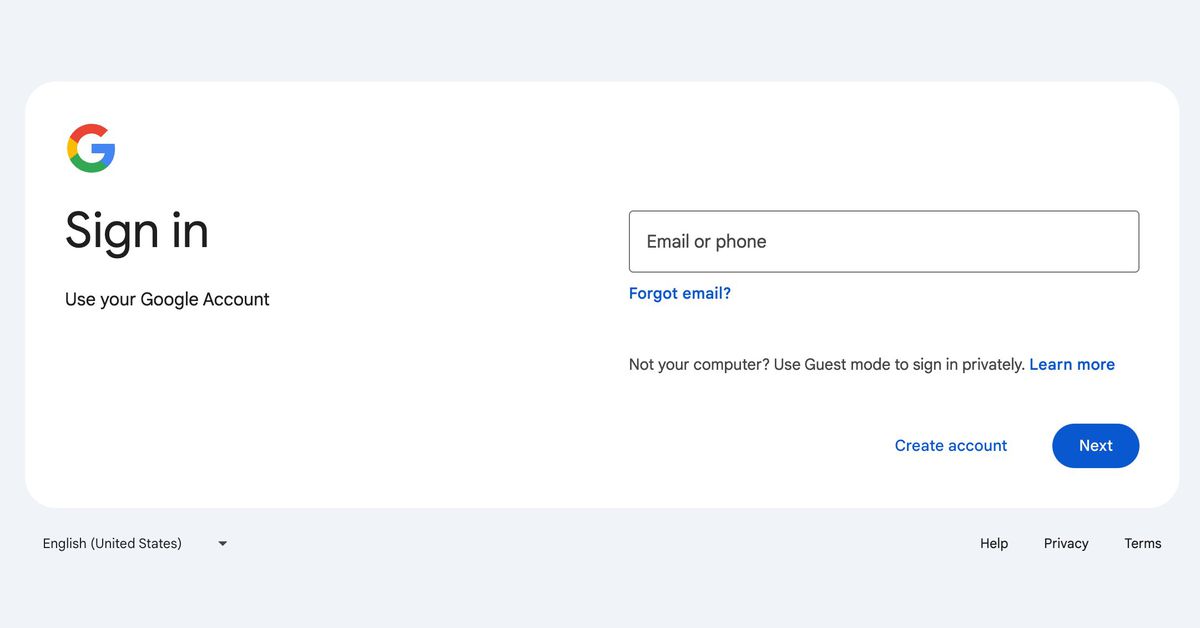
Google is rolling out a redesign for its Account sign-in page across all services, featuring a more modern look in line with Material Design. The new layout is responsive and adjusts to different screen sizes, with changes including left-aligned elements, a pill-shaped "Next" button, and a revised placement of the email/phone text field. This visual update will be available for all personal Google Account and Workspace customers in the coming weeks, with no functionality impacts or changes.
Google is rolling out a new sign-in page with a cleaner design, aligning it with the company's Material Design ethic and making it automatically adjust to screen size. The changes are small and won't affect functionality, but the refresh is a permanent update that will be gradually rolled out between February 21 and March 4, 2024.
Google is rolling out a new, more modern-looking sign-in page for Google accounts, featuring a light Material Design makeover and horizontal alignment for better screen compatibility. The sign-in steps remain the same, and users will still be prompted for passwords or other authentication methods. The rollout, starting on February 21st and ending on March 4th, 2024, will be gradual and users will have no control over the change.
Google is introducing a redesign for its Account sign-in page, aligning it with Material Design principles and featuring a more modern look. The update includes repositioning the email/phone text field, using a pill-shaped "Next" button, and incorporating a language switcher, Help, Privacy, and Terms at the bottom. The change is purely visual and will not impact functionality, with the rollout starting today and full availability expected in the coming weeks for all personal Google Account and Workspace customers.
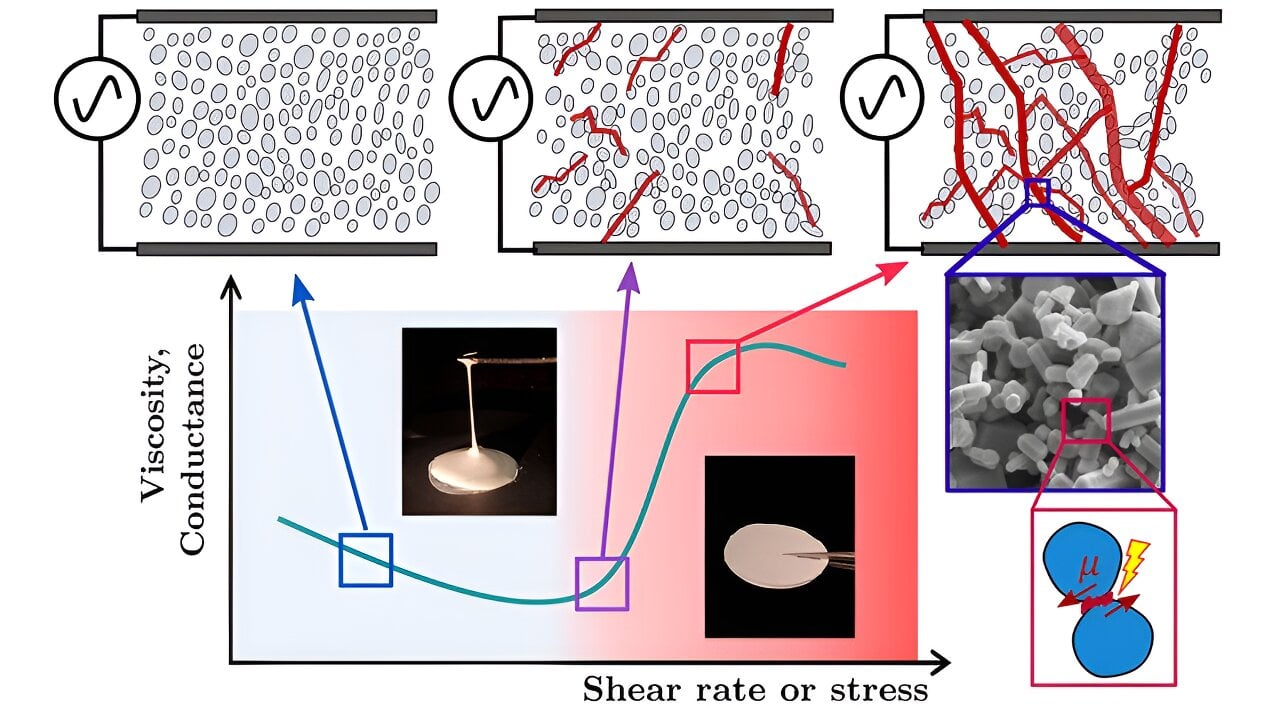
Researchers at the University of Chicago's Pritzker School of Molecular Engineering have used piezoelectric nanoparticles to study the physics of non-Newtonian fluids, such as oobleck. They discovered that friction between particles plays a crucial role in the transition of these fluids from a liquid to a more solid structure. This understanding could lead to the design of new non-Newtonian fluids with practical applications, such as paint that doesn't clump, liquids that harden when shaken, and wearable protective gear that stiffens upon impact. The research also paves the way for the development of adaptive and responsive materials that become stiffer under mechanical force.
Google Drive is introducing a redesigned homepage that utilizes machine learning algorithms to suggest files and folders, making it easier for users to find their documents. The update also includes new search filters and separate tabs for files and folders. Google Drive is addressing a bug that caused files to go missing from users' drives and expects a solution in the next few days. Additionally, the cloud storage service is expanding its document scanning feature to iOS devices, a decade after launching it on Android. The new homepage is now the default view for all Google Workspace users and personal Google Accounts.
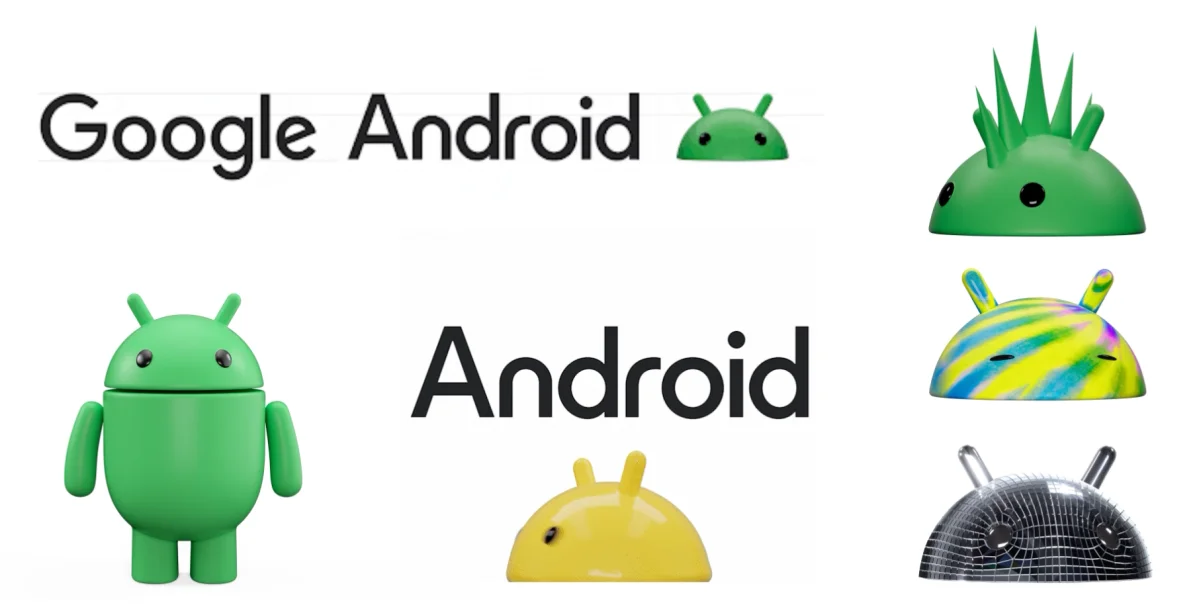
Google has unveiled a redesigned logo for Android, adopting a more modern look inspired by Material design. The new logo features a refreshed and dynamic robot that reflects individual passions, personality, and context. However, some critics argue that the redesign conforms to the trend of ultrahomogenous sans-serif logotypes seen in recent years.
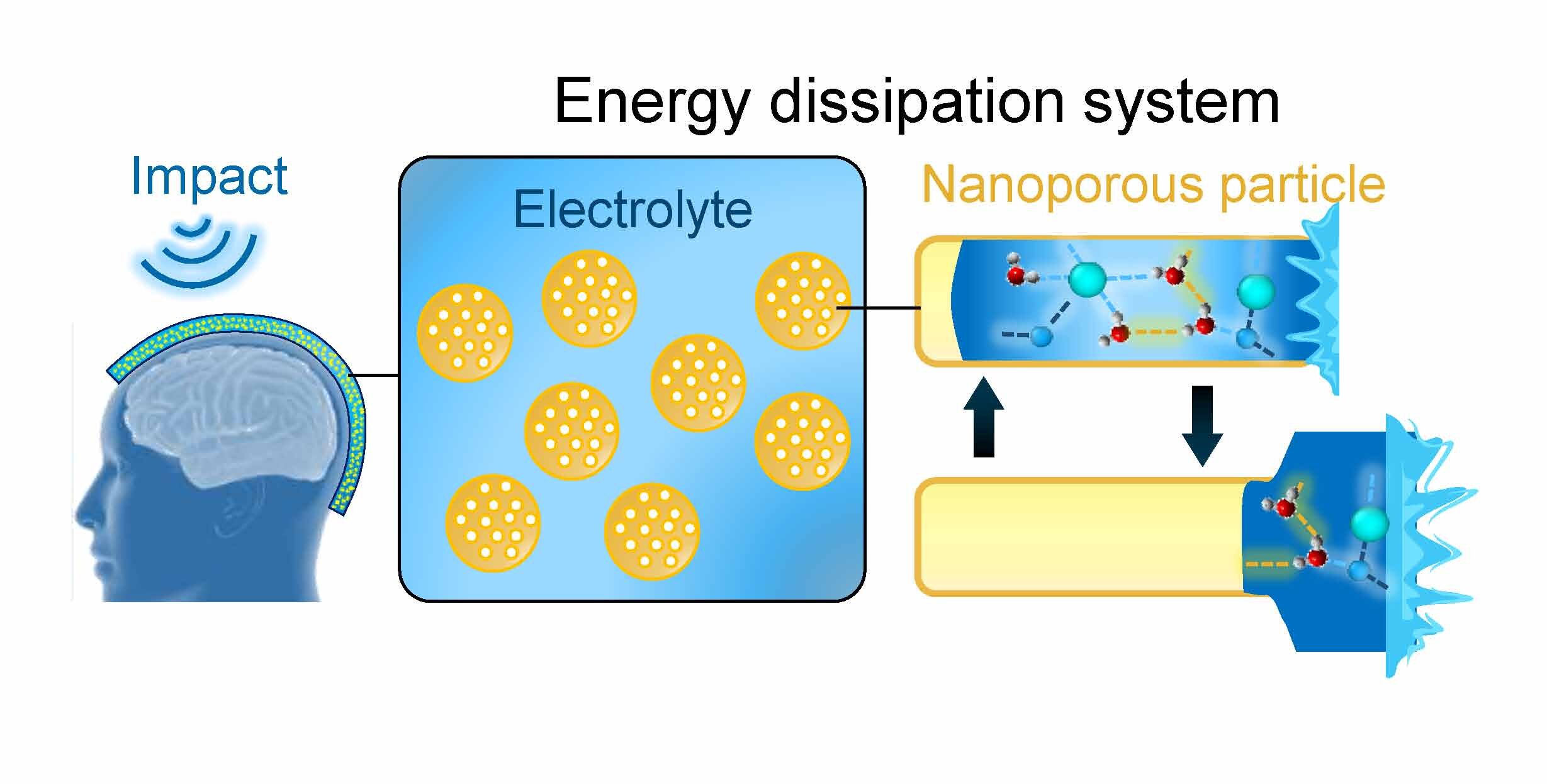
Researchers at the University of Virginia have made a breakthrough in material design by integrating nanofoam with "non-wetting ionized liquid," creating a liquid cushion that enhances the protective capabilities of sports equipment, such as football helmets. This versatile material can absorb and disperse impact forces, reducing the risk of injury. It is also promising for use in protecting car occupants and aiding hospital patients using wearable medical devices. The liquid nanofoam cushion is more flexible, comfortable, and resilient, making it a significant advancement in safety technology.
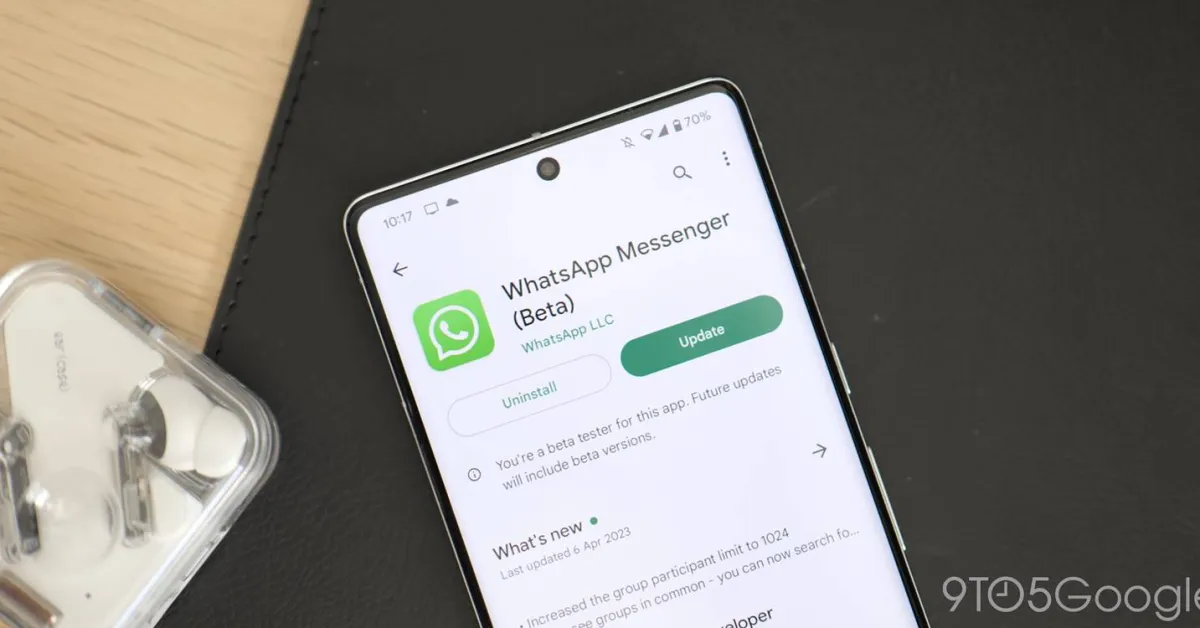
WhatsApp for Android beta is rolling out new updates including Material Design elements and support for group profile pictures. The feature of changing the profile picture on group chats has been revived for Android users, but it's not working for all users yet.