MIT research shows that dietary cysteine can activate immune signaling to promote intestinal regeneration, potentially aiding recovery from radiation and chemotherapy damage, with implications for human health and tissue repair.
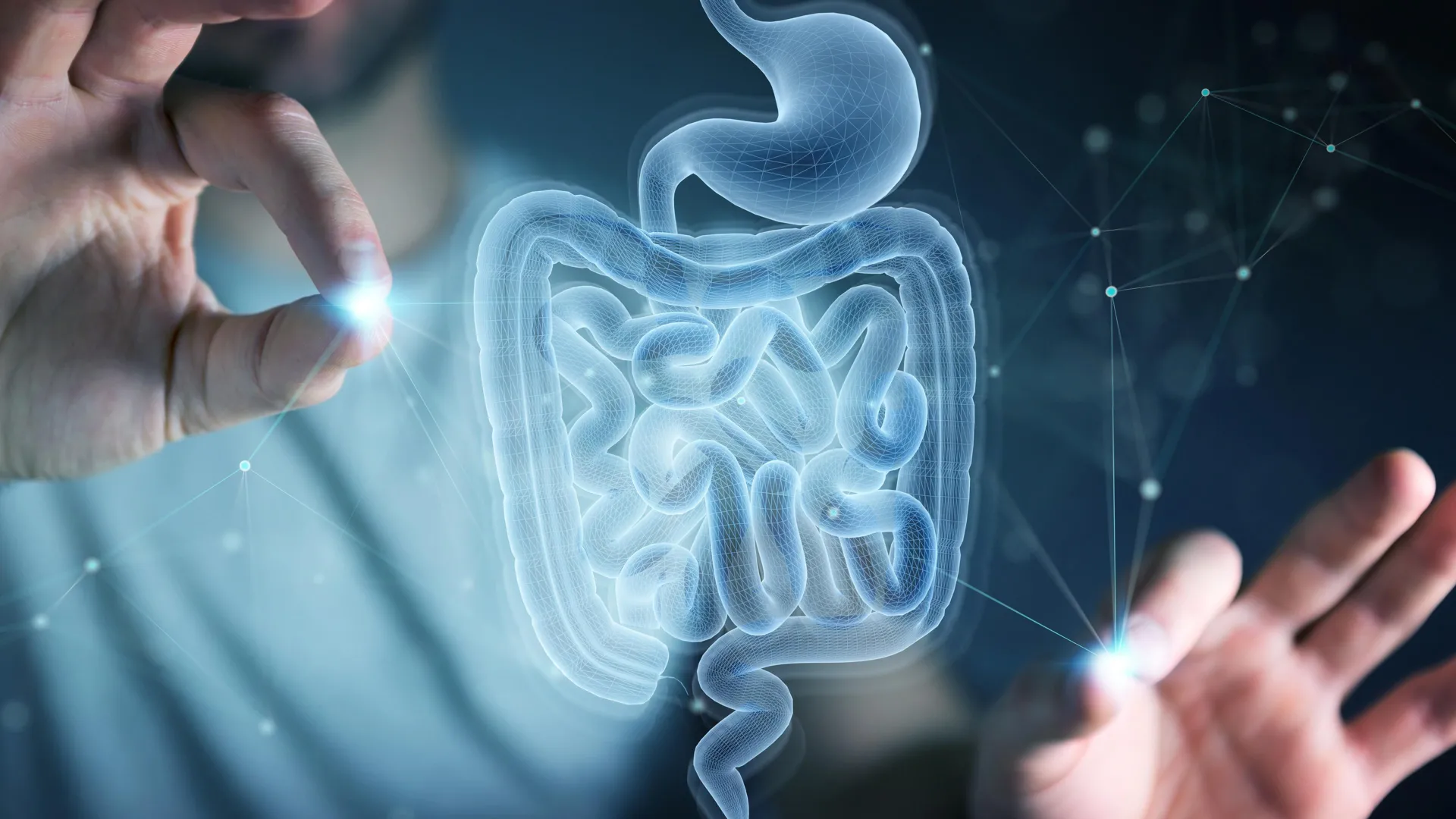
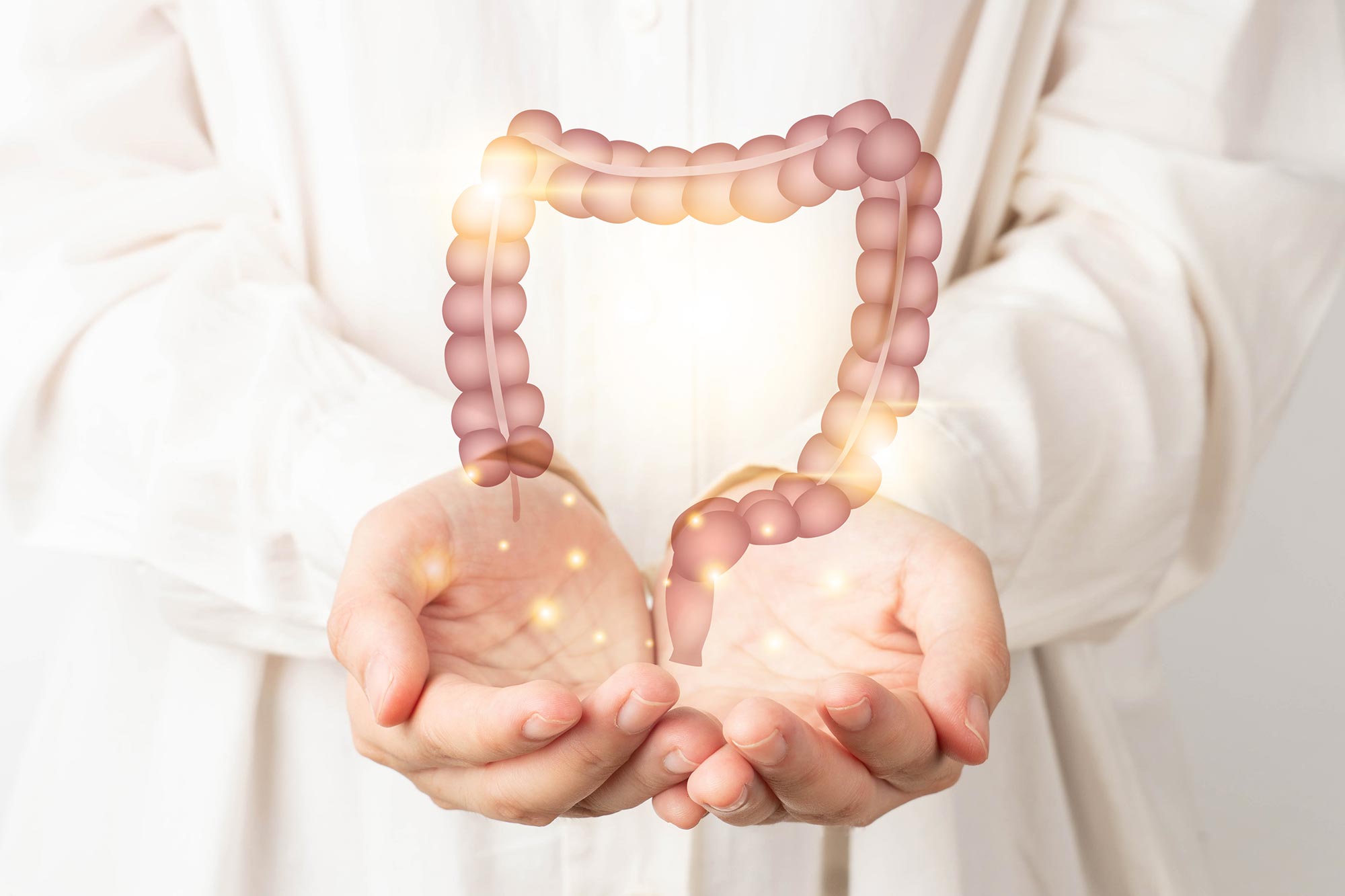
MIT researchers discovered that a diet high in the amino acid cysteine can activate immune pathways that promote stem cell regeneration in the small intestine, potentially aiding in tissue repair after radiation or chemotherapy damage. The study, conducted in mice, suggests that increasing cysteine intake through diet or supplements could enhance intestinal healing, with implications for cancer treatment recovery.
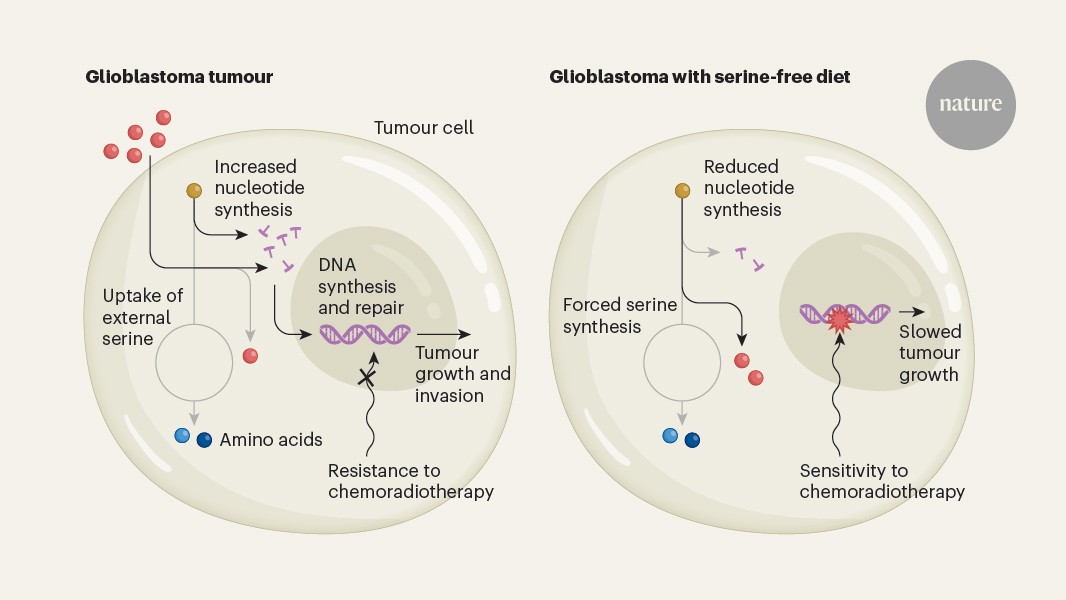
Research suggests that depriving glioblastoma, an aggressive brain cancer, of the amino acid serine could slow tumor growth and potentially improve the effectiveness of chemotherapy by exploiting a metabolic vulnerability specific to the cancer.
Scientists have discovered that reducing the amino acid cysteine in fat tissue can trigger the transformation of white fat into calorie-burning brown fat, leading to significant weight loss and increased fat burning, suggesting new strategies for weight management beyond calorie restriction.
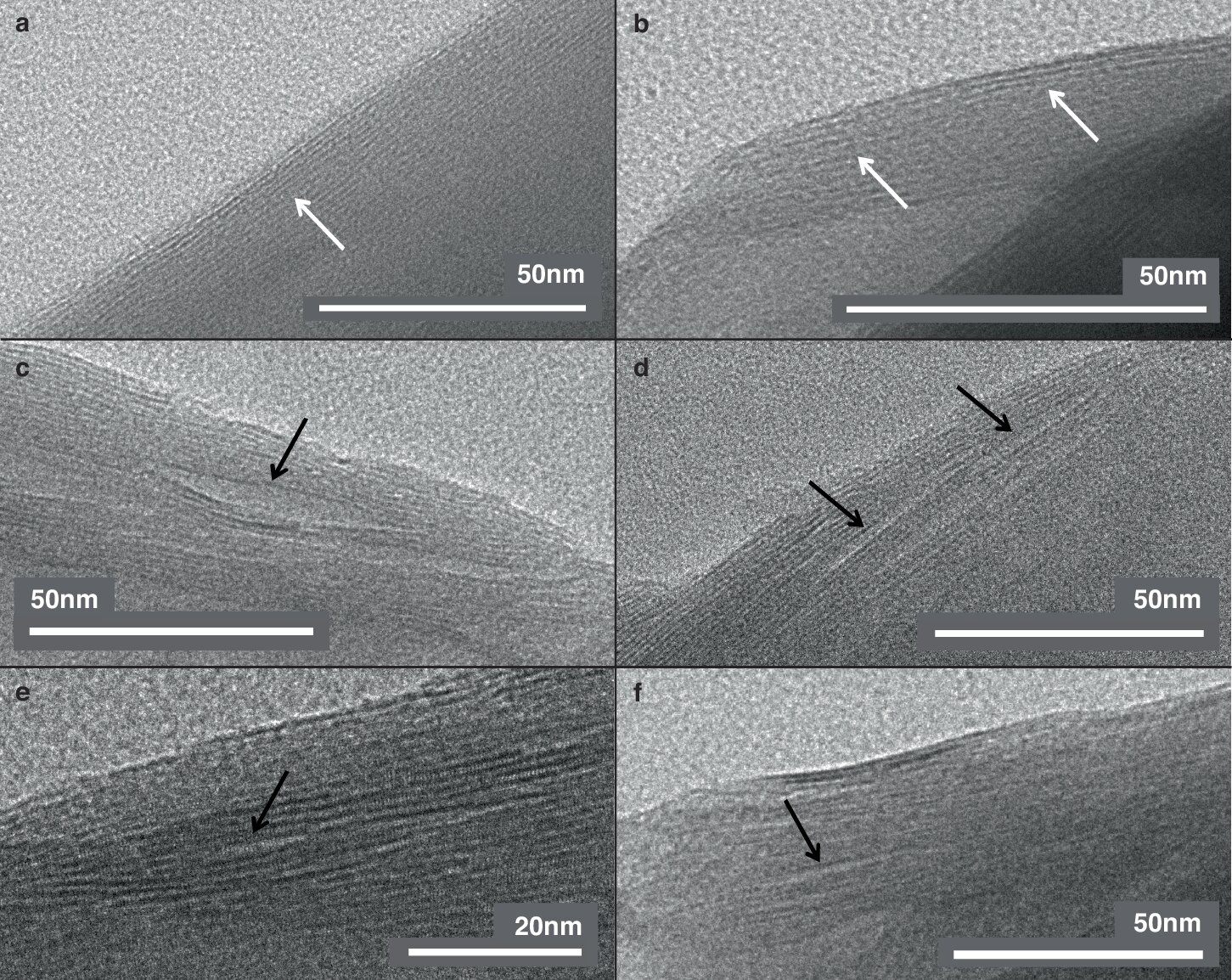
Researchers found that gamma-aminobutyric acid (GABA), a molecule common in meteorites, causes partial exfoliation in montmorillonite clay, creating nanocavities that could have facilitated prebiotic chemistry and the emergence of life on Earth.
Scientists have discovered evidence of the amino acid tryptophan in the interstellar material of the IC348 star system, suggesting that protein-building amino acids are prevalent in areas where stars and planets develop. The finding, based on data from the Spitzer Space Observatory, hints at the potential for life in exoplanetary systems and may contribute to the early chemistry of planetary systems around other stars.
Researchers at the University of Florida have discovered a link between the amino acid glycine and depression through their research on brain cell signaling. They found that a receptor called GPR158, which binds to glycine, is connected to stress-induced depression. The discovery could lead to the development of new antidepressants. Depression affects millions of people, and while numerous medications treat depression, it can be hard to find the right one. More research is needed to target glycine specifically towards the mGlyR receptors in the brain.