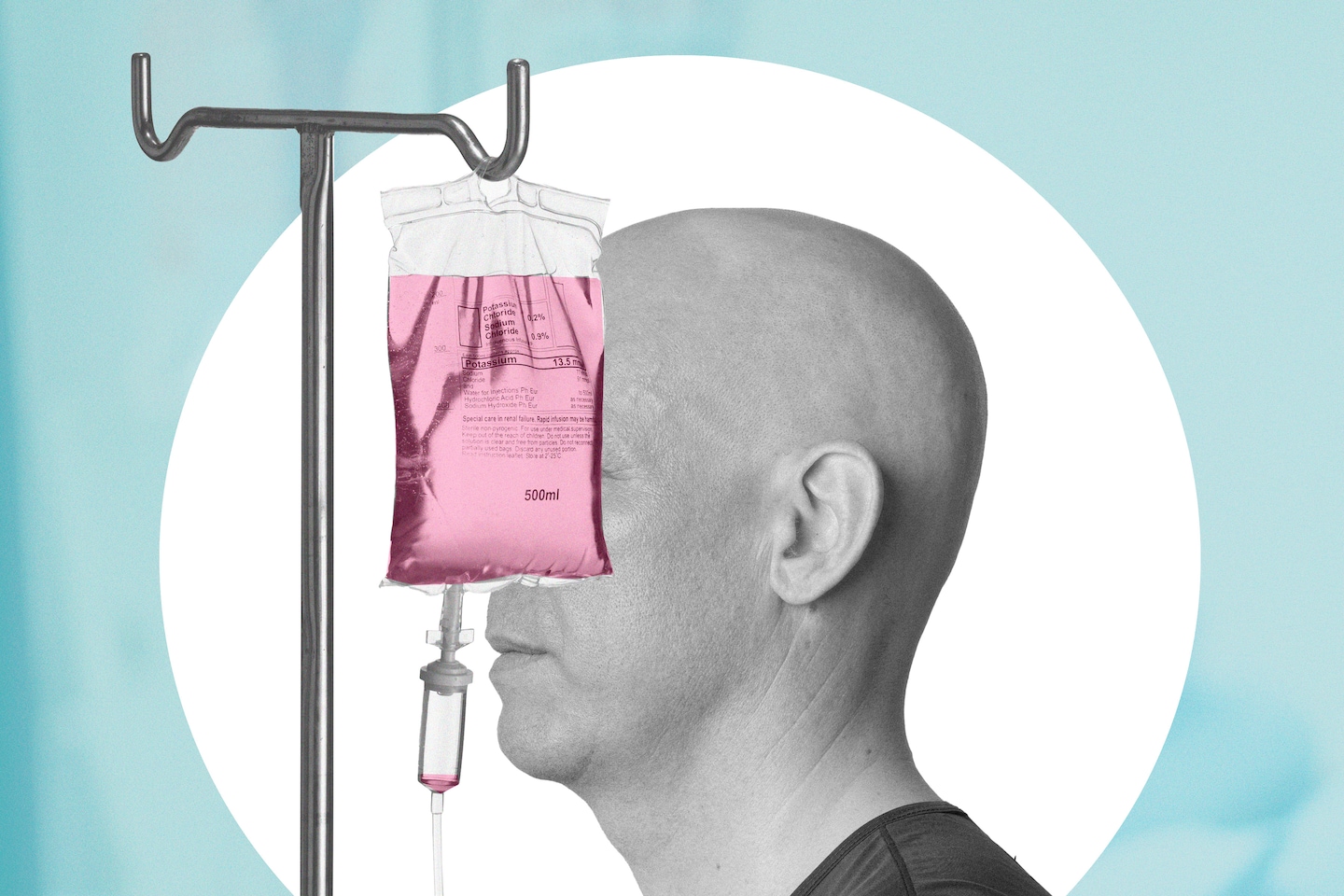
A study suggests that 'chemo brain', the cognitive difficulties following chemotherapy, may be caused by damage to the brain's lymphatic system, specifically the meningeal lymphatics, due to chemotherapy drugs like taxanes, which impair the brain's waste drainage and are linked to memory and behavioral changes.
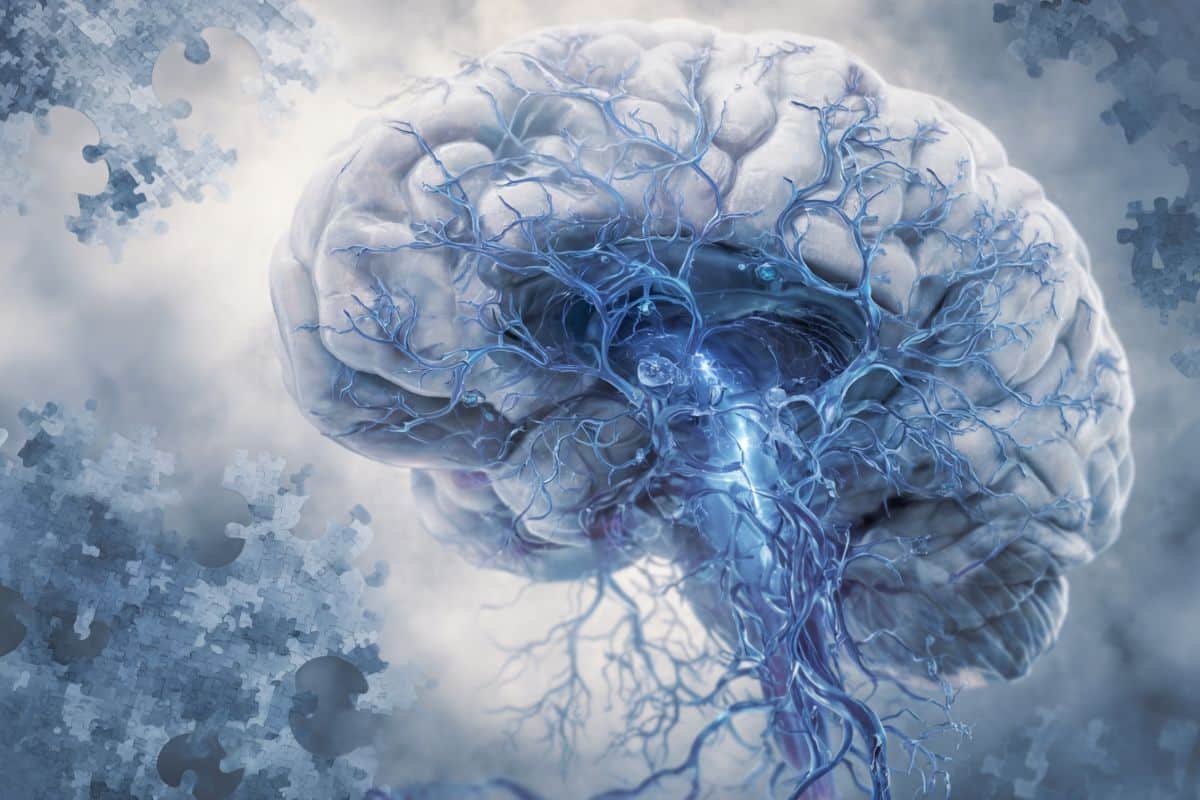
Research indicates that chemotherapy drugs like docetaxel damage the brain's lymphatic vessels, impairing waste drainage and potentially causing 'chemo brain' symptoms such as memory loss, with women being more affected. The study used mouse and human tissue models to demonstrate lymphatic shrinkage and reduced drainage, linking these changes to cognitive deficits, and suggests exploring therapies to restore lymphatic health without compromising cancer treatment.
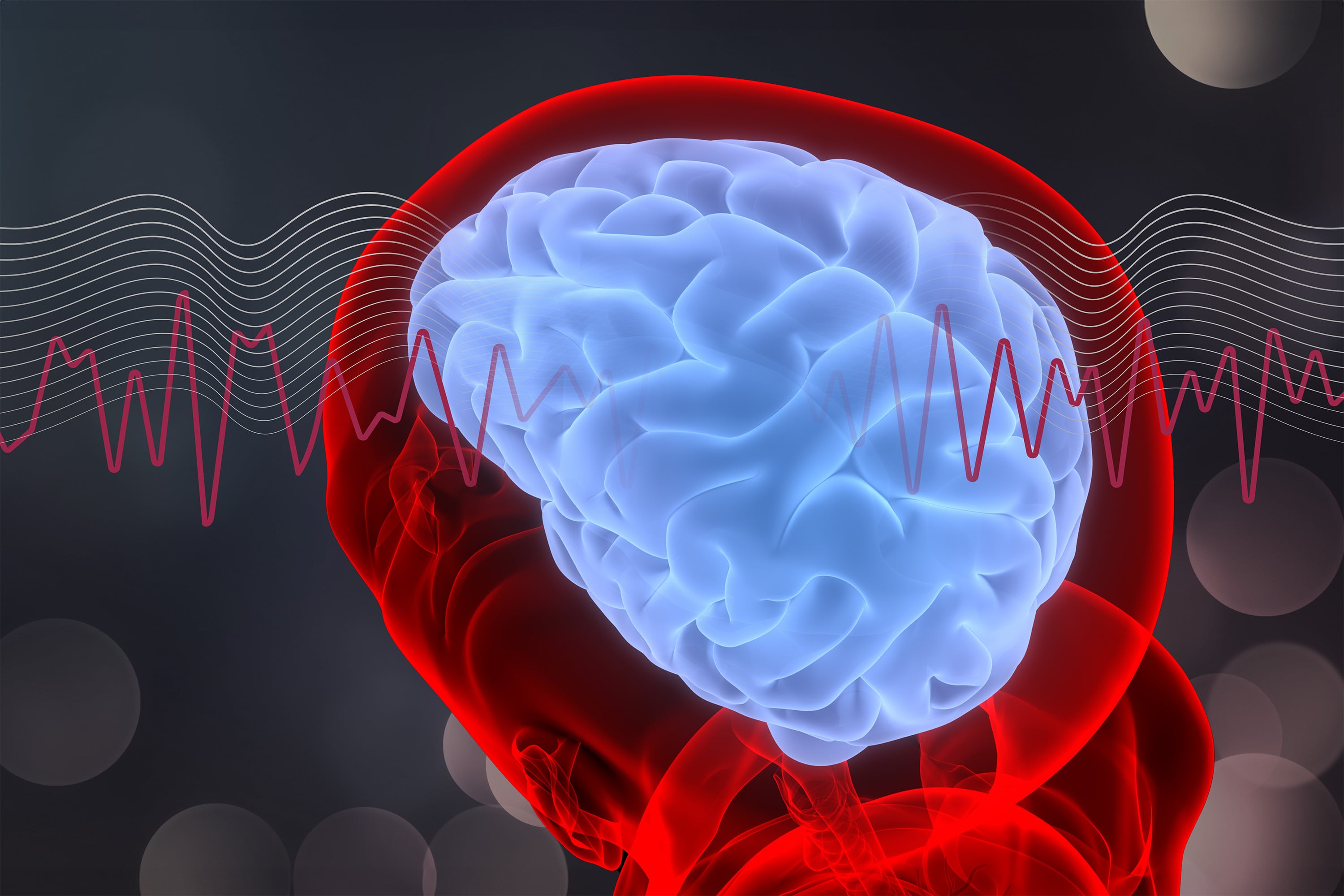
MIT researchers have discovered that a noninvasive treatment involving light and sound stimulation at 40 hertz can protect brain cells from chemotherapy-induced damage and prevent memory loss and cognitive impairment in mice. This treatment, originally developed for Alzheimer's disease, has shown promising effects in countering the cognitive effects of chemotherapy and has potential applications for various neurological disorders. The treatment stimulates gamma waves in the brain, reducing DNA damage, inflammation, and promoting the production of myelin-producing cells. Clinical trials in Alzheimer's patients have shown positive results, and the researchers are now exploring its potential for other neurological conditions.
Researchers believe they have identified the cause of "chemo-brain," a condition characterized by memory and attention problems in cancer patients undergoing treatment. The study suggests that an excess of calcium floating in the brain may be responsible for these cognitive symptoms. The findings could potentially lead to new treatments to restore cognitive function in cancer patients. Excess calcium build-up is also associated with cognitive deficits in other conditions such as Alzheimer's, long Covid, and PTSD.
Cancer-related cognitive impairment (CRCI), commonly known as "chemo brain," affects about 75% of cancer patients during treatment, with 35% reporting persistent symptoms after treatment ends. While the exact cause of CRCI is unknown, inflammation and cancer itself are believed to play a role. Treatments for CRCI include exercise, cognitive behavioral therapy, sleep, mindfulness, and psychostimulants. No FDA-approved medications are available for CRCI, but researchers are making progress in repurposing already approved drugs to treat it.