Tag

Bacteriophages

All articles tagged with #bacteriophages

space-exploration15 hours ago

Microgravity reshapes phage–bacteria battles on the ISS

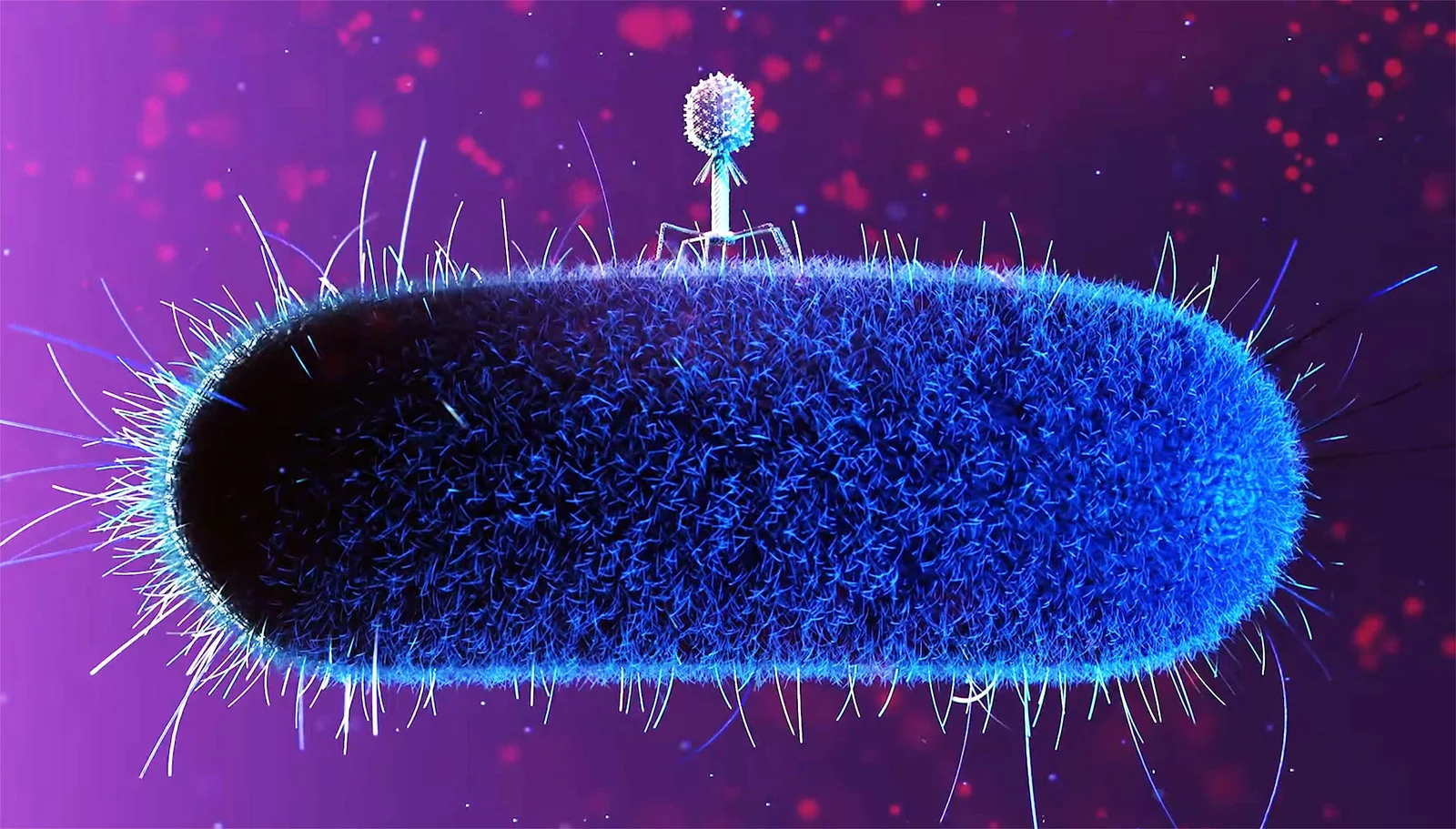
A Space.com study compared T7 phage infections of E. coli in identical setups on the ISS and on Earth. In microgravity, infection slowed at short incubation times due to reduced fluid mixing and host stress, but after 23 days the infection could still proceed with fewer bacteria. The research also found microgravity-specific mutations in the phage genome, suggesting space conditions steer phage–host evolution differently. These results have implications for spaceflight microbiology and potentially for Earth-based phage therapies, though more work is needed to assess long-term health risks for astronauts.

science1 day ago

Spaceflight Changes How Bacteriophages Evolve with Bacteria

Scientists aboard the International Space Station studied T7 phages infecting E. coli and found that microgravity slows the initial infection but drives unique co-evolution, with mutations arising in space that are not common on Earth; findings imply space environments shape microbial evolution and could inform Earth-based phage therapies against drug-resistant infections.

biology16 days ago

Widespread Presence of Persistent Lytic Phages in Bacterial Genomes

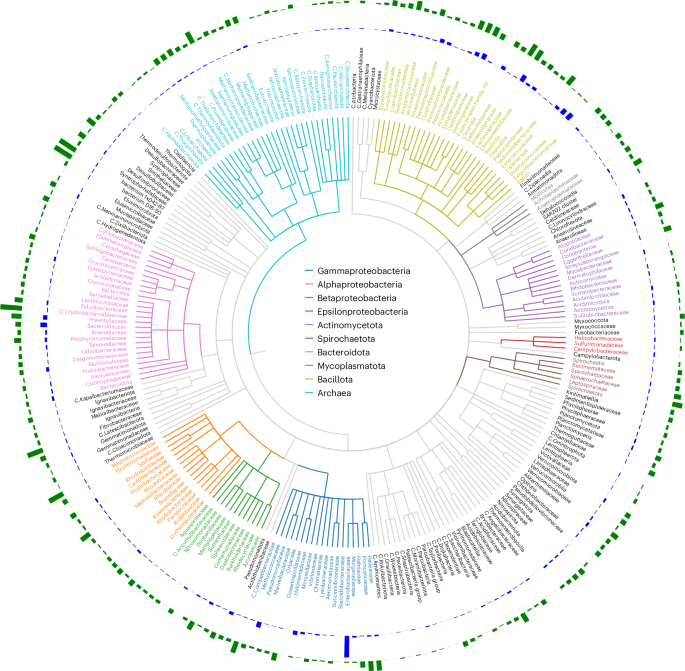
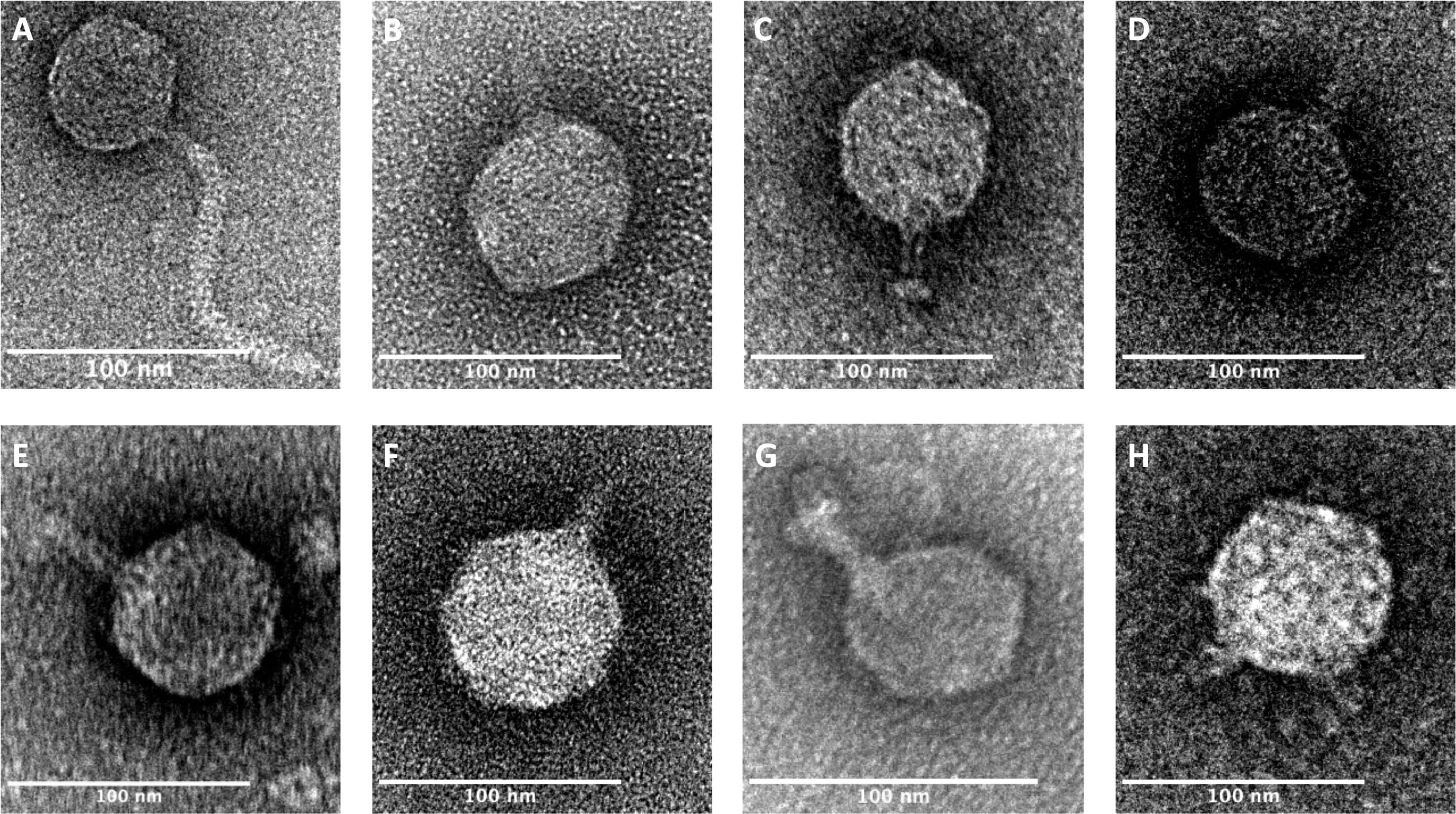
A large-scale genomic analysis revealed over 100,000 complete lytic phages embedded within bacterial genomes across diverse species and environments, challenging traditional phage classification and highlighting their potential in therapy and ecology. The study identified new phage lineages, expanded known groups, and found therapeutic phages naturally present in bacterial populations, suggesting a broader and more dynamic phage-bacteria interaction than previously understood.

health3 months ago

Old Virus Therapy Offers New Hope Against Superbugs

Researchers are revisiting phage therapy, an old method using viruses to kill bacteria, as a potential solution to the growing problem of antibiotic-resistant superbugs. A recent study highlights how bacteria like Bacillus subtilis defend themselves against phages, revealing new insights that could improve phage therapy's effectiveness. Despite challenges such as immune system interference, the renewed interest aims to develop alternative treatments to antibiotics amid a looming public health crisis.

science4 months ago

Ancient Bacteriophages Offer New Hope Against Superbugs

Imperial College London researchers discovered how 'pirate phages' hijack other viruses to transfer genetic material between bacteria, potentially advancing new treatments for drug-resistant infections and enhancing rapid diagnostics. They found that cf-PICIs hijack tails from unrelated phages to broaden their host range, facilitating the spread of resistance traits. This understanding could lead to innovative therapies and diagnostic tools, with ongoing efforts to develop applications and validate AI-driven research acceleration.,

health1 year ago

Phage Therapy: The Viral Solution to Antibiotic Resistance

Phage therapy, which uses bacteriophages to target bacterial infections, is gaining renewed interest as an alternative to antibiotics, which are becoming less effective due to overuse and bacterial resistance. Scientists like Biswajit Biswas and Carl Merril are exploring how phages can persist in the body and potentially evolve to avoid being filtered out by the immune system, offering hope against antibiotic-resistant superbugs. This approach, once overshadowed by antibiotics, is being revisited as a promising solution to combat rising bacterial resistance.

health1 year ago

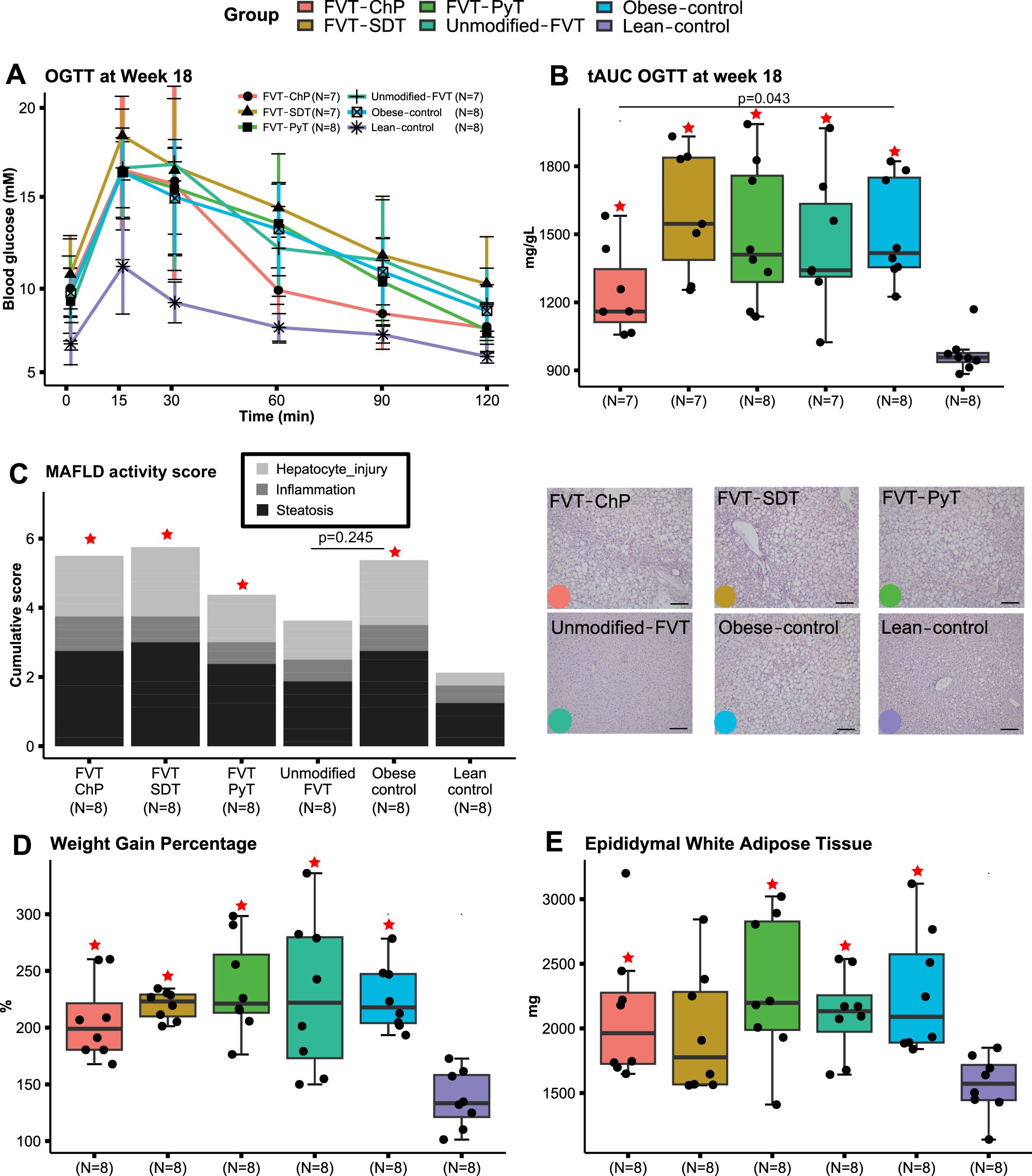
Advancements in Fecal Transplants Enhance Safety and Efficacy for GI Disorders

Researchers at the University of Copenhagen have developed a new method to improve fecal transplants by cultivating beneficial bacteriophages from feces through fermentation. This technique aims to create a standardized, bacteria-free treatment that could be used for a wider range of gastrointestinal disorders and potentially other health issues. Initial studies in mice have shown promising results, particularly in treating infections with Clostridioides difficile, suggesting the potential for broader medical applications.

health1 year ago

"Overcoming Barriers: Advancing Phage Therapy for Drug-Resistant Infections"

Phage therapy, which uses bacteriophages to target and kill drug-resistant bacteria, is gaining renewed interest as a potential solution to antibiotic resistance. While promising, challenges such as building comprehensive phage libraries, conducting clinical trials for FDA approval, and addressing purification and delivery issues remain. Despite some successful cases, including the treatment of a patient with recurrent blood infections, there are varied outcomes and uncertainties surrounding phage therapy's effectiveness. Researchers and biotech companies are working to overcome these hurdles and bring phage therapy into mainstream medicine as a viable alternative to antibiotics.

health-and-science1 year ago

"Gut Virome's Role in Regulating Stress and Immune Responses"

A study suggests that a subset of viruses living in the human gut, known as bacteriophages, could play a crucial role in regulating stress. Research indicates that stress exposure leads to changes in the composition of these viruses and the bacteria in the gut, and transplanting viruses from unstressed animals reduced stress hormones and curbed depression- and anxiety-like behavior in mice. This provides evidence that gut viruses are involved in the response to stress and manipulating them could have therapeutic benefits, potentially leading to personalized medicine approaches for stress-related disorders in the future.

health-and-science1 year ago

"Engineering Viruses to Assassinate Superbugs: A Promising Solution"

Researchers have discovered a virus, named Paride, that can target and kill dormant bacteria, including the dangerous Pseudomonas aeruginosa, when combined with the antibiotic meropenem. This breakthrough could offer a new strategy in the fight against drug-resistant bacteria, or superbugs, which are increasingly resistant to existing drugs. The virus seems to unlock the bacteria's defenses, allowing the antibiotic to effectively destroy it. While this discovery holds promise, further research is needed to fully understand and harness the potential of using bacteriophages to combat superbugs.