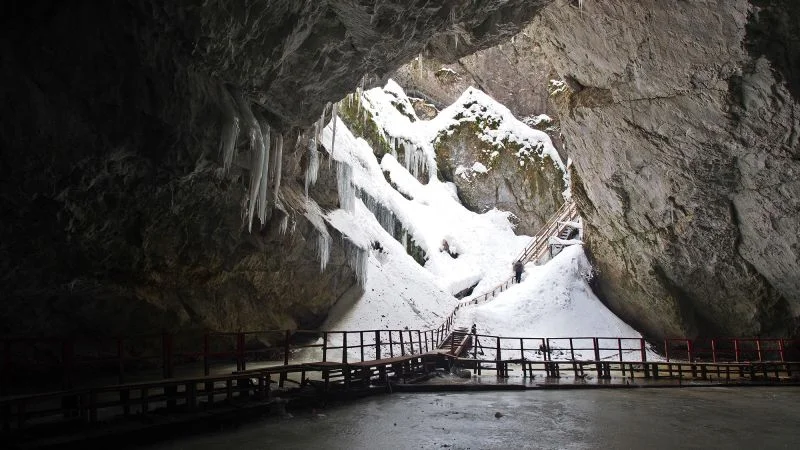
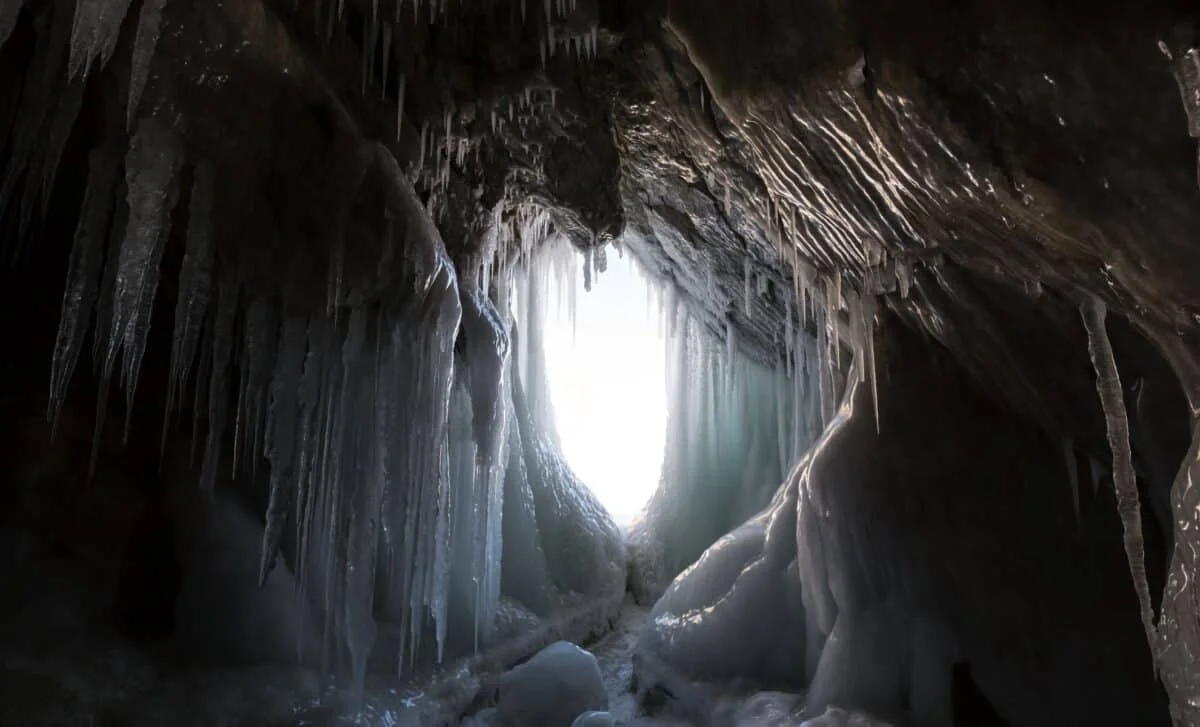
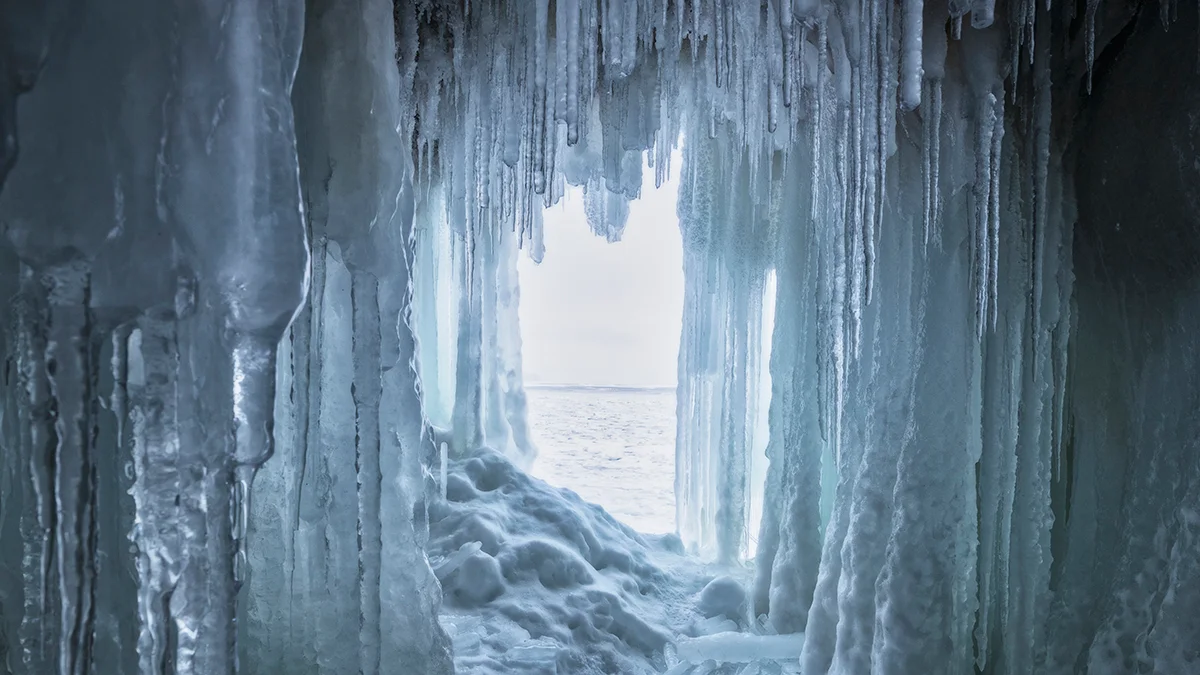
Researchers thawed a 5,000-year-old bacterium from Romania’s Scarisoara cave and found it resistant to 10 of 28 antibiotics, showing that antibiotic resistance evolved naturally in the environment long before humans. The microbe also carries genes that may help kill other microbes, offering potential avenues for new drugs, though warming glaciers could release unknown ancient microbes.
A 5,000-year-old bacterium from Romania’s Scărișoara Ice Cave carries more than 100 antibiotic-resistance genes and can inhibit several resistant superbugs, highlighting both risks if melted ice releases these traits and potential for novel antimicrobial insights.
A Frontiers in Microbiology study details Psychrobacter SC65A.3 isolated from a 5,000-year-old ice core in Romania’s Scărișoara Ice Cave. Genomic analysis reveals over 100 antibiotic-resistance genes (and ~600 genes of unknown function) and resistance to ten modern antibiotics, including ciprofloxacin. While thawing ice due to climate change could release resistance genes into contemporary bacteria, the enzymes and compounds from this ancient microbe also offer potential biotechnological applications; the finding underscores the need for monitoring ancient genomes as glaciers and caves thaw and consider implications for antimicrobial resistance.
Researchers analyzing Scărișoara Ice Cave in Romania isolated a 5,000-year-old Psychrobacter bacterium (SC65A.3) that is resistant to 10 modern antibiotics across 8 drug classes and carries over 100 resistance genes, highlighting natural antimicrobial resistance that predates modern medicine.
Researchers studying a 5,000-year-old Psychrobacter strain from Romania’s Scărișoara Ice Cave found it resistant to multiple modern antibiotics yet capable of inhibiting several antibiotic‑resistant pathogens, suggesting ancient microbes could inspire new antibiotics but also carry a risk of spreading resistance genes if melted; calls for more research into cold-environment microbes and their biotechnological potential.
Langiella scourfieldii, an ancient species of cyanobacteria, has been discovered in fossil samples and is believed to be among the first organisms to colonize land over 407 million years ago. This finding sheds light on how early bacteria made the transition from water to land. The 3D reconstructions of the fossils revealed evidence of branching, a characteristic of Hapalosiphonacean cyanobacteria, making L. scourfieldii the oldest known cyanobacteria species to have lived on land. Cyanobacteria played a crucial role in shaping Earth's history by producing oxygen through photosynthesis, leading to the Great Oxygenation Event and the first mass extinction. The discovery of L. scourfieldii in the Rhynie Chert fossil site in Scotland provides insights into the early terrestrial ecosystems and the interactions between different species at that time.