Tag

Antibioticresistance

All articles tagged with #antibioticresistance

science1 year ago

The Hidden Impact of Soil on Antibiotic Resistance

A new study led by Jingqiu Liao highlights the role of soil as a reservoir for antibiotic resistance genes (ARGs), which can spread to pathogenic bacteria, exacerbating the global antibiotic resistance crisis. Human activities like pollution and land-use changes facilitate this gene transfer, posing a significant public health threat. The research, using listeria as a model organism, explores how soil properties and environmental factors influence ARG dynamics, emphasizing the need for strategies to control ARG spread and protect antibiotic efficacy. The study is published in Nature Communications.

health1 year ago

Advanced Genomic Test Revolutionizes Infection Diagnosis

A new metagenomic sequencing test, highlighted in Nature Medicine, can rapidly identify a wide range of pathogens, including bacteria, viruses, fungi, and parasites, in a single scan. This test offers faster and more comprehensive infection diagnostics compared to traditional methods, which often require multiple tests and can take days. It holds promise for improving treatment outcomes, especially in severe cases like sepsis, and could help reduce antibiotic misuse. However, its widespread adoption faces challenges due to the need for advanced sequencing equipment and high costs.

science1 year ago

Innovative Strategies to Tackle Antibiotic Resistance

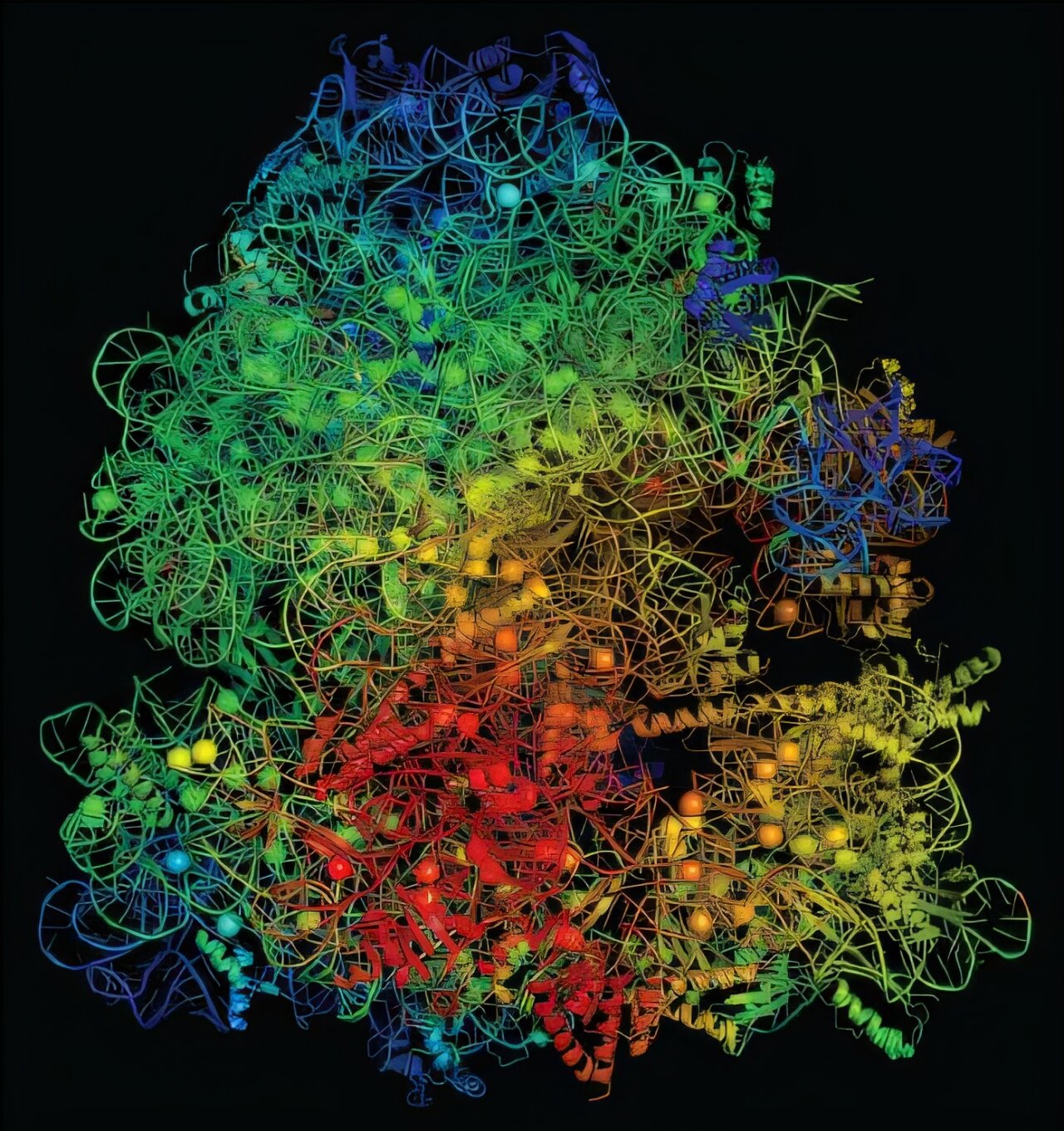
Researchers at UC San Diego have identified a vulnerability in antibiotic-resistant bacteria that could be exploited to combat these strains without drugs. The study found that antibiotic-resistant bacteria, such as Bacillus subtilis, face a physiological cost due to competition for magnesium ions between mutant ribosomes and ATP molecules. This competition hinders the growth of resistant strains, suggesting that targeting magnesium availability could suppress antibiotic resistance. This approach offers a potential drug-free method to manage resistant bacteria, addressing a growing public health crisis.

health1 year ago

Antibiotic-Resistant Super-Strain Spreads Rapidly Across Asia

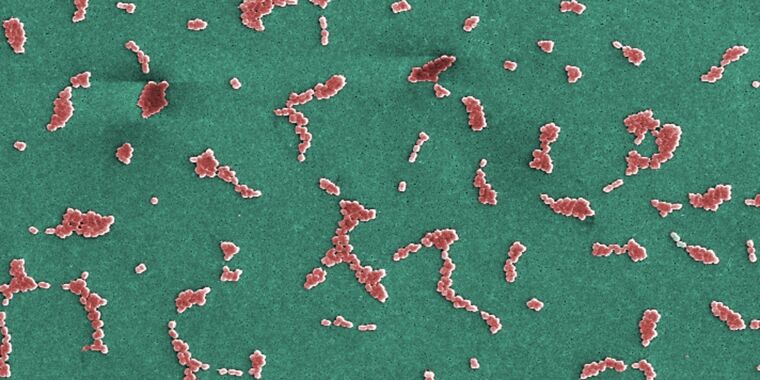
A new study has identified a highly antibiotic-resistant strain of Acinetobacter baumannii (ST164) spreading in Asian ICUs, posing a global health risk. This strain, found to have twice the resistance levels of previous strains, underscores the urgent need for rigorous infection control and monitoring in hospitals. The research highlights the critical role of genomic surveillance in tracking the spread of this drug-resistant bacteria, which poses severe challenges to patient outcomes and healthcare systems worldwide.

health-and-medicine2 years ago

"Zosurabalpin: A New Antibiotic Breakthrough Battles Drug-Resistant Superbugs"

Swiss scientists have discovered a new antibiotic, zosurabalpin, which is effective against drug-resistant gram-negative bacteria, specifically targeting Acinetobacter baumannii. This breakthrough, the first in over 50 years, could combat the growing issue of antimicrobial resistance, which is responsible for millions of deaths annually. Zosurabalpin operates by blocking the bacteria's ability to form a protective outer membrane, leading to its death. Currently in phase 1 clinical trials, this discovery opens the door to potentially treating a range of drug-resistant infections and is a significant step forward in the fight against the "silent pandemic" of antibiotic resistance.

health-and-medicine2 years ago

"Breakthrough Antibiotic Zosurabalpin Targets Drug-Resistant Superbugs"

Swiss scientists have discovered a new antibiotic, zosurabalpin, which is effective against drug-resistant gram-negative bacteria, particularly Acinetobacter baumannii. This antibiotic works by blocking the lipopolysaccharide (LPS) responsible for the bacteria's protective outer membrane, causing the bacteria to die. Zosurabalpin represents the first new class of antibiotic against these bacteria in over 50 years and is currently undergoing phase 1 clinical trials. The breakthrough is significant as antimicrobial resistance is projected to cause more deaths than cancer in the next 30 years, and this discovery could lead to the development of more drugs to combat resistant bacteria.

health-and-medicine2 years ago

"Breakthrough Antibiotic Offers Hope Against Drug-Resistant Superbugs"

Researchers at Harvard University and Roche have developed an experimental antibiotic named zosurabalpin that effectively kills the drug-resistant superbug Acinetobacter baumannii. This breakthrough represents a new class of drugs, as it targets Gram-negative bacteria, which are notoriously difficult to treat due to their complex membrane structures and resistance strategies. Zosurabalpin, which is already in clinical trials, works by clogging a transport system in the bacteria, leading to lethal toxicity. This discovery is significant as it offers hope against infections with mortality rates of 40 to 60 percent and could lead to more treatments for drug-resistant infections.

science-and-technology2 years ago

"Rethinking the Randomness of Evolution"

A new study suggests that evolution may not be as random as previously thought, with a genome's evolutionary history potentially influencing its future trajectory. Researchers used a machine learning method to analyze the pangenome of a bacterial species, revealing gene interactions that make evolution somewhat predictable. This could revolutionize approaches in synthetic biology, medicine, and environmental science, aiding in the development of new drugs, vaccines, and strategies to combat antibiotic resistance and climate change. The study's findings are published in PNAS.

health-and-medicine2 years ago

"Promising New Antibiotic Class Emerges in Battle Against Drug-Resistant Superbugs"

Scientists have discovered a new class of antibiotic named Zosurabalpin, which has proven effective against the drug-resistant superbug CRAB (Carbapenem-resistant Acinetobacter baumannii) in lab tests and mouse models. CRAB is a critical pathogen with a high mortality rate, and the new antibiotic works by disrupting the bacteria's protective membrane. While promising, Zosurabalpin's effectiveness in humans has yet to be confirmed through clinical trials. This breakthrough could potentially address the growing global health threat of antimicrobial resistance, which causes over 1 million deaths annually.

health-and-medicine2 years ago

"Breakthrough Antibiotic Emerges to Combat Superbugs with Unprecedented Resistance-Fighting Method"

Researchers have developed a new antibiotic called Zosurabalpin, which shows promise in treating drug-resistant Acinetobacter baumannii, a deadly bacteria responsible for serious infections and high mortality rates. This novel antibiotic, which is now in phase 1 clinical trials, operates by disrupting the bacteria's outer membrane, a method that could potentially be applied to other resistant Gram-negative bacteria. The breakthrough comes after a 50-year gap since the last class of antibiotics was approved to combat such pathogens, offering hope in the global fight against antimicrobial resistance.

health-and-wellness2 years ago

"Decoding Phlegm: Doctors Explain What Its Color Indicates"

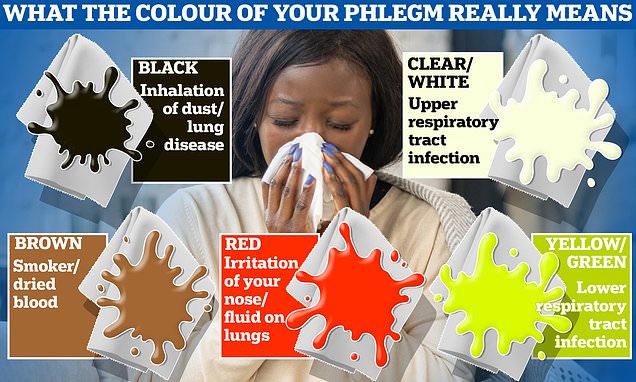
The color of your phlegm can be an indicator of different health issues, with clear/white typically associated with colds or allergies, yellow/green suggesting viral or bacterial infections, pink/red indicating pulmonary oedema or blood, brown linked to smoking or dried blood, and black potentially pointing to serious lung conditions. Overuse of antibiotics for coughs, which are often viral, contributes to antimicrobial resistance. Instead, treatments like the herbal remedy pelargonium, steroid nasal sprays, and saltwater nasal rinses can help alleviate symptoms. It's important to consult a doctor if symptoms are severe or persistent, especially if phlegm is discolored or accompanied by other concerning symptoms.

health2 years ago

Uncovering the Roots of Antibiotic Resistance: A Scientist's Discovery.

Microbiologist Dr. Salvador Almagro-Moreno has uncovered the evolutionary origins of antimicrobial resistance (AMR) in bacteria by studying genetic variants of a protein found in bacterial membranes called OmpU. His team found that several OmpU mutations in the cholera bacteria led to resistance to numerous antimicrobial agents, including antimicrobial peptides that act as defenses in the human gut. By understanding how mutations occur, researchers can better understand and develop therapeutics to combat resistant infections.