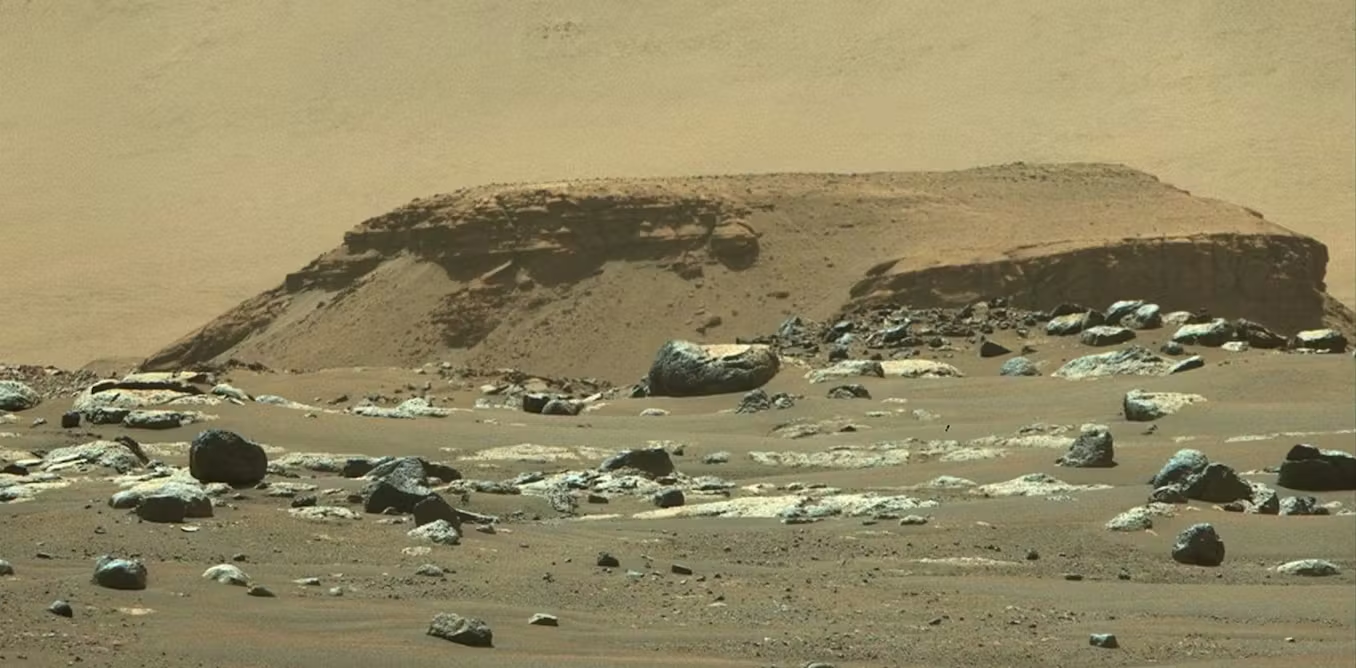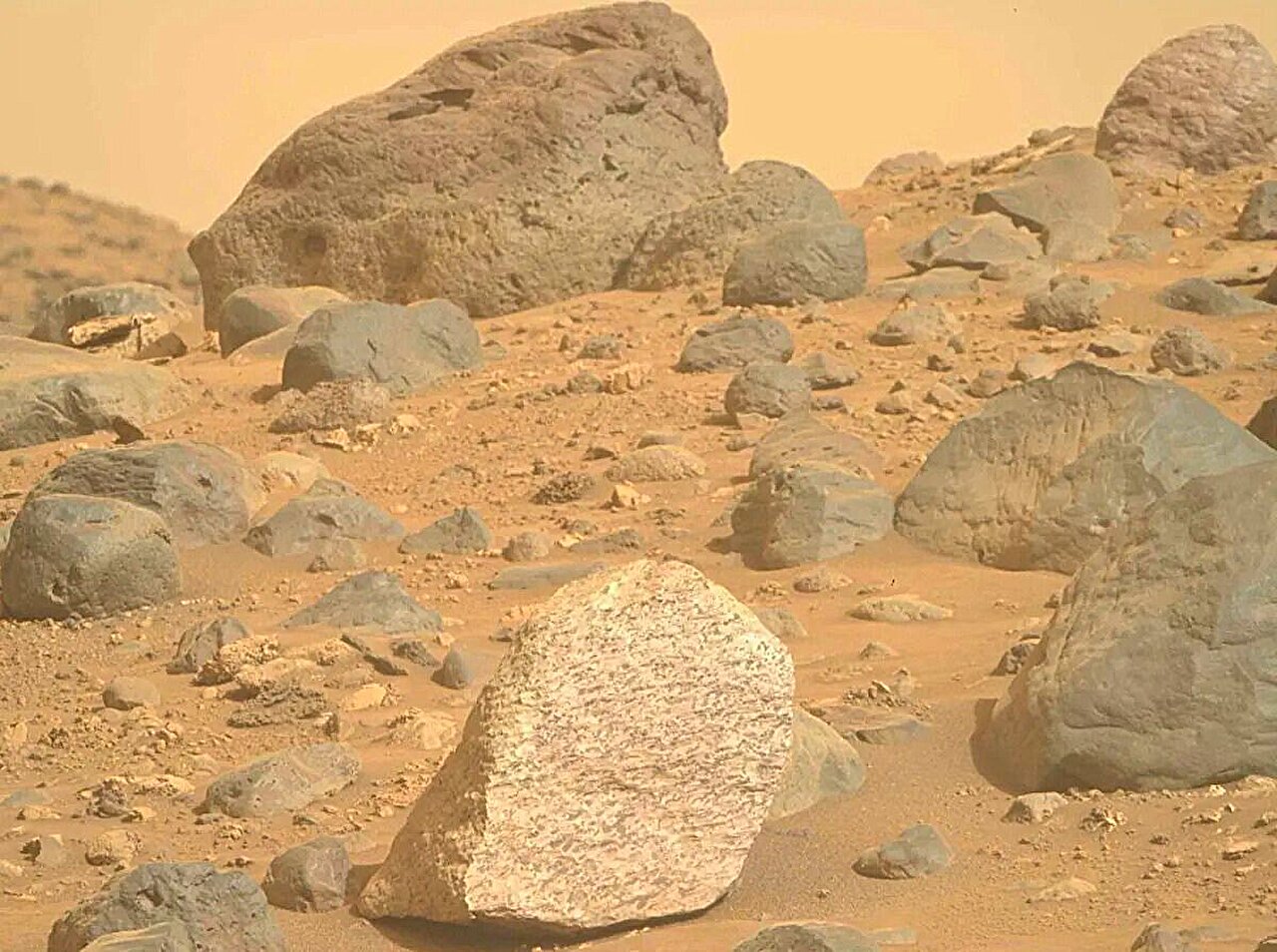
NASA's Perseverance rover detected mineral patterns in Martian rocks that resemble those formed by microbial life on Earth, suggesting possible past habitability, but further verification is needed to confirm any signs of life.
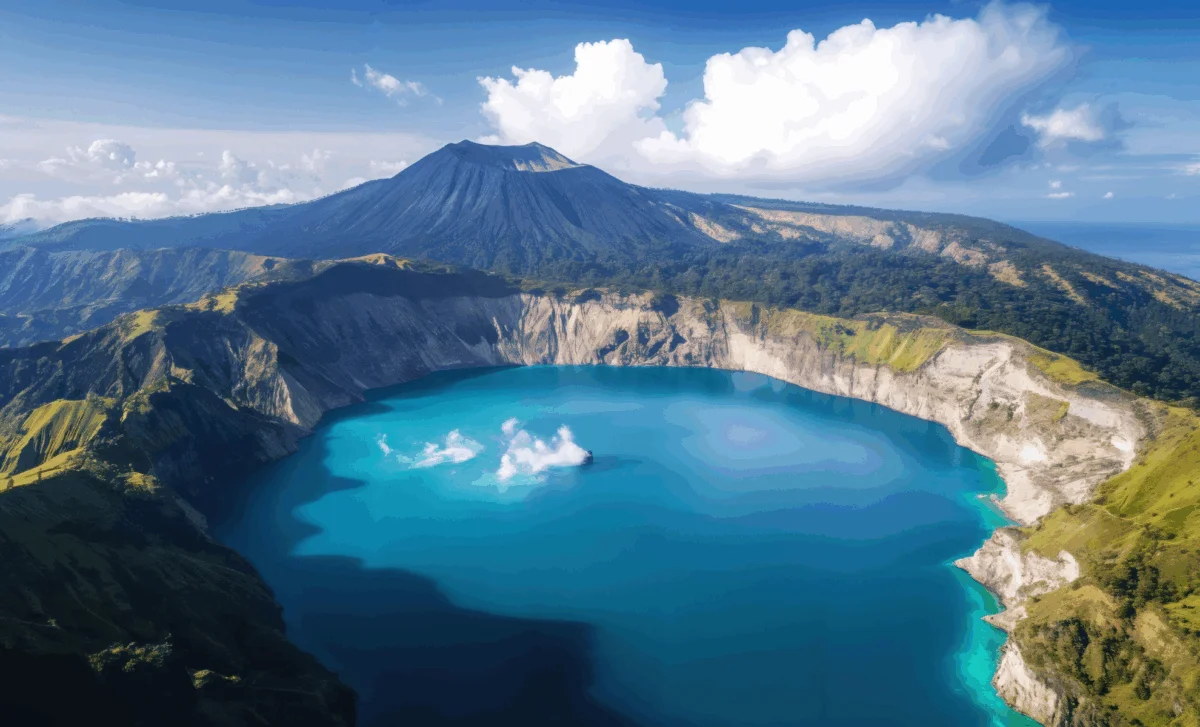
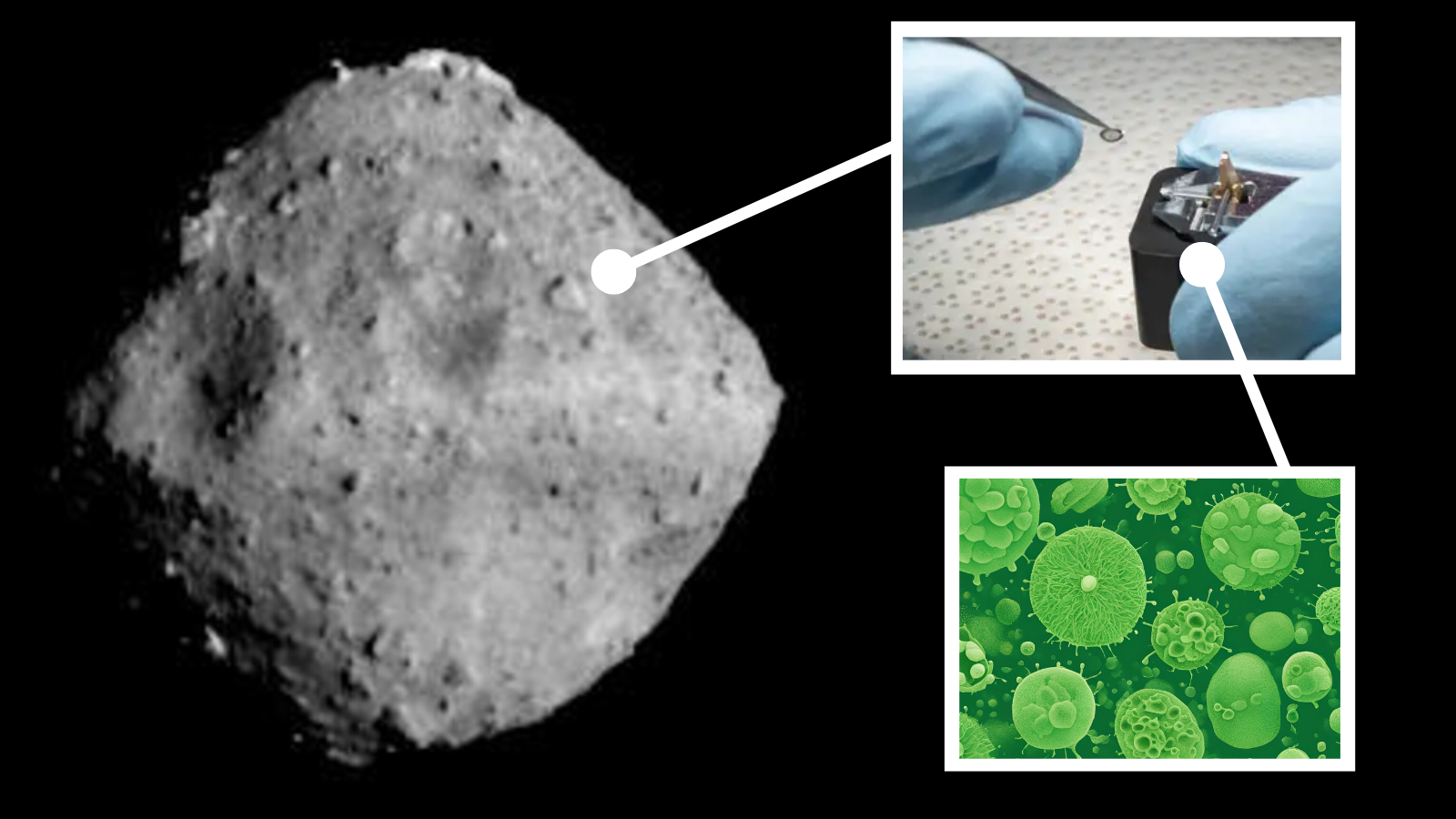
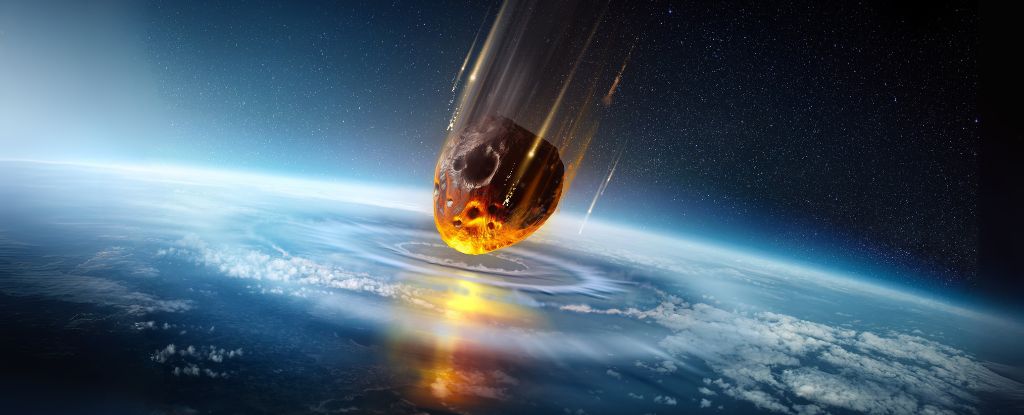
Four million years after an asteroid impact created Finland's Lake Lappajärvi, microbial life had already begun to recolonize the crater's rocks, demonstrating rapid biological resilience and suggesting impact sites elsewhere, like Mars, could also harbor ancient life.
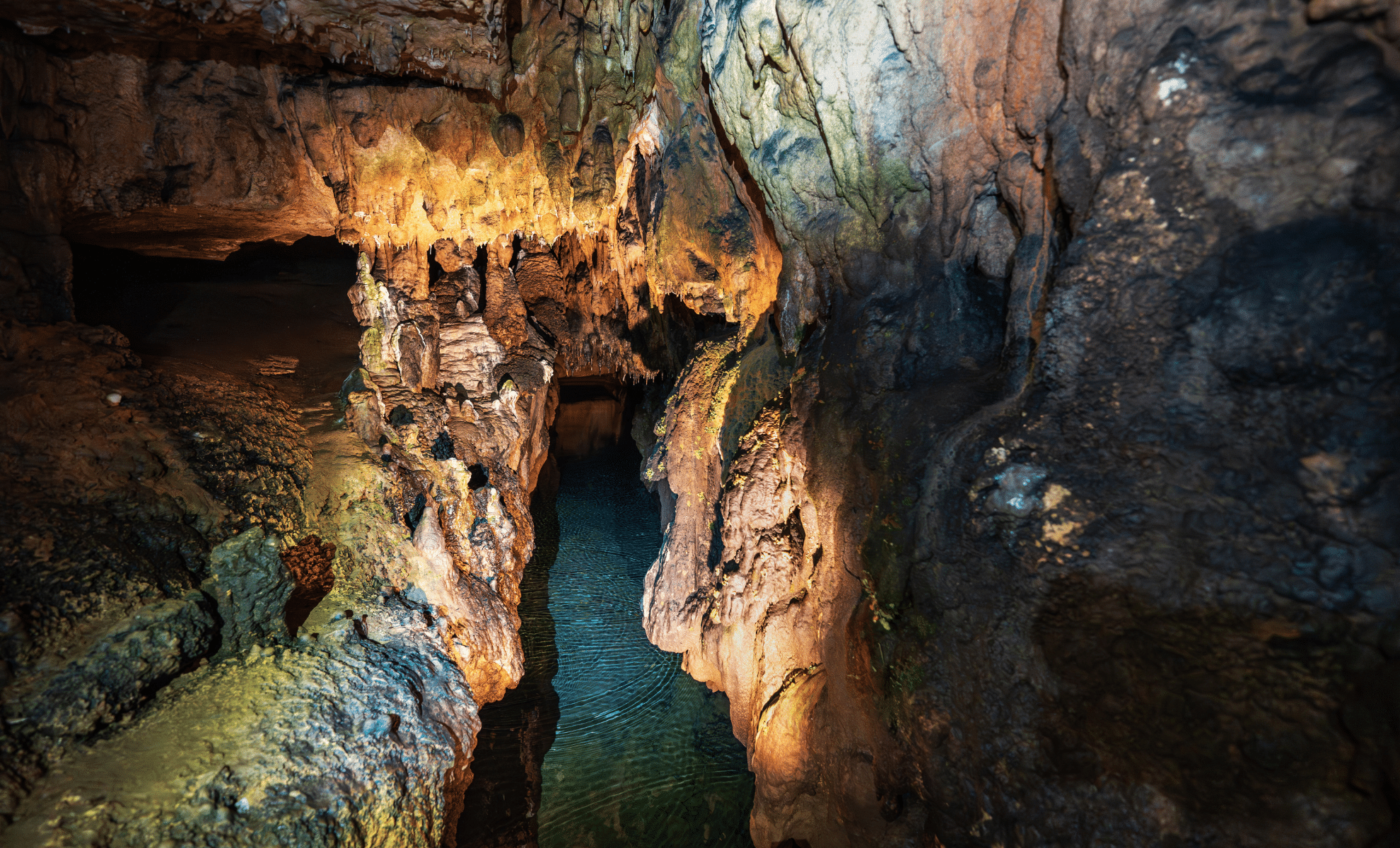
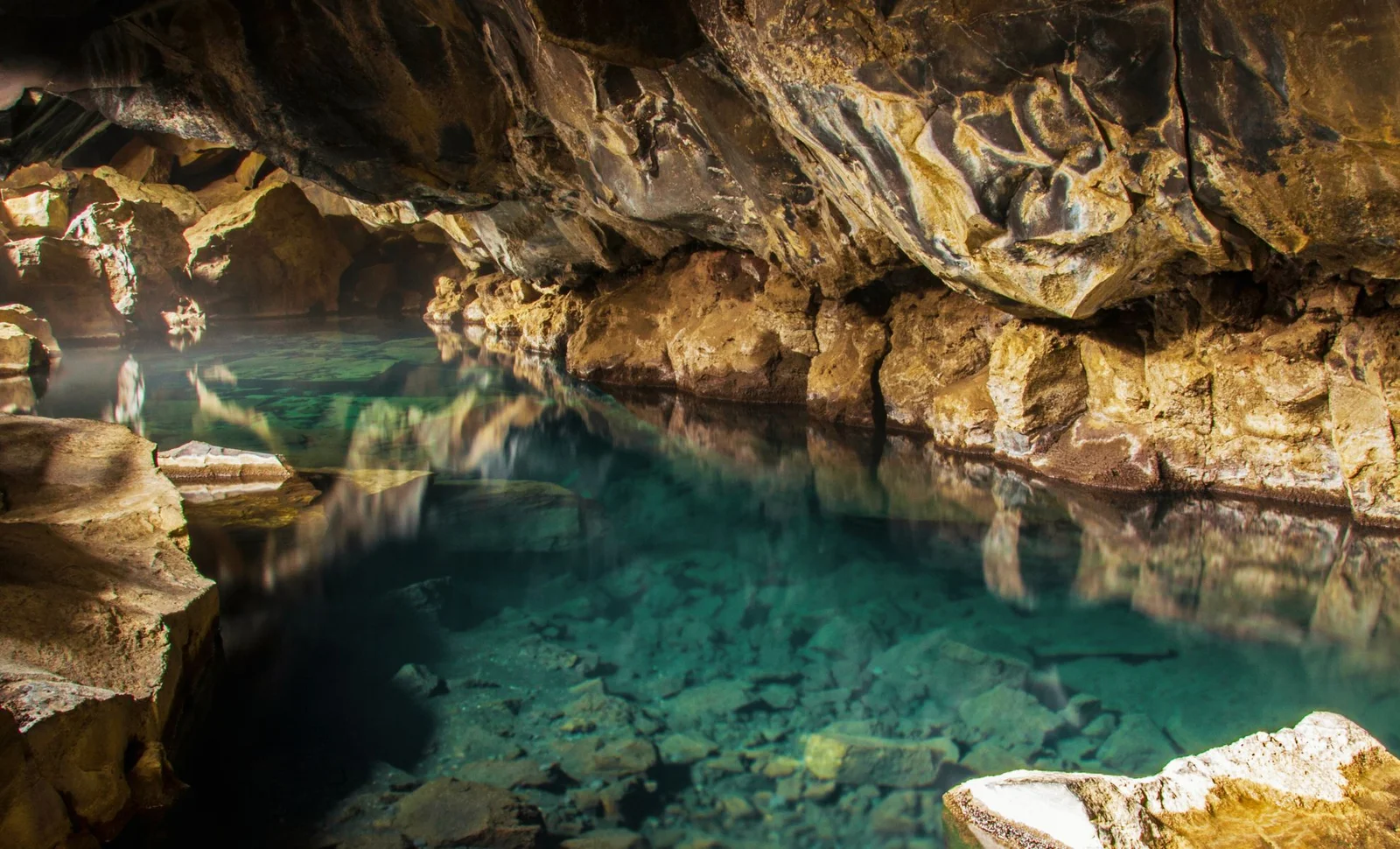
Scientists discovered 2.6 billion-year-old water deep beneath a Canadian mine, containing microbial signatures and active chemistry, revealing insights into Earth's ancient ecosystems and potential extraterrestrial life habitats.
Researchers studying the Lake Lappajärvi impact structure in Finland found evidence that microbes colonized the site roughly 4 million years after the asteroid impact, revealing how quickly life can establish in post-impact environments and providing insights into early life on Earth and potential extraterrestrial habitats.
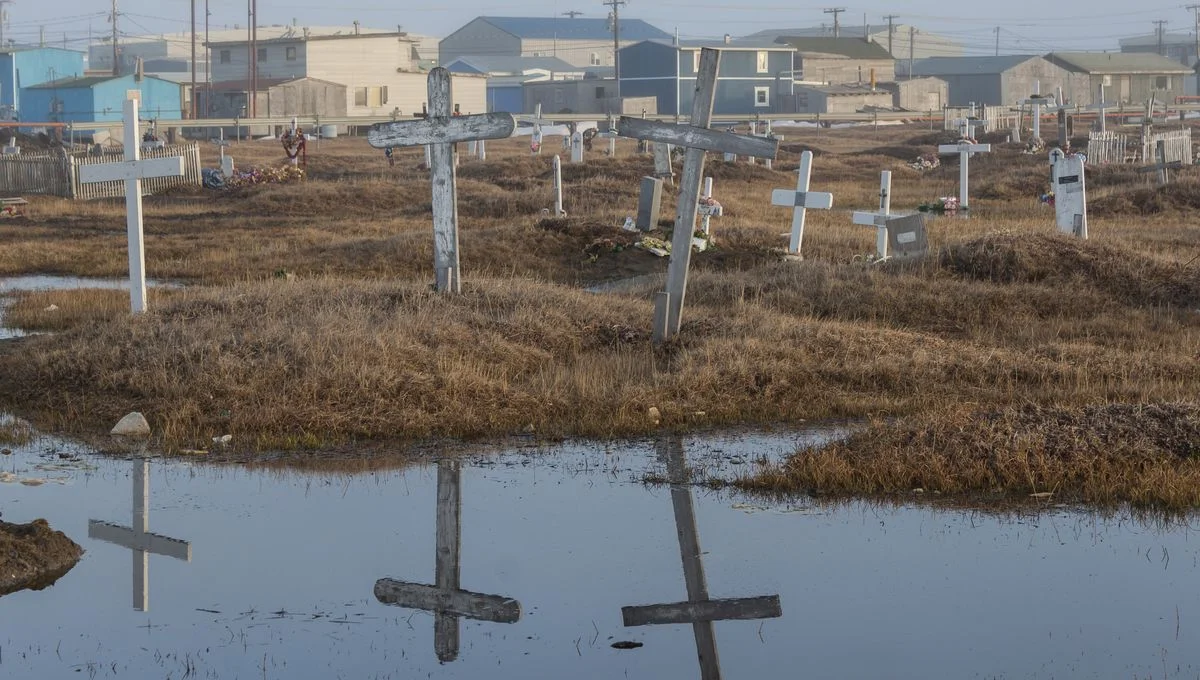
Scientists have revived microbes up to 40,000 years old from Alaskan permafrost, revealing that warming temperatures could awaken ancient microorganisms, potentially impacting ecosystems as climate change extends summer warmth in polar regions.
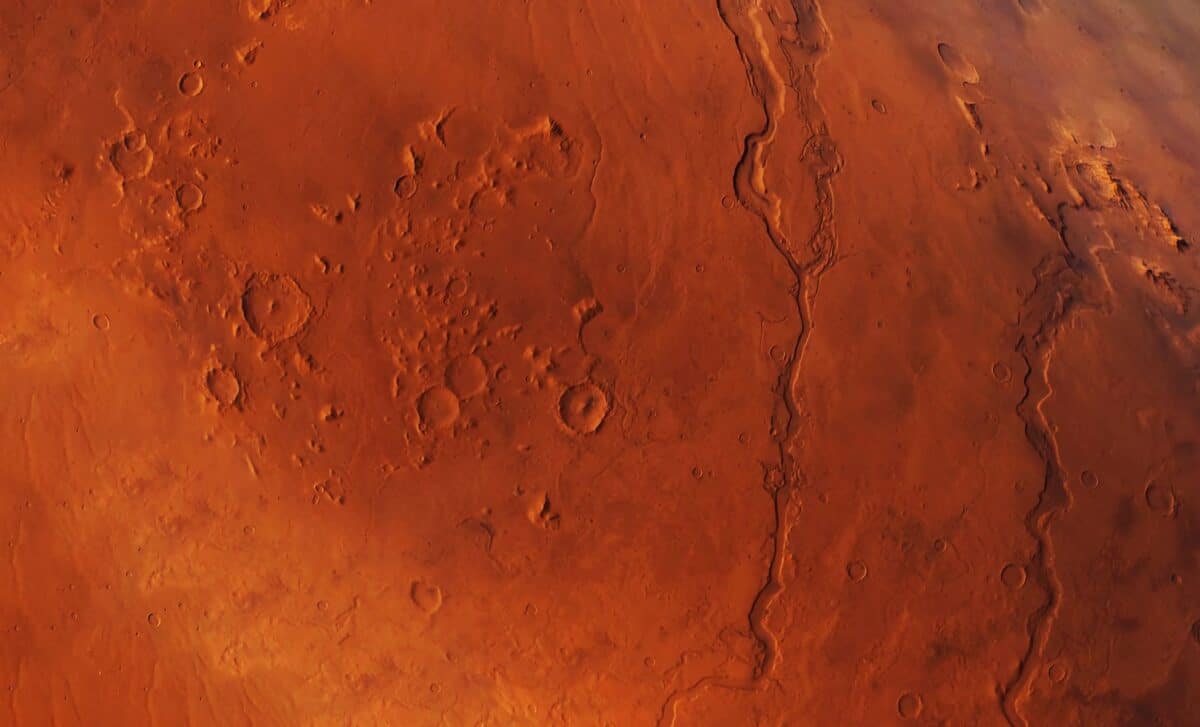
Recent findings from NASA suggest potential signs of past microbial life on Mars, particularly in mineral patterns in Jezero Crater, but conclusive evidence of current life remains elusive. The most promising habitats for surviving life today are underground or beneath ice sheets, where conditions could be more hospitable. Future missions like the ESA ExoMars rover aim to explore these possibilities further by drilling beneath the surface.
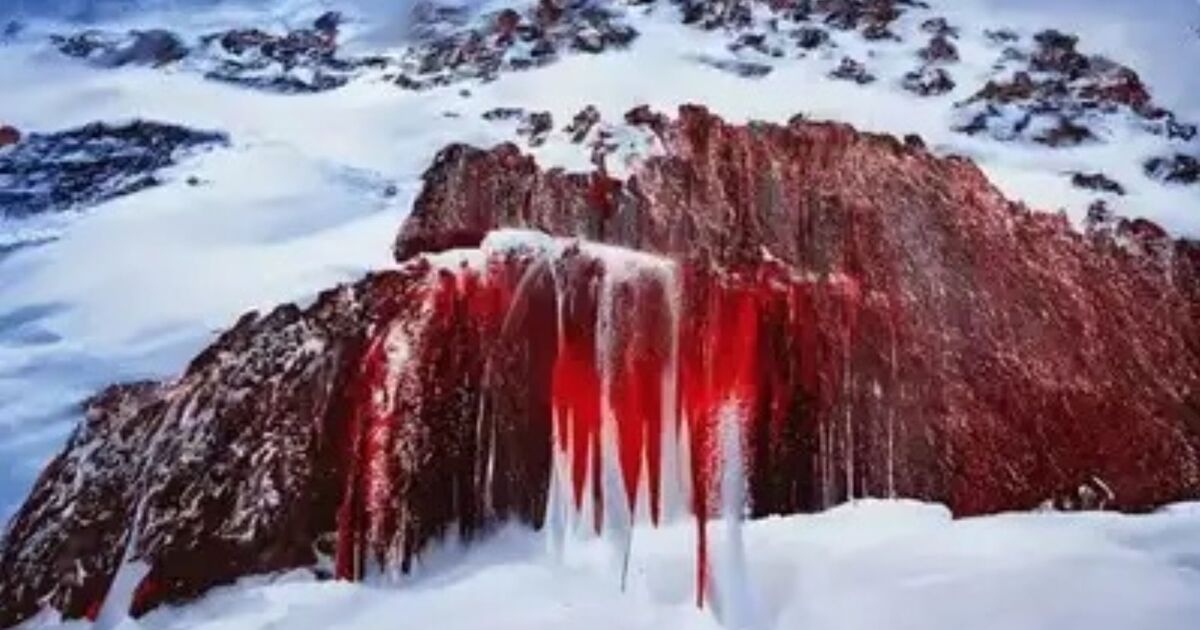
Blood Falls is a striking red waterfall in Antarctica, caused by iron-rich water oxidizing upon exposure, which has been flowing for centuries from beneath a glacier. Despite the extreme cold, the water remains liquid due to high salinity, and it hosts unique bacteria that survive without sunlight. This phenomenon offers valuable insights into microbial life in extreme conditions and the potential for life on other planets.
Researchers have precisely dated the colonization of microbial life in the hydrothermal system of a 78-million-year-old impact crater in Finland, showing microbes thrived for millions of years after the asteroid impact, providing insights into life's resilience and implications for astrobiology.
NASA's Perseverance rover found potential chemical signs of ancient microbial life in rocks from Jezero Crater's Bright Angel formation, including organic molecules and minerals associated with water and microbial activity, though further analysis is needed to confirm biological origins.
NASA's Perseverance rover found potential signs of ancient microbial life in Mars' Jezero Crater, raising the possibility that life once existed there and impacting theories about life's rarity in the universe, though further analysis is needed to confirm these findings.
Geologists discovered 2.6 billion-year-old water deep beneath a Canadian mine, which still flows and contains microbial signatures, revealing insights into ancient life and potential extraterrestrial habitats. The water's chemistry and taste confirmed its age and resilience of microbial life in extreme environments.
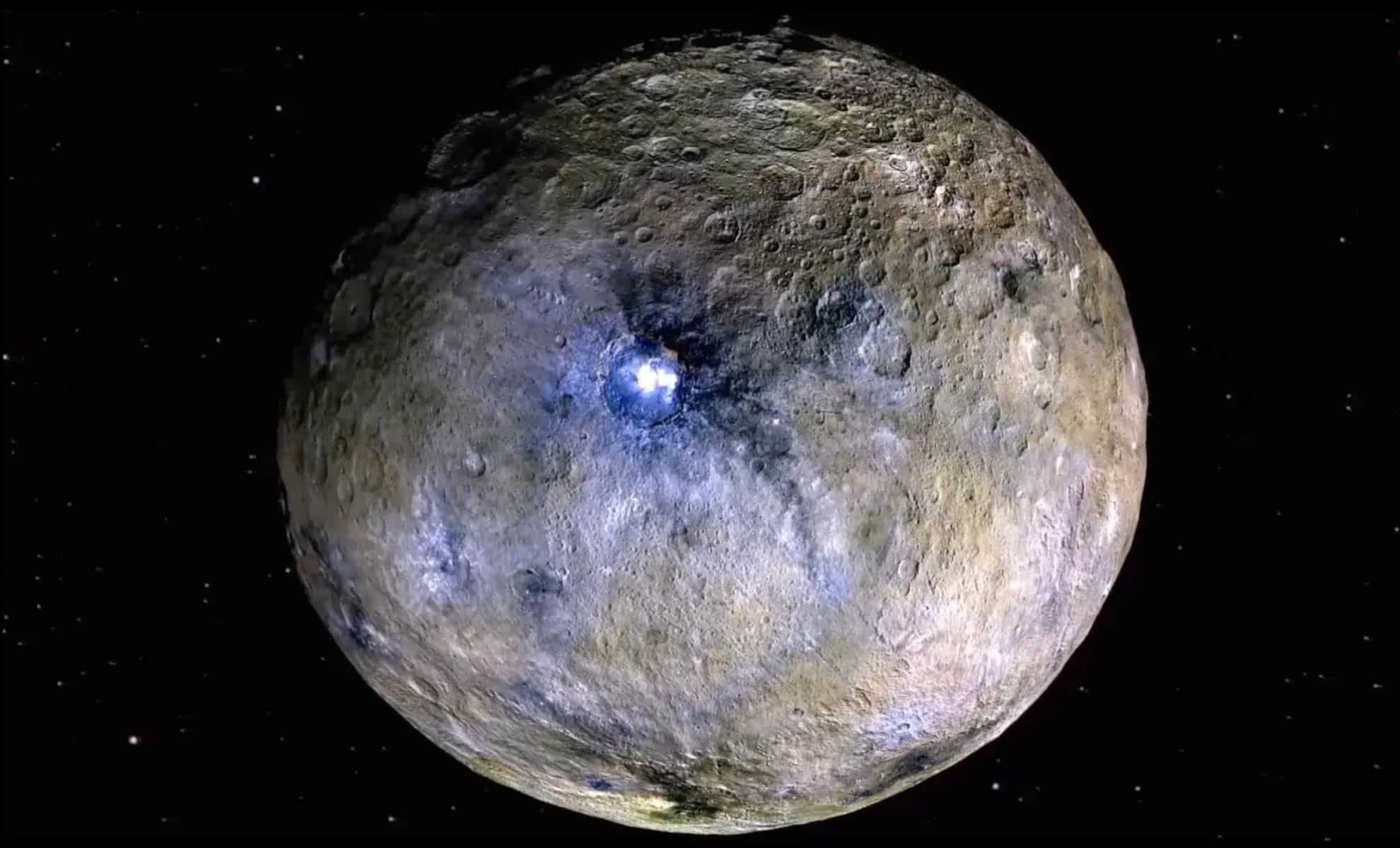
NASA's study suggests that Ceres may have once had conditions suitable for microbial life, with a subsurface ocean enriched with chemicals and energy sources, similar to Earth's hydrothermal vents, although it is no longer habitable today.
Scientists have discovered that earthquakes generate energy-rich compounds through rock fracturing, supporting microbial life deep within Earth's crust without sunlight, and this process may also exist on other planets like Mars and Europa, expanding our understanding of life's resilience and potential extraterrestrial habitats.
In 2016, geologist Barbara Sherwood Lollar discovered the oldest water on Earth, dating back 1.5 to 2.6 billion years, flowing from a Canadian mine. She found microbial life in the salty, bitter water and even tasted it, confirming its extreme age and unique properties. This discovery offers insights into ancient Earth ecosystems and potential extraterrestrial life.
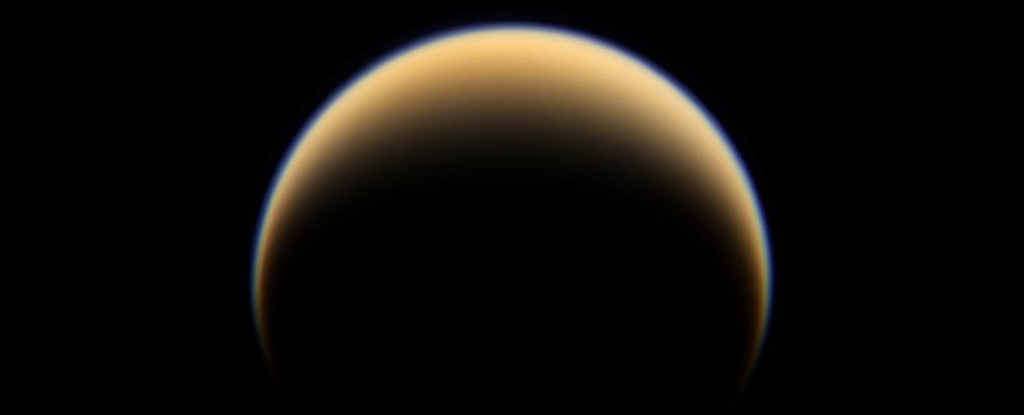
Research suggests that Titan's underground ocean could harbor a tiny biosphere, possibly weighing no more than a small dog, with microbial life relying on fermentation processes using organic molecules like glycine, but the overall biomass would be extremely sparse and difficult to detect.