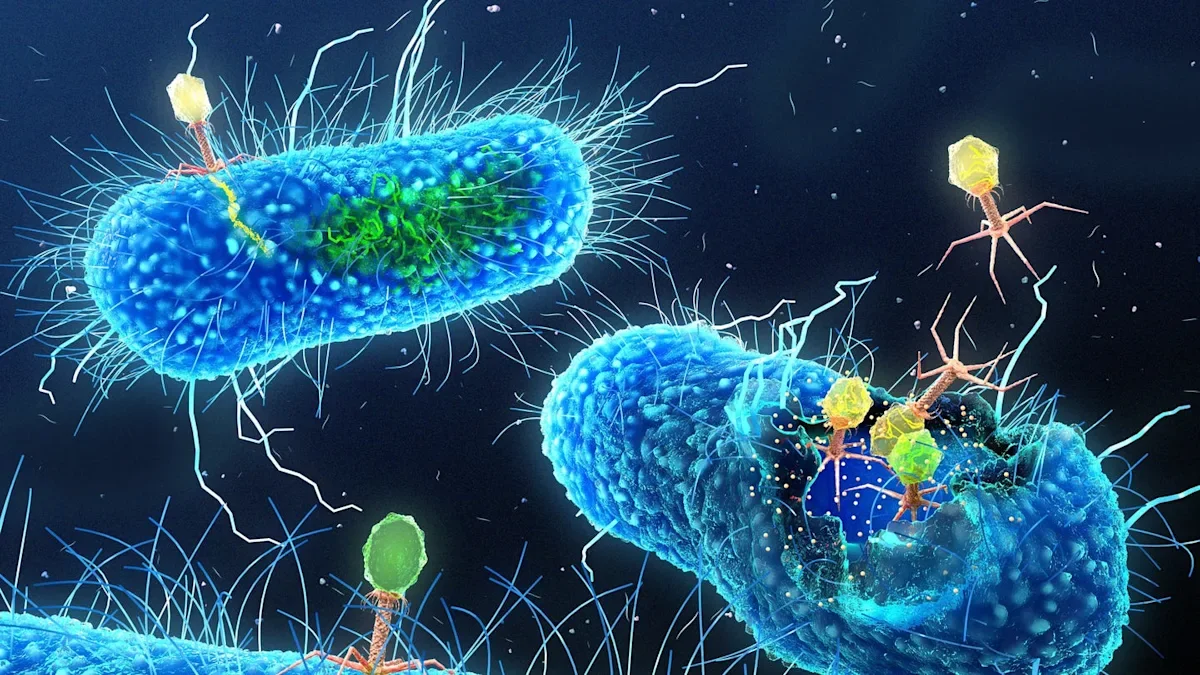
Tag

Bacteriophage

All articles tagged with #bacteriophage

Space Mutations Boost Phages in the Battle Against Superbugs
science27 days ago

Space Mutations Boost Phages in the Battle Against Superbugs

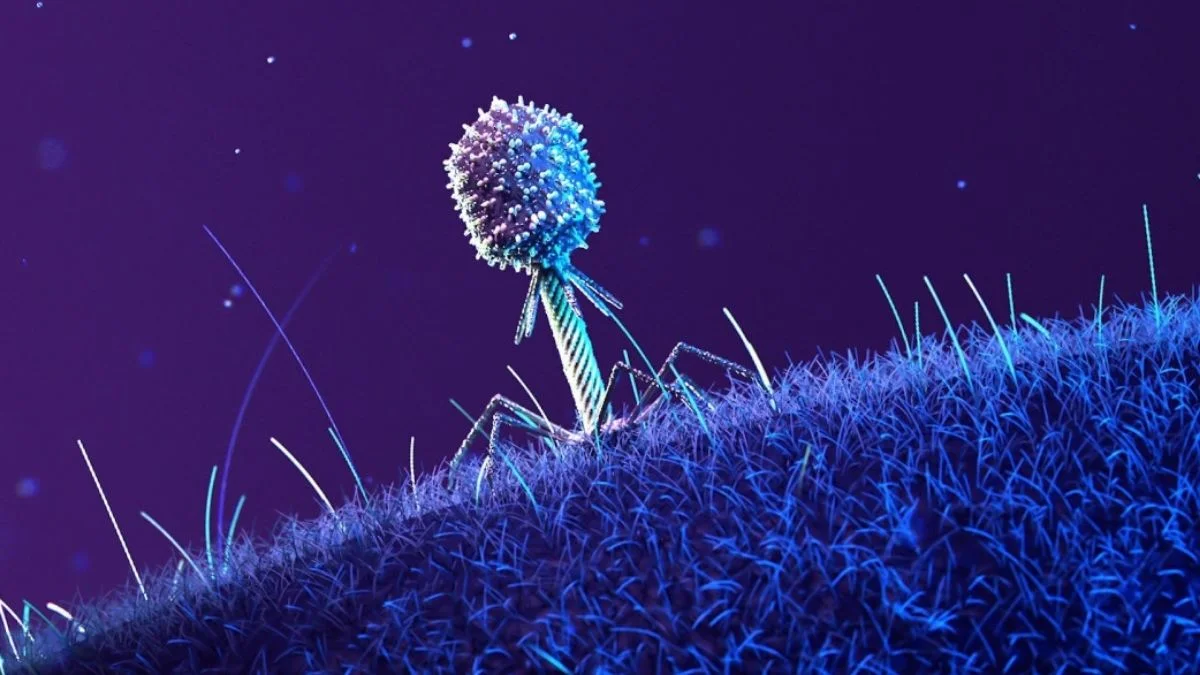
A UW–Madison-led study compared a E. coli–T7 phage clash on Earth and in microgravity aboard the ISS. In space, phages infect more slowly but still acquire mutations that improve their ability to bind bacterial receptors, while the bacteria develop space-specific defenses—demonstrating space-driven evolutionary paths that could inform phage-based strategies against drug‑resistant pathogens on Earth.
Spaceflight Drives Bacteria-Phage Evolution, Boosting Attack on Drug-Resistant Infections
science1 month ago

Spaceflight Drives Bacteria-Phage Evolution, Boosting Attack on Drug-Resistant Infections

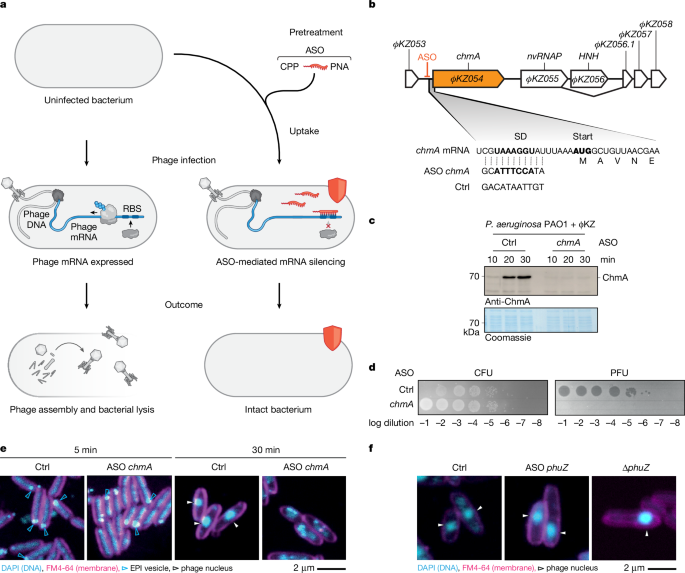
ISS experiments with Escherichia coli and T7 phage (plus Earth controls) over ~25 days show spaceflight–driven mutations in bacterial stress responses and surface proteins, prompting phage adaptations that continue to kill bacteria. Some space-specific phage mutations were especially effective against antibiotic‑resistant, UTI-causing strains, offering insights to engineer potent phages on Earth; findings published in PLOS Biology.

Decoding the Intricate Molecular Structure of a Powerful Bacteriophage
science-and-technology2 years ago

Decoding the Intricate Molecular Structure of a Powerful Bacteriophage

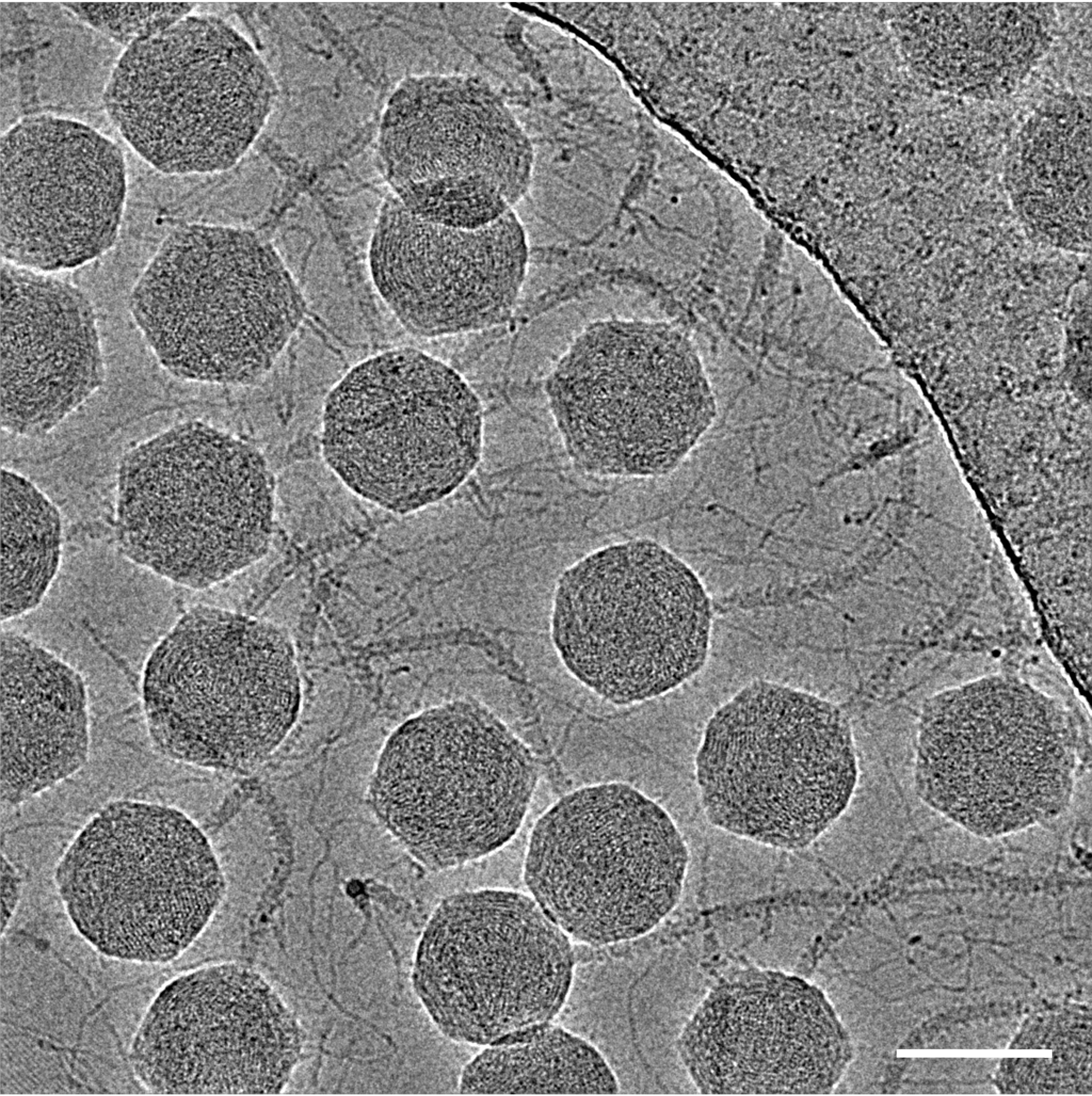
Scientists at the Okinawa Institute of Science and Technology have revealed the molecular structure of the tequintavirus, a type of bacteriophage that infects bacteria. Using cryo-electron microscopy, they obtained atomic models for all structural components of the virus, providing a detailed understanding of its organization at the atomic level. This research has implications for phage therapy, gene therapy, and the engineering of bacteriophages for specific purposes. The study also developed new methods for visualizing complex viruses, which could be applied to other viruses with similar shapes.

Vampire Viruses: Unveiling the First-ever Virus-on-Virus Attachment
science2 years ago

Vampire Viruses: Unveiling the First-ever Virus-on-Virus Attachment

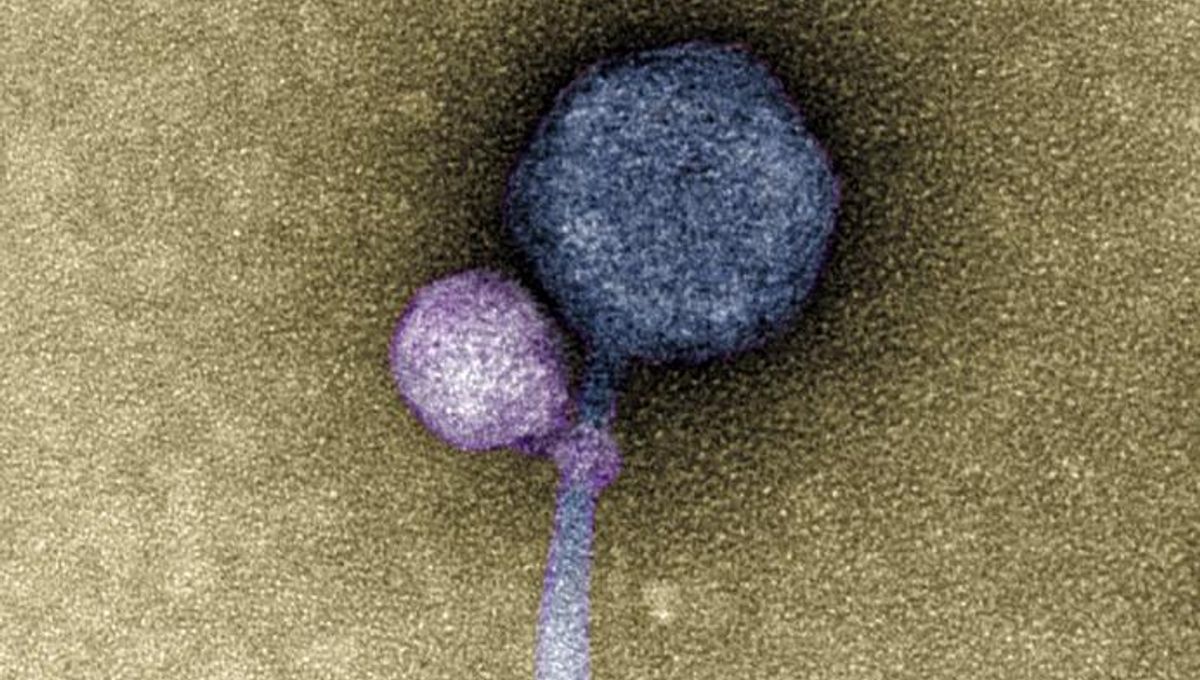
Scientists have observed a virus attaching to another virus for the first time. The virus in question is a bacteriophage, which infects bacteria, and also a satellite virus that relies on "helper" viruses to complete its life cycle. The discovery was made by undergraduate students analyzing bacteriophage sequences, and electron microscopy imaging confirmed the presence of satellite viruses attached to their helpers. The researchers believe this interaction between the viruses could be ancient, with the two co-evolving for at least 100 million years. The findings could help explain some cases of phage sequencing contamination and inspire further research into this phenomenon.

Deep Sea Discovery: Unveiling a Mysterious Virus from Earth's Abyss
science2 years ago

Deep Sea Discovery: Unveiling a Mysterious Virus from Earth's Abyss

Researchers have discovered a new virus, vB_HmeY_H4907, in sediment from the Mariana Trench, the deepest part of the Pacific Ocean. The virus is a bacteriophage that infects bacteria in the phylum Halomonas, commonly found in deep-sea sediments and hydrothermal vents. This discovery suggests the existence of a previously unknown viral family in the deep ocean and provides insights into the diversity and evolution of deep-sea phages. The study also highlights the need to investigate the survival strategies and co-evolution of viruses and their hosts in extreme environments.

"Deep-Sea Cold Seep Reveals Unique Species of Magnetic Bacteria"
science2 years ago

"Deep-Sea Cold Seep Reveals Unique Species of Magnetic Bacteria"

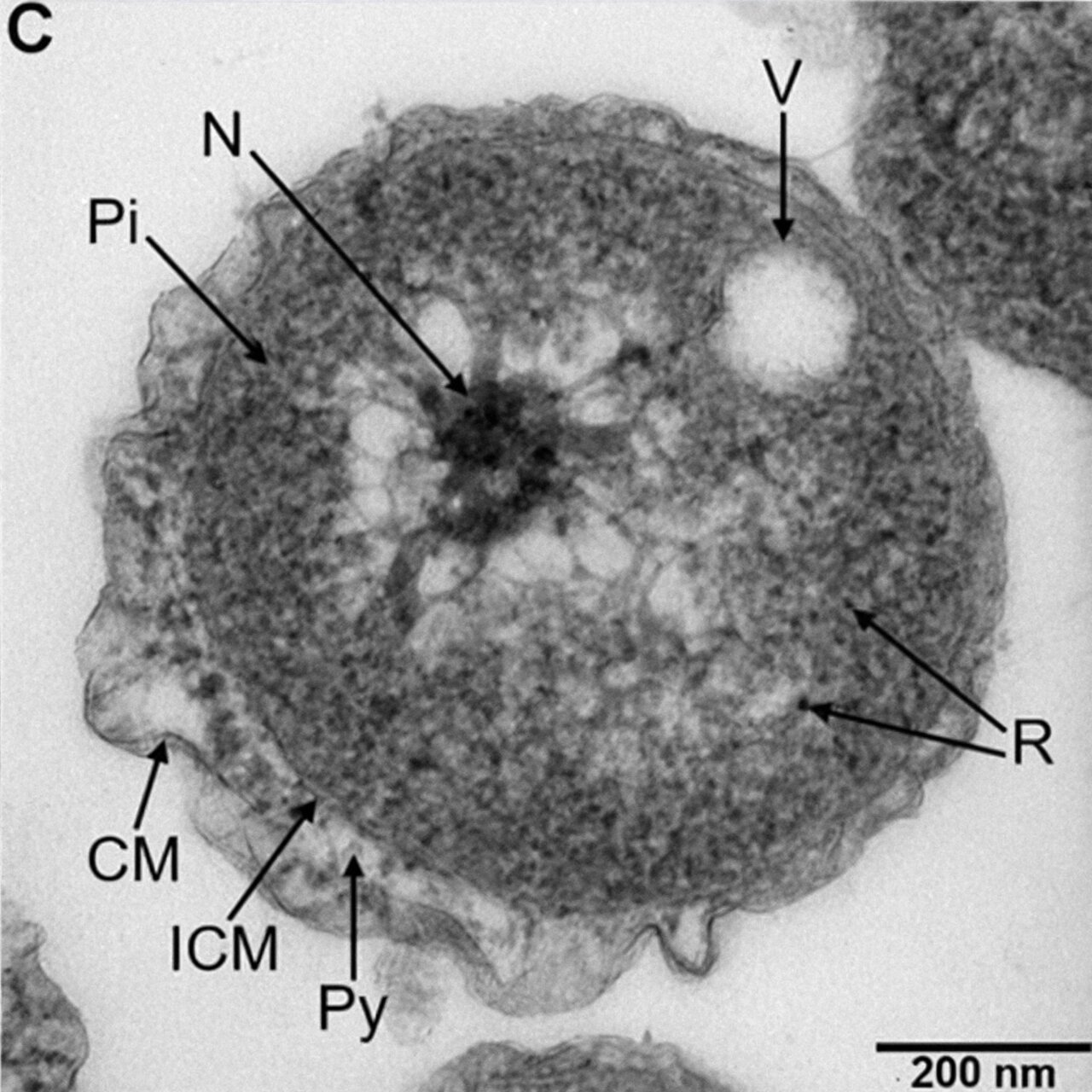
Researchers have discovered a new species of marine bacteria, Poriferisphaera hetertotrophicis, isolated from a deep-sea cold seep. This novel bacterium exhibits unique characteristics, including a distinct budding model of division and a chronic virus (bacteriophage) that facilitates nitrogen metabolism. The study provides insights into the physiological mechanisms and nitrogen assimilation of deep-sea Planctomycetes bacteria, shedding light on their role in nitrogen cycling and their interactions with viruses.