Consuming fructose increases immune cell sensitivity to bacterial toxins, leading to heightened inflammation even in healthy individuals, which may have implications for metabolic health and disease risk.
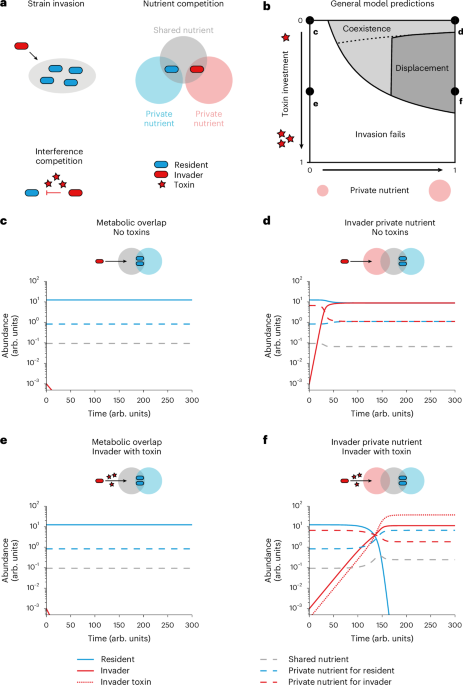
The article explores how ecological competition, including nutrient and interference competition via bacterial toxins, influences strain displacement in microbiomes, supported by mathematical modeling and experiments with engineered and natural E. coli strains, highlighting the importance of private nutrients and interference mechanisms for successful invasion and displacement within diverse bacterial communities.
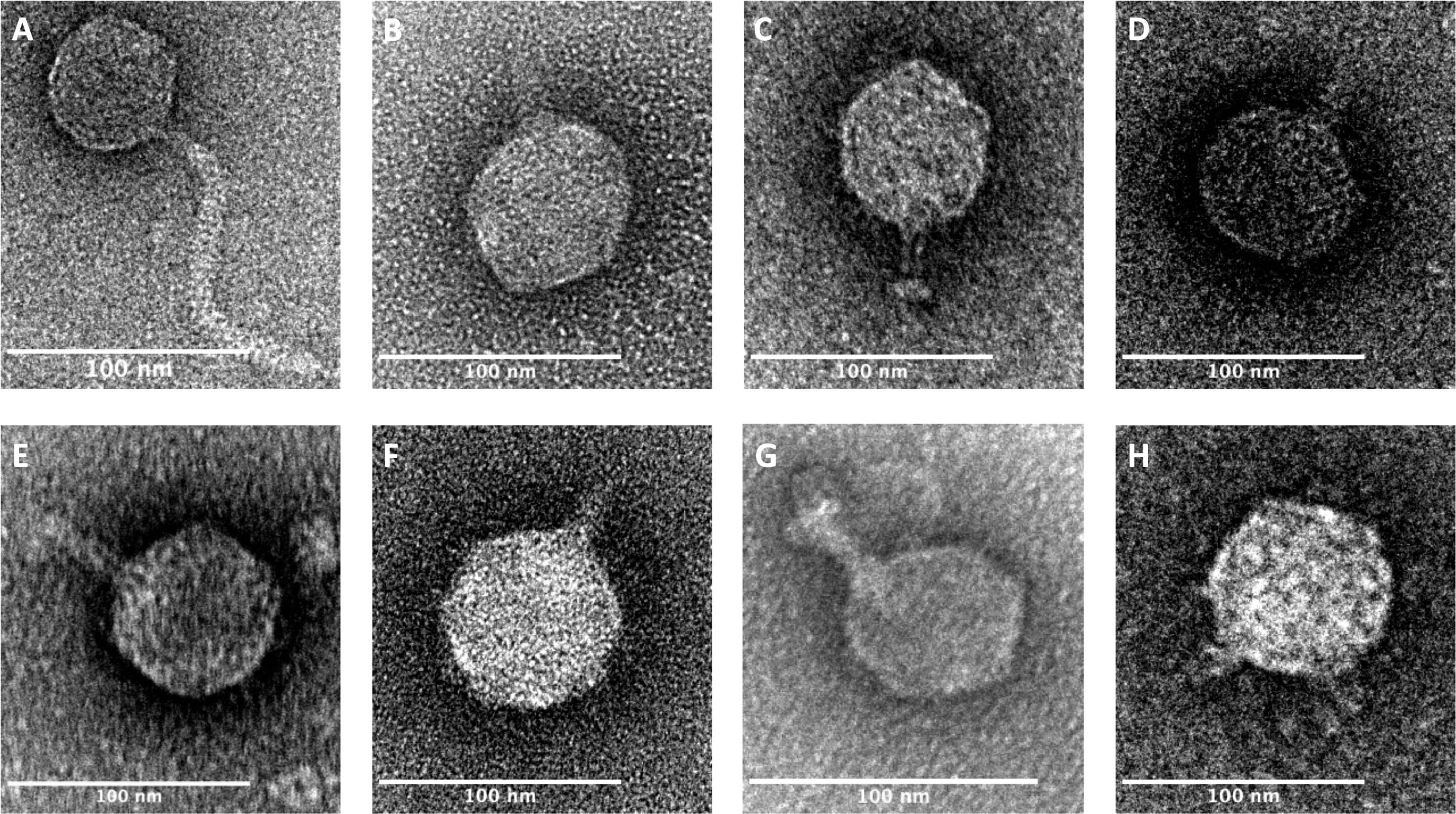
Researchers at VUB have developed genetically modified bacteriophages that deliver bacterial toxins to specifically target and kill multidrug-resistant E. coli, offering a promising alternative to traditional antibiotics in combating resistant bacterial infections.