A study from UCL found that female athletes have faster reaction times and make fewer mistakes on the day they ovulate, with elite athletes experiencing the most significant improvements, highlighting the importance of physical activity for cognitive and physical health.
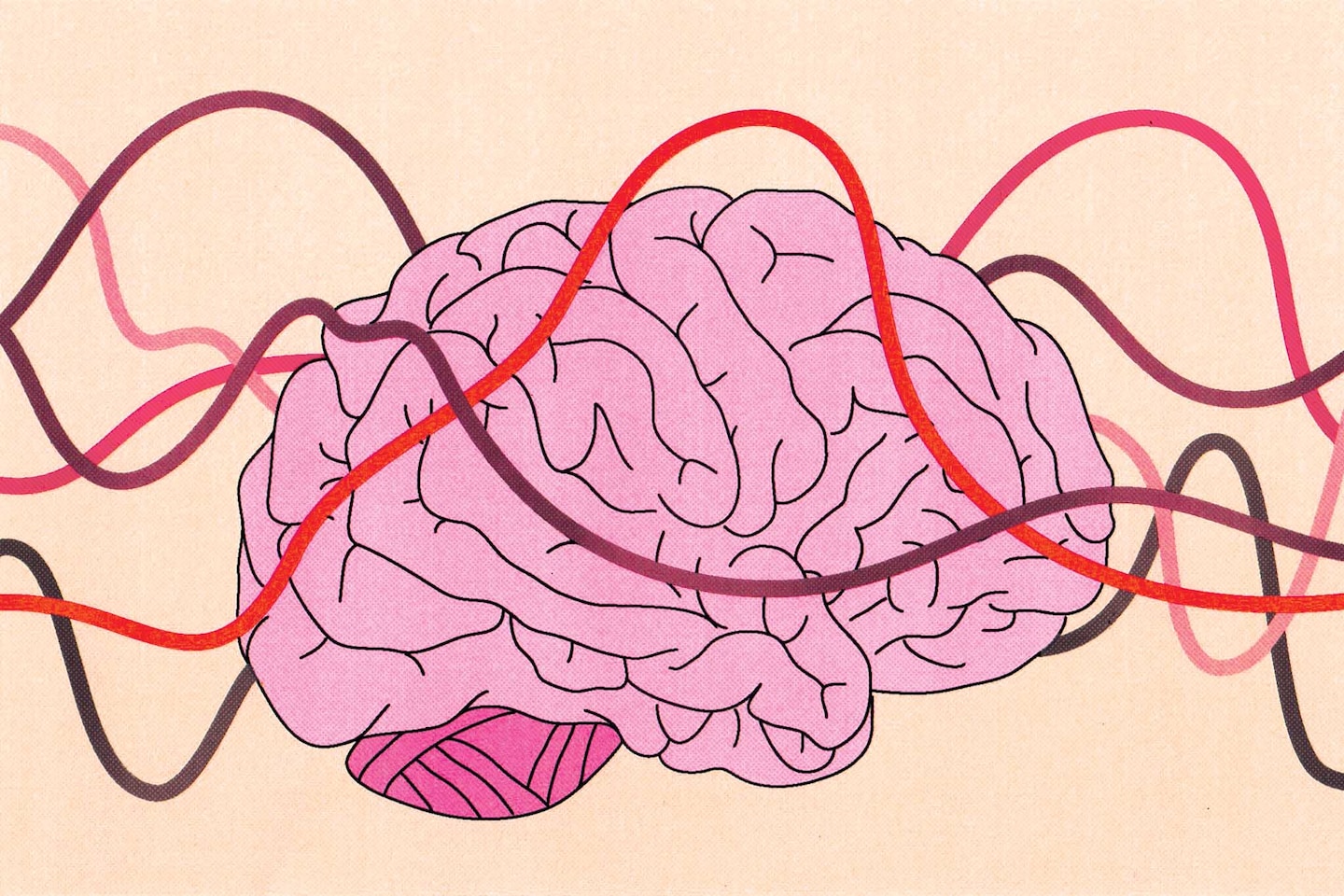
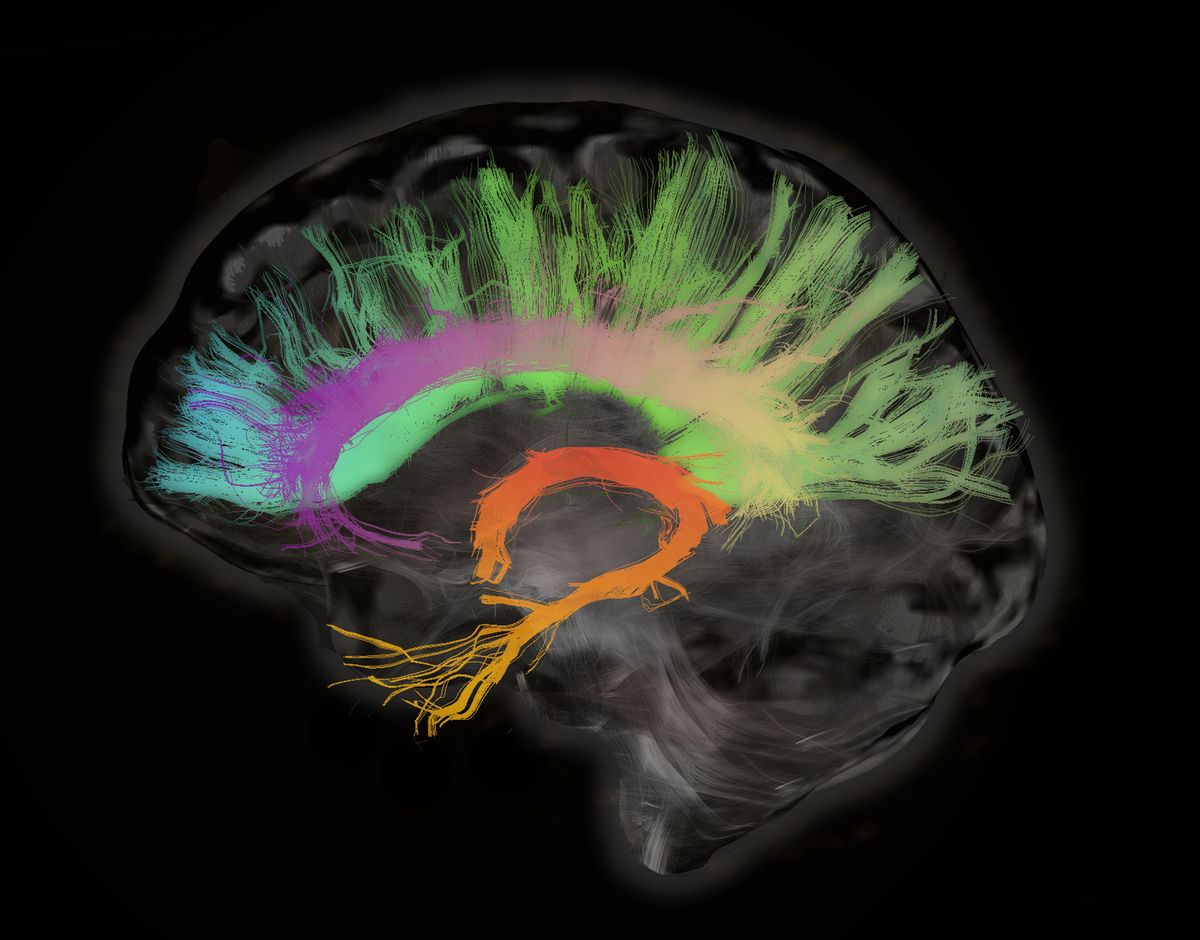
A 2023 study reveals that a woman's brain undergoes structural changes throughout her menstrual cycle, with estrogen enhancing connectivity during ovulation and progesterone promoting calmness and introspection afterward, highlighting the dynamic nature of female brain biology.
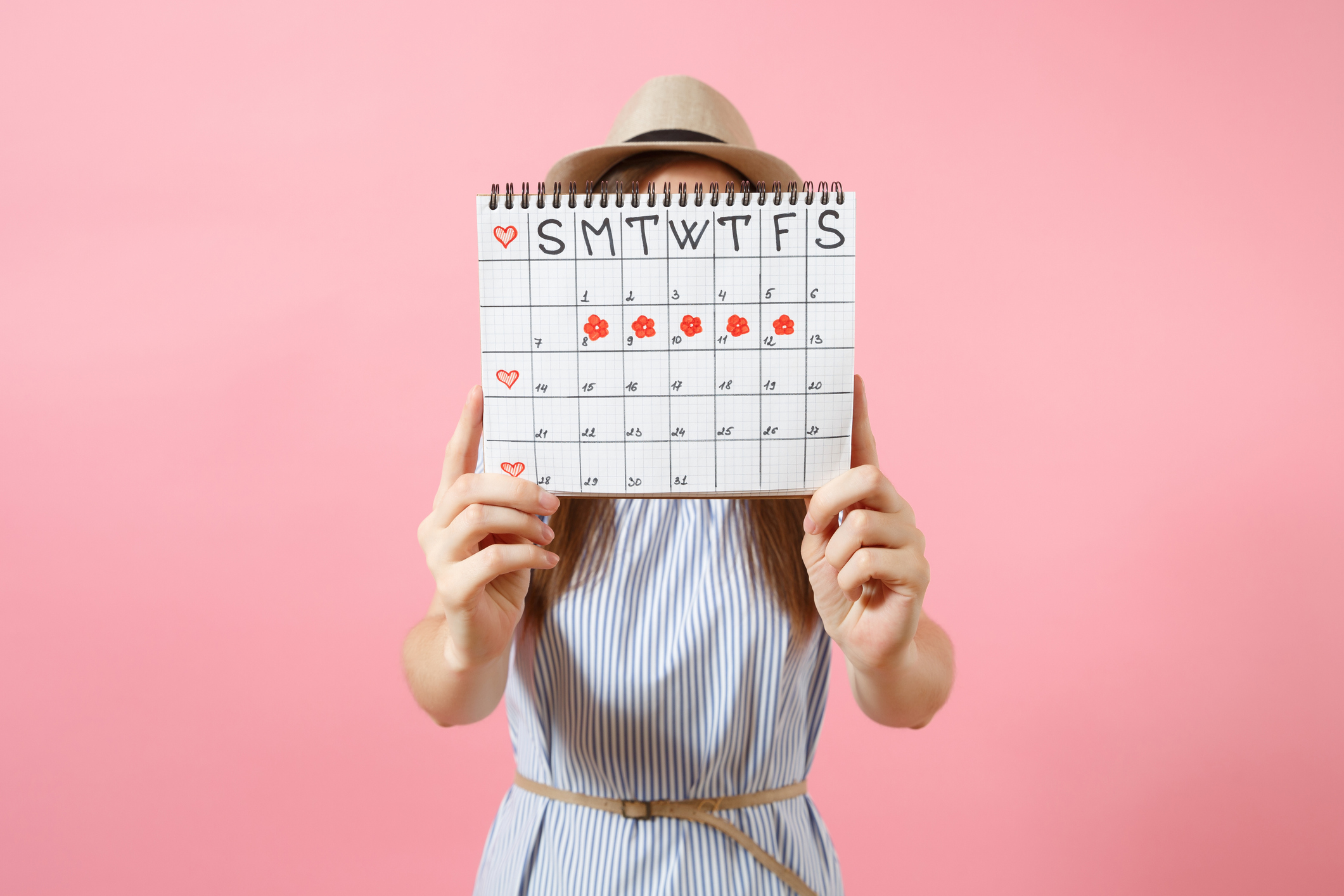
Experts advocate for routine documentation of menstrual cycle data in healthcare systems, highlighting its potential to improve diagnosis and understanding of various health conditions, address health inequalities, and enhance women's health throughout their lives. Currently, this data is underused and not systematically collected, which limits its benefits for clinical care and research.
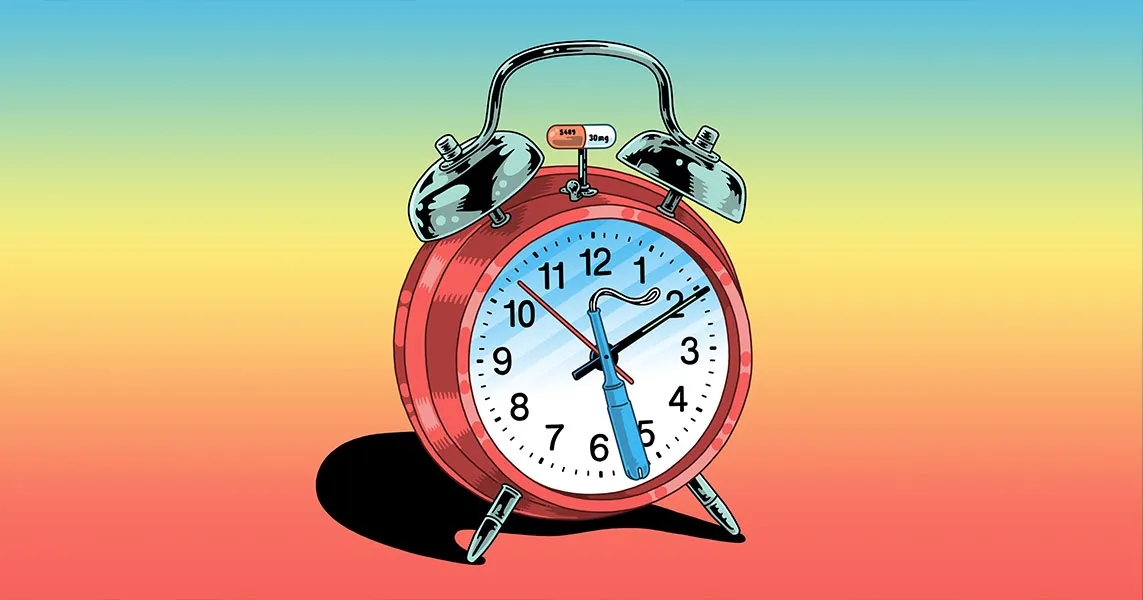
The article discusses how hormonal fluctuations during the menstrual cycle can impact ADHD symptoms and medication effectiveness in women, highlighting the need for more research and personalized treatment approaches, as current medical practices often overlook these cyclical changes.
A study by University College London suggests that women perform better in sports during their menstrual period, with faster reaction times and improved anticipation skills, despite feeling worse. The research links fluctuating hormones during the menstrual cycle to changes in cognitive function and injury rates, particularly noting slower reaction times and higher injury incidence in the luteal phase. The findings could help female athletes adapt their game strategies based on their menstrual cycle.
A study by UCL and ISEH reveals that women perform better on cognitive tasks during menstruation, despite expecting worse performance. The research, published in Neuropsychologia, shows cognitive abilities fluctuate throughout the menstrual cycle, with faster reaction times and fewer errors during menstruation. These findings could have significant implications for injury prevention and women's health strategies, challenging common perceptions about women's abilities during their menstrual cycle.
Research suggests that women's sleep quality fluctuates significantly throughout the menstrual cycle, with more disruption and time spent awake in bed in the days leading up to and during their period. This is attributed to the cyclical hormonal changes, particularly the rise in estrogen at the beginning of the cycle and the peak in progesterone towards the end, which are associated with emotional fluctuations such as irritability and depression. The findings aim to contribute to understanding the interplay between menstrual cycles, emotions, and sleep, with potential implications for interventions and treatments to enhance sleep quality and emotional resilience in women.
Recent research is shedding light on various health issues affecting women, including the impact of ADHD on women and girls, the reshaping of the brain during the menstrual cycle, the underdiagnosis of severe pregnancy-related conditions like hyperemesis gravidarum, new tools to prevent maternal mortality, the realness of frozen shoulder syndrome, and potential cures for hot flashes during menopause. These findings underscore the need for more comprehensive research in women's health.
A study by Oregon Health & Science University found that COVID-19 vaccinations may lead to temporary changes in menstrual cycle length, with those vaccinated in the first half of their cycle more likely to experience such changes. The study, based on data from nearly 20,000 users of a birth control app, revealed a one-day increase in cycle length for those vaccinated in the follicular phase, which typically resolved in the following cycle. While the exact biological mechanism is still unknown, researchers emphasize that these changes are temporary and should not cause concern, but advise seeking guidance from a doctor if prolonged changes occur.
A woman shares her experience with endometriosis, recounting the agony she endured during her teenage years and the struggle to recognize the monthly pattern of pain. Despite initially attributing her symptoms to severe food poisoning, she later came to understand the reality of her condition. This personal account sheds light on the often silent suffering of women with endometriosis and the growing movement to raise awareness and advocate for better support and understanding.
The follicular phase of the menstrual cycle is crucial for hormone health and fertility, and optimizing it involves understanding its duration, hormonal patterns, and symptoms. Tips for supporting a healthy follicular phase include stress management, prioritizing sleep, nourishing the body with nutrient-dense foods, regular exercise, and mind-body practices. Nutrition during this phase should focus on phytonutrients, healthy fats, lean proteins, and essential micronutrients, with specific foods like leafy greens, berries, salmon, and flaxseeds being beneficial. Strength training is recommended during the follicular phase, and embracing renewal, vitality, and growth is encouraged to make the most of this phase.
Two recent studies have found that a woman's menstrual cycle affects the structure of her brain. The studies used brain scans to observe changes in brain volume and thickness that corresponded with hormone levels during different phases of the menstrual cycle. The areas of the brain affected are part of the limbic system, which regulates emotions, memory, and behavior. The findings suggest that hormonal fluctuations during the menstrual cycle may impact brain structure and potentially influence how the brain functions. Further research is needed to understand the full implications of these changes on women's everyday lives.
COVID-19 and vaccines can temporarily disrupt menstrual cycles in women, with changes ranging from irregular cycles to longer gaps between bleeds. Studies have shown that the time between periods may expand by more than a day after infection or vaccination, but typically returns to normal the following cycle. While most women experience minor and temporary shifts in their cycles, some may experience more significant and persistent changes. The exact mechanisms behind these disruptions are not yet clear, but hypotheses include the virus affecting the hypothalamic-pituitary-ovarian axis or the immune system altering the inflammatory response of the uterine lining. It is important for healthcare providers to inform women about these possible side effects and for individuals with significantly altered cycles to consult their healthcare providers.
A study conducted by researchers at the University of California, Santa Barbara suggests that hormones fluctuating throughout the menstrual cycle may lead to changes in the brain's structure. The study examined the brain structure of 30 women throughout their menstrual cycles and found that these changes correlated with fluctuations in four hormones. While the impact of these brain changes on cognition or the risk of brain diseases is still unknown, the research highlights the effects of menstrual cycle hormones on the brain and emphasizes the need for more studies focused on people who menstruate.
Cycle syncing, a practice of tailoring day-to-day activities to the menstrual cycle, has gained popularity among women seeking to navigate their relationships with food, exercise, and work. Despite the lack of scientific evidence supporting its benefits, cycle syncing offers a sense of permission to rest without guilt. However, critics argue that the method's claims are dubious and that it perpetuates biological essentialism. While cycle syncing may provide a framework for natural energy management, it also reinforces the idea that women have limitations and need to hustle harder during their "good" weeks. Ultimately, the practice offers prescriptive strategies but cannot replace the work of being in tune with one's own body.