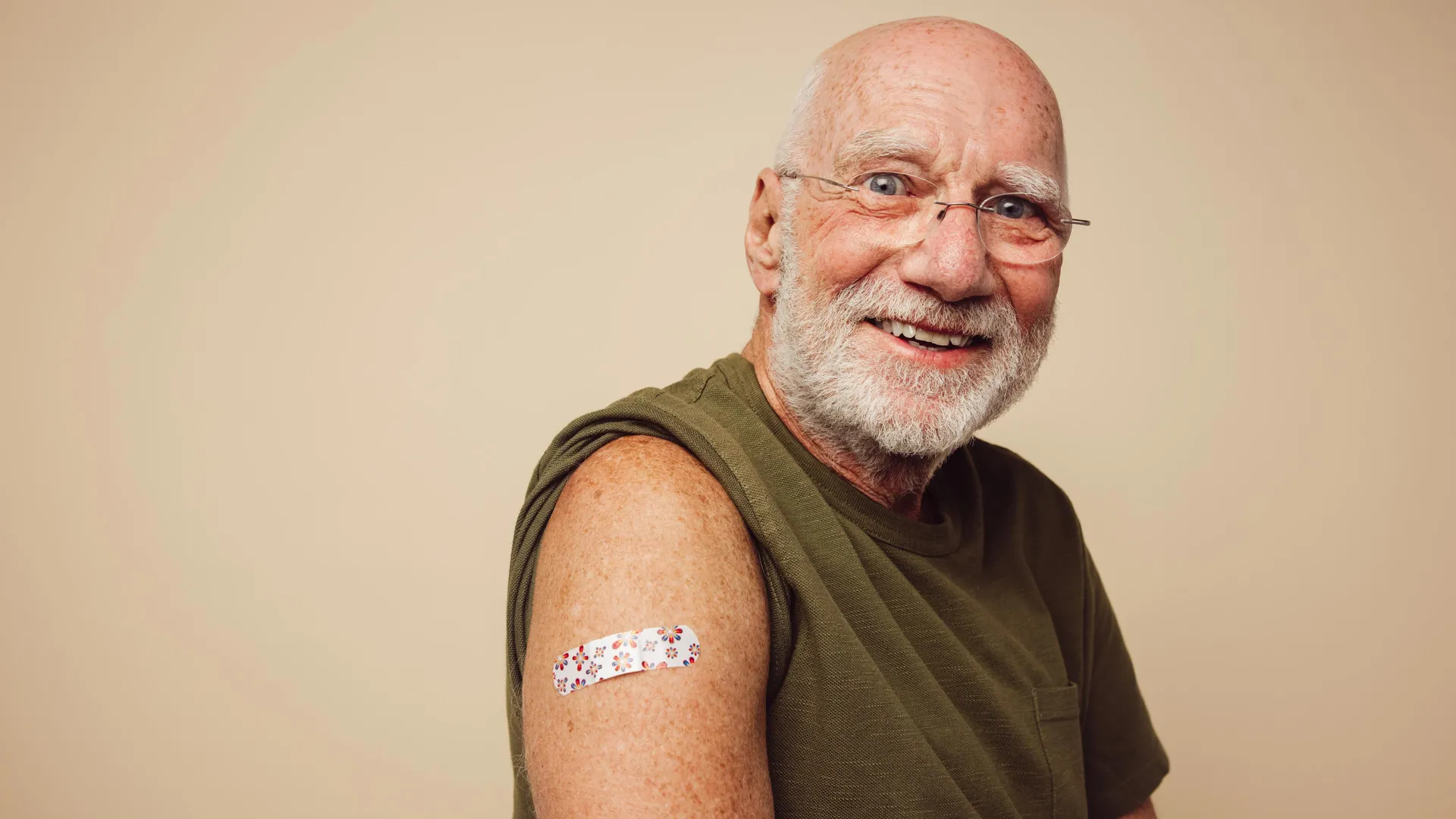
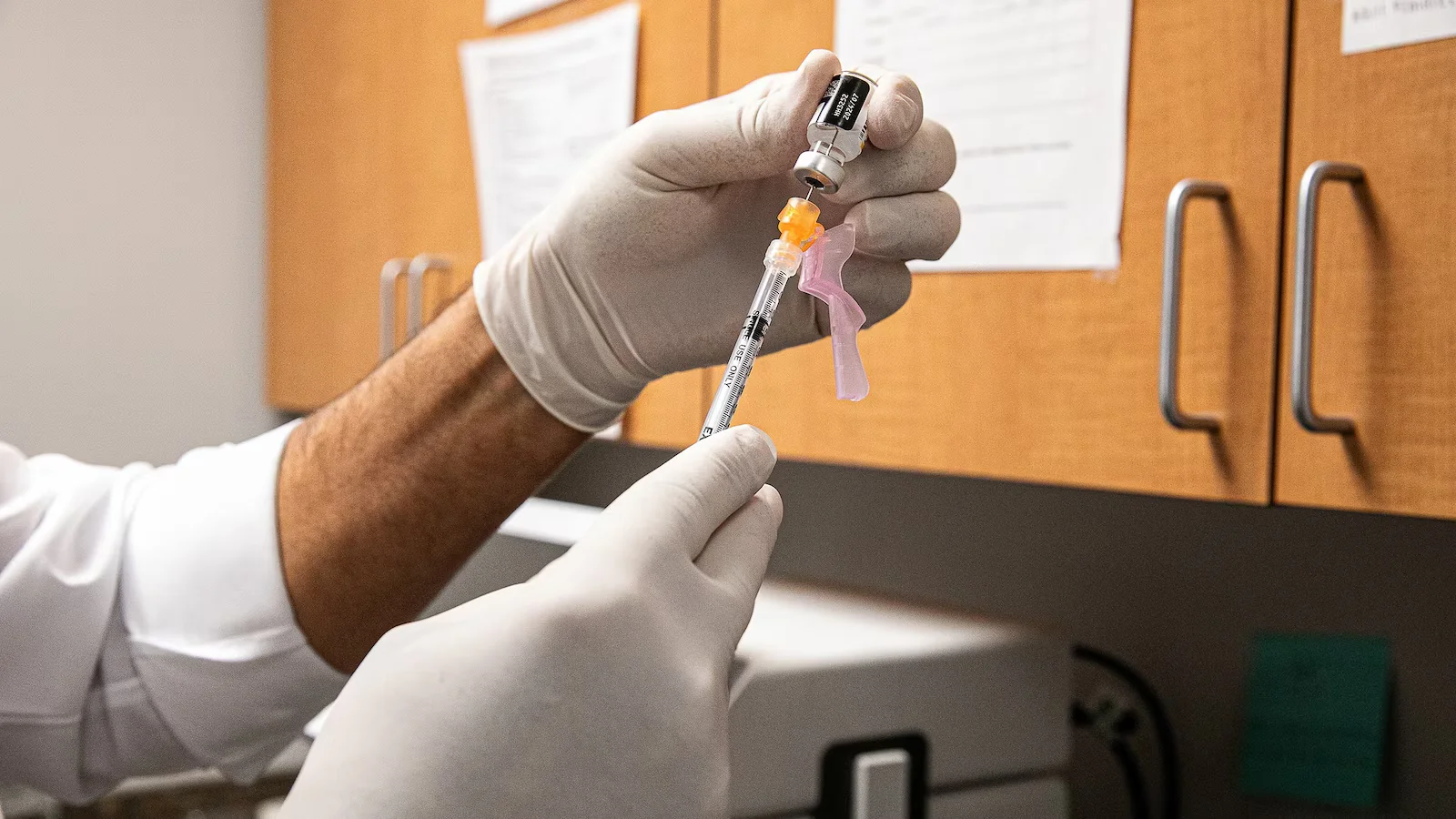
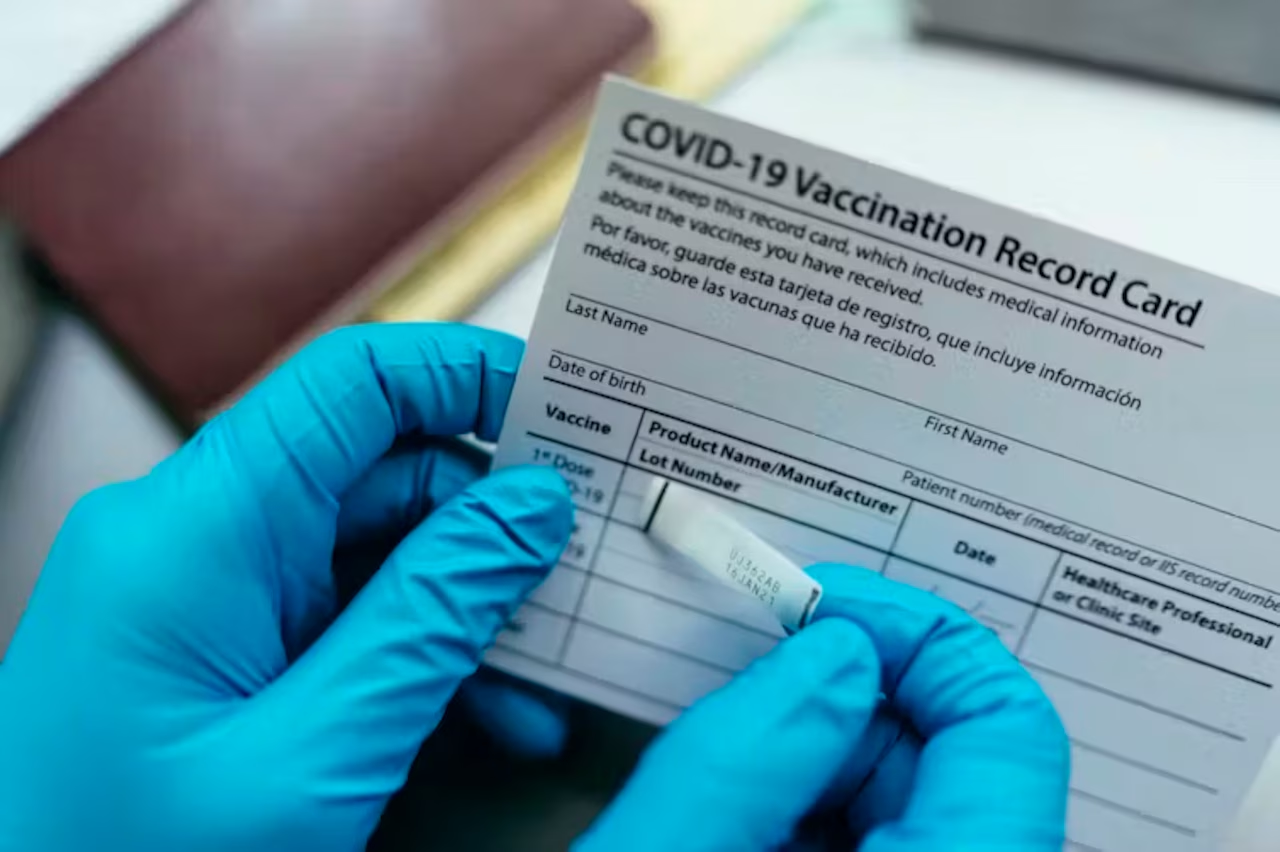
A large French study involving 28 million people found that those who received the Covid-19 vaccine had a 74% lower risk of death from Covid-19 and a 25% lower overall mortality rate over four years, suggesting long-term health benefits and reduced risk of secondary infections, despite initial safety concerns.

Research suggests that mRNA COVID-19 vaccines may extend survival in certain cancer patients by boosting the immune response, especially when administered within 100 days of starting cancer therapy, potentially enhancing the effectiveness of treatments like checkpoint inhibitors.
Research suggests that cancer patients with advanced lung or skin cancer who received a COVID-19 mRNA vaccine within 100 days of starting immunotherapy lived significantly longer, potentially paving the way for a universal cancer vaccine, though further clinical trials are needed to confirm these findings.
The CDC has updated its immunization guidelines, no longer recommending universal COVID-19 vaccination and suggesting that COVID shots be a personal choice, while also recommending that toddlers receive the MMR and varicella vaccines separately due to safety concerns. These changes reflect a shift towards informed consent and individual decision-making in vaccination practices.
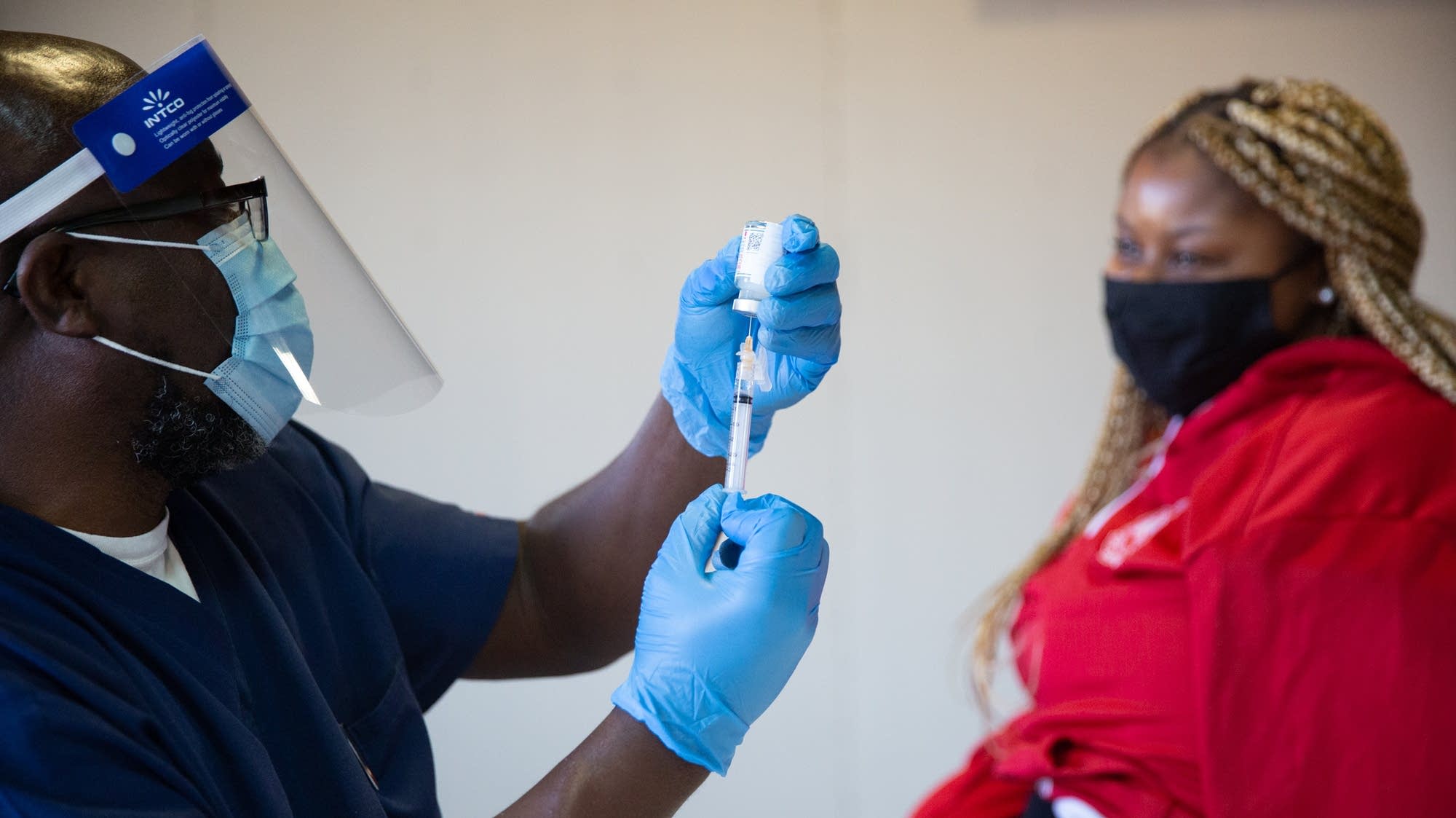
Minnesota officials are clarifying vaccination guidelines amid federal changes, emphasizing the importance of vaccines for all ages and ensuring access through pharmacies and insurance coverage, despite recent shifts in federal recommendations and guidance on vaccine use for children.
The article discusses recent shifts in vaccine guidance for children regarding flu and COVID-19 shots, highlighting that flu vaccination is broadly recommended for children 6 months and older, while COVID-19 vaccine recommendations are now more varied, with some groups advising vaccination for all children and others emphasizing individual choice, leading to potential confusion among parents.
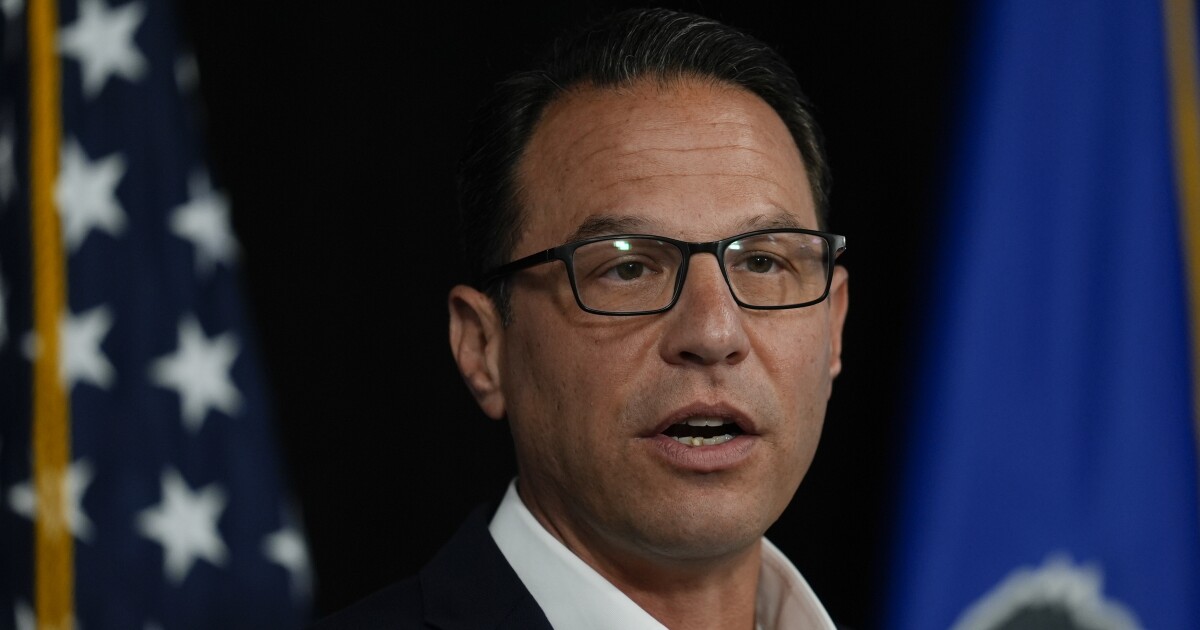
Pennsylvania Governor Josh Shapiro has directed private insurers in the state to cover all vaccines recommended by the CDC's 2024 panel, despite recent contentious decisions and disagreements with federal health agencies, emphasizing local control and evidence-based guidance in public health decisions.
Drugstores will continue to offer and be reimbursed for COVID-19 vaccines this fall, despite new CDC advisory committee recommendations not specifically endorsing the updated shots. Insurance coverage is expected to persist through various programs, and most adults and high-risk groups can get vaccinated at pharmacies or doctors' offices, with eligibility based on age and health conditions. Consumers should verify their insurance coverage and consult healthcare providers for eligibility.
Drugstores are prepared to deliver updated COVID-19 vaccines this fall with insurers planning to cover the costs, despite the vaccines not being specifically recommended by a key government advisory committee. Coverage is expected through various programs including Medicaid, CHIP, and private insurance, with most major insurers continuing to cover the vaccine at no cost through 2026. Vaccinations are widely accessible at pharmacies and doctors' offices, with recommendations for all individuals 6 months and older, especially those at high risk.
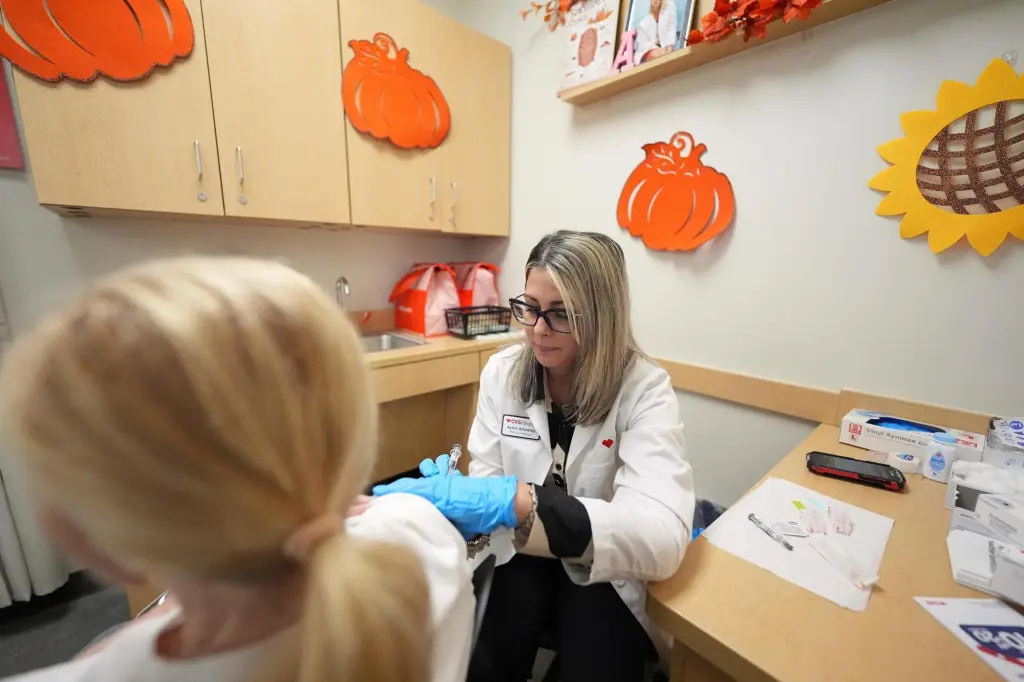
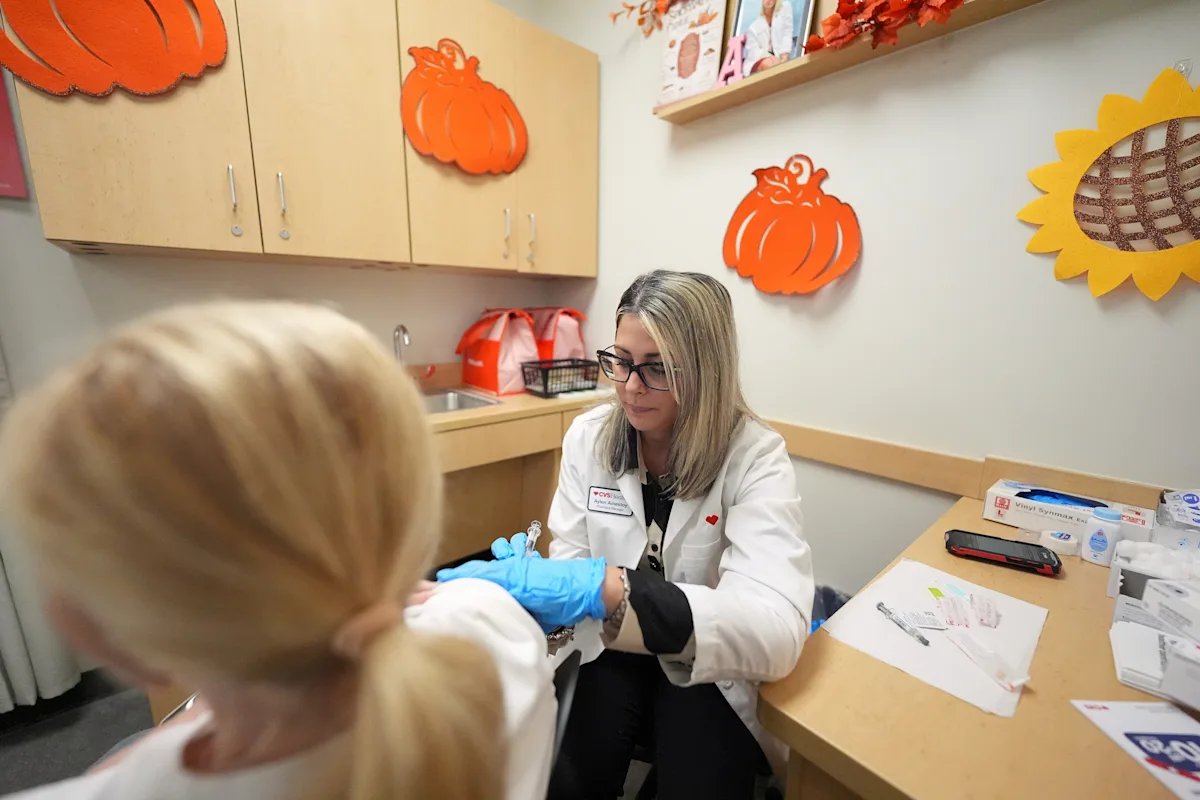
Drugstores are prepared to deliver updated COVID-19 vaccines this fall, with insurers planning to cover the costs despite the vaccines no longer being specifically recommended by a key government advisory committee. Coverage is expected through various programs including Medicaid, CHIP, and private insurance, with most major insurers continuing to cover the vaccine at no cost through 2026. Vaccinations are widely available at pharmacies like CVS and Walgreens, and eligibility now includes all individuals aged 6 months and older, with recent FDA approval for those 65 and older and high-risk groups. Patients are encouraged to check with their insurers and healthcare providers about coverage and eligibility.
Despite CDC advisers not explicitly recommending the updated COVID-19 shots this fall, insurers plan to continue covering them, and pharmacies are prepared to administer the vaccines to all eligible individuals, including those at high risk, with many options for access across the U.S.
Many drugstores are prepared to deliver updated COVID-19 vaccines this fall, with insurers planning to cover the costs despite the vaccines no longer being specifically recommended by a key government advisory committee. Coverage is expected through various programs including Medicaid, CHIP, and private insurance, with most major insurers continuing to cover the vaccine at no cost through 2026. Vaccinations are widely available at pharmacies and doctors' offices, and the CDC recommends yearly shots for everyone 6 months and older, especially for high-risk groups.
A CDC vaccine advisory panel, appointed under RFK Jr., backed away from requiring prescriptions for COVID shots, instead recommending vaccination for adults 65+ and shared decision-making for others, amid controversy and concerns over vaccine safety and process integrity.
California has issued its own COVID-19 vaccination guidelines, independent of federal recommendations, in response to recent changes and controversies in federal vaccine policy, including the replacement of CDC advisory members by vaccine skeptics. The state law mandates insurance coverage for vaccines endorsed by California, broadening access and bypassing federal restrictions, especially for vulnerable groups like children and pregnant women. This move aims to ensure wider vaccine access amid rising COVID-19 cases and potential federal policy restrictions.
The FDA has restricted COVID-19 vaccine eligibility in Ohio to adults 65+ and those with certain health conditions, leading to new requirements at pharmacies and potential confusion about who can get vaccinated this fall.