Tag

Brain Structure

All articles tagged with #brain structure

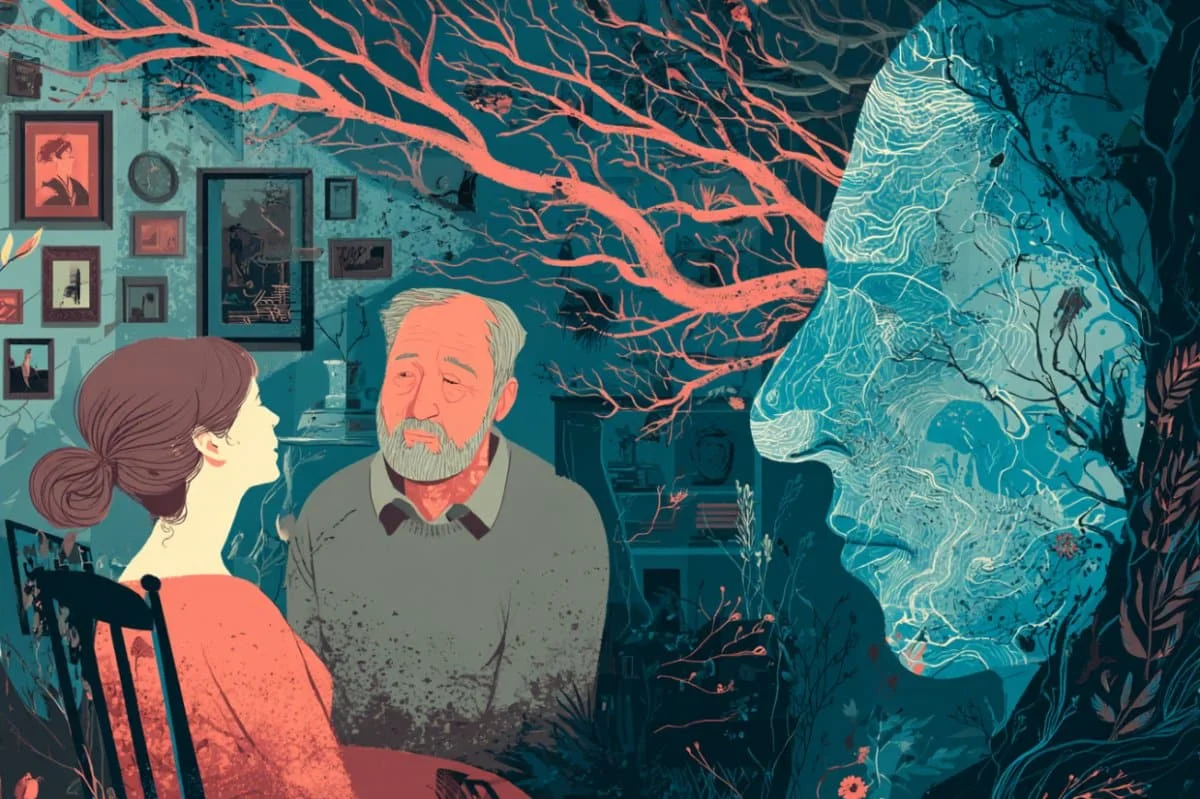
UVA Researchers Find New Ways to Prevent Alzheimer’s Memory Loss of Loved Ones

Originally Published 2 months ago — by Neuroscience News

Featured image for UVA Researchers Find New Ways to Prevent Alzheimer’s Memory Loss of Loved Ones
Source: Neuroscience News

Research from the University of Virginia suggests that the breakdown of perineuronal nets around neurons in the brain contributes to social memory loss in Alzheimer's disease. In mice, preventing the degradation of these nets with MMP inhibitors preserved social memory, independent of amyloid pathology, indicating a new potential therapeutic target for the disease.

Childhood Trauma Causes Lasting Biological and Genetic Changes

Originally Published 2 months ago — by Neuroscience News

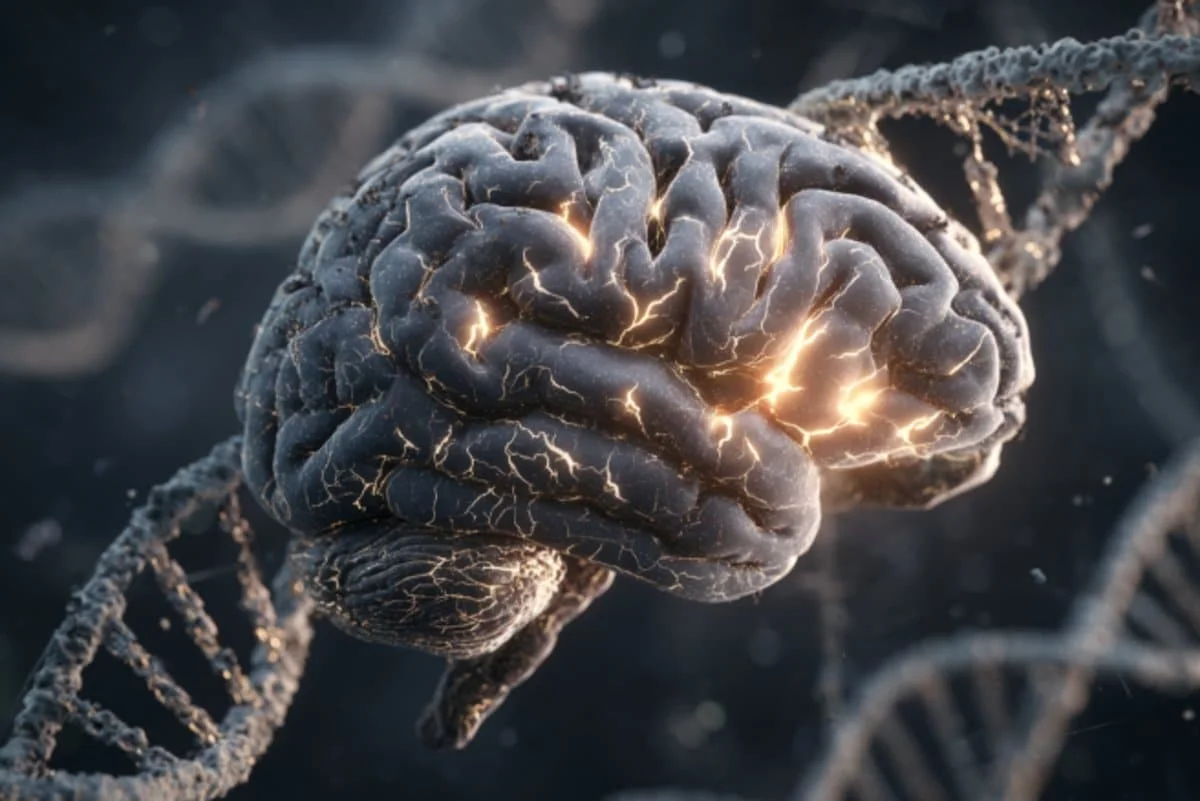
Featured image for Childhood Trauma Causes Lasting Biological and Genetic Changes
Source: Neuroscience News

New research shows that child maltreatment causes lasting biological scars on DNA and brain structure, especially involving the FOXP1 gene, which affects emotional and social brain regions. These epigenetic changes can serve as biomarkers for early detection and intervention, highlighting the biological impact of childhood trauma.

Brain Structure Tied to Genetic Risk of Major Depression

Originally Published 4 months ago — by Medical Xpress

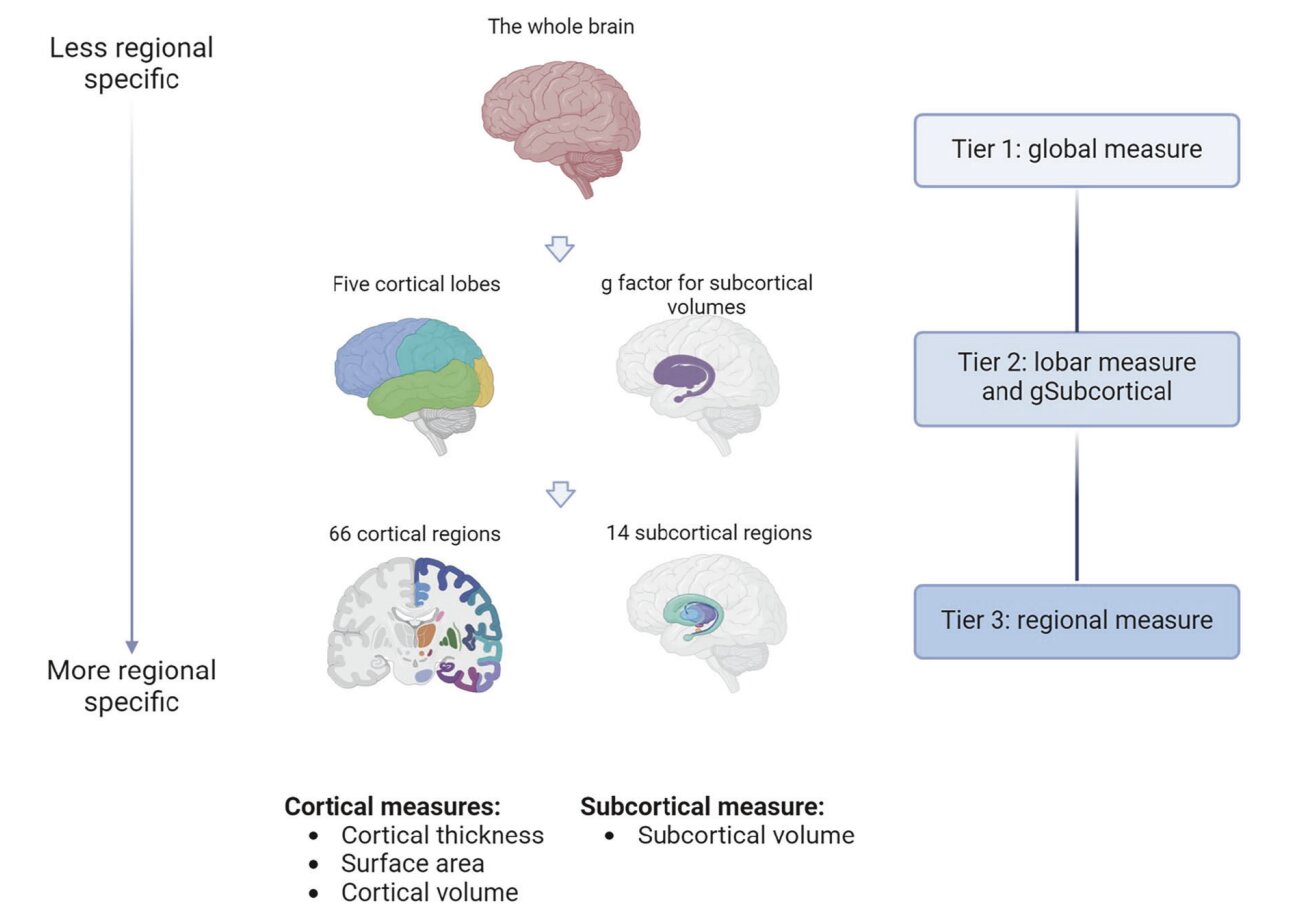
Featured image for Brain Structure Tied to Genetic Risk of Major Depression
Source: Medical Xpress

A large-scale study found that individuals with a higher genetic risk for major depression, measured by polygenic risk scores, tend to have smaller brain volumes and surface areas in specific regions such as the hippocampus, thalamus, and orbitofrontal cortex, with potential implications for early intervention and personalized treatment.

Secrets of SuperAgers: How Some 80-Year-Olds Maintain Youthful Memory and Brain Function

Originally Published 5 months ago — by Neuroscience News

Featured image for Secrets of SuperAgers: How Some 80-Year-Olds Maintain Youthful Memory and Brain Function
Source: Neuroscience News

Research on 'SuperAgers'—people over 80 with memory performance comparable to much younger individuals—reveals they have thicker brain cortices, unique neurons, and resistance or resilience to Alzheimer's pathology, offering insights into maintaining cognitive health into old age.

Brain Differences Found in Children with Restrictive Eating Disorders

Originally Published 5 months ago — by ScienceAlert

Featured image for Brain Differences Found in Children with Restrictive Eating Disorders
Source: ScienceAlert

A study using MRI scans of children under 13 with restrictive eating disorders found structural brain differences, such as thinner cortex and reduced brain volume, which may be linked to behaviors and other neurodevelopmental conditions like OCD and autism, highlighting the importance of treating these disorders as distinct but related conditions.

Ancient Fossil Indicates Oceanic Origins for Spiders

Originally Published 5 months ago — by ScienceAlert

Featured image for Ancient Fossil Indicates Oceanic Origins for Spiders
Source: ScienceAlert

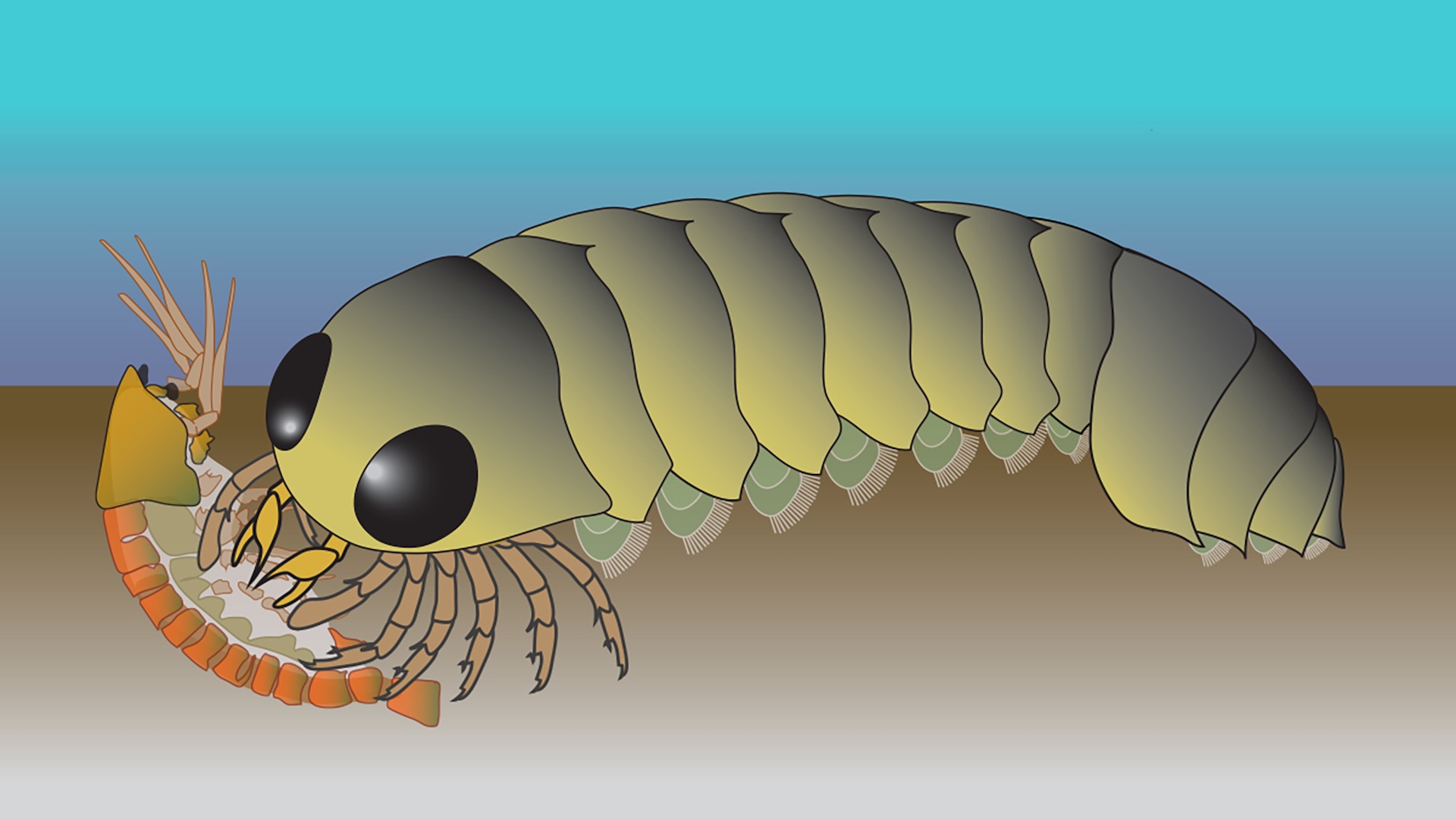
A 500-million-year-old fossil of Mollisonia suggests that the brains of spiders and related arachnids may have evolved in the oceans before transitioning to land, challenging traditional views on their terrestrial origins and indicating a marine ancestry for these creatures.

New Neuroscience Insights Reveal Brain Differences in Psychopaths

Originally Published 5 months ago — by Rude Baguette

Featured image for New Neuroscience Insights Reveal Brain Differences in Psychopaths
Source: Rude Baguette

Recent neuroimaging research reveals that individuals with psychopathy exhibit significant reductions in brain volume in regions responsible for emotional regulation, decision-making, and social behavior, providing a biological basis for their antisocial tendencies. The study highlights the complexity of psychopathy, with some traits showing less consistent neural correlations, and paves the way for targeted interventions based on neural differences.

Brain Scan Insights into Psychopaths' Unique Neural Traits

Originally Published 6 months ago — by ScienceAlert

Featured image for Brain Scan Insights into Psychopaths' Unique Neural Traits
Source: ScienceAlert

A study comparing brain scans of psychopaths and non-psychopaths found that individuals with psychopathic traits have structural differences in brain regions associated with emotional regulation, impulsivity, and behavioral control, including smaller overall brain size and specific regional reductions, which could inform future treatments and understanding of psychopathy.

Scientists Warn: Extended Work Hours Could Change Brain Structure

Originally Published 7 months ago — by SciTechDaily

Featured image for Scientists Warn: Extended Work Hours Could Change Brain Structure
Source: SciTechDaily

Preliminary research indicates that working excessively long hours may cause structural changes in brain regions responsible for emotional regulation and executive functions, potentially impacting cognitive and emotional health. The study highlights the importance of addressing overwork as an occupational health concern, though further research is needed to confirm causality.

Brain Regions Responsible for Differentiating Reality from Imagination Identified

Originally Published 7 months ago — by Phys.org

Featured image for Brain Regions Responsible for Differentiating Reality from Imagination Identified
Source: Phys.org

Recent research identifies the fusiform gyrus as key to distinguishing reality from imagination, while conservation efforts using dehorning have significantly reduced rhino poaching. Additionally, a new mathematical model supports the 'big bounce' theory, challenging the traditional Big Bang concept.