Research from Maastricht University shows that consuming 60 grams of peanuts daily can improve brain blood flow and memory in older adults, offering an affordable and tasty way to support cognitive health and potentially reduce age-related decline.
A doctor shares 7 practical tips to improve brain function and memory over 31 days, including adequate sleep, a nutritious diet rich in Omega-3s and antioxidants, focused tasks, reduced sugar intake, hydration, journaling, and regular exercise, with noticeable improvements within a week.
Brahmi Kadha, a traditional Ayurvedic decoction made from Bacopa Monnieri leaves, is supported by scientific research for its ability to enhance memory, focus, and cognitive function across all ages, especially benefiting children and adults over 45 by protecting against cognitive decline and improving mental clarity.
Consuming foods high in Vitamin D, such as egg yolks, fortified milk, sun-exposed mushrooms, salmon, and cod liver oil, can support brain health, improve memory, and reduce the risk of cognitive decline, complementing sunlight exposure and a healthy lifestyle.
The article highlights 8 key nutrients—Magnesium, Omega-3 fatty acids, Catechins, Myricetin, Vitamin E, Vitamin D, Vitamin B12, and Quercetin—that support brain health, improve memory, and combat mental decline, emphasizing the importance of including these nutrients in a balanced diet through foods like leafy greens, nuts, berries, green tea, fatty fish, and fortified foods.
Research shows that coffee offers numerous health benefits, including reducing the risk of cancer, diabetes, and Parkinson's disease, as well as potentially improving mood and cognitive function. However, the energy and memory-boosting effects of caffeine diminish over time due to increased adenosine receptor levels. Taking a 7-day break from caffeine can reset these levels, allowing for a renewed boost when coffee consumption resumes. Strategically reducing coffee intake for a week can also achieve this effect, potentially enhancing the benefits of regular coffee consumption.
A study conducted by researchers from Tohoku University in Japan has found that consuming wasabi, the spicy ground rhizome often served with sushi, can significantly improve short- and long-term memory. The study involved 72 healthy subjects aged 60 to 80, with half of them taking 100 milligrams of wasabi extract at bedtime and the rest receiving a placebo. After three months, the group that received the wasabi treatment showed significant improvements in working memory and episodic memory, scoring on average 18% higher in episodic memory compared to the placebo group. The active component in wasabi, 6-MSITC, is a rare antioxidant and anti-inflammatory compound that is believed to be responsible for these memory-boosting effects.
A study conducted in Japan by researchers at Tohoku University found that consuming wasabi, the spicy green condiment often served with sushi, can improve both short- and long-term memory. The study involved 72 healthy subjects aged 60 to 80, with half of them taking 100 milligrams of wasabi extract at bedtime and the rest receiving a placebo. After three months, the group that received the wasabi treatment showed significant improvements in working memory and episodic memory compared to the placebo group. The researchers believe that the active component in wasabi, 6-MSITC, reduces inflammation and oxidant levels in the brain's memory center, the hippocampus, and enhances neural plasticity. Further research is planned to explore the effects of wasabi on other age groups and cognitive decline in dementia patients. However, it's worth noting that the wasabi commonly served in sushi bars is often an impostor made of ordinary white horseradish dyed green, and genuine wasabi is difficult to cultivate and expensive.
A study conducted by researchers at Tohoku University in Japan has found that wasabi, the spicy green condiment often served with sushi, can improve both short- and long-term memory. The study involved 72 healthy subjects aged 60 to 80, with half of them taking 100 milligrams of wasabi extract at bedtime and the rest receiving a placebo. After three months, the group that received the wasabi treatment showed significant improvements in working memory and episodic memory compared to the placebo group. The researchers believe that the active component in wasabi, 6-MSITC, reduces inflammation and oxidant levels in the brain's memory center, the hippocampus, and enhances neural plasticity. Further research is planned to explore the effects of wasabi on other age groups and its potential in slowing cognitive decline in dementia patients.
A study conducted by neuroscientists from the University of California, Irvine (UCI) found that exposing senior citizens to specific scents nightly resulted in a 226% increase in cognitive capacity compared to a control group. The research highlights the strong connection between smell and memory and suggests a potential tool against dementia. The study involved participants aged 60 to 85 without memory impairment, who used a diffuser with different natural oils activated for two hours as they slept. The findings offer a non-invasive technique for strengthening memory and potentially deterring cognitive decline. A related product based on the study is expected to launch this fall.
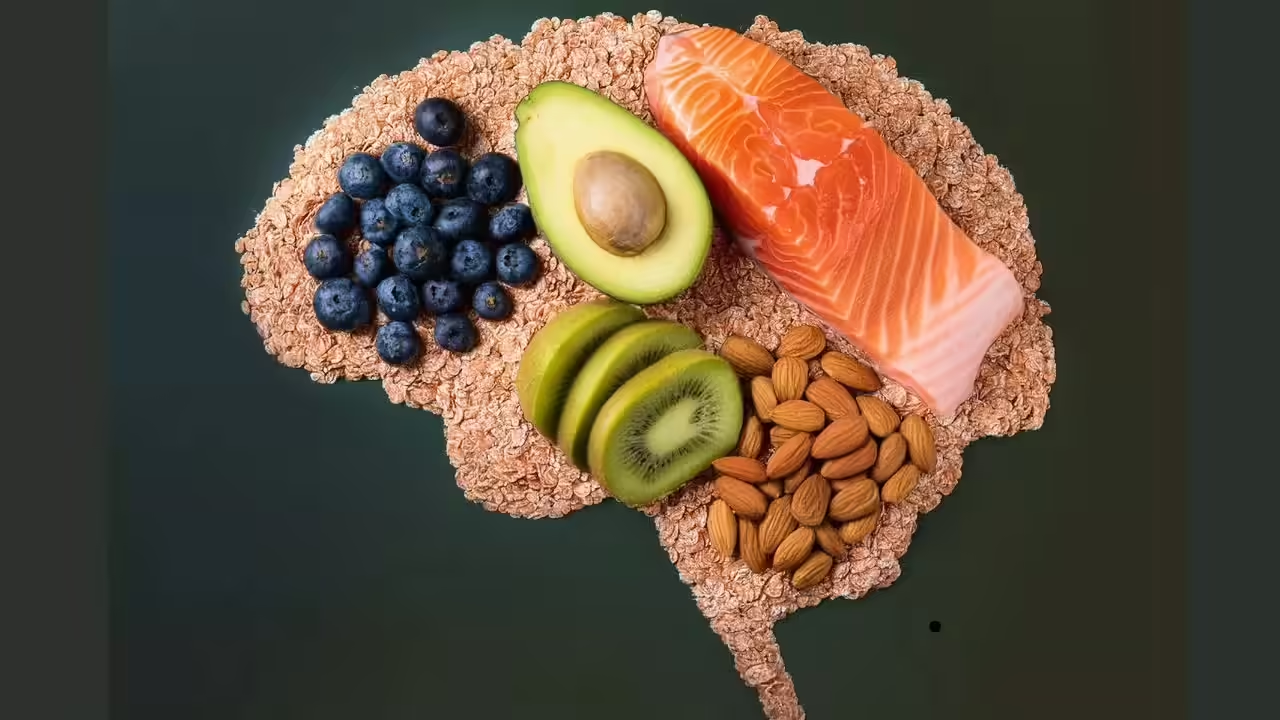
Consuming certain foods like dark chocolate, oranges, nuts, broccoli, blueberries, coffee, and fatty fish can boost memory and promote brain health. These foods contain compounds like flavonoids, antioxidants, vitamin C, and omega-3 fatty acids, which contribute to brain function, prevent mental decline, combat oxidative stress and inflammation, and aid in building brain and nerve cells.
A study conducted by neuroscientists at the University of California, Irvine has found that exposing older adults to a fragrance for two hours every night for six months resulted in a 226% increase in cognitive capacity compared to a control group. The researchers believe this non-invasive technique, which strengthens memory, could potentially help deter dementia. The study involved participants aged 60 to 85 without memory impairment, who used a diffuser with different natural oils while sleeping. The enriched group showed improved cognitive performance, better brain pathway integrity, and reported better sleep quality. The researchers hope to further investigate olfactory therapies for memory impairment and plan to release a product based on their study this fall.