A small study suggests that exposure to natural light through windows may help improve blood sugar control in older adults with type 2 diabetes, possibly due to vitamin D or light-sensitive cells affecting metabolism, but it should complement, not replace, existing management strategies.
Certain vitamin deficiencies, including vitamins A, B7, C, D, and B9, can negatively impact hair growth. Addressing these deficiencies through diet—such as consuming sweet potatoes, eggs, citrus fruits, fatty fish, and leafy greens—can help improve hair health and growth.
Approximately 60% of the global population suffers from vitamin D deficiency, which plays a crucial role in immune response and vaccine effectiveness. Experts recommend daily supplementation, especially for older adults and those with darker skin, as dietary sources and sunlight are often insufficient to maintain optimal levels. Regular testing and consultation with healthcare providers are advised to determine appropriate vitamin D intake.
Approximately 60% of the global population suffers from vitamin D deficiency, which plays a crucial role in immune response and vaccine effectiveness. Experts recommend daily supplementation, especially for older adults and those with darker skin, as natural sources like sunlight and diet are often insufficient. Maintaining optimal vitamin D levels can help prevent respiratory illnesses and improve responses to vaccines.
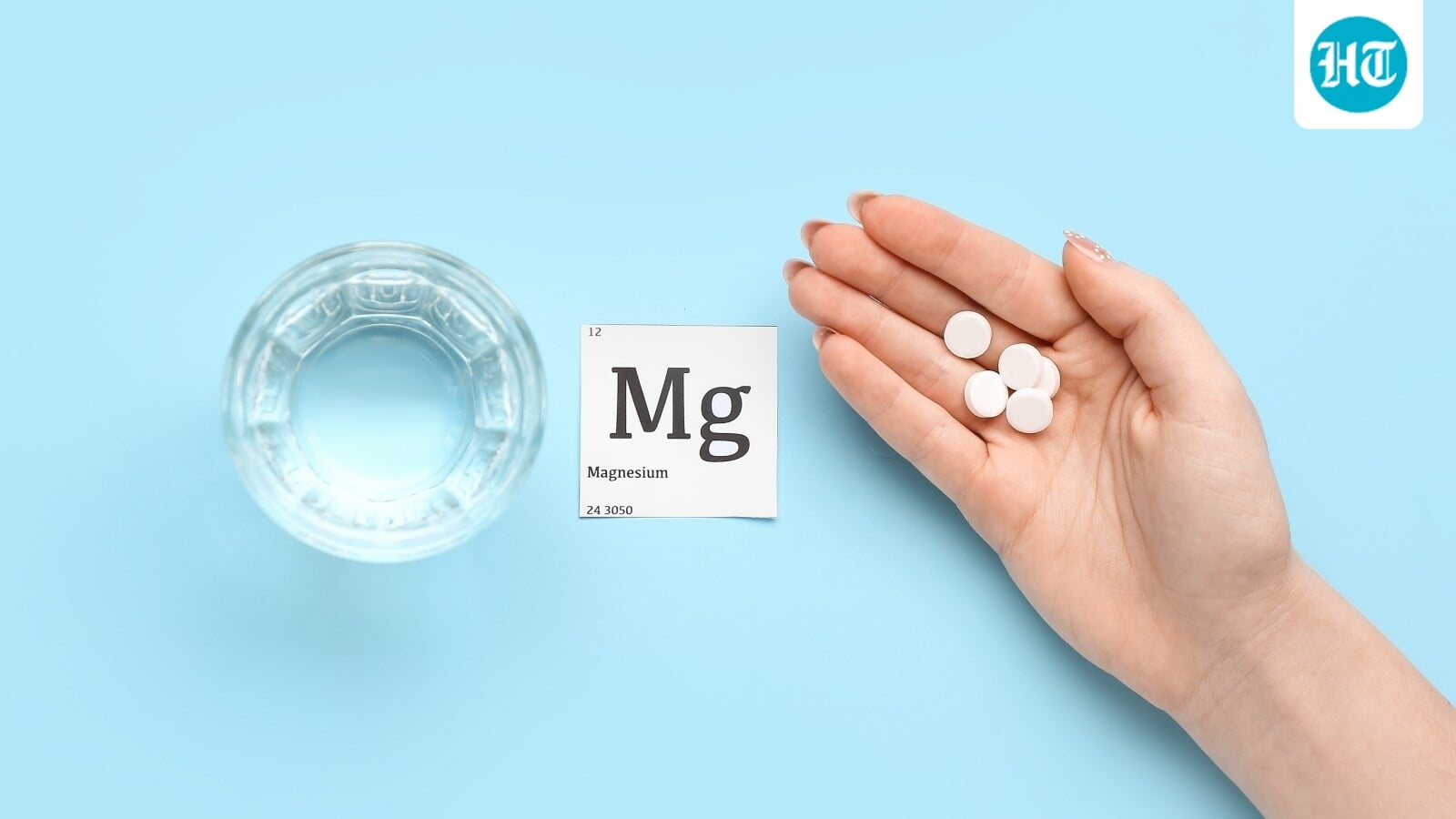
Vitamin D deficiency is widespread, but its effectiveness depends on magnesium, which activates vitamin D in the body. Without enough magnesium, vitamin D remains inactive, impairing bone health, immunity, and muscle function. Consuming magnesium-rich foods or supplements, under medical guidance, can enhance vitamin D absorption and overall health.
Reduced sunlight during winter can lead to vitamin D deficiency, affecting bone and muscle health. Experts recommend consuming fatty fish, egg yolks, fortified foods, UV-exposed mushrooms, and cod liver oil to maintain adequate vitamin D levels and prevent related health issues.
To avoid getting sick this winter, maintain indoor humidity levels between 40-60% using a humidifier, engage in regular aerobic and resistance exercise to boost immunity, prioritize vitamin D3 supplements over vitamin C, and get vaccinated against the flu regardless of age, as it can affect anyone and children are significant spreaders. These lesser-known strategies complement traditional advice like handwashing and staying home when unwell.
To support immunity and prevent seasonal illnesses during winter, it is important to consume a nutrient-rich diet including vitamin C, vitamin D, zinc, antioxidants, probiotics, and proteins, along with maintaining healthy habits like hydration, exercise, sleep, and hygiene.
A clinical trial suggests that magnesium supplements can increase vitamin D-producing gut bacteria, potentially reducing colorectal cancer risk, especially in women and individuals with specific genetic profiles related to magnesium absorption.
To avoid getting ill before Christmas, the article recommends wearing masks if symptomatic, getting a flu jab, using nasal sprays at first symptoms, eating chicken soup, taking zinc lozenges when needed, and maintaining good hygiene. It also suggests rehydration, moderate alcohol intake, and considering vitamin D supplements over vitamin C for immune support, along with simple remedies like peppermint for congestion and over-the-counter medications for indigestion. Staying cautious and proactive can help navigate the winter health risks.
The article provides eight scientifically supported tips to lower cancer risk, including optimizing vitamin D levels, practicing intermittent fasting, adopting a low-carb diet, exposing oneself to cold therapy, cooking smarter, consuming anti-cancer foods, staying physically active, and maintaining a healthy lifestyle overall. While these strategies do not guarantee cancer prevention, they can significantly reduce the risk and improve overall health.
Winter worsens autoimmune symptoms due to factors like reduced vitamin D synthesis, disrupted melatonin levels, increased susceptibility to infections, poor diet, and decreased physical activity. Preventive strategies include vitamin D supplementation, optimizing sleep and light exposure, maintaining a healthy diet, and staying active indoors to reduce flare-ups and improve immune stability.
Vitamin D deficiency is linked to increased heart disease risk, and personalized supplementation guided by regular blood testing can significantly reduce recurrent heart attacks, emphasizing the importance of tailored approaches over standard dosing for optimal cardiovascular health.
A preliminary study suggests that adults with heart disease who receive personalized vitamin D doses to reach blood levels of 40-80 ng/mL can reduce their risk of heart attack by over half, highlighting the potential benefits of targeted vitamin D management, though further research is needed.
Certain nutrients like magnesium, potassium, omega-3 fatty acids, calcium, and vitamin D play a significant role in supporting healthy blood pressure levels naturally, with research indicating their potential to reduce hypertension and improve heart health.