Researchers at the University of Kent have developed a cherry powder from damaged cherries that retains antioxidants like anthocyanin, which may help protect against Alzheimer's and other age-related diseases, offering a sustainable way to utilize agricultural by-products.
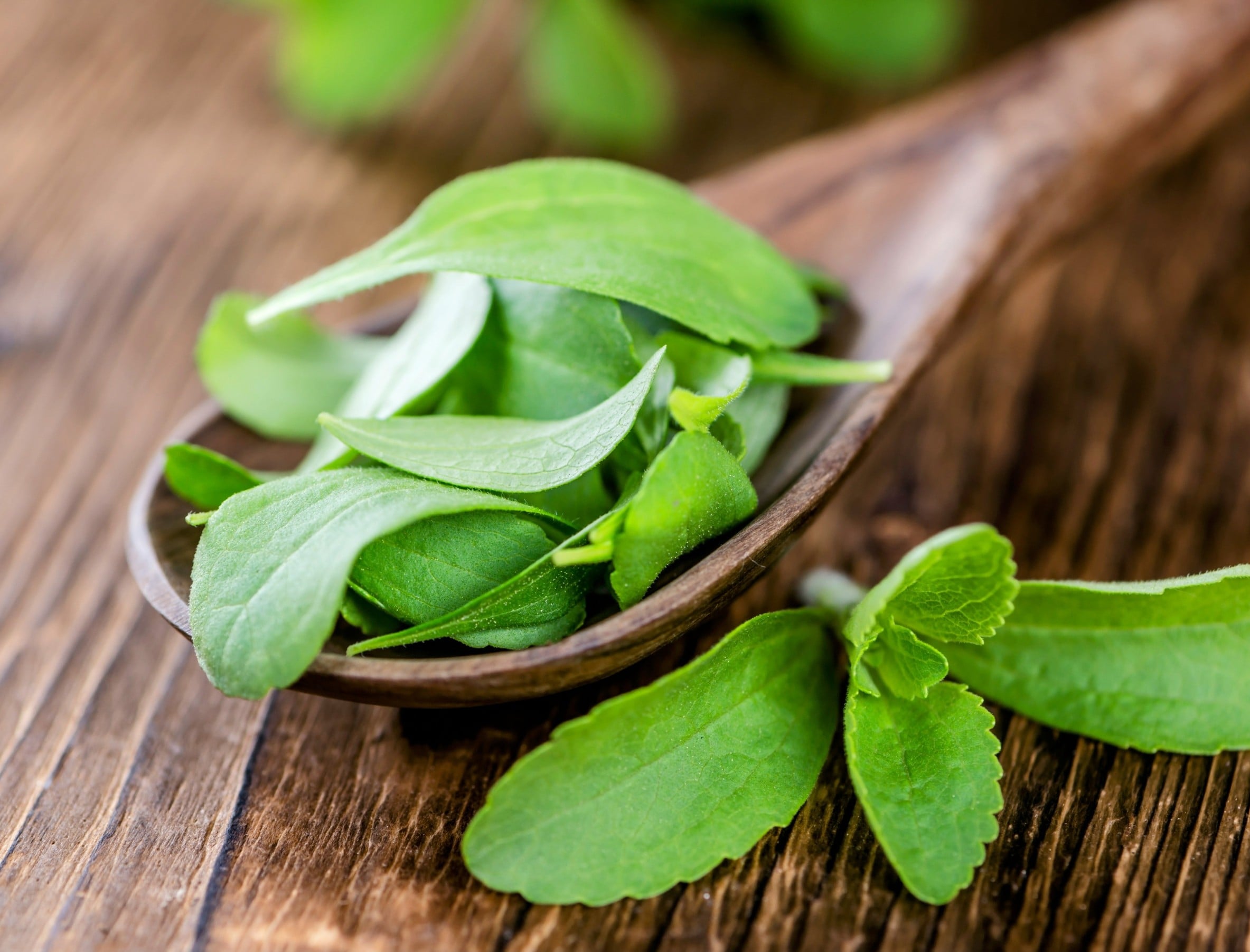
Researchers found that fermenting stevia with a bacterium from banana leaves enhances its ability to target pancreatic cancer cells while sparing healthy cells, potentially due to the formation of a more active compound called CAME, which induces cancer cell death and alters gene activity, offering a promising natural approach for cancer treatment.
A study suggests that the over-the-counter antioxidant supplement mitoquinone may help prevent heart failure in people with Type 2 diabetes by improving heart energy processing and reversing early signs of metabolic stress, with further research needed to confirm these findings.
Vitamin C is a powerful antioxidant commonly found in skincare products, known for its brightening effects and ability to protect the skin from free radicals. There are multiple forms of vitamin C used in products, each with its own benefits and considerations. The article features 14 top vitamin C skincare products, including serums, capsules, face oils, eye creams, and deodorants, catering to various skin types and concerns. Experts discuss the benefits, potential side effects, and best practices for using vitamin C skincare products, emphasizing the importance of finding the right formula and storage to maximize efficacy.
Dermatologists and skincare experts recommend incorporating Vitamin B, particularly B3 (niacinamide), B5, and B7, into beauty routines for its antioxidant, anti-inflammatory, and collagen-boosting properties. Vitamin B can help with collagen production, skin hydration, sebum regulation, and protection from free radical damage. It is beneficial for individuals with sensitive, oily, or acne-prone skin, and can address issues such as uneven pigment, redness, and skin aging. However, excessive supplementation of certain B vitamins may lead to acne. Products with B vitamins are recommended for those with sensitive skin, redness, and aging concerns, as well as for addressing dryness, acne, and pigmentation issues.
Researchers have discovered a previously unknown protein, MceF, produced by the bacterium Coxiella burnetii, which has antioxidant properties and can keep human cells healthy even when heavily infected. This finding opens up potential new treatments for diseases related to mitochondrial dysfunction, such as cancer and autoimmune disorders. The protein interacts with an antioxidant enzyme in the mitochondria, promoting an anti-oxidizing effect that prevents cell damage and death caused by pathogen replication inside mammalian cells. This discovery sheds light on potential strategies for treating mitochondrial dysfunction and provides insights into programmed cell death in humans.
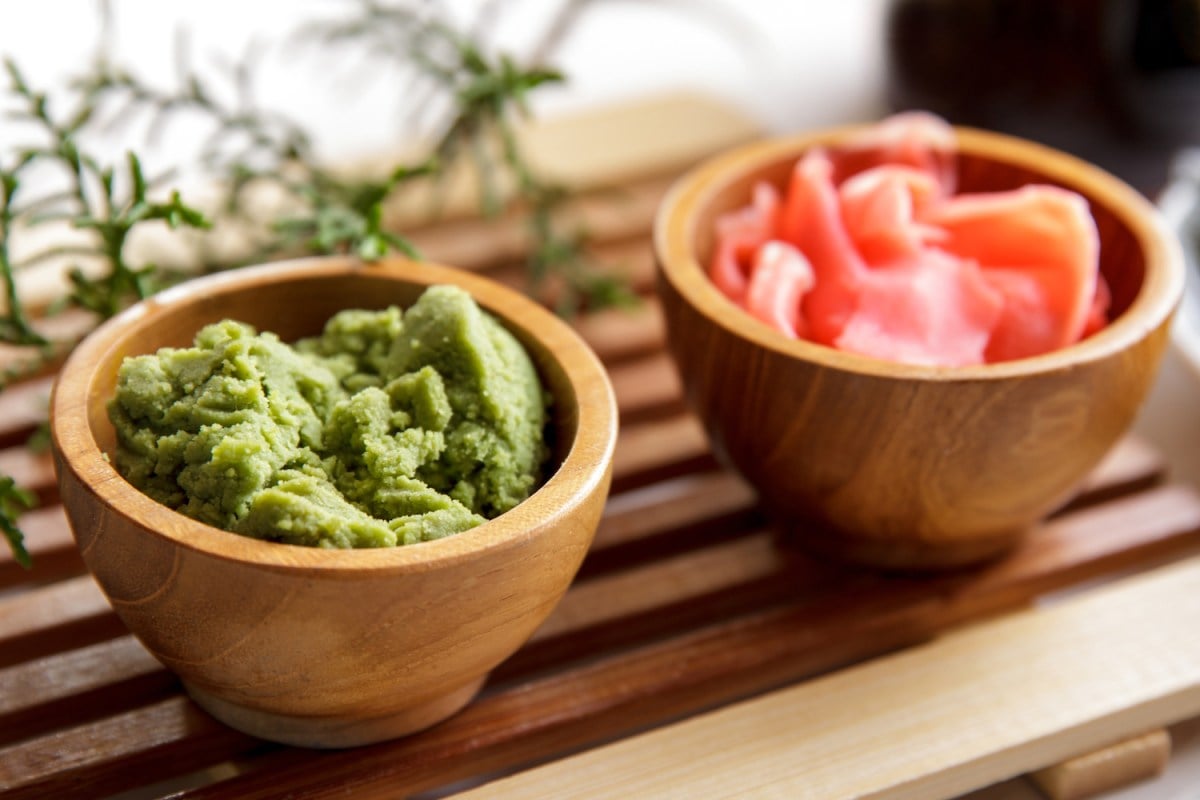
A study conducted by researchers at Tohoku University in Japan has found that consuming genuine wasabi can significantly improve both short- and long-term memory. The study involved 72 healthy subjects aged 60 to 80, with half of them taking 100 milligrams of wasabi extract at bedtime and the rest receiving a placebo. After three months, the group that received the wasabi treatment showed substantial improvements in working memory and episodic memory compared to the placebo group. The researchers believe that the active component in wasabi, 6-MSITC, reduces inflammation and oxidant levels in the brain's memory center, the hippocampus, and enhances neural plasticity. However, it's important to note that most wasabi served in sushi restaurants is actually white horseradish dyed green, and genuine wasabi must be consumed fresh to obtain the same benefits.
A study conducted by researchers from Tohoku University in Japan has found that consuming wasabi, the spicy ground rhizome often served with sushi, can significantly improve short- and long-term memory. The study involved 72 healthy subjects aged 60 to 80, with half of them taking 100 milligrams of wasabi extract at bedtime and the rest receiving a placebo. After three months, the group that received the wasabi treatment showed significant improvements in working memory and episodic memory, scoring on average 18% higher in episodic memory compared to the placebo group. The active component in wasabi, 6-MSITC, is a rare antioxidant and anti-inflammatory compound that is believed to be responsible for these memory-boosting effects.
A study conducted by researchers at Tohoku University in Japan has found that wasabi, the spicy green condiment often served with sushi, can improve both short- and long-term memory. The study involved 72 healthy subjects aged 60 to 80, with half of them taking 100 milligrams of wasabi extract at bedtime and the rest receiving a placebo. After three months, the group that received the wasabi treatment showed significant improvements in working memory and episodic memory compared to the placebo group. The researchers believe that the active component in wasabi, 6-MSITC, reduces inflammation and oxidant levels in the brain's memory center, the hippocampus, and enhances neural plasticity. Further research is planned to explore the effects of wasabi on other age groups and its potential in slowing cognitive decline in dementia patients.
Caffeine offers multiple benefits to the hair and scalp, functioning as an antioxidant to defend against free radical damage and promoting smoother, shinier, and healthier-looking hair. It also stimulates blood circulation, improving oxygenation and nutrient delivery to hair follicles, reducing oxidative stress and promoting hair growth.
Scientists have discovered a sensor protein, SLC25A39, that plays a crucial role in sensing, regulating, and delivering the antioxidant glutathione into mitochondria, the cell's power center. Glutathione is essential for neutralizing free radicals, repairing cellular damage, and maintaining appropriate iron levels. The protein's unique structure allows it to both sense and transport glutathione. Understanding this mechanism could lead to targeted therapies for diseases associated with glutathione imbalance, such as cancer, while minimizing side effects.
Researchers at UNC Greensboro have found that teff, a gluten-free grain traditionally grown in East Africa, exhibits antioxidant properties in human cells. The study showed that teff increased levels of glutathione, an antioxidant molecule, and gene expression related to glutathione pathways. Brown teff, in particular, produced higher levels of glutathione compared to ivory teff. Antioxidants play a crucial role in reducing cell damage and are associated with health benefits such as a reduced risk of cardiovascular disease and cancer. The researchers are now analyzing different varieties of brown teff to identify those with the highest antioxidant properties, with the aim of engineering these properties into other crops. This research is particularly relevant for individuals seeking nutritious, gluten-free grains, as teff is increasingly consumed in the United States.
Quercetin, an antioxidant compound found in certain fruits and vegetables, is key to improving heart health by lowering cholesterol and blood pressure naturally, reducing the risk of stroke. It also has additional health benefits such as reducing allergy symptoms, soothing joint pain, boosting immunity, and strengthening bones. Quercetin can be obtained through foods like apples, onions, and broccoli, or through supplements paired with other nutrients for better absorption.
Pycnogenol, an antioxidant derived from French maritime pine bark, has been studied for various conditions, but limited data exist on its efficacy and safety. While some evidence suggests it may reduce the risk of heart disease and alleviate osteoarthritis pain, more robust clinical trials are needed. Pycnogenol may interact with certain medications and is not recommended during pregnancy or breastfeeding. It is also not recommended for children under 6. Consult with a healthcare professional before considering pycnogenol as a supplement.
Clove supplements, such as clove extract and clove oil, are commonly used to promote health due to their high levels of beneficial plant compounds. They offer potential health benefits, including antioxidant and anti-inflammatory effects, potential infection-fighting properties, and the ability to lower blood sugar levels. However, human research on the effects of clove supplements is limited, and more studies are needed to understand their full potential. Clove supplements may interact with certain medications and should be used with caution. It is important to consult with a healthcare provider before taking clove supplements to ensure safety and appropriate use.