Sara Carter has been confirmed as the first woman to lead the U.S. Office of National Drug Control Policy, tasked with combating drug trafficking and addiction, bringing extensive experience as a cartel expert and investigative journalist.
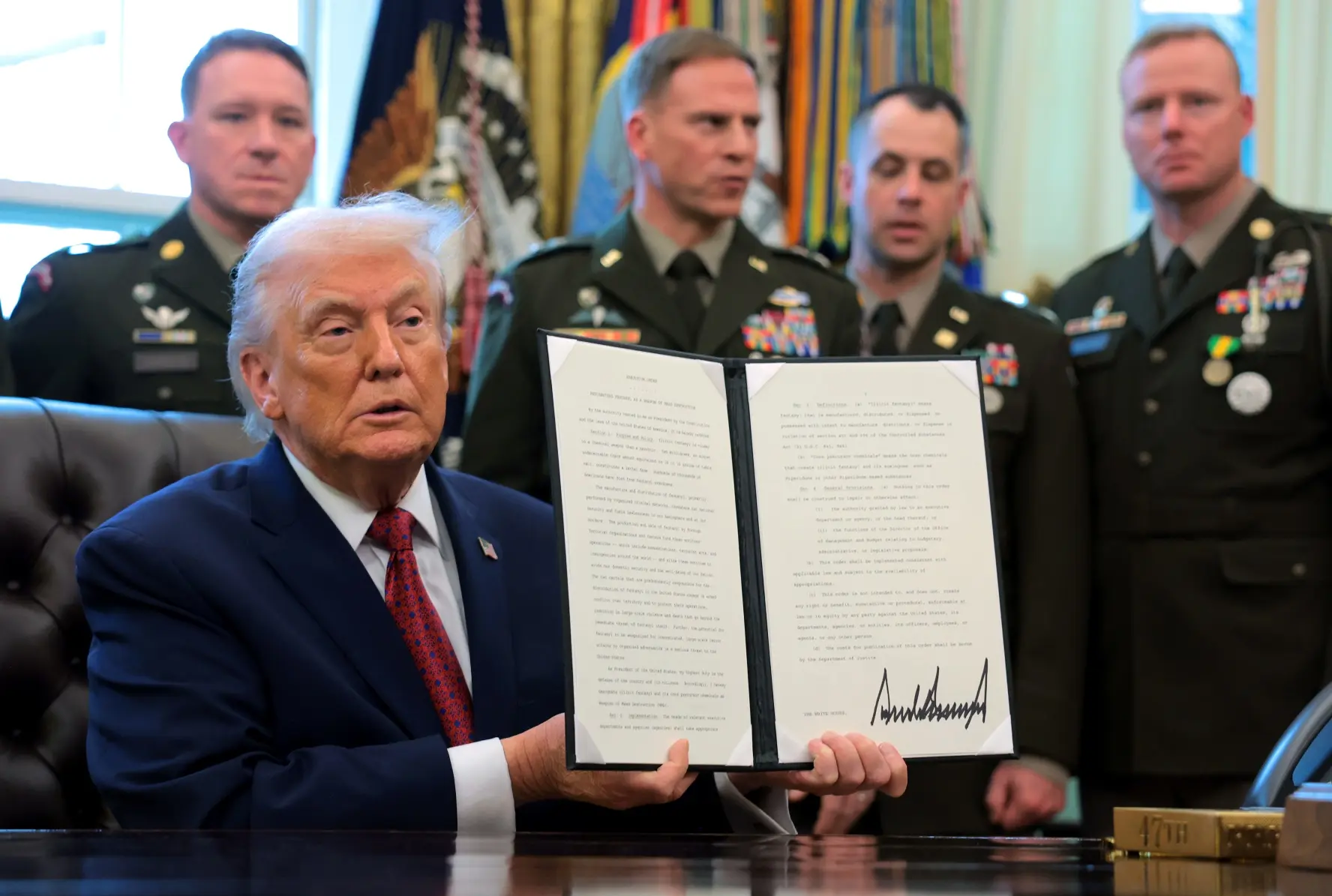
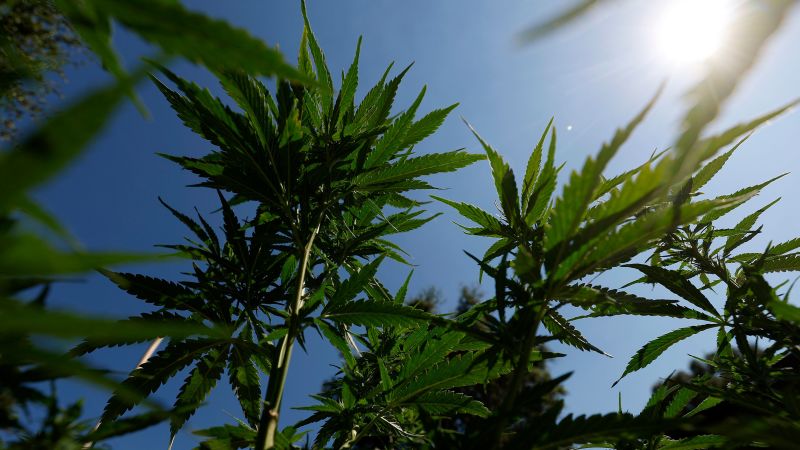
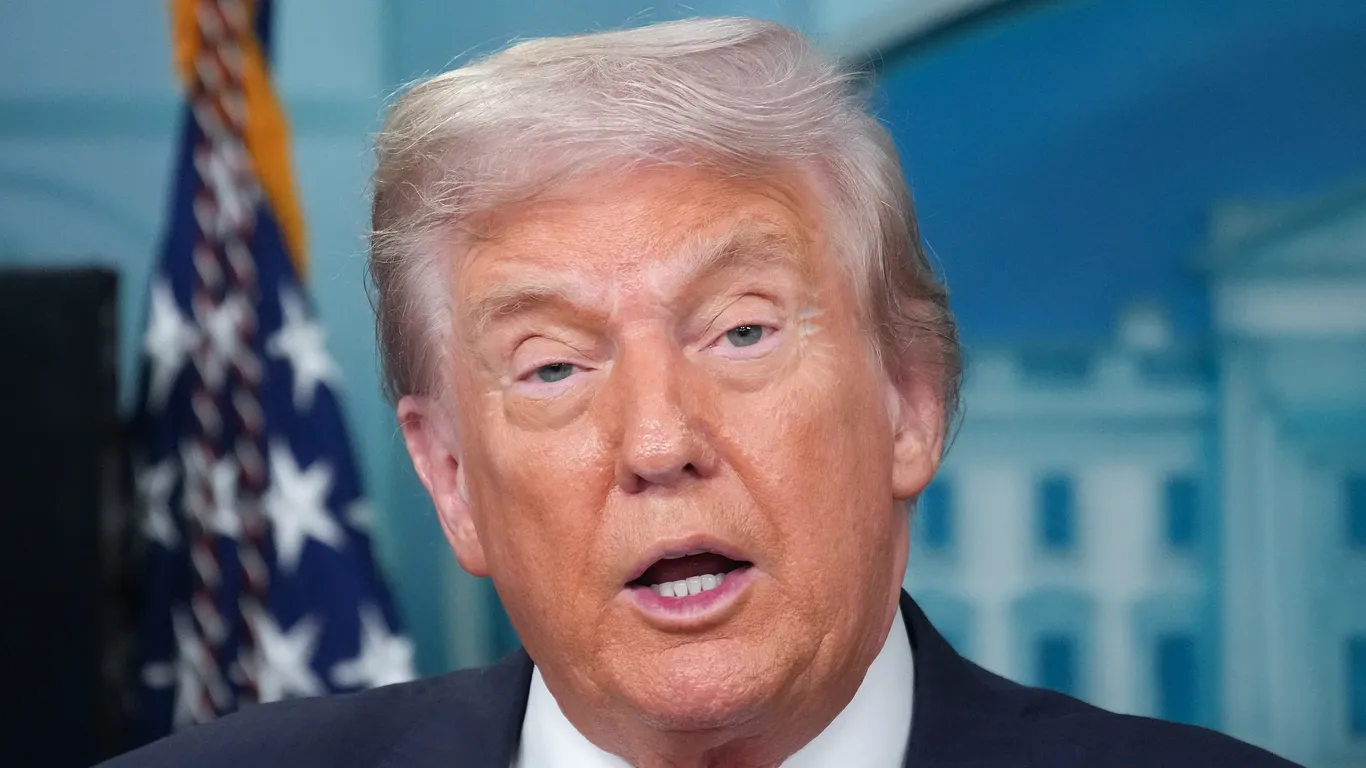
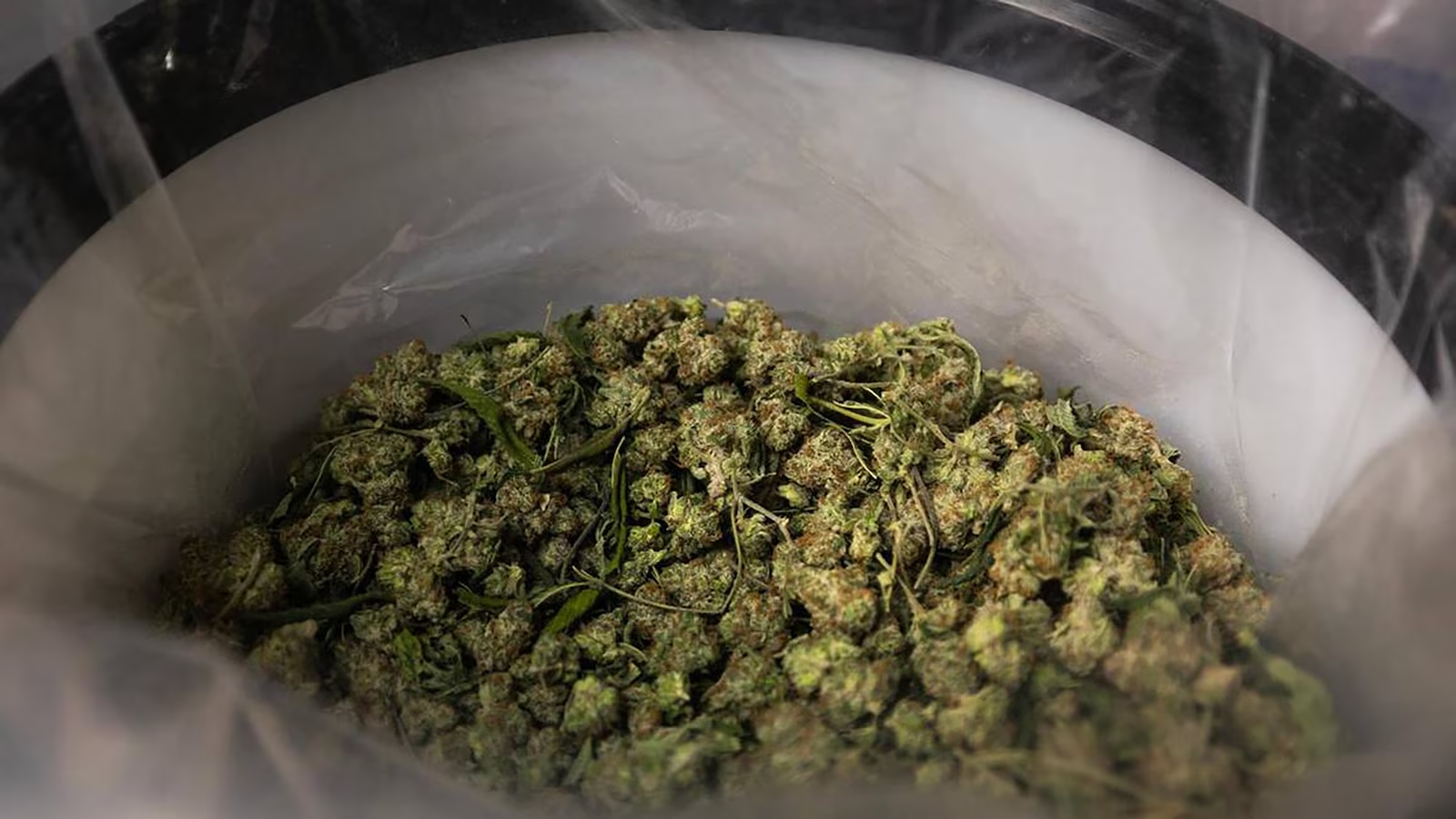
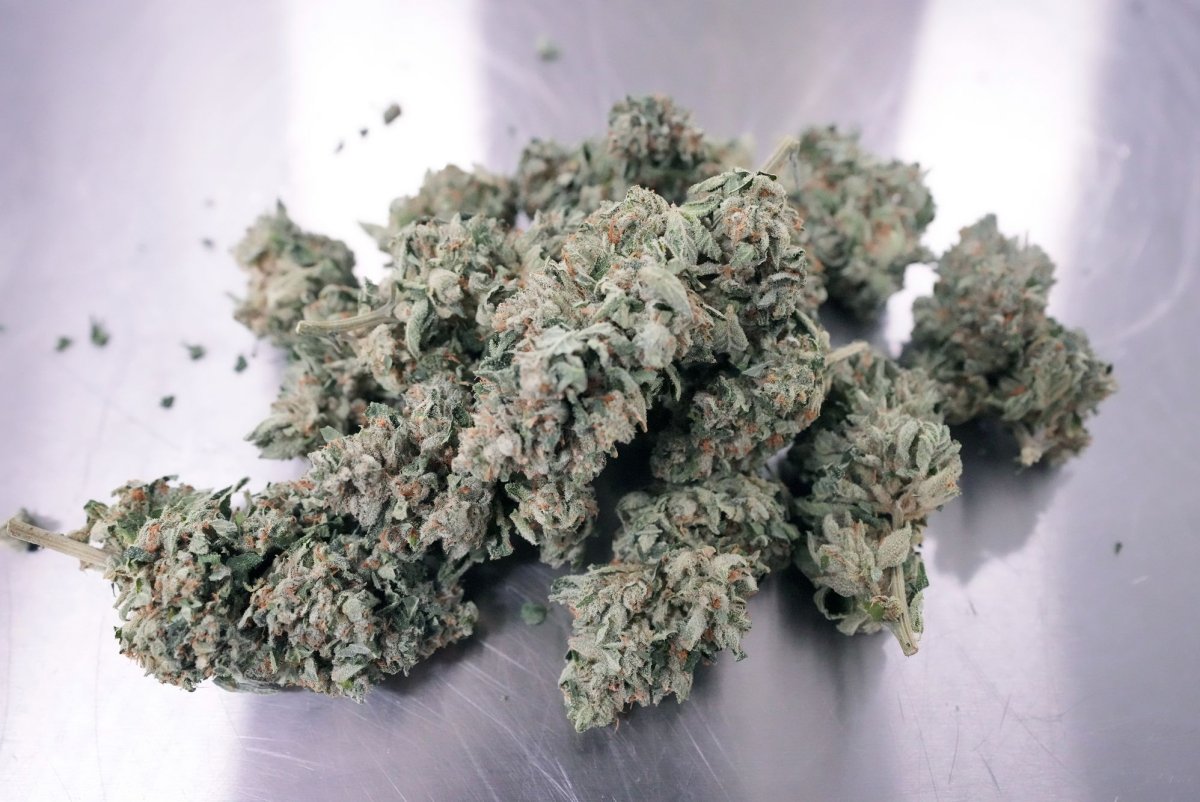
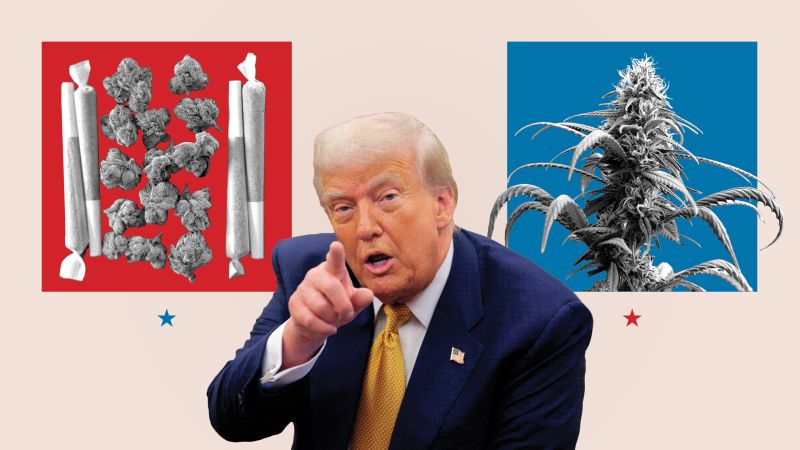
President Trump signed an executive order reclassifying marijuana from Schedule I to Schedule III, potentially easing research restrictions and reducing stigma, though it does not legalize the drug federally. Experts believe this change could facilitate more scientific studies on marijuana's medical benefits, but some caution about increased addiction risks and emphasize that marijuana's medicinal value remains unproven by conclusive research.
The Trump administration designated illicit fentanyl and its precursors as weapons of mass destruction, aiming to intensify criminalization and potentially enable military actions abroad, but this move raises legal, domestic, and international concerns about its effectiveness and implications.
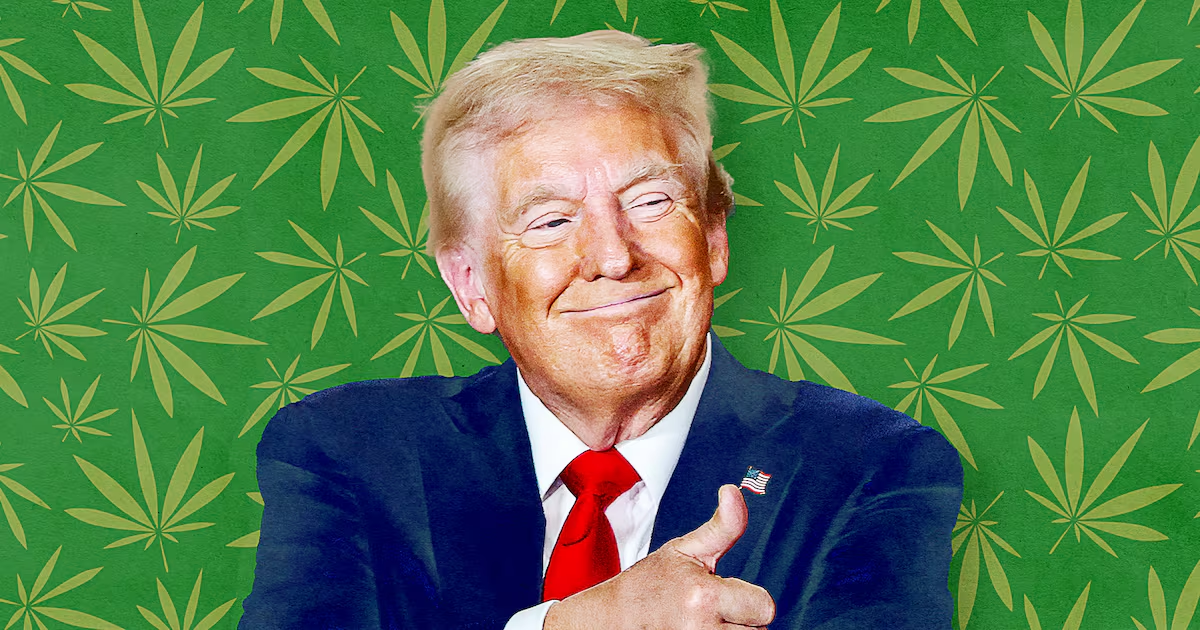
President Trump signed an executive order to reclassify cannabis from Schedule I to Schedule III, aiming to expand research and access, while maintaining federal illegality; the move has received mixed reactions from lawmakers and the public.
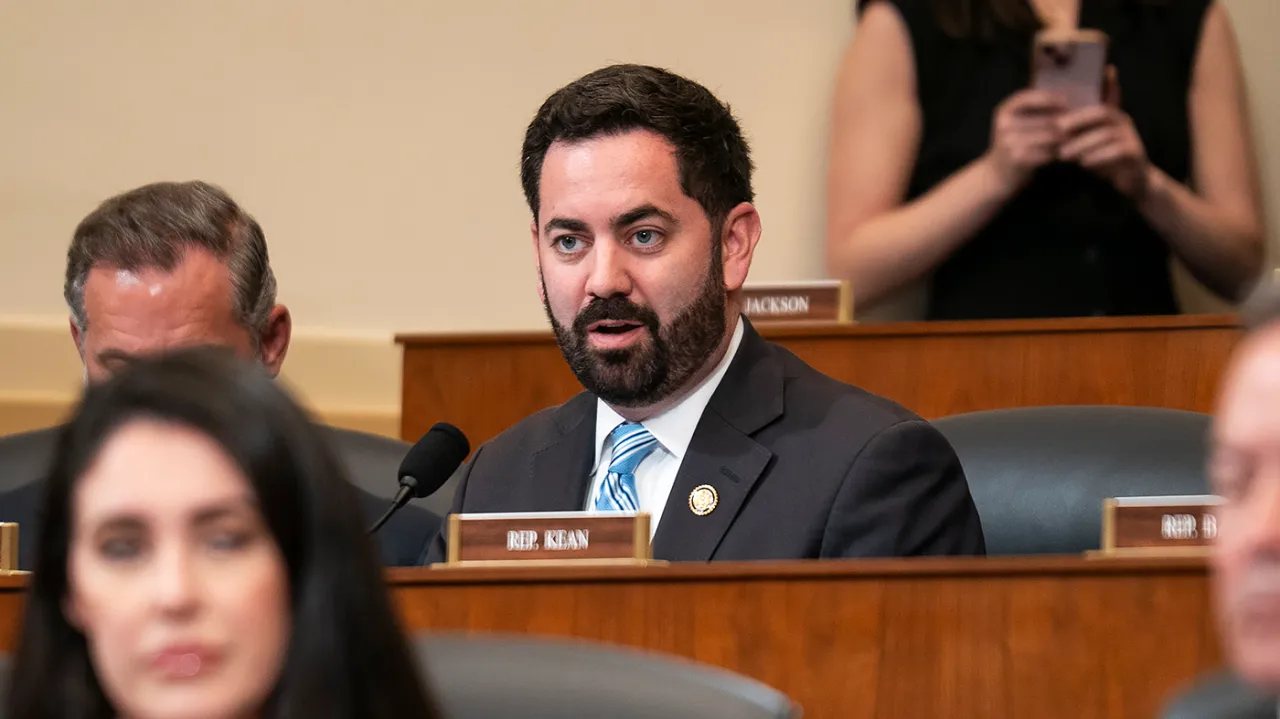
Republican Rep. Mike Lawler opposes President Trump's consideration to reclassify marijuana, citing concerns about its potential to act as a gateway drug and the increased THC potency, and emphasizing the ongoing issues related to substance use disorder in the U.S.
The White House is strongly considering reclassifying marijuana from Schedule I to Schedule III to ease federal restrictions, citing potential for increased research and state-level legalization, with discussions ongoing and no final decision yet made.
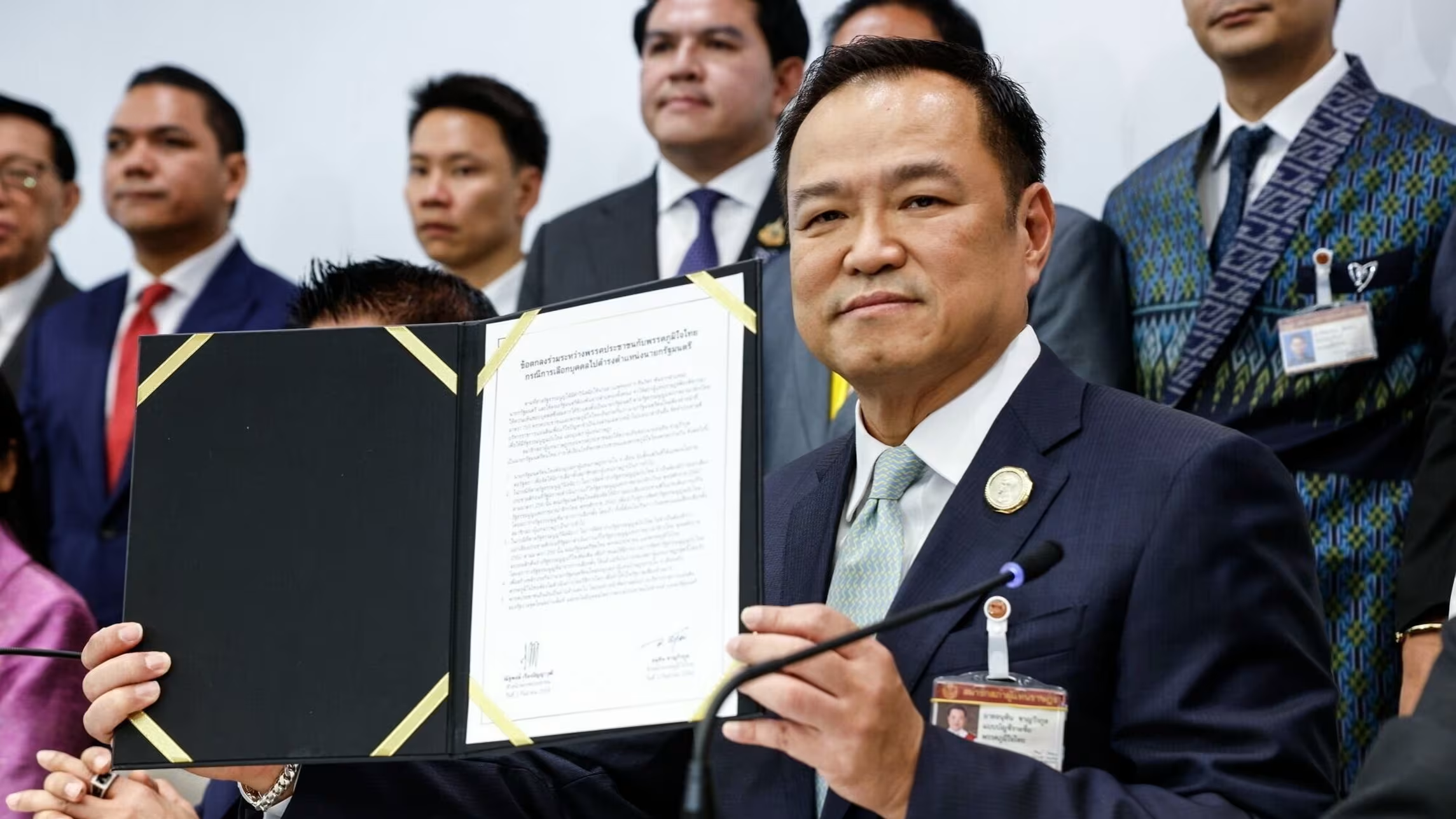
Thailand's prominent cannabis advocate, known as the 'cannabis king,' is poised to become the country's next prime minister, signaling potential shifts in drug policy and political landscape.
President Trump is considering reclassifying marijuana, which could facilitate interstate cannabis trade and shift the political landscape, making it a MAGA issue. This move, driven by industry influence and changing public opinion, would recognize medical uses of cannabis but faces regulatory and political challenges, reflecting a broader shift in drug policy debates.
President Trump is considering reclassifying marijuana as a less dangerous drug, which could facilitate interstate trade, improve tax deductions for cannabis businesses, and ease research and legal restrictions, with a decision expected in the coming weeks.
President Trump announced he is considering reclassifying marijuana from a Schedule 1 to a Schedule 3 drug, a decision that could impact medical research and industry, with a verdict expected in the coming weeks.
President Trump is considering reclassifying marijuana to a less severe drug category, influenced by industry donations and public support, which could ease legal restrictions and benefit the cannabis industry, despite his personal disapproval of the drug.
President Donald Trump is considering changing federal marijuana laws, potentially reclassifying marijuana from a Schedule I drug to a less restrictive category, influenced by discussions with cannabis industry investors and supporters during a fundraiser. This move could align federal policy more closely with the growing number of states legalizing medical and recreational marijuana, despite its current illegal status at the federal level.
President Trump is privately considering reclassifying marijuana to a less dangerous category, a move that could impact law enforcement and appeal to younger voters, but faces internal debate and legal hurdles amid ongoing federal review and political considerations.
Kennedy is advocating for the use of psychedelics in mental health treatment within the Republican Party, highlighting government-supported research and shifting political attitudes towards these drugs, especially among veterans and in red states, despite ongoing scientific and regulatory concerns.
Thailand is reclassifying cannabis as a narcotic, reversing its 2022 decriminalization, due to social issues and unregulated markets, aiming to restrict its use to medical purposes and shutting down a lucrative industry.