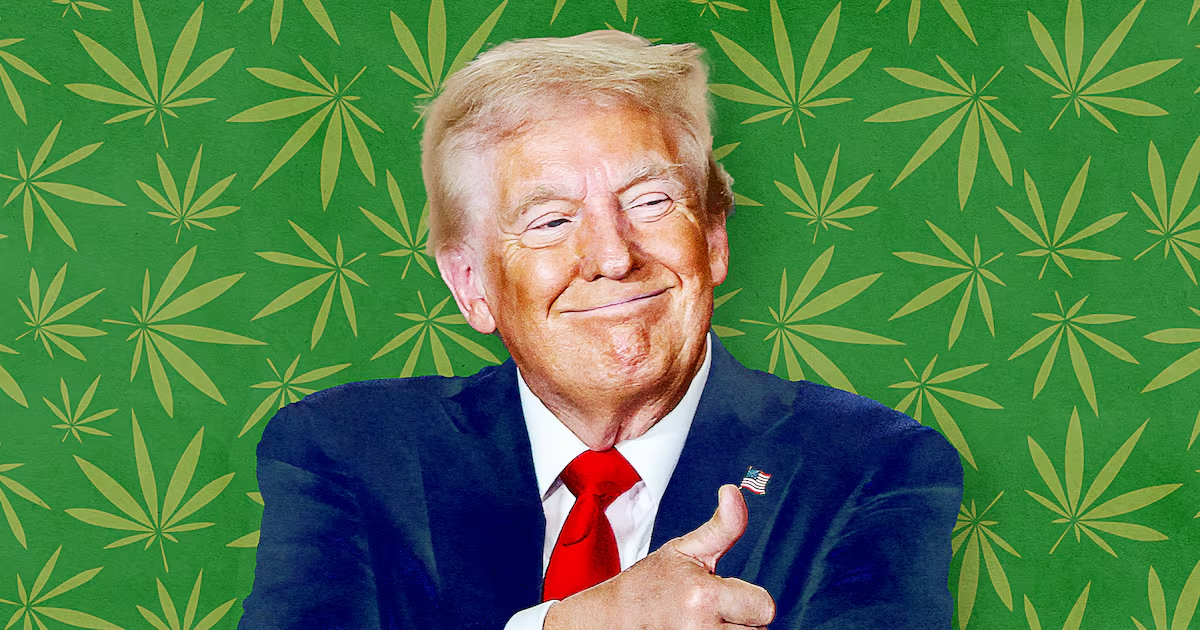
President Trump signed an executive order to prompt the Department of Justice to reclassify marijuana from Schedule I to Schedule III, which could ease banking and tax issues for cannabis businesses and potentially influence future medical and recreational use policies, but it does not legalize marijuana federally or allow crossing state lines with it.
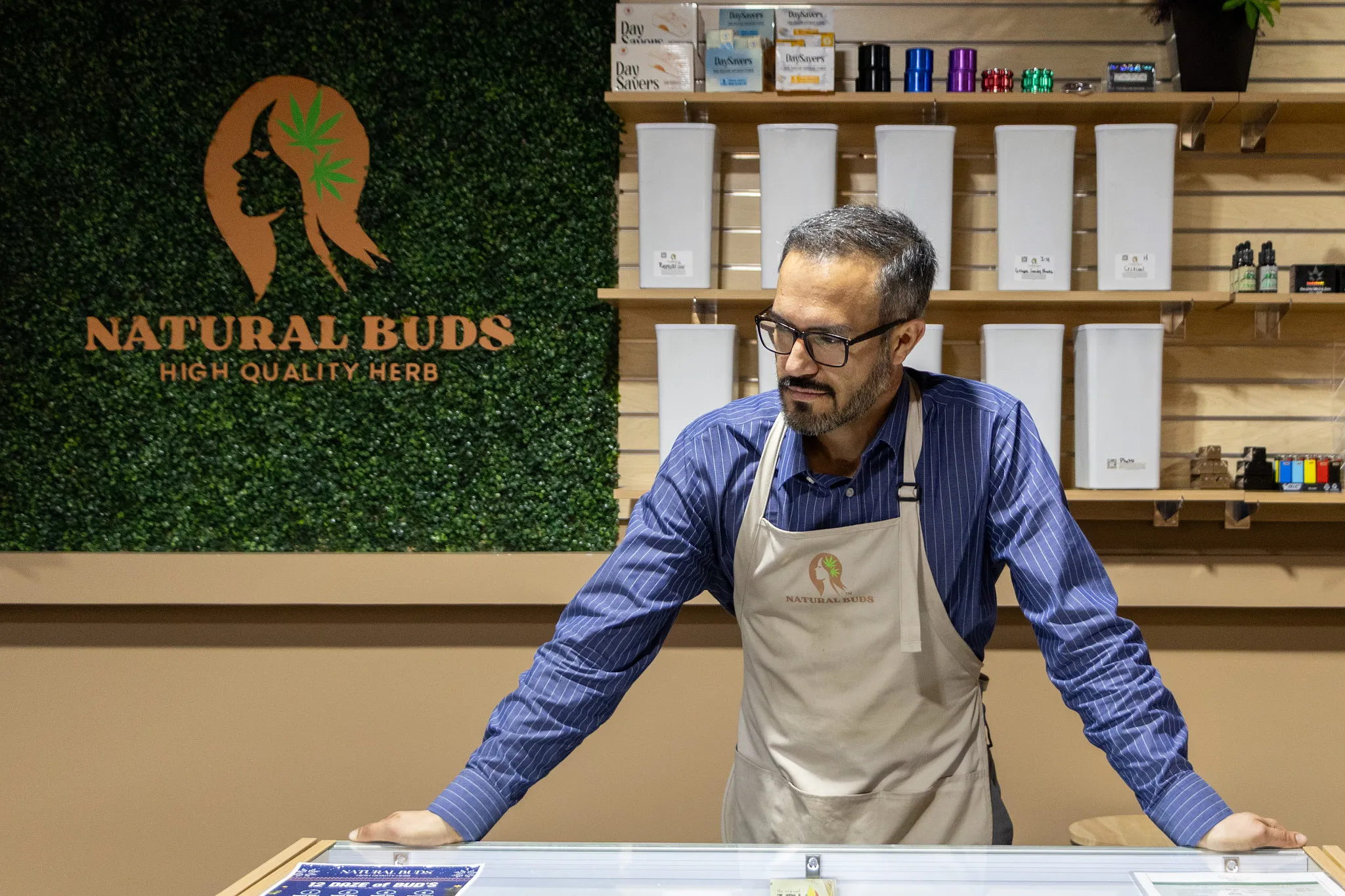
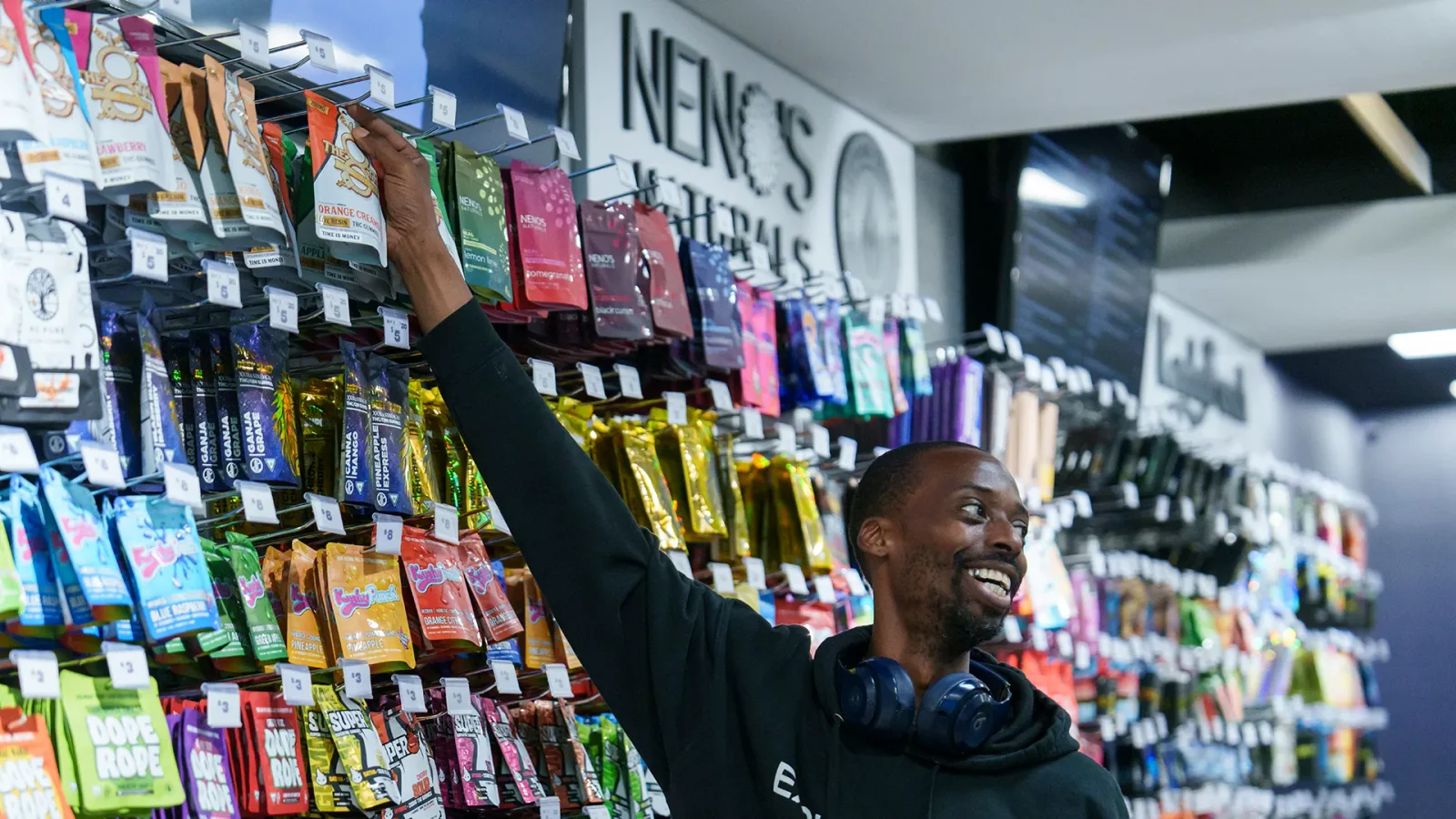
New federal THC regulations, set to take effect next fall, threaten the viability of cannabis shops in Fort Worth and across the U.S., potentially forcing closures and impacting local entrepreneurs and consumers who rely on THC products for health and safety. Despite some political moves to reclassify marijuana, federal law remains restrictive, causing concern among industry advocates and shop owners.
President Trump ordered the reclassification of cannabis from Schedule I to Schedule III, which could ease research restrictions, improve banking access, and reduce tax burdens for Michigan cannabis businesses, though the full impact depends on future federal guidance and implementation.
President Trump signed an executive order to expedite the reclassification of marijuana from Schedule 1 to Schedule 3, aiming to facilitate medical research and acknowledge potential medical benefits, though it stops short of full legalization or recreational reform. The move was influenced by lobbying from the cannabis industry and is seen as a symbolic first step, with ongoing barriers and debates about its implications and enforcement.
U.S. President Donald Trump is considering an executive order to reclassify marijuana as a Schedule III drug, which could significantly impact the cannabis industry by easing regulations, increasing research opportunities, and improving access to funding. The move would mark a major shift in federal drug policy, potentially lowering taxes and making it easier for banks and investors to participate in the sector. However, no final decision has been made yet, and the DEA will review the recommendation from health authorities.
President Trump is considering reclassifying marijuana to a less severe drug category, influenced by industry donations and public support, which could ease legal restrictions and benefit the cannabis industry, despite his personal disapproval of the drug.
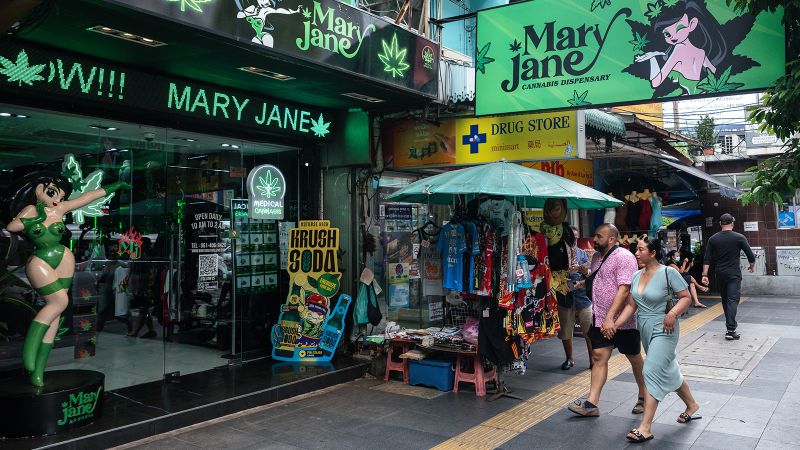
Thailand, the first Asian country to decriminalize cannabis, has imposed new regulations restricting sales to medical use only, requiring prescriptions, banning advertising, and increasing controls, amid concerns over unregulated use, social issues, and smuggling, signaling a shift from its previous liberal approach.
Canopy Growth Corporation reported a 7% year-over-year increase in Q4 net revenue, driven by significant growth in its subsidiary Storz & Bickel and the Canadian medical cannabis business. The company also achieved substantial cost reductions, leading to improved gross margins and a significant reduction in net loss. CEO David Klein highlighted the company's progress and its strategic focus on expanding in key international markets like Germany and the U.S.
Tilray Brands' disappointing sales and net loss report have negatively impacted the entire marijuana stock market, with shares of Cronos Group, Canopy Growth, and Aurora Cannabis all suffering significant declines. Despite some growth in sales, Tilray's failure to achieve positive free cash flow has raised concerns about the prospects for the entire cannabis industry, leading analysts to predict that even larger companies like Aurora Cannabis, Canopy Growth, and Cronos may struggle to generate positive cash profits in the foreseeable future. As a result, investors are advised to exercise caution when considering investments in marijuana stocks, including Tilray Brands.
Denver and Boulder in Colorado are experiencing tech-fueled economic booms, with Denver standing out due to its growth in professional sports, a popular outdoor recreation venue at Red Rocks Amphitheatre, and a thriving cannabis industry. Legal marijuana sales have added $15 billion to Colorado's economy, with Denver's marijuana tax revenue crossing the half-billion mark last year. Denver's professional sports franchises collectively raked in over $1 billion in 2022, placing the city among the top earners in professional sports nationwide. Red Rocks Amphitheatre generates a massive $717 million in regional economic output annually and is the world's most-attended concert venue, contributing to the city's economic success.
The recent slayings of six men in the Mojave Desert shed light on the persistent issue of California's thriving illegal cannabis market, despite the state's efforts to legalize and regulate the industry. The violence associated with illicit cannabis activities, including robberies and illegal shipments, has escalated, prompting calls for legislative reform to address the problem. The underground market continues to overshadow legal sales, with consumers avoiding high taxes and law enforcement struggling to keep up. The killings serve as a tragic reminder of the consequences of illegal cannabis operations, and industry experts warn that without significant changes, the state's legal cannabis industry could collapse.
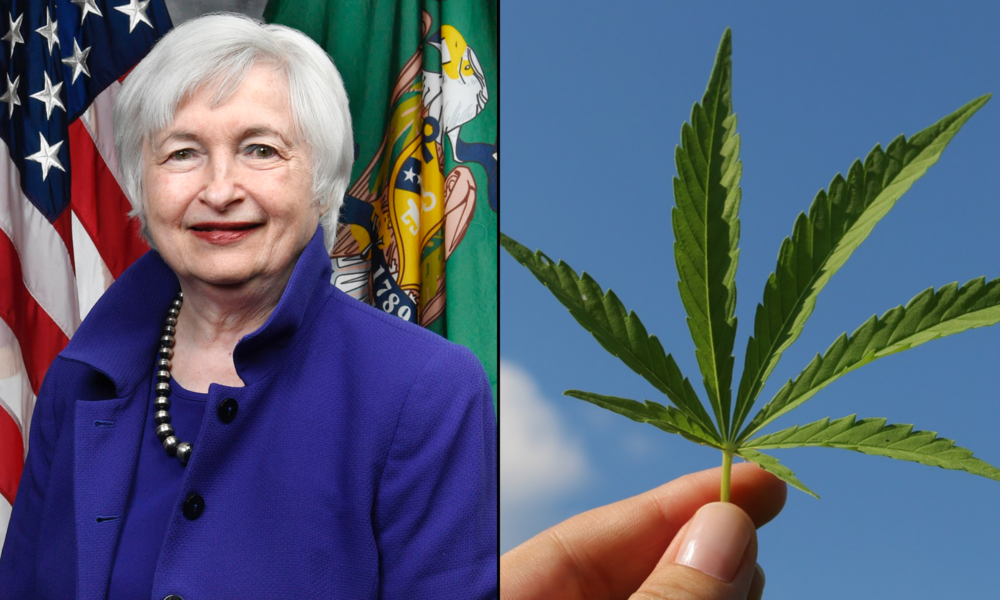
Treasury Secretary Janet Yellen joked about using marijuana to help with playing Candy Crush, but in reality, she hasn't used cannabis since before attending Yale University. She also shared an anecdote about inadvertently eating a mushroom with hallucinogenic properties in China. Yellen expressed frustration about ongoing barriers to traditional financial services for the marijuana industry under federal prohibition and voiced support for legislation like the SAFE Banking Act.
Canopy Growth Corporation has announced a private placement offering of 6,993,007 units at a price per unit of US$4.29, resulting in aggregate gross proceeds of approximately US$30,000,000. The purpose of the offering is to provide the company with additional liquidity to strengthen its financial position, pay down debt, and support working capital and general corporate purposes. Each unit consists of a common share and a series A or B common share purchase warrant. The closing of the private placement is expected to occur on or about January 10, 2024, subject to customary closing conditions. Canopy Growth is a leading North American cannabis and consumer packaged goods company with a commitment to social equity and responsible use.
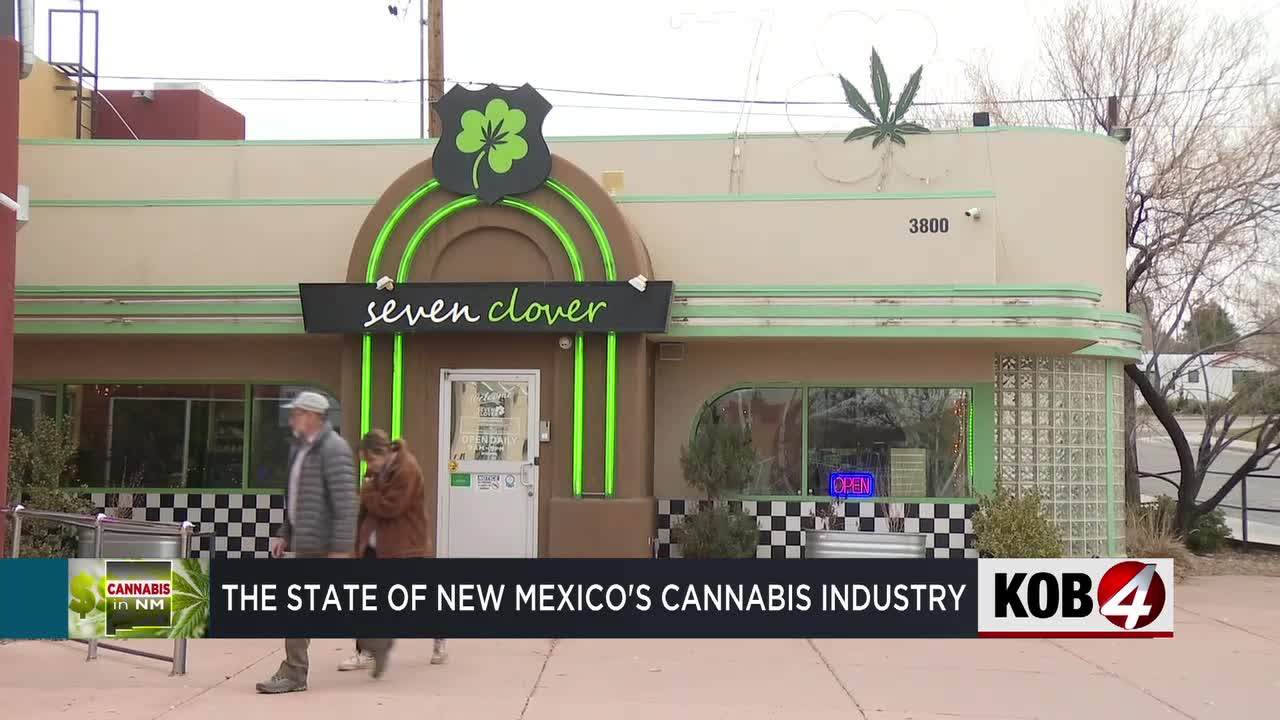
Country singer Toby Keith is expanding his cannabis company to New Mexico, with local dispensary Seven Clover planning to sell his products. This partnership follows Seven Clover's previous collaboration with Jim Belushi's cannabis brand. With a crowded marketplace, working with big-name brands helps dispensaries stand out and attract customers. The cannabis industry in New Mexico is becoming increasingly competitive, with over 1,000 retail licenses statewide. Companies are seeking ways to differentiate themselves and gain market share, and partnering with influential celebrities is one strategy. Seven Clover is growing and packaging Toby Keith's cannabis products in New Mexico, in compliance with state law. The first batch of Toby Keith cannabis will be available for sale in the coming weeks.
Oregon's cannabis industry continues to face challenges due to oversupply, resulting in lower prices and financial struggles for producers, processors, and retailers. The state's economists reported a 15% increase in the October outdoor harvest compared to the previous year, exacerbating the existing supply glut. As a result, many businesses are unable to pay taxes and debts, leading to an increase in tax delinquencies and falling tax collections. This poses a threat to Measure 110, which relies on cannabis taxes to fund addiction treatment services. While some suggest reducing the number of licensees to stabilize prices, current conditions reflect intentional policy decisions and the federal government's stance on marijuana.