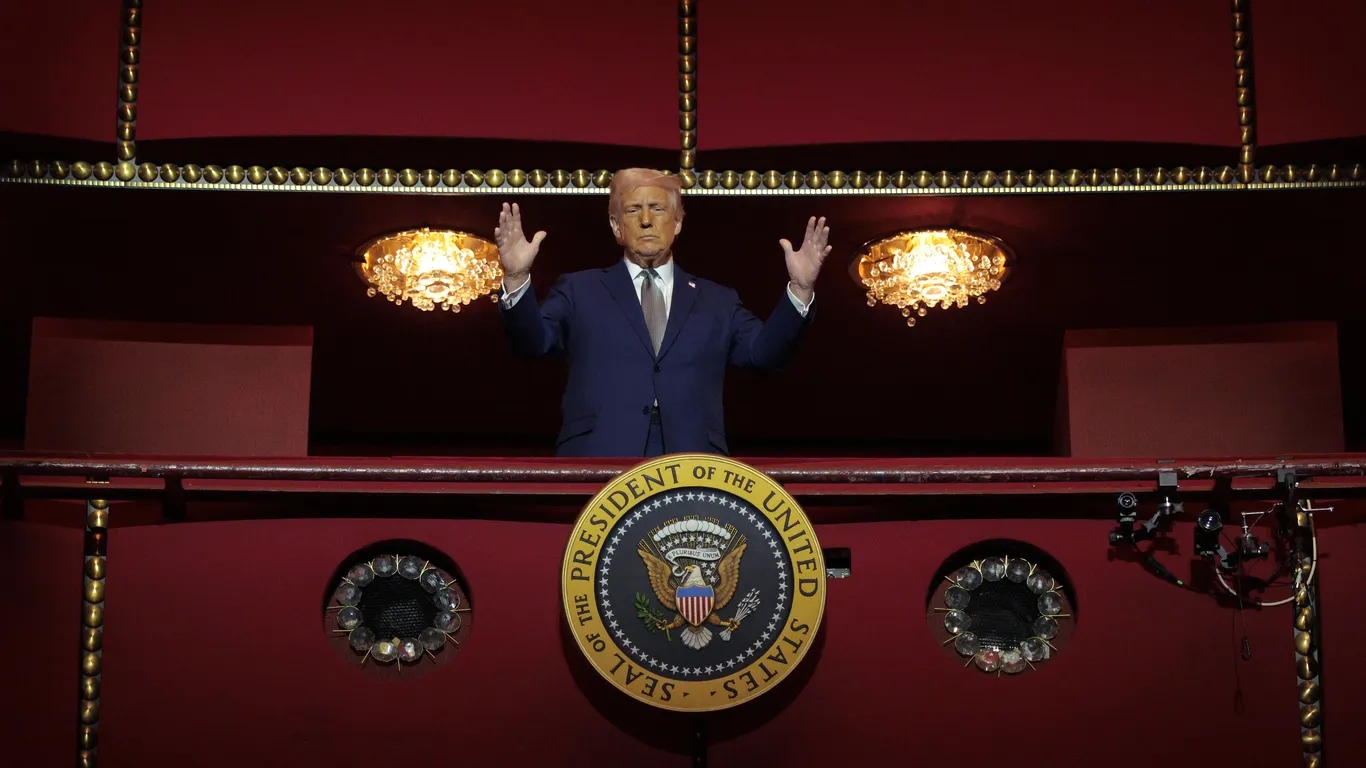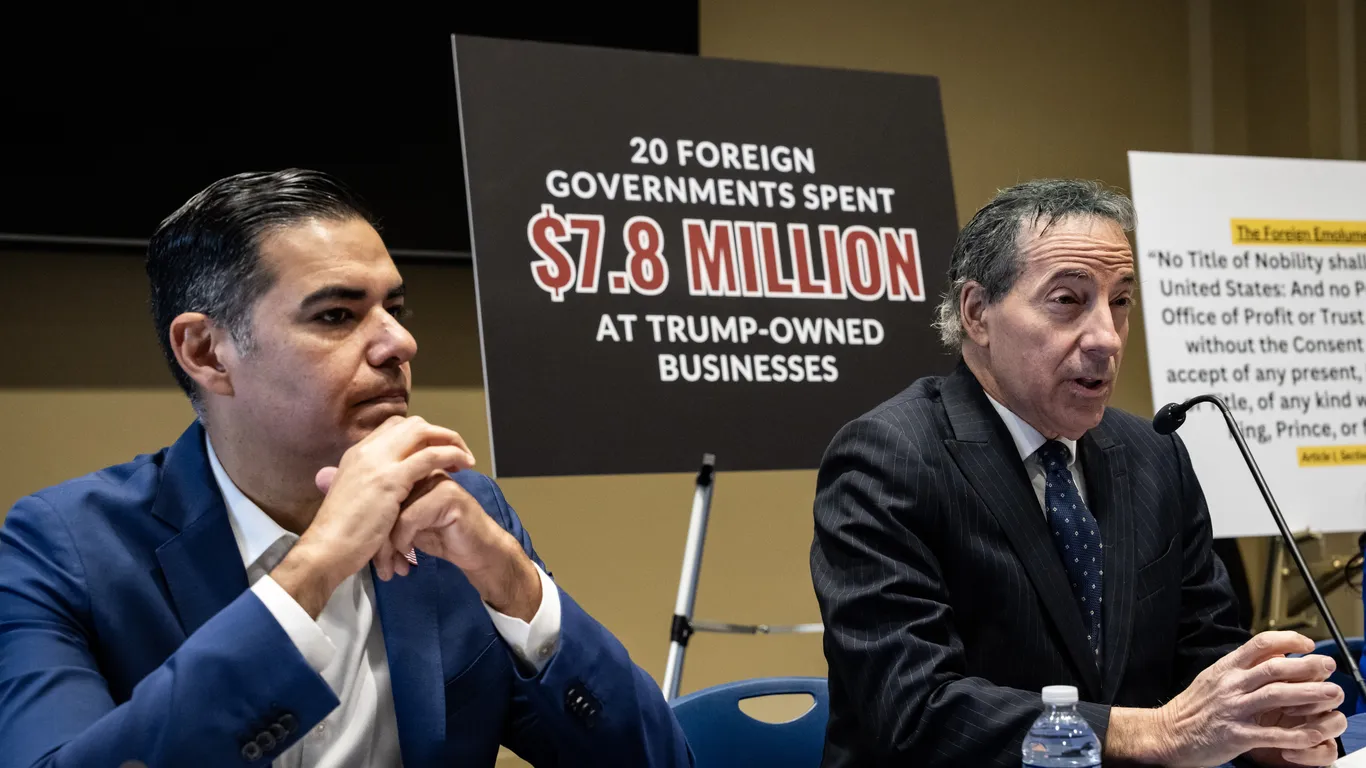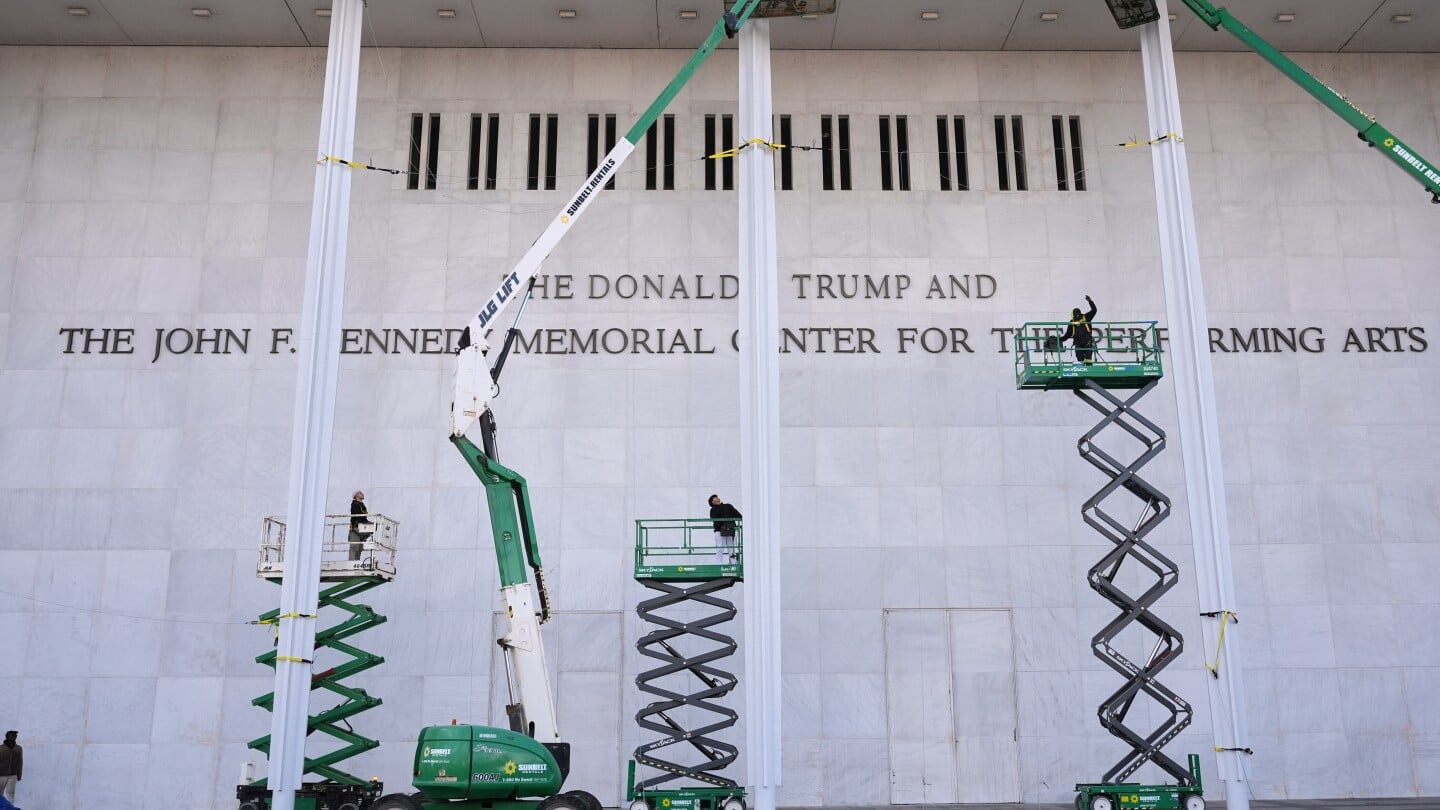
A bipartisan spending bill allocates $32 million for the Kennedy Center, despite ongoing controversy over President Trump's attempt to rebrand the venue with his name, which conflicts with federal law and has led to legal challenges and declining attendance.

The DOJ is suing Virginia over its policy allowing undocumented students to access in-state tuition, claiming it conflicts with federal immigration law which prohibits benefits for unauthorized immigrants that are not also available to U.S. citizens, leading to legal disputes across multiple states.
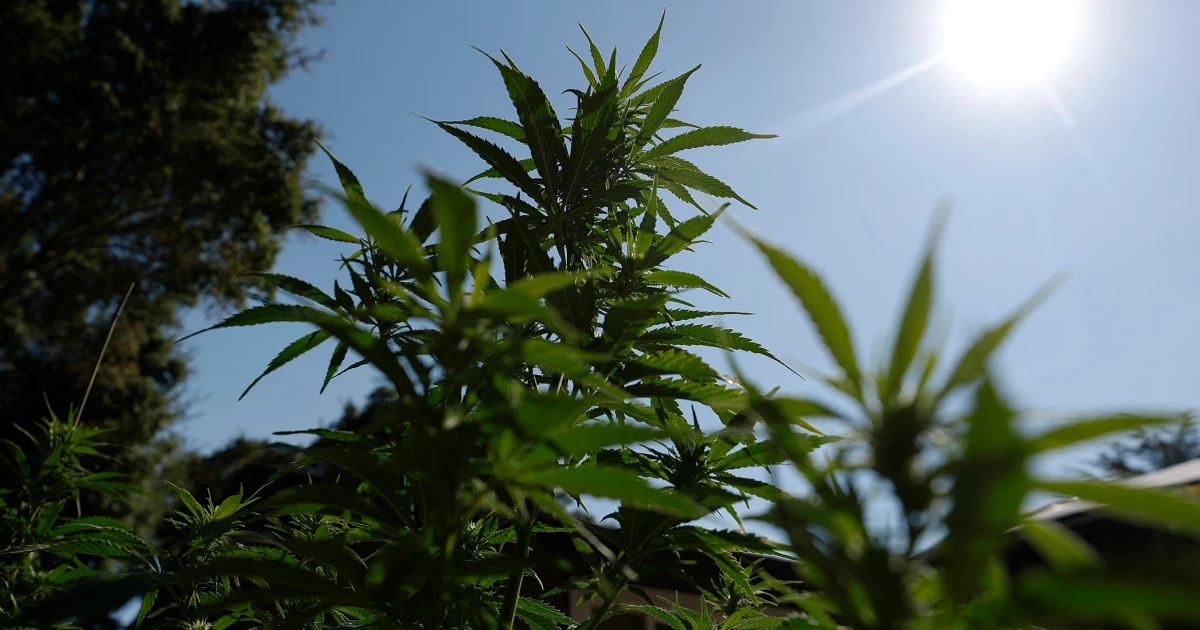
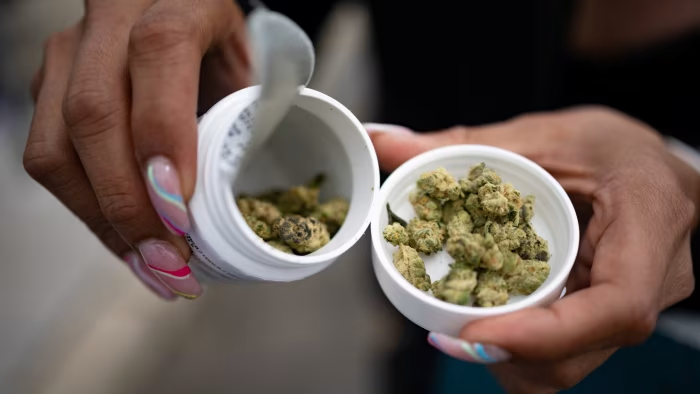
In North Carolina, marijuana remains illegal, but hemp products with less than 0.3% THC are legal, though a new federal law set to take effect in 2026 may ban these products due to increased THC limits, threatening the state's multi-billion-dollar hemp industry and raising public safety concerns. The debate involves federal and state regulations, industry impacts, and public health considerations.
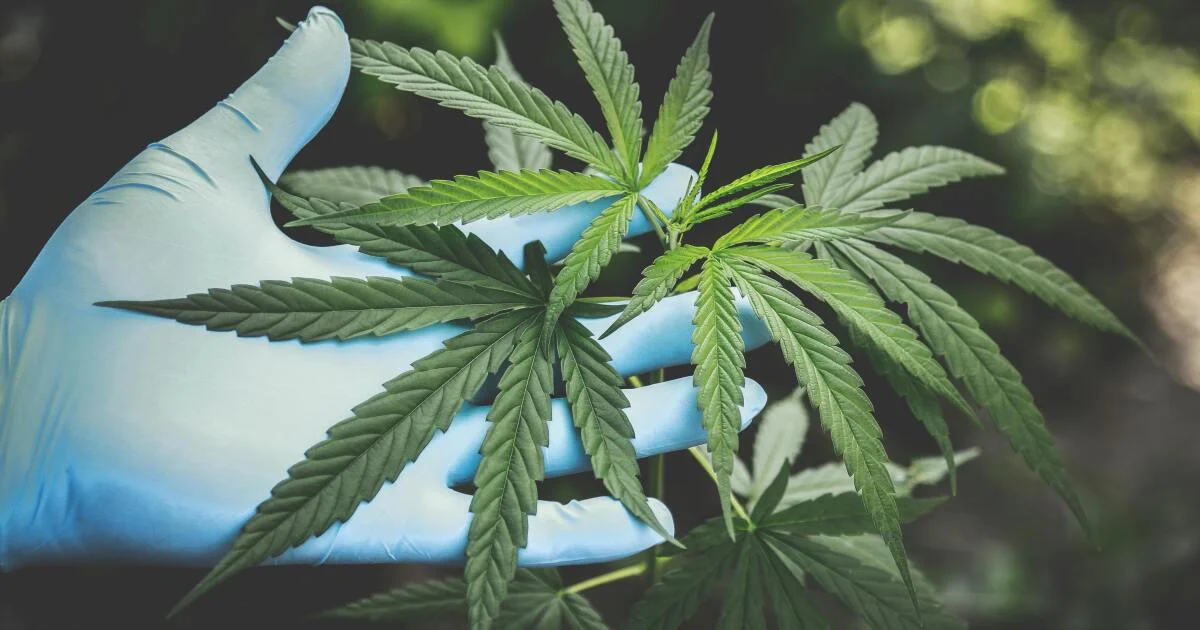
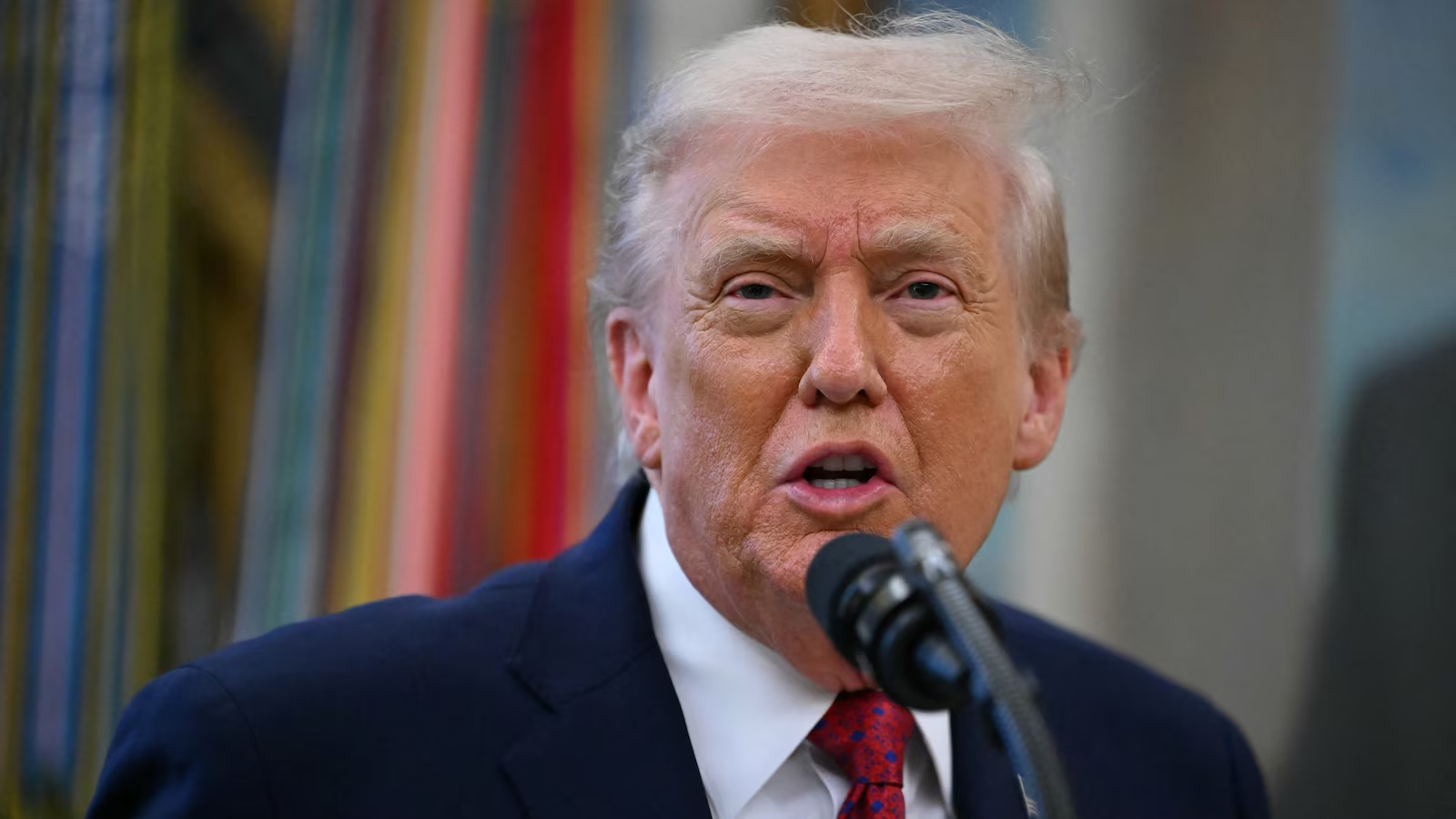
President Trump's executive order aims to reschedule marijuana to Schedule III, potentially easing restrictions and boosting medical research, but the process is complex and may not lead to immediate legal or financial changes for cannabis businesses, with ongoing legal and regulatory hurdles.
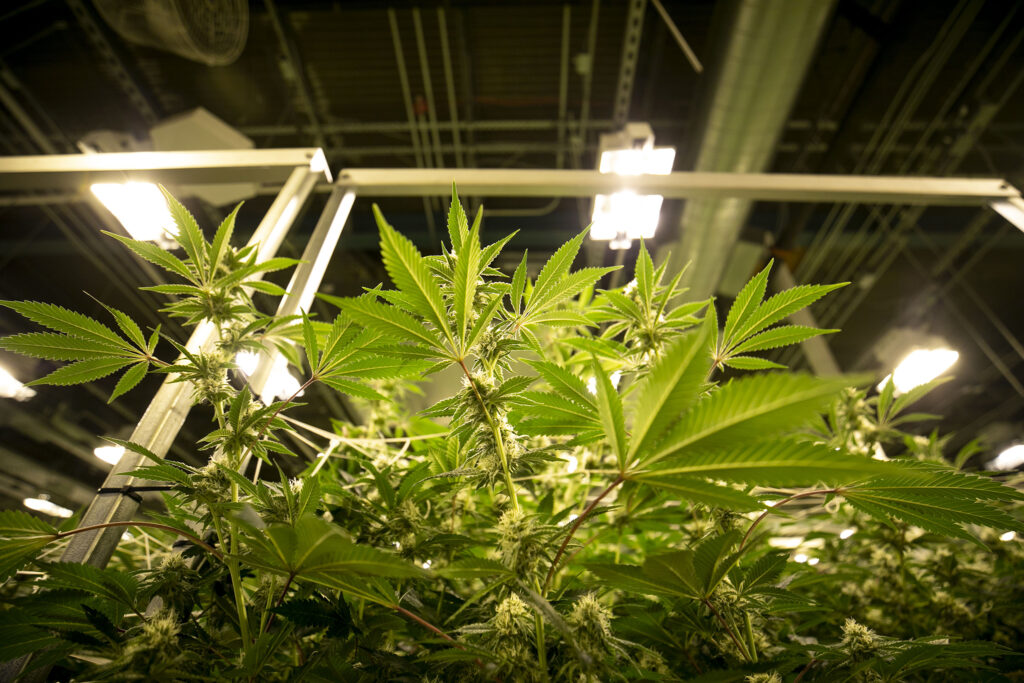
The potential reclassification of cannabis from Schedule I to Schedule III by the federal government could significantly improve access to banking, loans, and payment processing for dispensaries, helping to legitimize the industry, reduce security risks, and foster growth and research. This change aims to address longstanding legal, financial, and tax challenges faced by cannabis businesses, which have been limited by federal restrictions despite growing state-level acceptance and revenue.
Miami Heat player Terry Rozier is seeking to dismiss federal gambling charges by arguing that the law he allegedly violated does not apply to his actions, citing a recent Supreme Court ruling that limits the scope of federal fraud laws related to inside information and betting.
The Supreme Court blocked President Trump's attempt to deploy the National Guard in Chicago to protect federal immigration agents, ruling he lacked the legal authority under the Militia Act, with a 6-3 decision emphasizing the law's requirement that regular military forces be unable to enforce laws before deploying the Guard.
President Trump signed an executive order to prompt the Department of Justice to reclassify marijuana from Schedule I to Schedule III, which could ease banking and tax issues for cannabis businesses and potentially influence future medical and recreational use policies, but it does not legalize marijuana federally or allow crossing state lines with it.
A Democratic Congresswoman has filed a lawsuit to block the Trump administration's attempt to rename the Kennedy Center as the 'Trump-Kennedy Center,' arguing that the name change requires an act of Congress and that the board's vote was unlawful. The lawsuit seeks to revert the name and prevent future changes, amid controversy over Trump's efforts to affix his name to government buildings.
New federal THC regulations, set to take effect next fall, threaten the viability of cannabis shops in Fort Worth and across the U.S., potentially forcing closures and impacting local entrepreneurs and consumers who rely on THC products for health and safety. Despite some political moves to reclassify marijuana, federal law remains restrictive, causing concern among industry advocates and shop owners.
Democratic leaders threaten legal action as the DOJ indicates it will miss the statutory deadline to release all files related to Jeffrey Epstein, citing privacy concerns, leading to accusations of law violation and political controversy.
Marijuana stocks fell sharply after President Trump signed an executive order to reclassify marijuana as a less dangerous drug suitable for medical use, but stopped short of full legalization, making it a symbolic win for the industry without changing federal law or impacting markets significantly.
President Trump signed an executive order reclassifying marijuana from Schedule I to Schedule III, aiming to facilitate medical research and reduce legal barriers, while not legalizing it federally. The move recognizes marijuana's potential medical benefits and seeks to improve research and medical access, but possession remains illegal under federal law.
Social Security benefits are largely protected from garnishment by federal law, but it's important to understand which debts can be garnished and to take proactive steps such as managing debts, using direct deposit, and keeping benefits in a separate account to safeguard your income.
Oregon has implemented new federal rules requiring 37,000 able-bodied adults without dependents to work, train, or study to retain their SNAP food assistance, affecting the state's food aid program and expanding work requirements up to age 64, amid political debate over the law's implications.