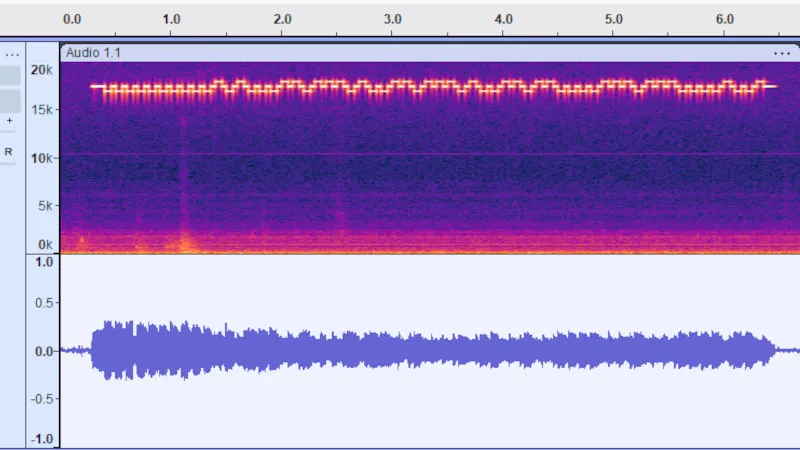
A researcher has demonstrated a method to transfer data between computers using ultrasonic sound waves, potentially bypassing air gaps in security, though it's more of a novelty than a reliable attack method, and mainly applicable to laptops with speakers and microphones.
Researchers have achieved a breakthrough in quantum teleportation by successfully demonstrating a Star Trek-style 'teleportation' of images without physically sending any information between the sender and receiver. Using a nonlinear optical detector, the team was able to remove the need for additional entangled photons, allowing for information to be sent without any physical transfer. This method has advantages in terms of information security, as no information is physically sent and interception is fruitless. However, there is a risk of cloning the original information. With further improvements, this technology could pave the way for teleportation of entire images or even people in the future.
A woman in China accidentally shared her table's ordering QR code on social media, leading to numerous fake food orders and a $60,300 bill. Despite removing the post, people continued to place orders at her table. The restaurant did not make her pay for the additional orders but was unable to trace the culprits or prevent further orders. The incident highlights the importance of information security and caution when sharing food pictures.
A woman in China accidentally shared her table's ordering QR code on social media, resulting in numerous fake food orders and a $60,300 bill. Despite removing the post, people continued to place orders at her table. The restaurant did not make her pay for the additional orders but couldn't trace the culprits or prevent further orders. The incident highlights the importance of information security and caution when sharing food pictures.
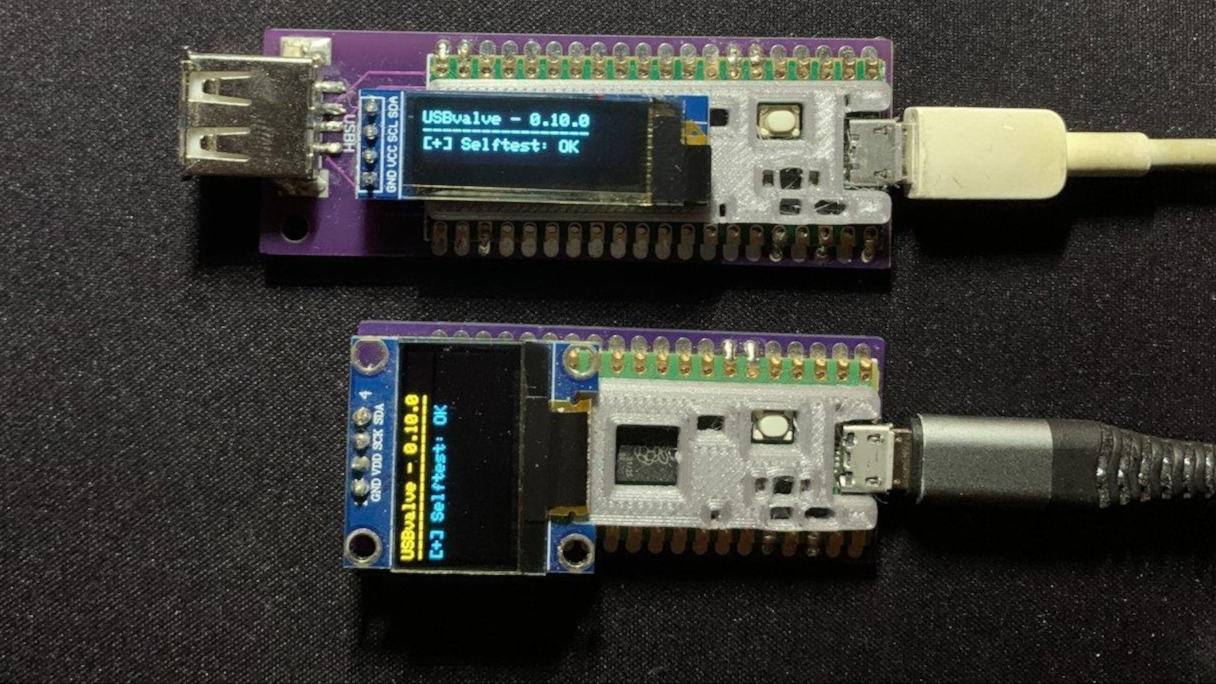
USBValve is an open-source tool created by Cesare Pizzi to detect suspicious USB activity. Using a Raspberry Pi Pico and an OLED screen, USBValve pretends to be a storage device and displays information about any unknown USB device plugged into it. This allows users to identify potential malicious behavior, such as unauthorized file access or immediate attempts to write to the filesystem. The low-cost and easy-to-use USBValve provides critical information for addressing real-world USB security threats.
The World Economic Forum (WEF) has identified the 10 fastest-growing jobs over the next five years, with AI and machine learning specialists, sustainability specialists, and business intelligence analysts among the roles expected to soar in demand. The rise of generative AI and other smart technologies, as well as the drive to "go green," will lead to some jobs becoming obsolete. The WEF report echoes earlier findings from the Bureau of Labor Statistics, which also identified jobs in data and renewable energy as some of the fastest-growing occupations in the US over the next decade.
Taiwanese PC vendor MSI confirmed that its network was breached in a cyberattack, following reports of a ransomware attack by the Money Message ransomware gang. The attackers allegedly stole files that will be leaked online next week if the company refuses to pay a $4 million ransom. MSI did not share any details on the timing of the attack or if any of the affected systems were encrypted, but said that the cyberattack has had no "significant" operational and financial impact, with security enhancements implemented to ensure that data stored on affected systems is secure.
Threat actors have been using a compromised version of the 3CX VoIP desktop client to target 3CX's customers as part of an attack. The malware can extract system information and hijack both data and stored login credentials from user profiles on Chrome, Edge, Brave, and Firefox web browsers. 3CX has recommended uninstalling the desktop app and using the Progressive Web App (PWA) client instead. Organizations that are potentially affected should stop using the vulnerable version if possible and apply the patches or mitigation workarounds if these are available.
Russian officials close to the presidential administration were reportedly advised to replace their iPhones with phones built on other smartphone software, such as Android, Chinese counterparts, or Aurora, an operating system developed by the Russian company Open Mobile Platform, due to information-security concerns ahead of the presidential election. The officials were reportedly told to get rid of their iPhones by April 1. Kremlin press secretary Dmitry Peskov told reporters that "smartphones should not be used for official business."
Jobs in science, technology, engineering, and mathematics (STEM) are expected to grow 15% between 2021 and 2031, with nearly 800,000 new jobs projected. Information security jobs top the list of fastest-growing STEM jobs for the second year in a row. Of the fastest-growing STEM occupations, seven pay over $100,000, including physicists, computer and information research scientists, computer hardware engineers, computer network architects, actuaries, information security analysts, and biochemists/biophysicists. The growth in the American STEM industry is attributed mainly to the country's growing computer industry.