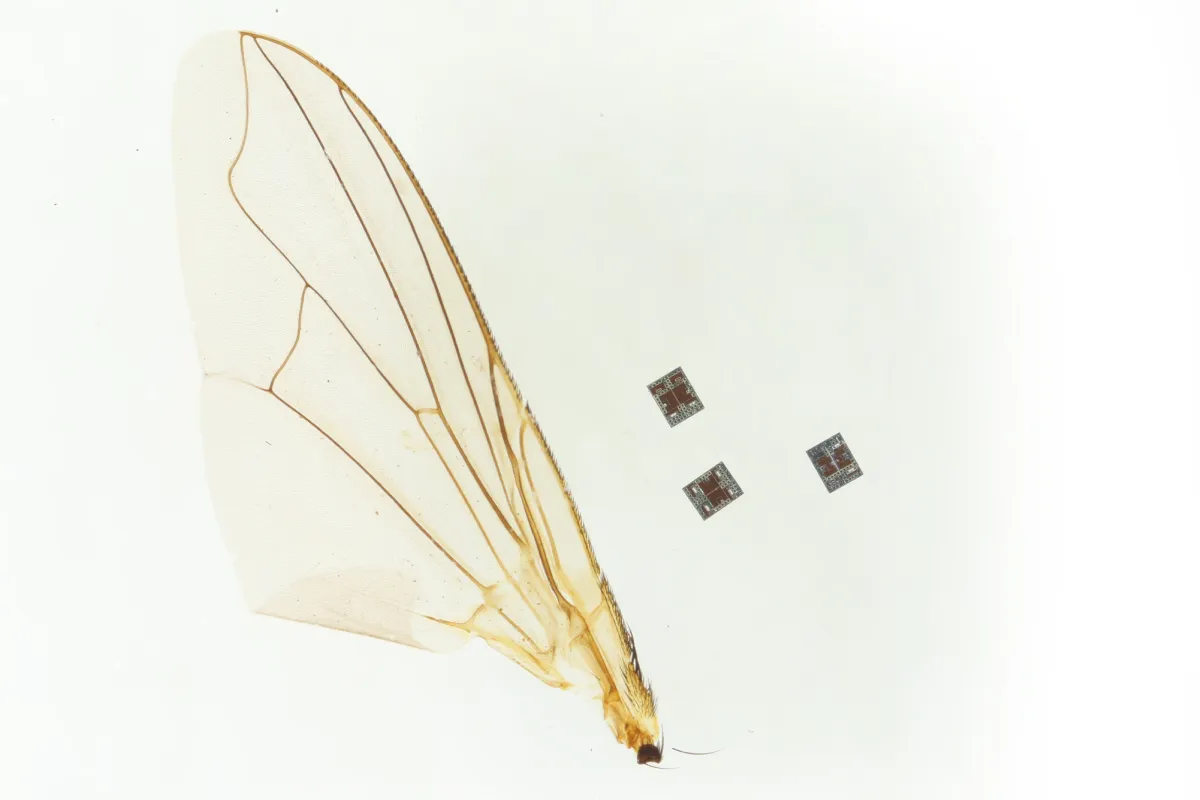
Scientists from the University of Pennsylvania and Michigan have developed a sub-millimeter robot capable of sensing, thinking, and acting, which could eventually be used inside the human body for medical purposes, although it is still in the experimental stage.
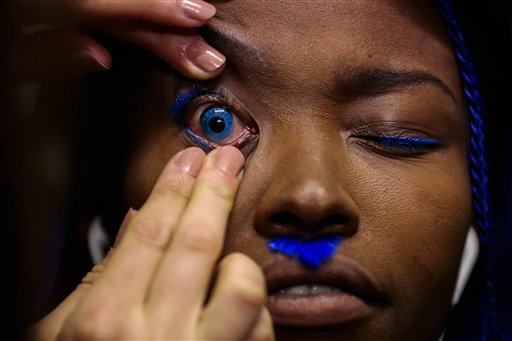
Scientists have developed contact lenses embedded with nanoparticles that enable humans to see in total darkness and detect infrared signals, potentially transforming fields like medicine and firefighting by allowing users to see through smoke or locate tumors without additional equipment.
Researchers at Scripps Research Institute have developed MovieNet, an AI model inspired by the human brain, capable of analyzing moving images with high precision and efficiency. By mimicking neuronal processing of visual sequences, MovieNet uses less data and energy than traditional AI, outperforming existing models and even human observers in recognizing dynamic scenes. This eco-friendly AI has potential applications in fields like medicine, where it could aid in early disease detection and enhance drug screening by identifying subtle changes in movement.
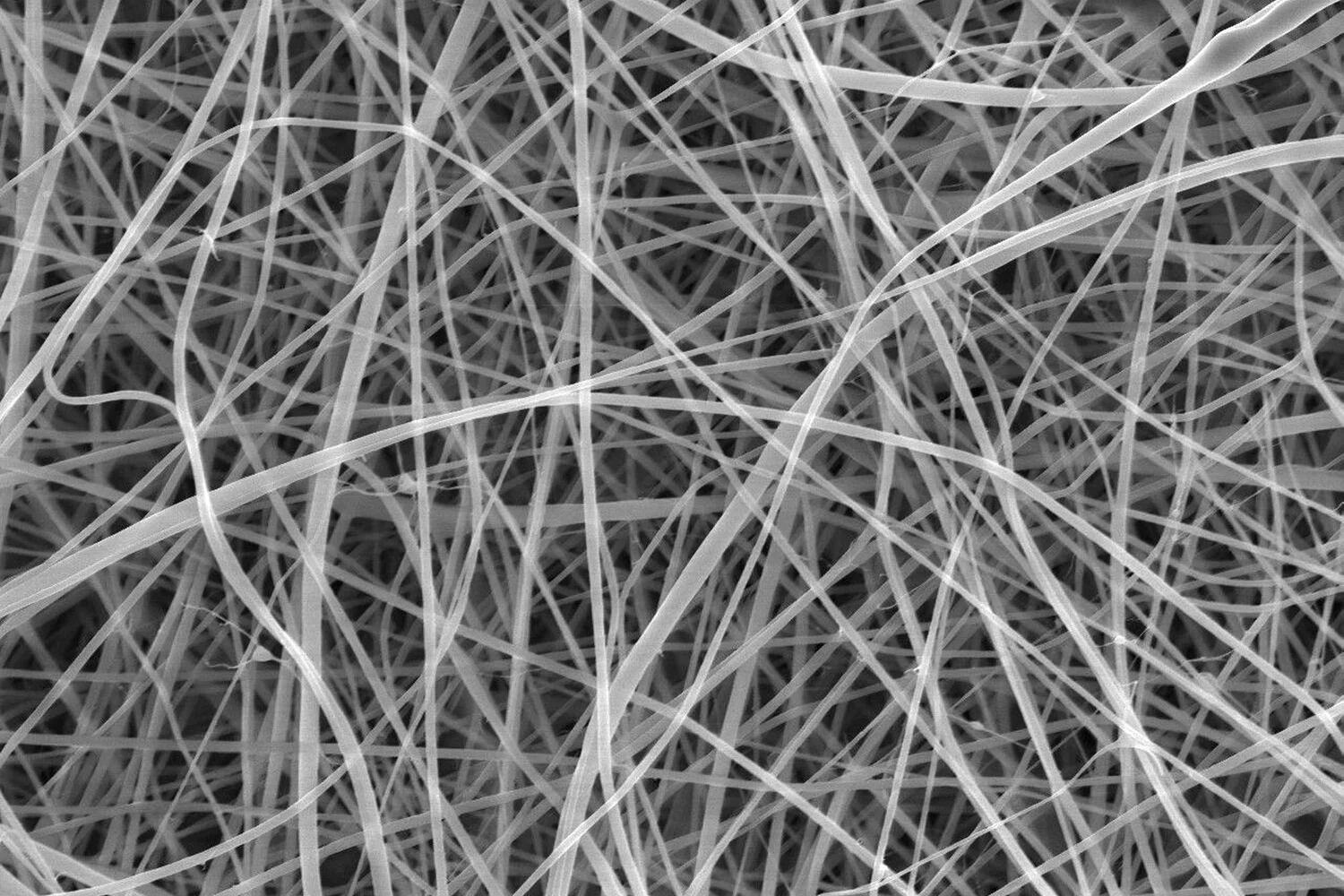
Researchers at University College London have created 'nanopasta,' a type of spaghetti 1,000 times thinner than a human hair, using a process called electrospinning. This ultra-thin pasta, made from starch-rich flour and formic acid, has potential applications in medicine, such as in bandages and drug delivery systems, due to its biodegradable nature. The study highlights a more sustainable method of producing nanofibers by using flour instead of purified starch, offering a promising avenue for future medical innovations.
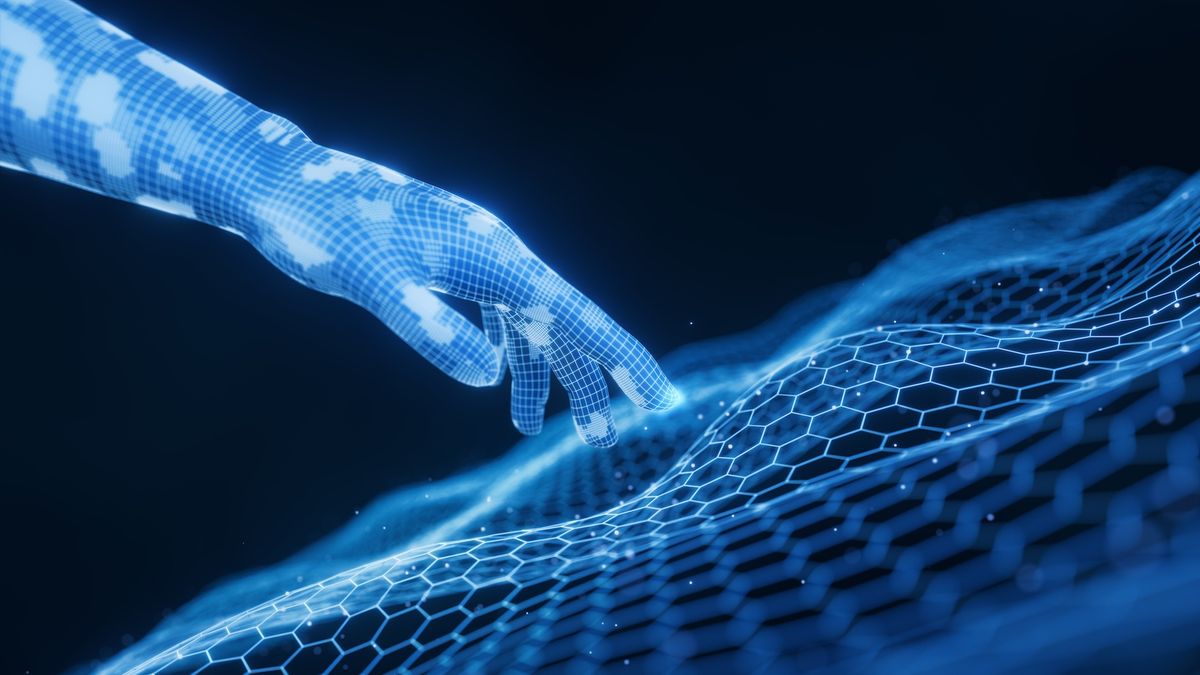
Scientists have developed a new technology that allows AI to "feel" surfaces by combining quantum science with AI. This system uses a photon-firing scanning laser to detect surface topography by analyzing back-scattered photons with AI, achieving high accuracy in measuring surface roughness. The technology, which can discern minute differences in surface texture, has potential applications in fields like medicine, where it could help detect skin cancer by measuring mole thickness.
Scientists have discovered how caterpillars of the Carolina sphinx moth can stop their bleeding in seconds by transforming their hemolymph from a viscous to a viscoelastic fluid. This transformation allows the hemolymph to quickly seal wounds by retracting back to the wound and forming a crust. The study, published in Frontiers in Soft Matter, has potential applications for human medicine, with researchers hoping to design drugs that could turn human blood into a viscoelastic material to stop bleeding.
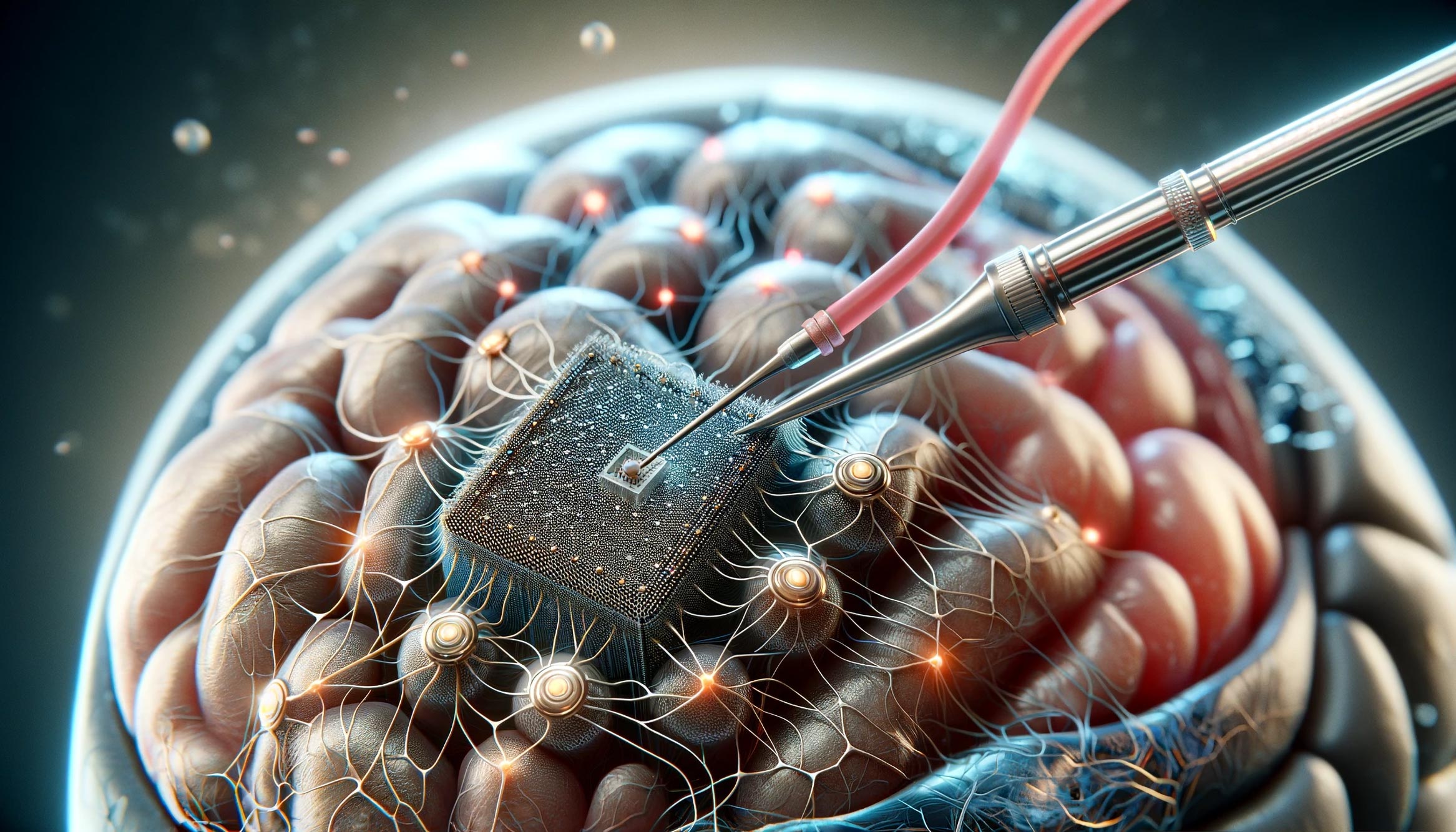
A groundbreaking graphene-based neurotechnology developed by ICN2 and collaborators has the potential to revolutionize neuroscience and medical applications, offering high-precision neural interfaces and targeted nerve modulation. The technology, known as EGNITE, utilizes nanoporous graphene to create flexible, high-resolution microelectrodes capable of recording high-fidelity neural signals and providing precise nerve stimulation. Preclinical studies have demonstrated its effectiveness, and the technology is being translated into clinical applications by the spin-off company INBRAIN Neuroelectronics, with the aim of conducting first-in-human trials. This innovation represents a significant advancement in neuroelectronic therapeutics and has the potential to transform the field of neurotechnology.
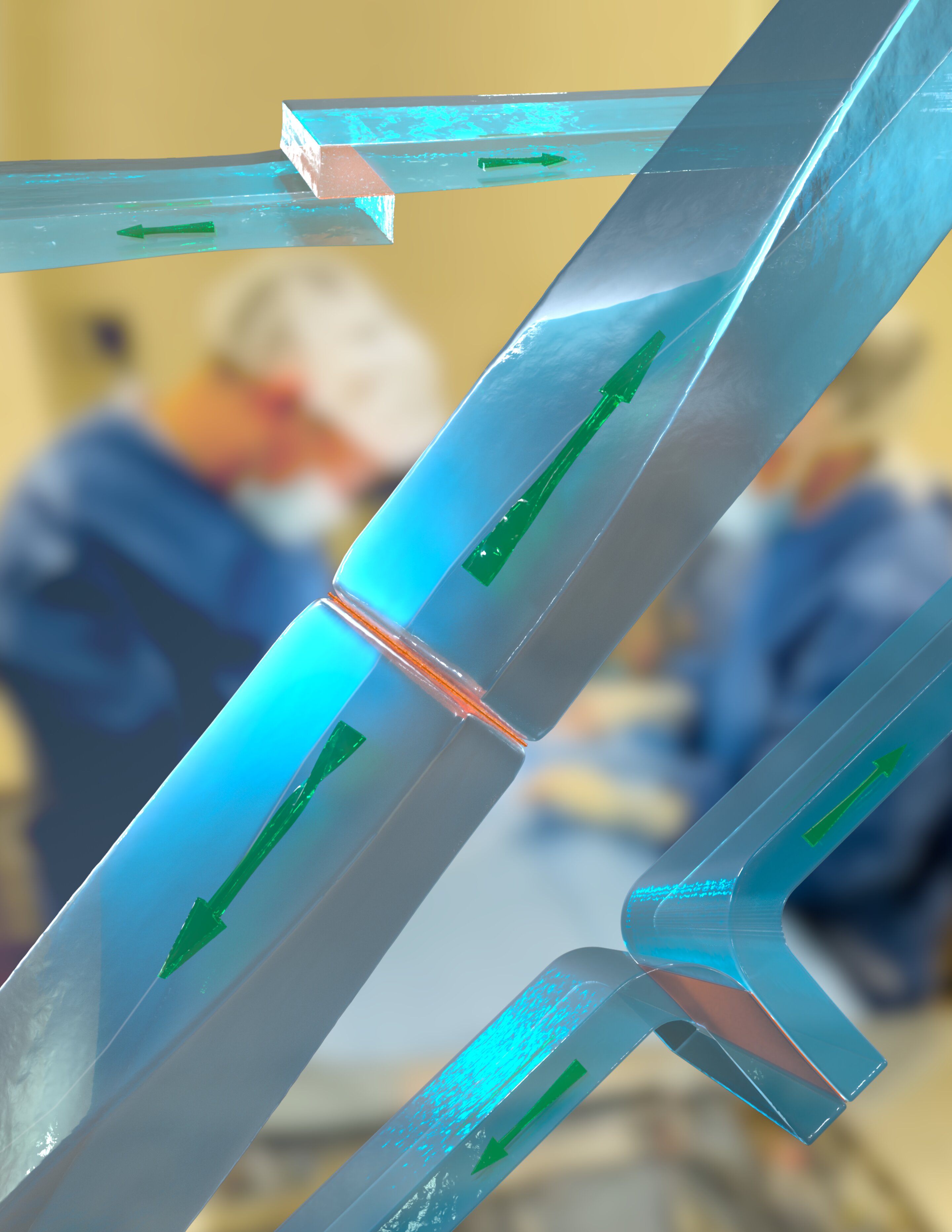
Scientists at the Wyss Institute for Biologically Inspired Engineering at Harvard University and Harvard John A. Paulson School of Engineering and Applied Sciences have developed a simple and versatile method to bond hydrogels and other polymeric materials using a thin film of chitosan, derived from shellfish. This new approach allows for rapid and strong bonding of hydrogels, opening up numerous potential applications in regenerative medicine and surgical care, such as tissue cooling, wound care, and prevention of surgical adhesions. The method could lead to the creation of devices for various medical challenges and offers elegant solutions for urgent unmet problems in regenerative and surgical medicine.
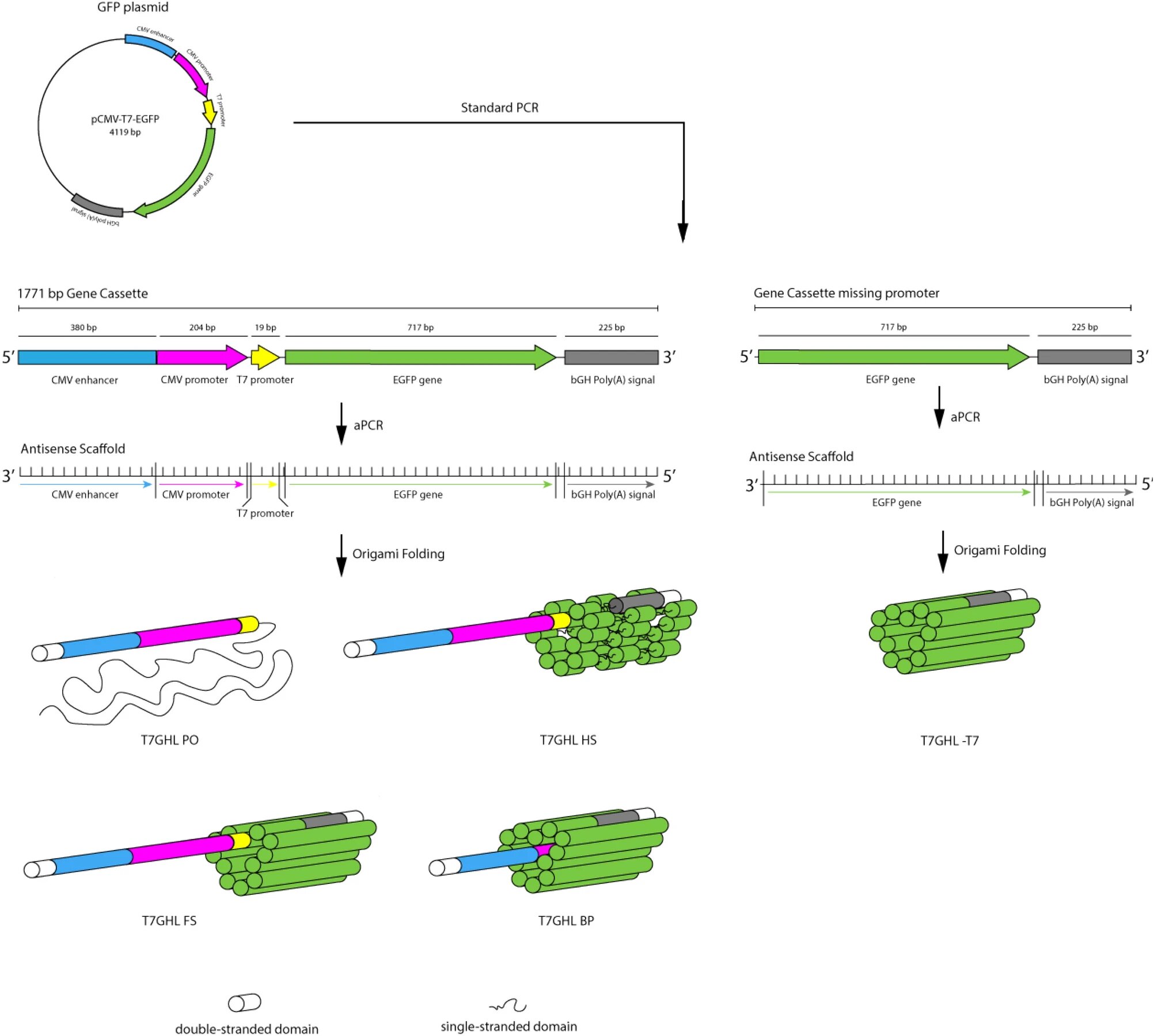
Researchers at Iowa State University have developed DNA nanoparticles capable of expressing genetic code, potentially serving as both carriers and medicine. By manipulating DNA strands, the scientists have shown that these nanoscale materials can convey built-in genetic instructions, opening up possibilities for targeted delivery systems in fields such as cancer therapy. The DNA nanoparticles are easy to make, inexpensive, and durable, with the potential for precision in gene editing and the ability to self-assemble without special equipment.
Japanese researchers have developed a "brain decoding technology" that uses artificial intelligence (AI) to translate human brain activity into mental images. In a groundbreaking study, the researchers successfully extracted and visualized mental images of objects and landscapes, including a leopard and an airplane. This technology has potential applications in medicine and welfare, such as creating new communication devices and understanding how hallucinations and dreams work in the brain.
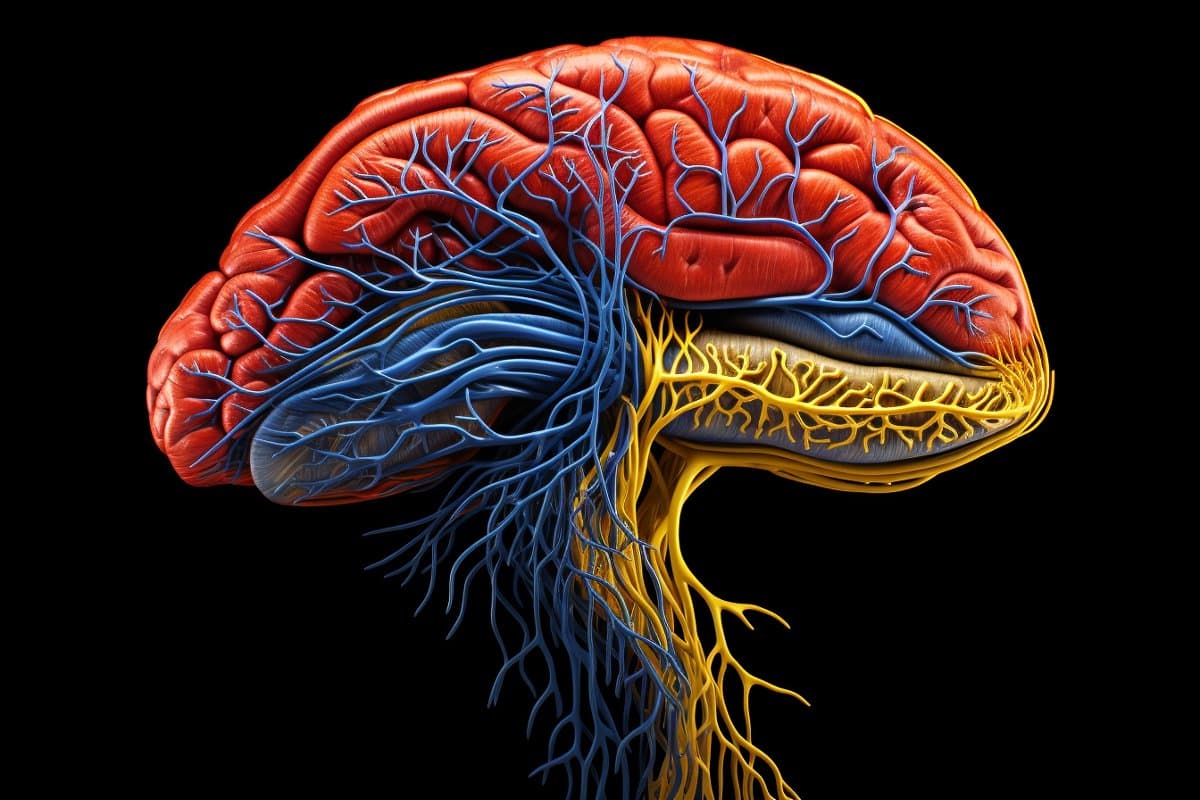
Researchers at EPFL have discovered that the human brain uniquely transmits information through multiple parallel pathways, a trait not observed in macaques or mice. Using diffusion and functional MRI data, combined with information and graph theory, the team mapped "brain traffic" and found that these parallel pathways in humans might contribute to our advanced cognitive abilities. This finding could have implications for understanding brain evolution and potential medical applications, such as neurorehabilitation and the prevention of cognitive decline.
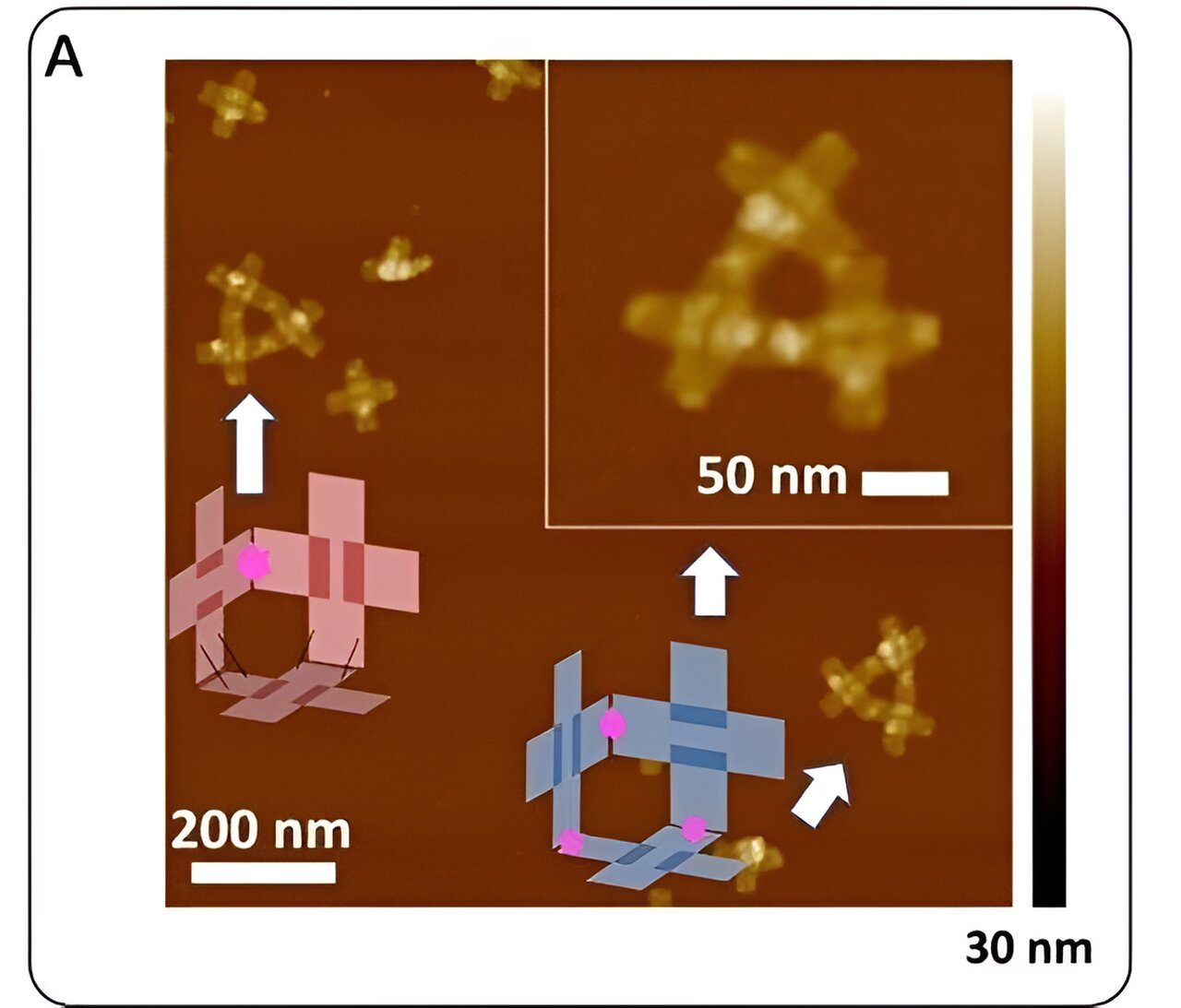
Researchers from universities in New York and Ningbo, China, have developed 3D DNA nanorobots that can self-replicate. These tiny robots, built from DNA, have the potential to perform tasks such as targeting and destroying cancer cells or collecting toxic waste in the ocean. The nanorobots are capable of precise folding and positioning of DNA strands, allowing for limitless self-replication. This breakthrough in DNA nanotechnology opens the door to more complex and useful nano- and microdevices, with applications in nanomedicine, diagnostics, and nanorobotics.
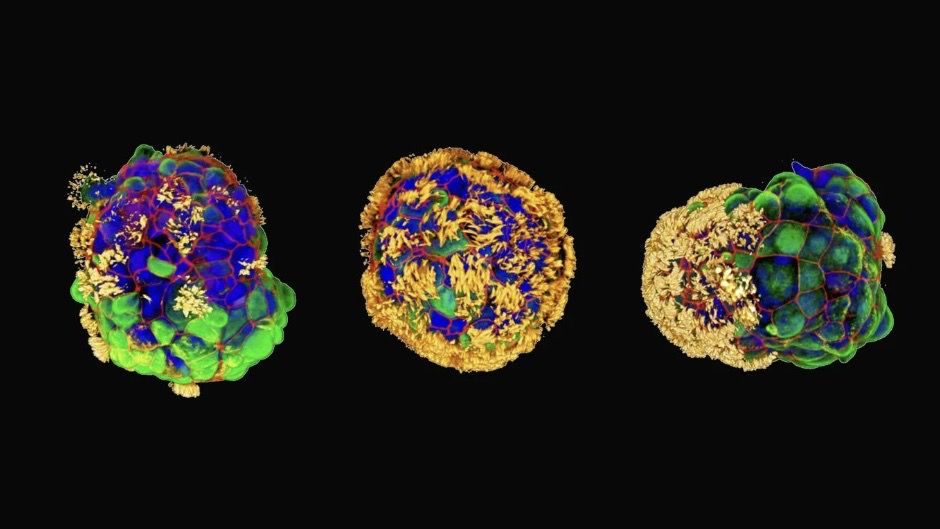
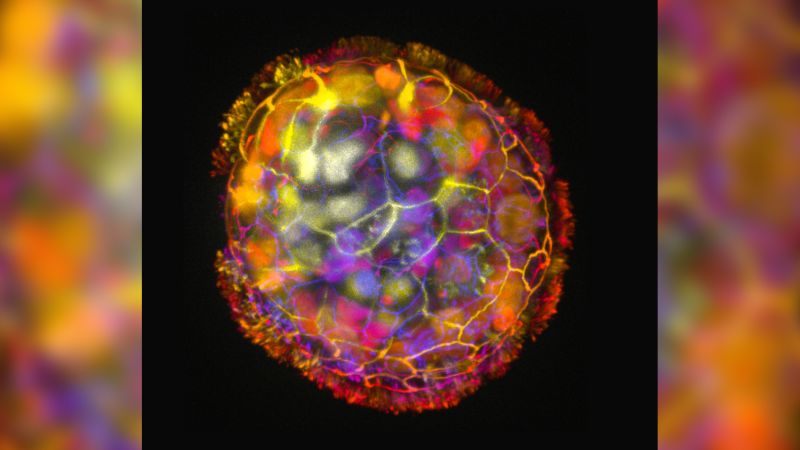
Scientists have developed tiny self-assembling robots called Anthrobots, made from human tracheal cells, that can encourage neuron regrowth in damaged tissue. These biobots, ranging in size from a human hair to a pencil tip, assemble in clusters and have shown promising results in lab experiments. The exact mechanism behind their ability to stimulate neuron growth is still unknown. Researchers hope to further explore their potential in medical applications such as clearing plaque buildup, repairing spinal damage, and recognizing bacteria or cancer cells.
Scientists at the National Institutes for Quantum Science and Technology in Japan have successfully used artificial intelligence (AI) to reconstruct complex images solely from people's brain activity, achieving an accuracy rate of over 75%. By recording brain activity of subjects while they viewed various images and developing a neural signal translator program, the researchers were able to match brain activity with scoring charts and reconstruct the original images using generative AI. This breakthrough could have significant implications in the medical field, particularly for individuals who have lost the ability to verbally communicate, potentially leading to new forms of communication.
Scientists have developed tiny living robots, called anthrobots, using human cells that can move and potentially aid in wound healing and tissue regeneration. The researchers used tracheal cells with cilia, which were manipulated to face outward and act as oars for movement. The anthrobots exhibited different shapes, sizes, and movement patterns. In experiments, they showed the ability to encourage growth in damaged human neurons. The study provides a foundation for future applications of bio-bots in various forms, with potential uses in medical research and treatments. The anthrobots are not genetically modified and have a limited lifespan, biodegrading after a few weeks.