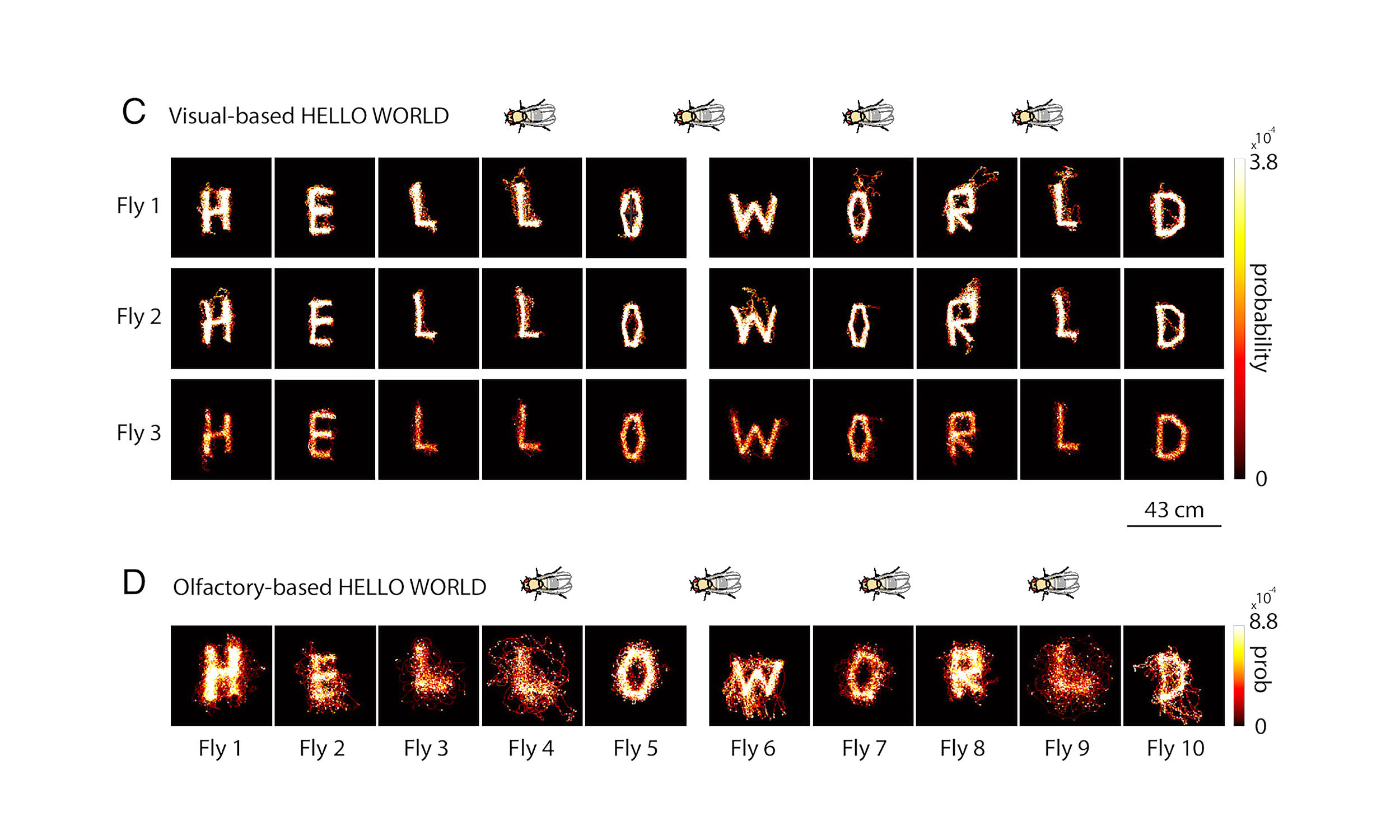
Scientists at Harvard have developed a method to control living fruit flies as microrobots, guiding swarms to perform complex tasks like writing 'HELLO WORLD' and navigating mazes, leveraging the flies' natural reflexes and optogenetics, with potential applications in environmental monitoring and disaster response.
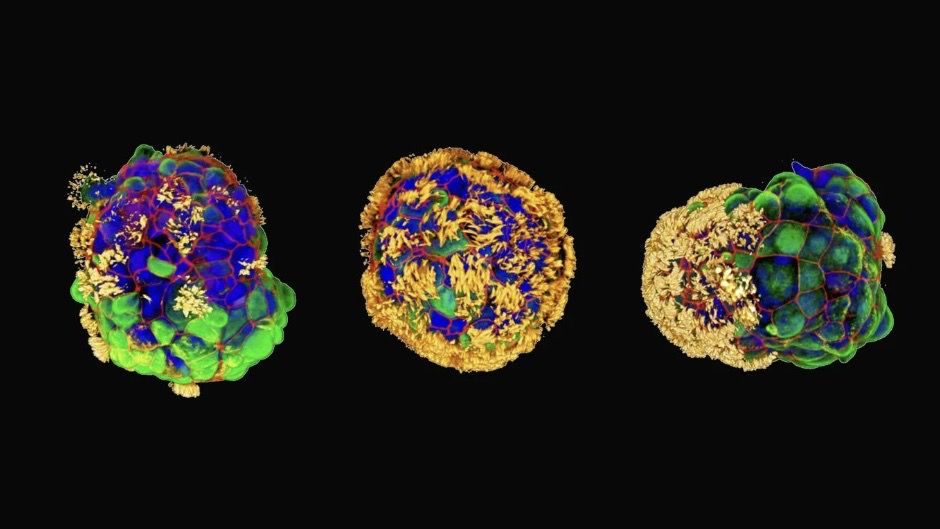
Scientists have developed tiny self-assembling robots called Anthrobots, made from human tracheal cells, that can encourage neuron regrowth in damaged tissue. These biobots, ranging in size from a human hair to a pencil tip, assemble in clusters and have shown promising results in lab experiments. The exact mechanism behind their ability to stimulate neuron growth is still unknown. Researchers hope to further explore their potential in medical applications such as clearing plaque buildup, repairing spinal damage, and recognizing bacteria or cancer cells.
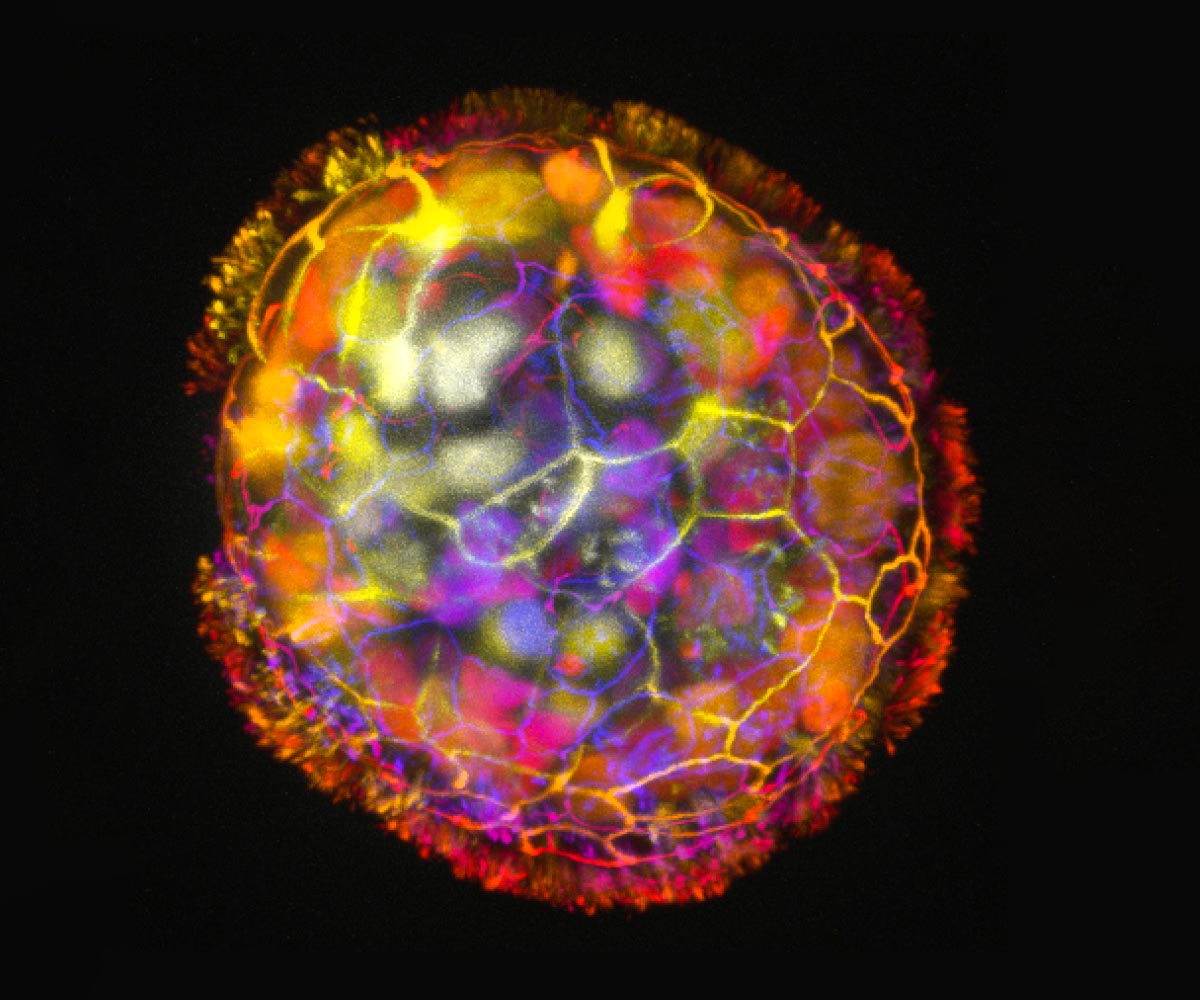
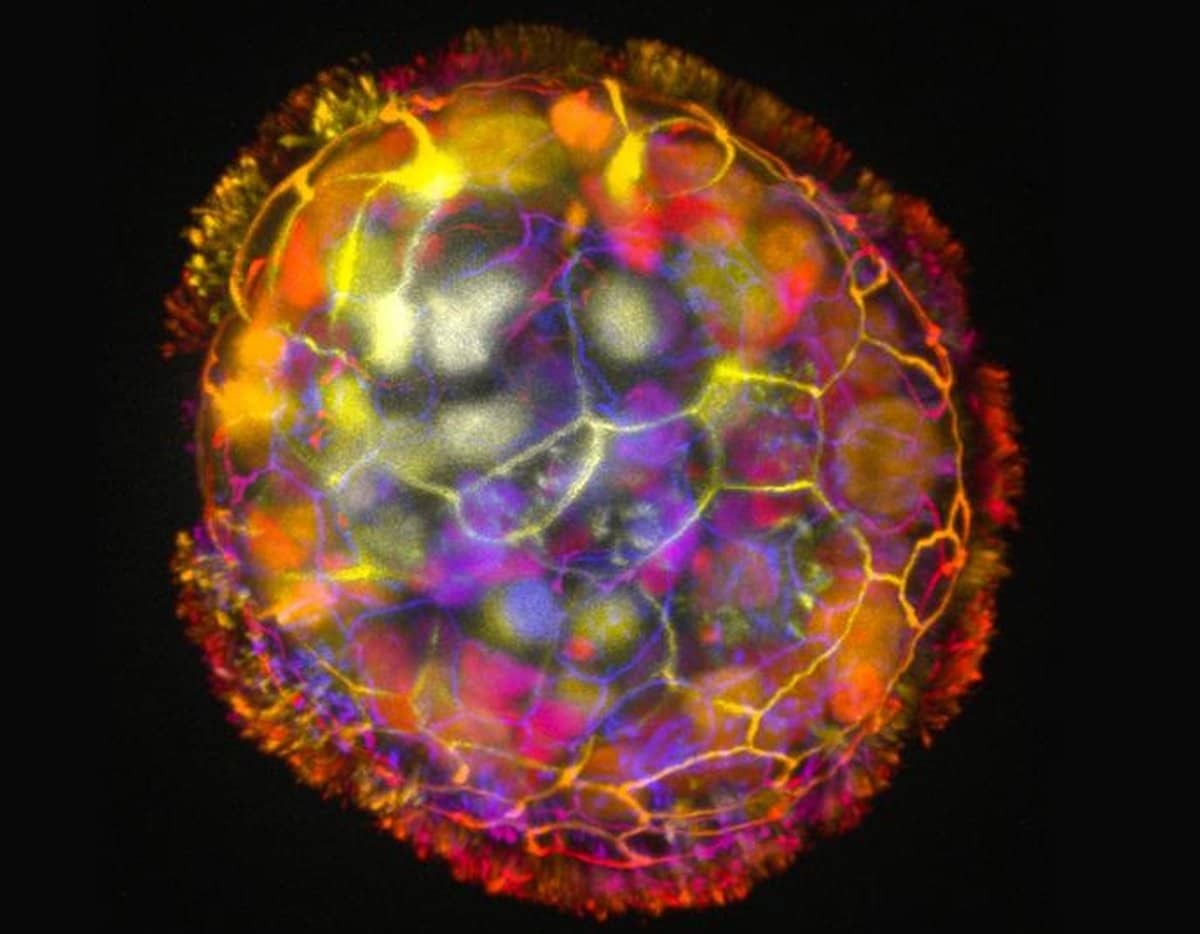
Researchers at Tufts University and Harvard University's Wyss Institute have developed tiny biological robots called Anthrobots from human tracheal cells. These multicellular bots, ranging in size from the width of a human hair to the point of a sharpened pencil, can self-assemble and have been found to encourage the growth of neurons in damaged areas. The researchers envision using patient-derived biobots as therapeutic tools for regeneration, healing, and disease treatment. The Anthrobots, made from adult human cells without genetic modification, have demonstrated capabilities beyond previous Xenobots research. This breakthrough could pave the way for the development of therapeutic applications such as clearing plaque buildup, repairing nerve damage, recognizing cancer cells, and delivering targeted drugs.
Researchers at Tufts University and Harvard University's Wyss Institute have developed microscopic biological robots called Anthrobots, made from human tracheal cells, that can move across surfaces and promote the growth of neurons in damaged areas. These self-assembling multicellular robots, ranging in size from a hair-width to the point of a sharpened pencil, have shown remarkable healing effects in lab conditions. Unlike previous Xenobot research, Anthrobots can be created from adult human cells without genetic modification, making them a potential patient-specific therapeutic tool in regenerative medicine. The researchers envision using Anthrobots for treating various diseases and injuries.