Tag

Blood Clotting

All articles tagged with #blood clotting

science-and-technology1 year ago

New 'Neural Tourniquet' Uses Nerve Stimulation to Halt Bleeding

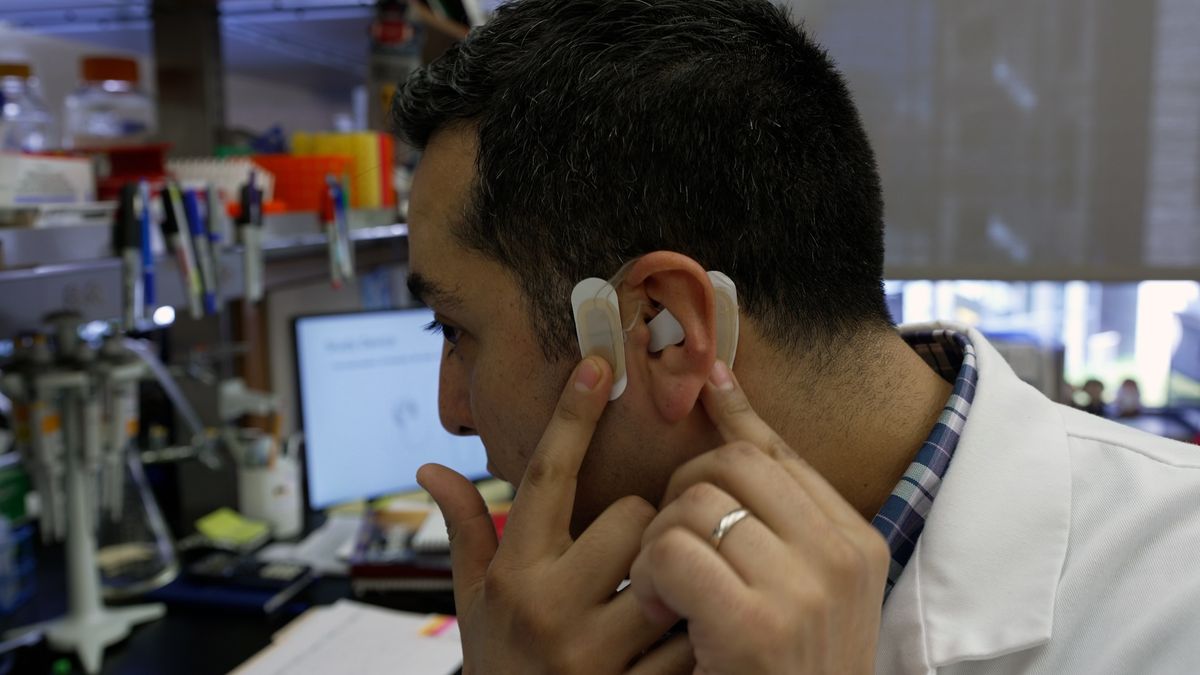
Researchers have developed a device that stimulates the vagus nerve to promote blood clotting, potentially reducing bleeding during surgeries. This technology, known as transcutaneous auricular neurostimulation (tAN), has shown promising results in early trials, suggesting a "neural tourniquet" effect. If further clinical trials confirm its efficacy, this non-invasive method could be used to prevent excessive bleeding in surgical patients, addressing a significant unmet need in medical procedures.

science1 year ago

"Caterpillars' Remarkable Ability to Halt Bleeding Uncovered by Scientists"

Scientists have discovered how caterpillars of the Carolina sphinx moth can stop their bleeding in seconds by transforming their hemolymph from a viscous to a viscoelastic fluid. This transformation allows the hemolymph to quickly seal wounds by retracting back to the wound and forming a crust. The study, published in Frontiers in Soft Matter, has potential applications for human medicine, with researchers hoping to design drugs that could turn human blood into a viscoelastic material to stop bleeding.

health1 year ago

"Urgent Need for Long COVID Research Funding in the US Healthcare System"

A study published in Science found that individuals with long COVID symptoms at six months show dysregulation of the blood clotting and complement pathways, which may predict the persistence of symptoms. These findings could lead to the development of diagnostic tools and targeted therapies for long COVID. The study also suggests that therapies targeting these pathways could help alleviate long COVID symptoms, and antivirals targeting herpesvirus and SARS-CoV-2 may have the potential to ameliorate long COVID symptoms.

health2 years ago

Unraveling the Mystery: Understanding the Rare Clotting Effect of Early COVID Shots and Its Implications for Future Vaccines

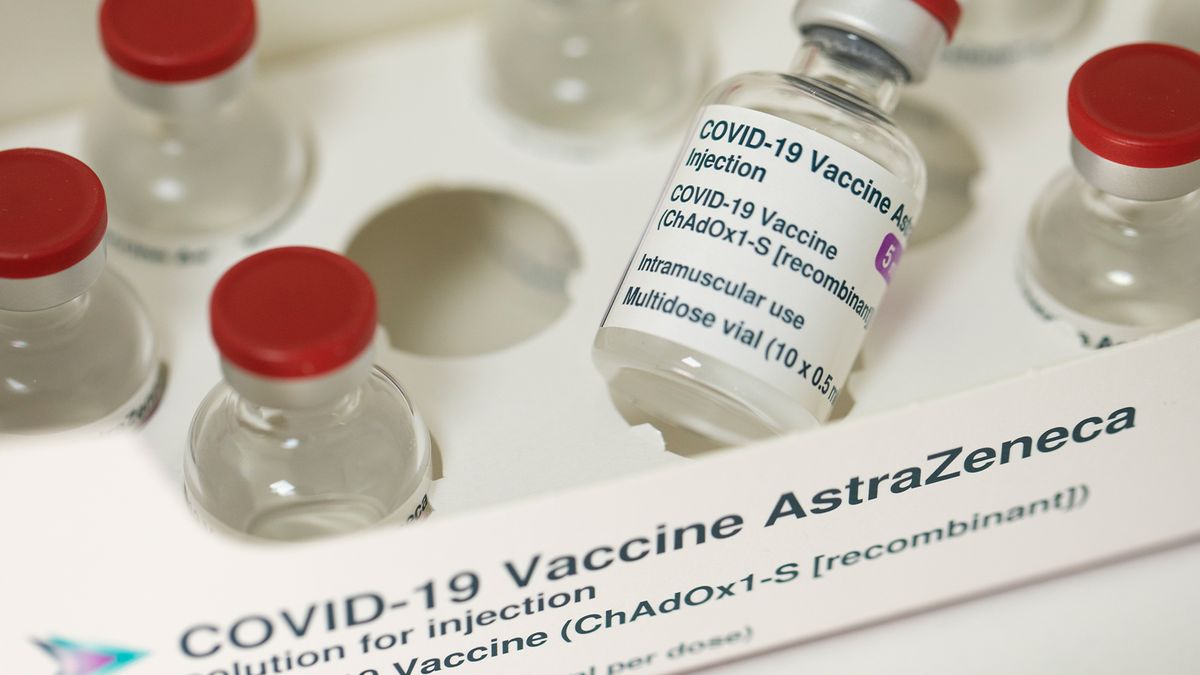
Researchers have discovered that the rare blood clotting disorder associated with early COVID-19 vaccines, such as AstraZeneca and Johnson & Johnson, may be caused by two out-of-control immune reactions happening simultaneously. One of these reactions was already known, but the second was recently identified. Understanding the mechanisms behind this clotting disorder could lead to better treatments and potentially make vaccines safer for individuals prone to this side effect. By modifying the adenovirus vector used in these vaccines, researchers may be able to eliminate the factor triggering the clotting response. Further research is needed to fully unravel the complex pathways involved in this disorder and prevent its occurrence.

health2 years ago

The Pros and Cons of Consuming Ginger for Your Health

Consuming ginger in moderation can have health benefits such as boosting immunity and improving metabolism. However, excessive intake of ginger may lead to side effects such as heartburn, impact on blood clotting for those on blood thinning medications, reduction in blood sugar levels, and mouth irritation. It is important to consume ginger in moderation and seek medical guidance if necessary.

health2 years ago

Study Finds Erythritol in Stevia Linked to Heart Attack and Stroke

A study has found that erythritol, a sugar replacement commonly used in stevia, monkfruit, and keto reduced-sugar products, is linked to blood clotting, stroke, heart attack, and death. People with existing risk factors for heart disease, such as diabetes, were found to be twice as likely to experience a heart attack or stroke if they had high levels of erythritol in their blood. The study revealed that erythritol caused blood platelets to clot more readily, increasing the risk of clots breaking off and triggering cardiovascular events. Experts recommend limiting erythritol intake until further research is conducted.

medical-science-news2 years ago

Autoantibodies against blood clotting protein may determine COVID-19 severity

A study published in Scientific Reports found that autoantibodies against the blood clotting protein ADAMTS13 were observed in nearly one-third of hospitalized COVID-19 patients, indicating a potential role in disease severity. These autoantibodies, along with increased levels of von Willibrand factor (VWF), contributed to a decreased ADAMTS13/VWF ratio, which is associated with COVID-19 severity. The study suggests that measuring ADAMTS13 autoantibody levels could be useful in predicting the severity of COVID-19. Plasma exchange therapy was also found to restore the balance between VWF and ADAMTS13, providing a potential treatment option for severe COVID-19 cases.

health2 years ago

The Controversy Surrounding Vitamin K Administration to Newborns.

Claims that vitamin K does not exist or is not a real vitamin have been circulating online, despite its well-established role in blood clotting and the fact that it is routinely given to newborns to prevent Vitamin K Deficiency Bleeding. Vitamin K is a fat-soluble vitamin found in leafy greens and animal products, and its existence is not in question. The claims appear to stem from a misunderstanding of the chemical symbol for potassium, which is also "K."

health2 years ago

Flu Diagnosis Increases Heart Attack Risk Sixfold

A new study has found that people diagnosed with influenza are six times more likely to have a heart attack within the first week of testing positive for the virus than they are in the year before or after. The study, led by Annemarijn de Boer, PhD, with the Julius Center for Life Sciences and Primary Care, UMC Utrecht in Utrecht, the Netherlands, used test results from 16 laboratories across the Netherlands and included mortality data across broader populations. The connection between influenza and heart attack lies in the influenza virus's ability to increase the stickiness or clotting of blood. The findings highlight the importance of vaccination and raise awareness about the seriousness and consequences of influenza.