A study suggests that the unique wiring of the human brain, especially fast-evolving neurons linked to language and abstract thought, may explain the high prevalence of autism, as these genetic changes that made us human also increased neurodiversity and susceptibility to conditions like ASD and schizophrenia.
A study suggests that the high prevalence of autism in humans may be linked to rapid evolution of specific brain neuron types and associated genes, which could have conferred cognitive advantages like language and complex thinking, but also increased neurodiversity.
Scientists at UC San Diego have identified a specific DNA region called HAR123 that acts as a molecular enhancer influencing brain development and cognitive flexibility in humans, providing insights into what makes the human brain unique and its evolution, with potential implications for understanding neurodevelopmental disorders like autism.
Scientists at Algoma University discovered that the human brain emits faint visible light called ultra-weak photon emissions (UPEs) during energy metabolism, which could have future applications in non-invasive neurological diagnostics.
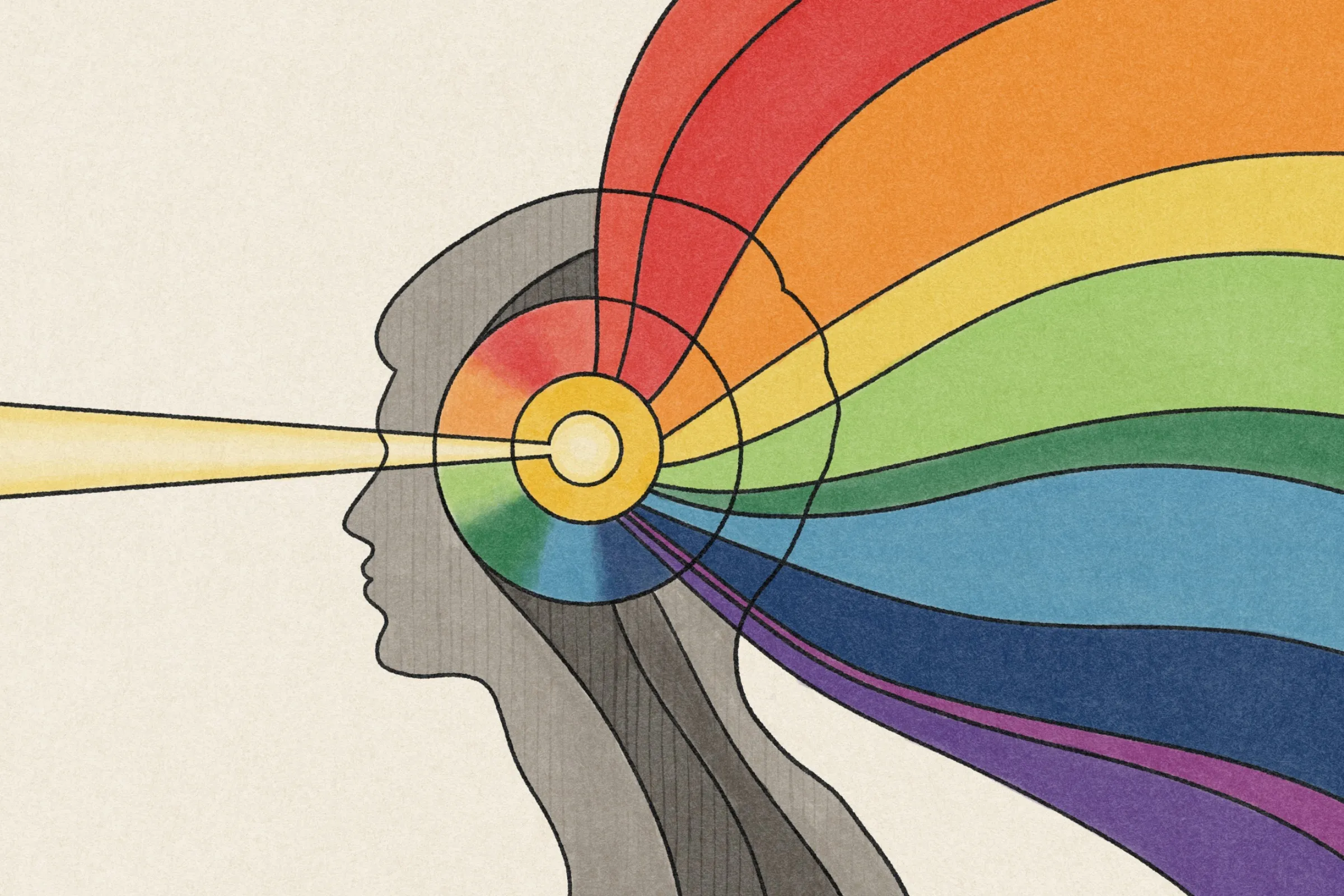
Scientists have discovered that the human brain doesn't see exactly what is in front of us but instead predicts what will happen next based on expectations and memory, using less visual processing when predictions are accurate. This finding highlights the brain's efficiency and the role of memory in perception.
Researchers at the Institute of Science and Technology Austria have discovered that the human hippocampus, particularly the CA3 region, has a unique neural connectivity compared to rodents. Using advanced techniques on brain tissue from epilepsy patients, they found that human neurons have sparser but more reliable connections, which may explain our superior memory capabilities. This study challenges existing models based on rodent brains and emphasizes the need for human-focused neuroscience research.
A study has discovered unique features of the human hippocampus, particularly in the CA3 region, which enhance memory storage and retrieval, differing from rodent brains. By examining living brain tissue from epilepsy patients, researchers found that human CA3 neurons have sparse but reliable connections, optimizing associative memory. This highlights the importance of studying human-specific brain features to improve understanding and treatment of memory-related conditions.
Chinese researchers at Fudan University have successfully revived a human brain that was frozen for 18 months using a new cryopreservation method called MEDY. This breakthrough, published in Cell Reports Methods, preserves neural cell functionality and structural integrity, potentially revolutionizing research into neurological disorders and future human cryopreservation. The achievement has sparked significant interest and discussion about the future possibilities of cryonics.
Researchers at UC San Diego have discovered unique inhibitory neurons in the human forebrain, challenging existing models of brain development that are based on studies of mice. The study provides insights into the cellular lineage of neurons in the human brain and may lead to improved models of brain function and disease. The findings have significant implications for understanding brain diseases such as epilepsy, schizophrenia, and autism, and could help generate better models of neurological disease.
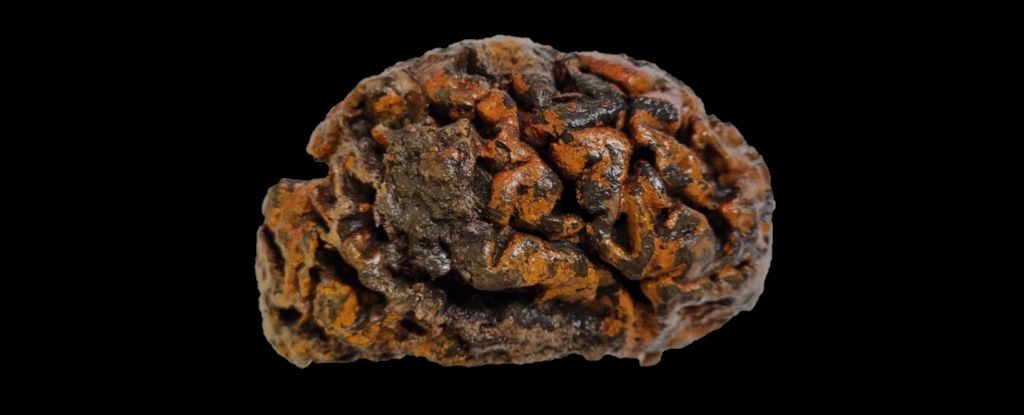
A new study led by scientists from the University of Oxford has identified over 4,400 preserved human brains dating back as far as 12,000 years ago, challenging the assumption that the human brain is among the first organs to decay after death. The brains were found in various environments and were the only soft tissue structure that survived in otherwise completely skeletonized remains. The researchers believe there may be a specific soft tissue preservation mechanism for the central nervous system, possibly involving an interaction between brain molecules and the environment. This discovery represents an archive that could provide new insights into ancient cognition, major neurological disorders, and the evolution of nervous tissues and their functions.
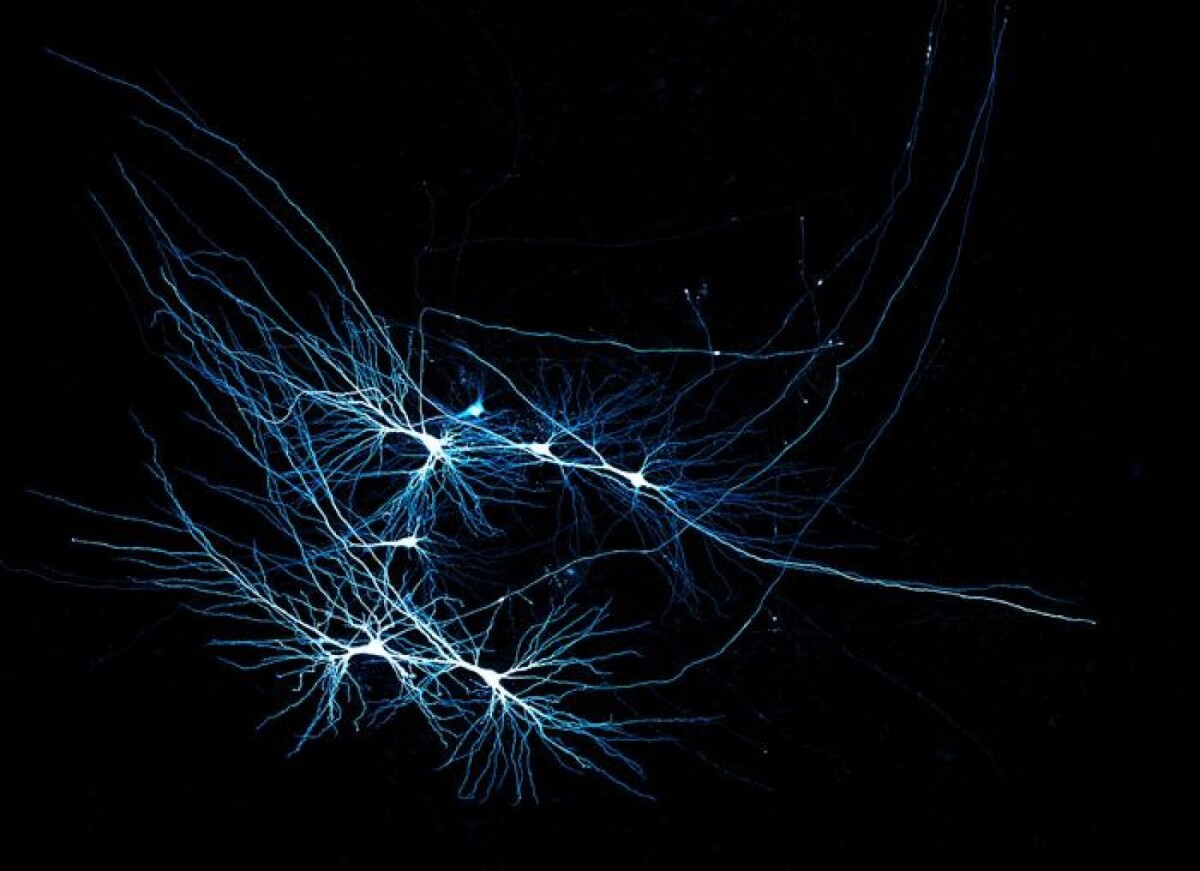
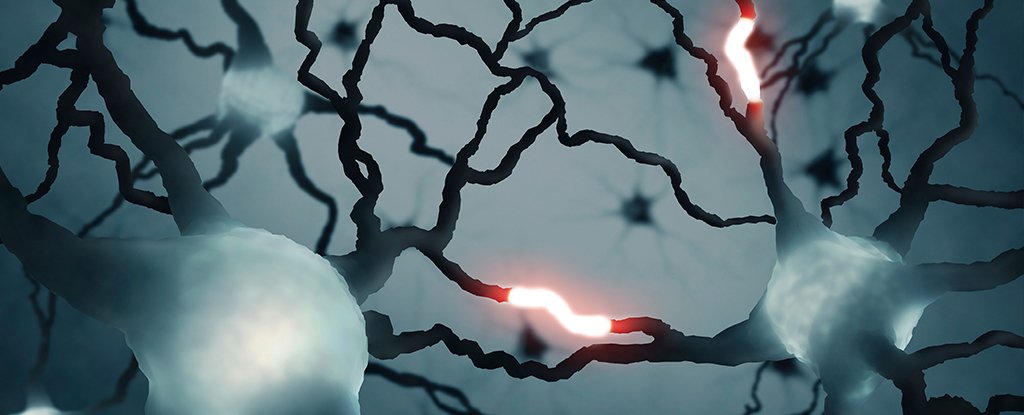
Scientists have discovered new cell messaging in the human brain, indicating that it may be more powerful than previously thought. Research on the brain's outer cortical cells revealed the firing of individual neurons using a combination of sodium and calcium ions, as well as unique electrical qualities in dendrites. This suggests that single neurons have greater computational power than previously believed, challenging the notion that complex networks are required for certain computational problems. The findings, published in Science, represent a significant advancement in understanding the human brain's capabilities.
Scientists have discovered a unique form of cell messaging in the human brain, involving a novel 'graded' signal produced by cortical cells using calcium ions, leading to the identification of calcium-mediated dendritic action potentials (dCaAPs). This finding suggests that individual neurons in the human brain may have more computational power than previously thought, potentially allowing for exclusive OR (XOR) intersections. Further research is needed to understand the implications of this discovery and its potential applications in both neuroscience and technology.
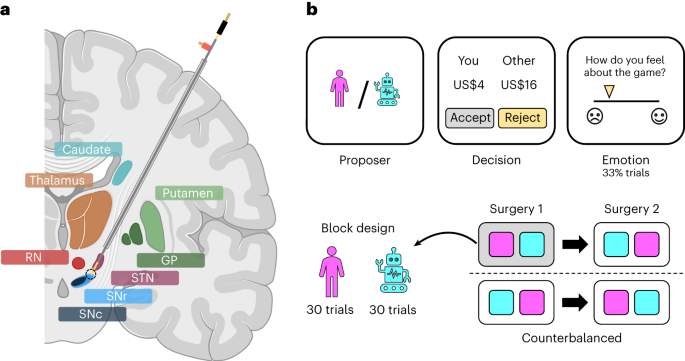
A study using electrochemistry to measure fast dopamine and serotonin fluctuations in the human brain during the ultimatum game found that overall levels of dopamine, but not serotonin, were higher in response to offers from human avatars compared to computer avatars. Additionally, relative changes in dopamine tracked trial-by-trial changes in offer value, resembling reward prediction error signaling, while relative changes in serotonin tracked the current offer value irrespective of the social context. This research provides insights into the roles of dopamine and serotonin in human social interaction at finer biological scales.
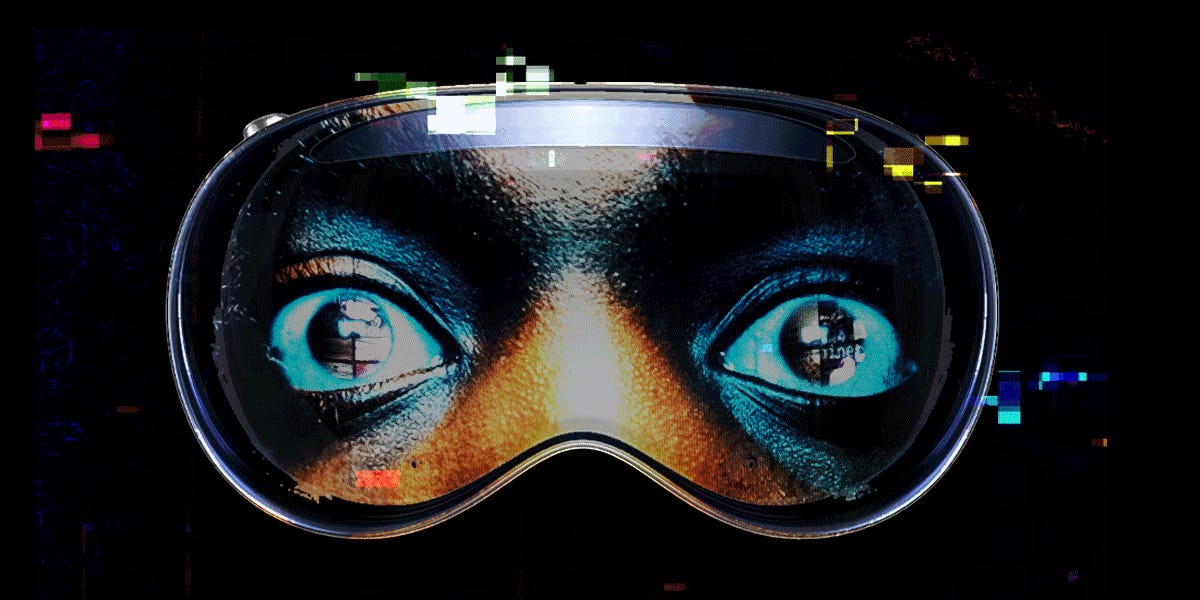
The Apple Vision Pro headset and similar devices from Meta are receiving praise for their advanced technology, but concerns are rising about the potential long-term effects on the human brain. Researchers warn that prolonged use of VR headsets could lead to significant changes in perception, causing issues such as simulator sickness, distorted vision, and social detachment. The passthrough video technology used in these headsets may further exacerbate these effects, potentially leading to a society where individuals experience different versions of reality. While the technology has exciting potential, experts urge caution and further research to understand its impact on individuals and society.
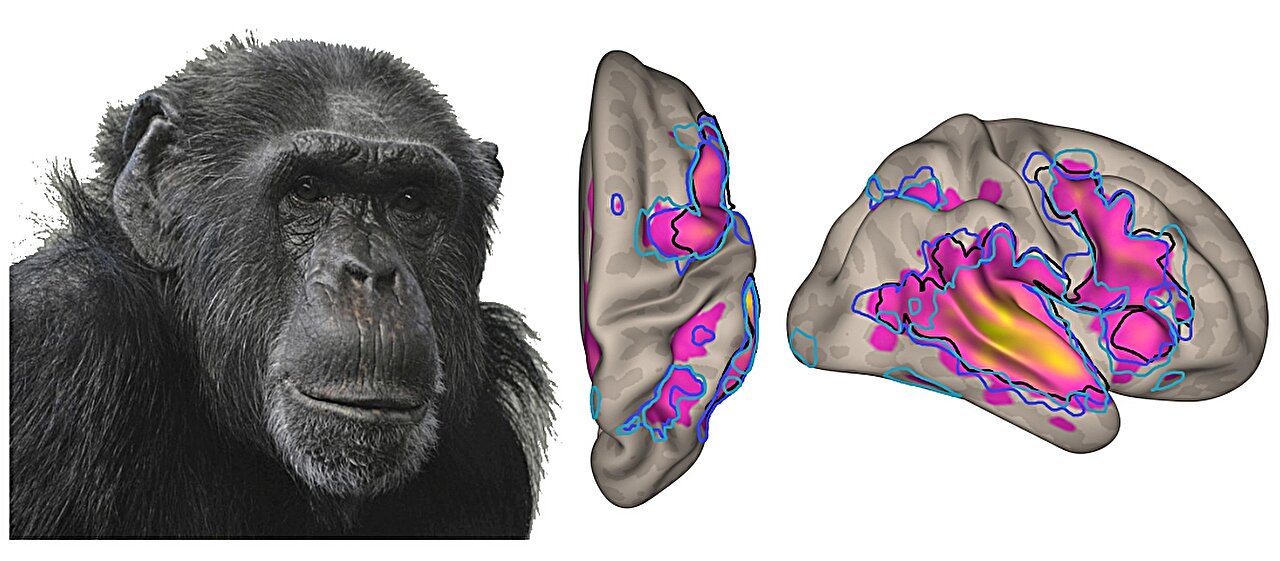
A study conducted by the University of Geneva (UNIGE) reveals that the human brain is capable of identifying the vocalizations of certain primate species, such as chimpanzees and macaques, if they are close to us and if the frequencies used are also close to our own. The study found that both phylogenetic proximity and acoustic proximity play a role in our ability to differentiate between primate vocalizations. The frontal and orbitofrontal regions of the brain are activated when processing these sounds, but the activation is reduced when confronted with bonobo vocalizations due to their high-pitched and distinct frequencies. Further research will focus on identifying the emotional content of primate vocalizations.