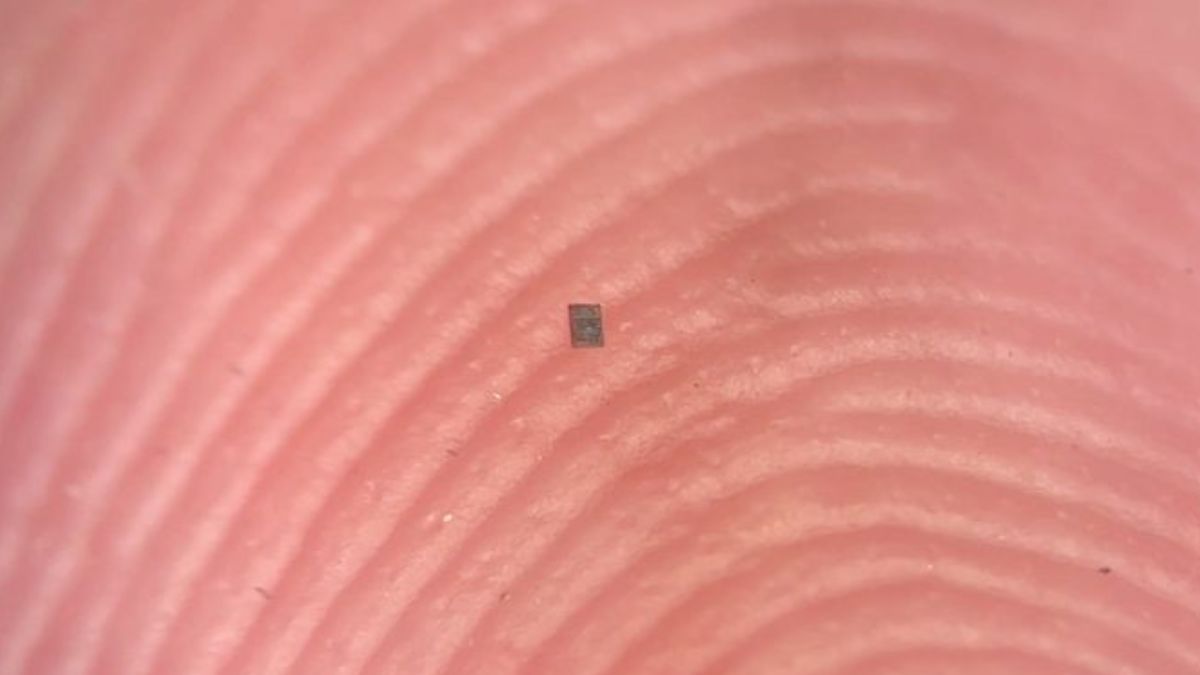
Researchers have developed the world's smallest programmable robot, measuring just 200 by 300 micrometers, capable of sensing, thinking, and acting autonomously in fluid environments, with potential applications in medicine and microscale robotics.
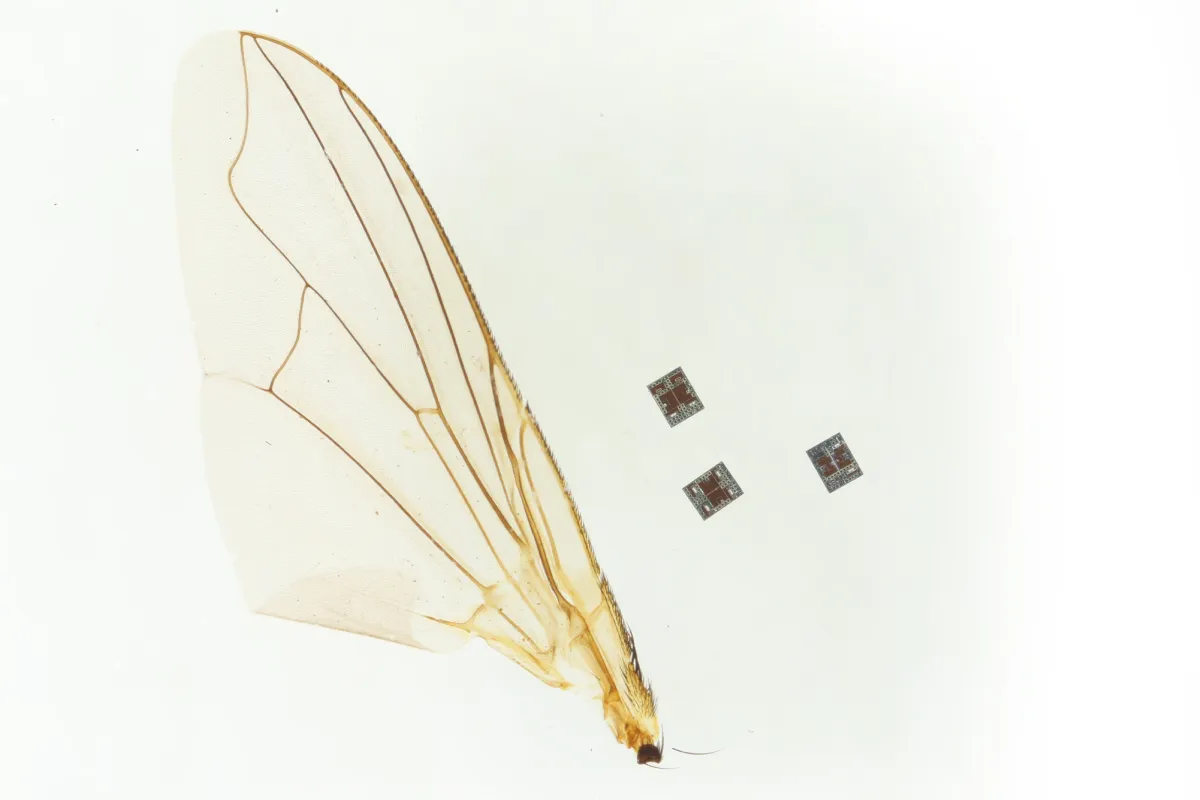
Scientists from the University of Pennsylvania and Michigan have developed a sub-millimeter robot capable of sensing, thinking, and acting, which could eventually be used inside the human body for medical purposes, although it is still in the experimental stage.
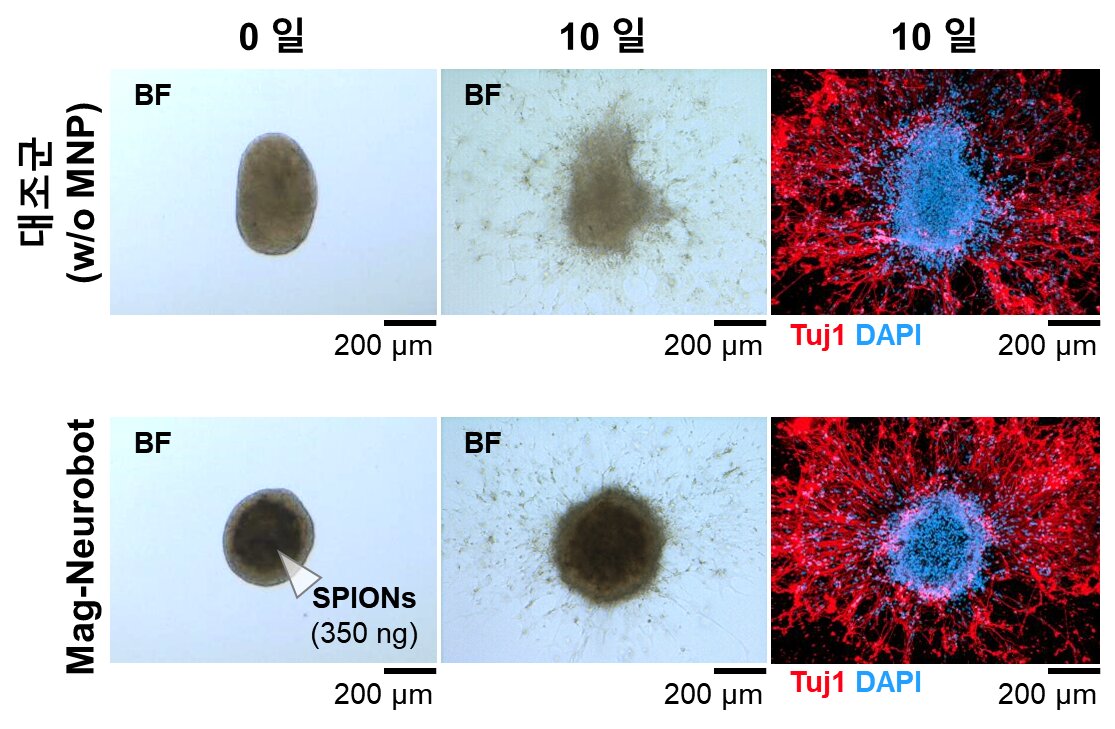
Researchers from DGIST have developed a microrobot capable of forming neural networks and sectioning hippocampal tissues in an in vitro environment in an ex vivo state. The microrobot can analyze structurally and functionally connected neural networks during cell delivery and transplantation. The technology is expected to be utilized for verifying precisely targeted treatment in neurological disorder and cell therapy fields.