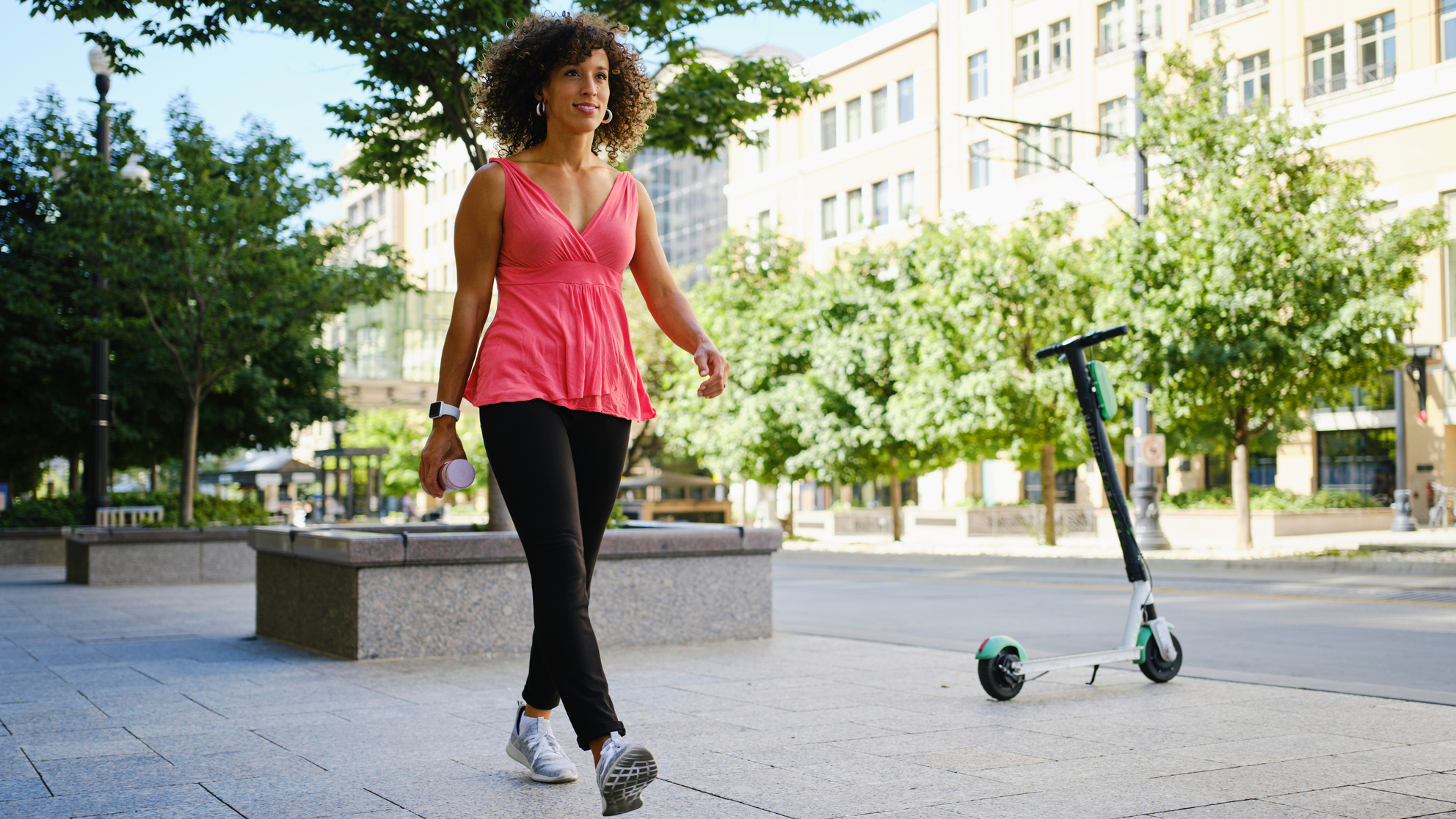
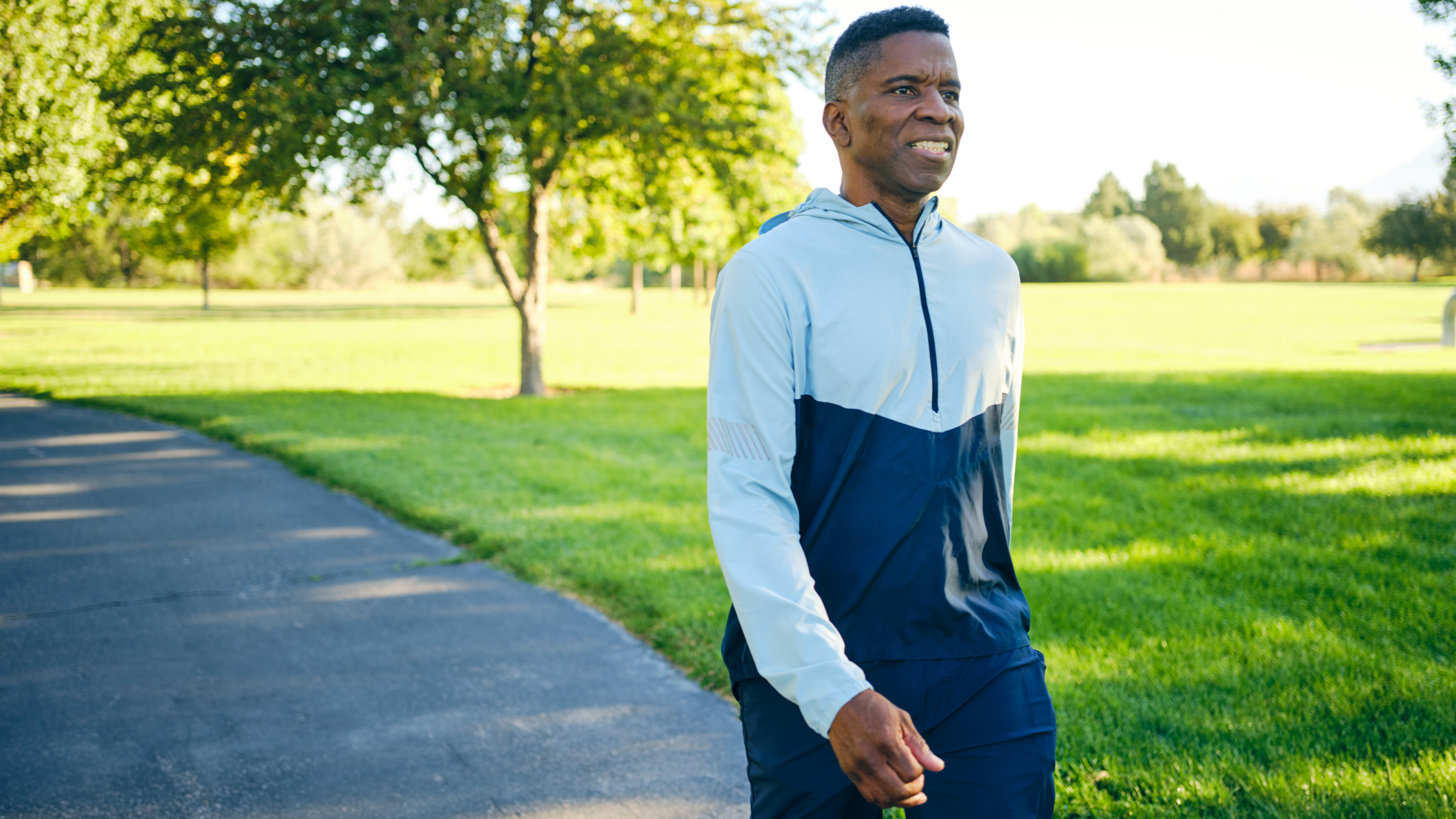
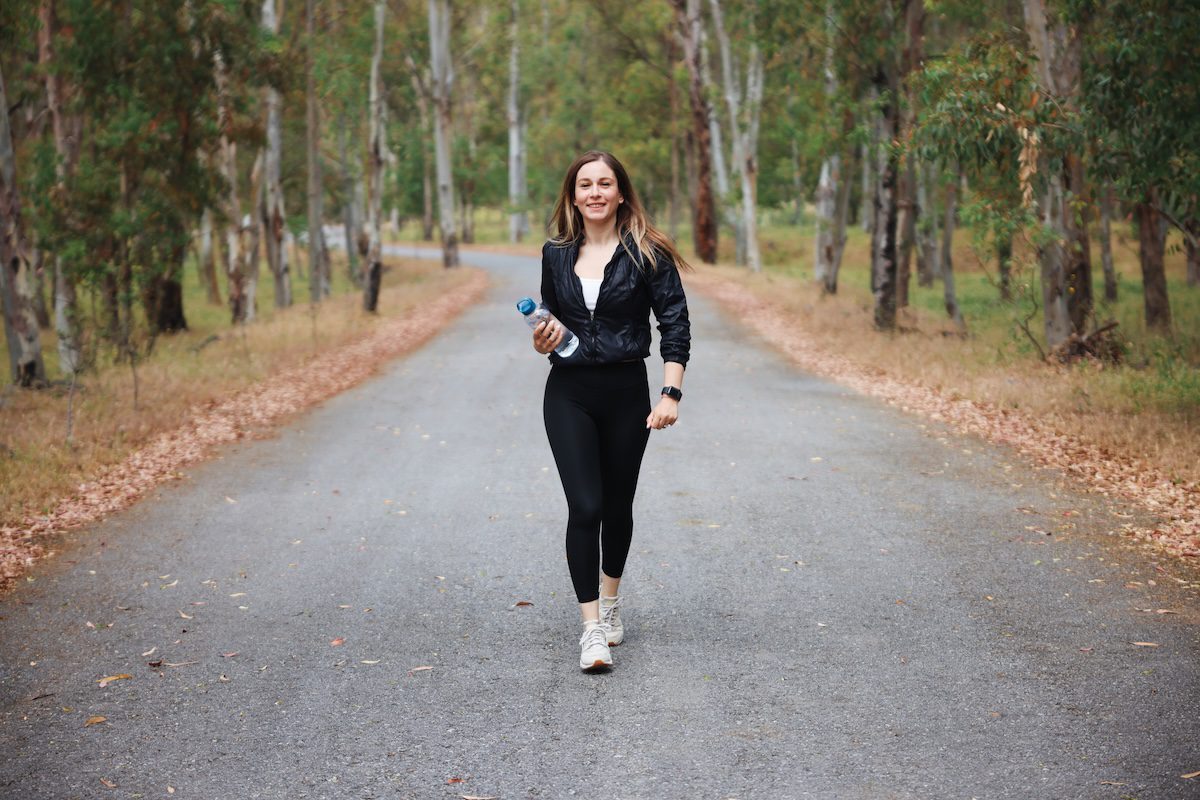
The Japanese walking method is a high-intensity, low-impact interval walking workout that alternates between fast and slow walking, improving cardiovascular health, strength, mindfulness, and running performance, with scientific backing from a 2007 study.
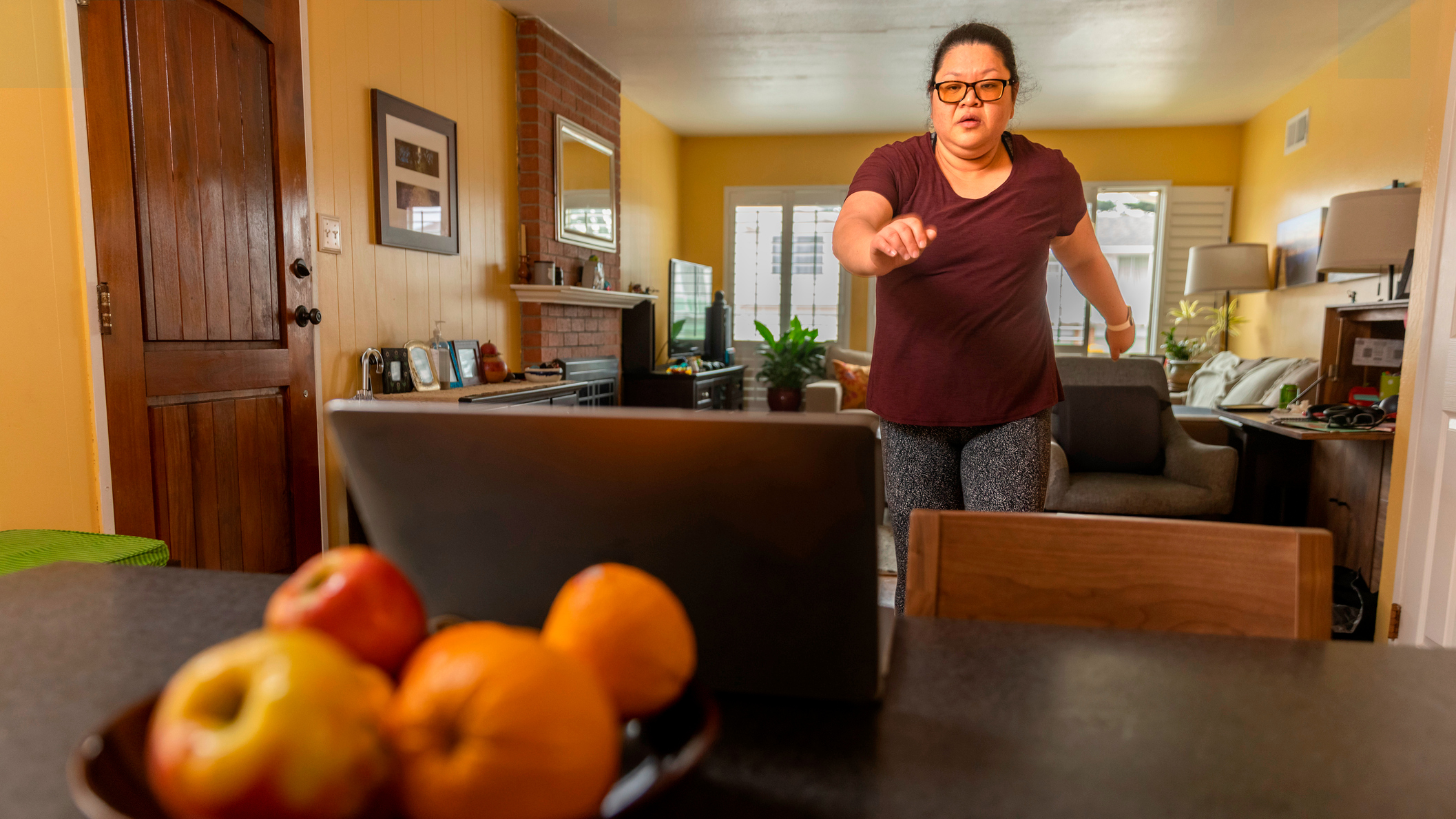
A person shares their experience of doing a 21-minute walking workout daily for a week, finding it a manageable, effective, and energizing way to support cardiovascular health during a busy schedule, highlighting the benefits of short, structured intervals and the importance of taking breaks for physical activity.
A personal trainer recommends a 30-minute walking workout that includes warm-up, brisk walking, intervals, heel-to-toe walking, and cool-down to boost calorie burn and improve joint mobility, adaptable for all fitness levels.
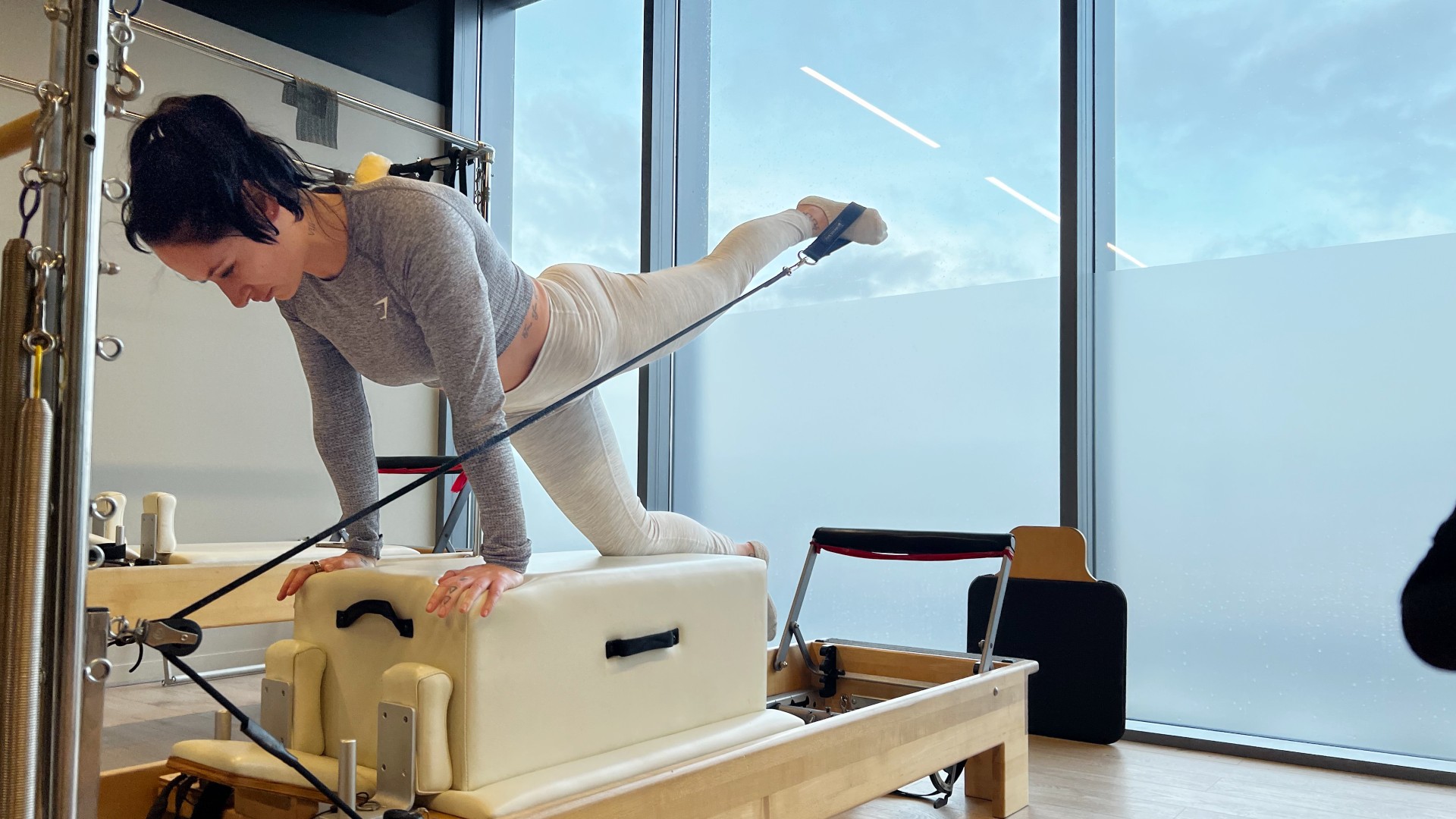
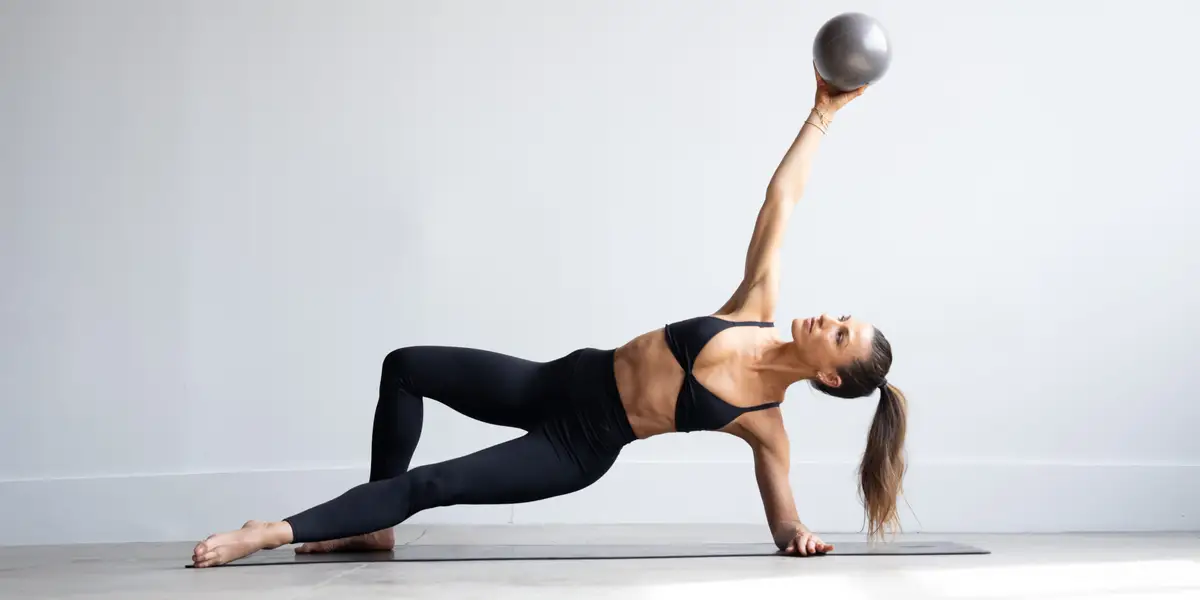
A personal trainer shares her experience after switching from high-intensity CrossFit to low-impact reformer and Pilates, noting improvements in core stability, muscle control, and mental well-being, but also an increase in body fat, highlighting the different benefits and effects of various workout modalities.
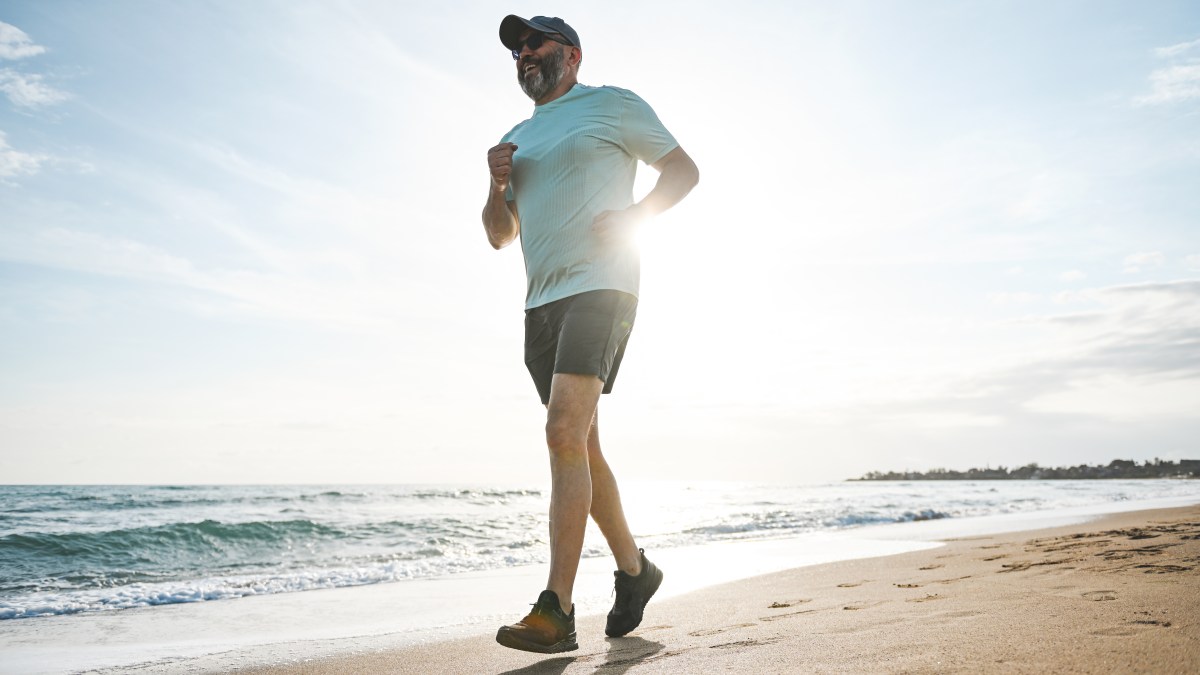
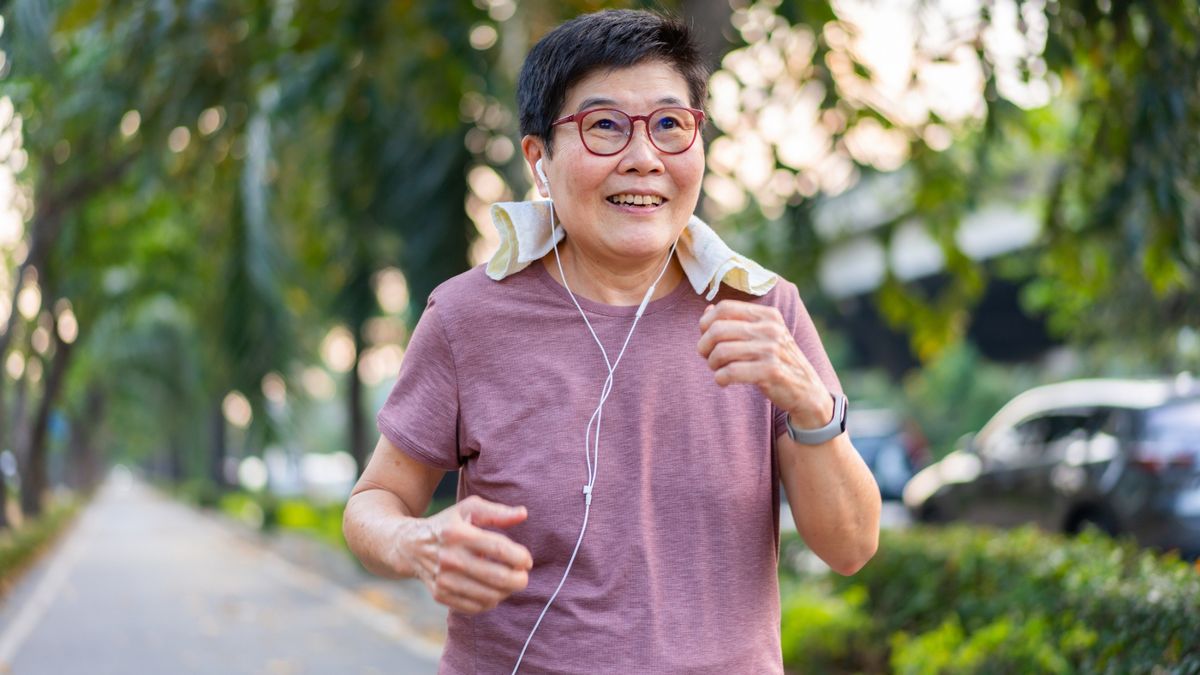
Japanese walking is a new interval walking trend from Japan that involves alternating brisk and slow walking for at least 30 minutes, offering health benefits like weight loss, lower blood pressure, and improved leg strength. It serves as a low-impact cross-training option for runners, helping with recovery and injury prevention without replacing running.
Japanese walking is a simple, scientifically supported low-impact exercise involving alternating fast and slow walking for 30 minutes, which can improve heart health, lower blood pressure, aid fat loss, and enhance cognitive function, making it an accessible alternative to more strenuous workouts.
Japanese Walking is a simple, equipment-free interval walking method from Japan that involves alternating fast and slow walking for 30 minutes, proven to improve blood pressure, weight, blood sugar, and leg strength, making it an accessible and effective fitness routine for all levels.
A fitness influencer's 6,000-step indoor walking workout is an effective, low-impact exercise that boosts bone strength, reduces joint pain, and burns calories, making it ideal for busy, menopausal women seeking to improve their health and fitness at home.
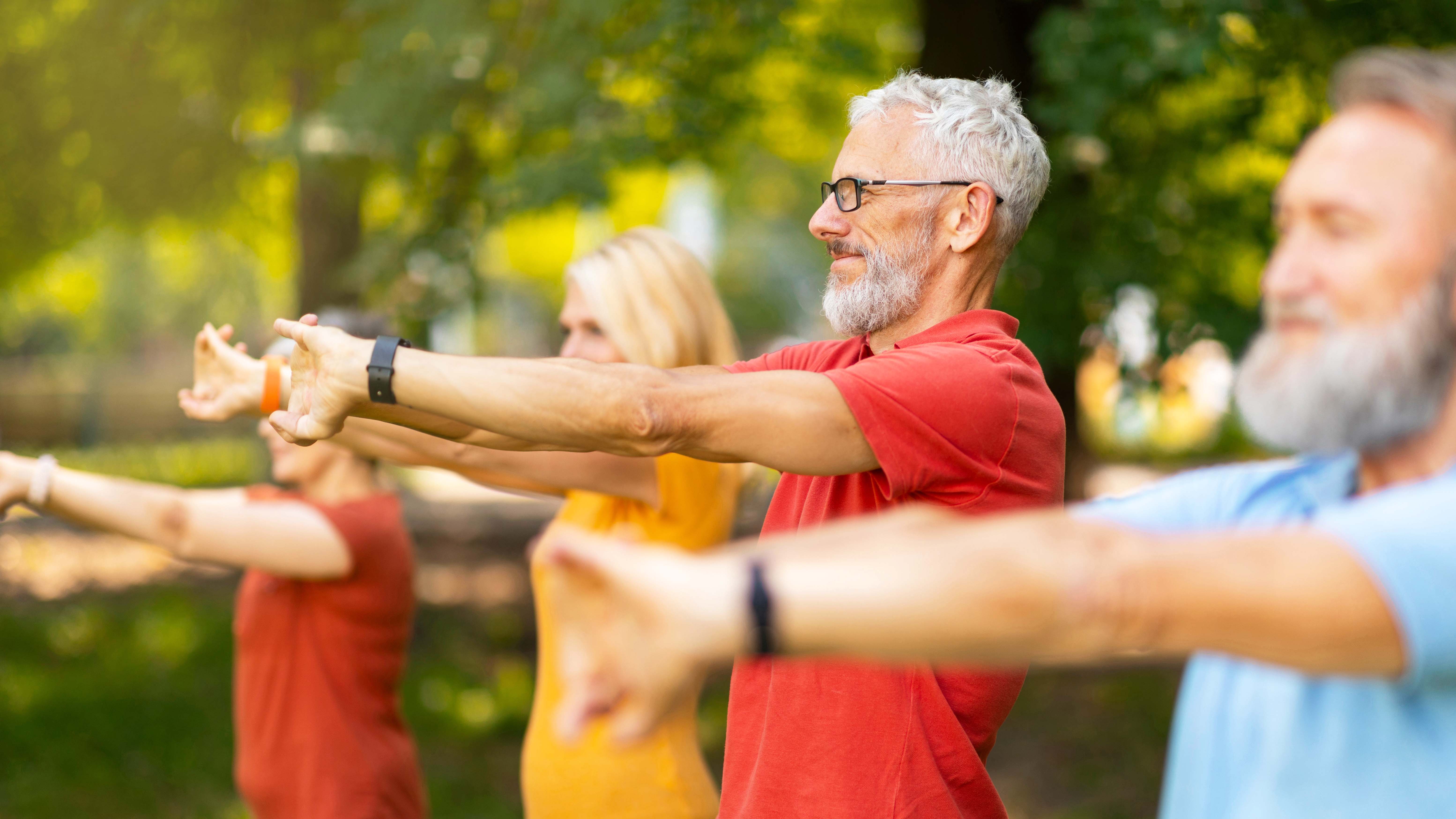
Research suggests that Tai Chi is an effective low-impact exercise for older adults, helping to improve muscle strength, balance, and overall health, while also offering mental health benefits and potentially increasing longevity.
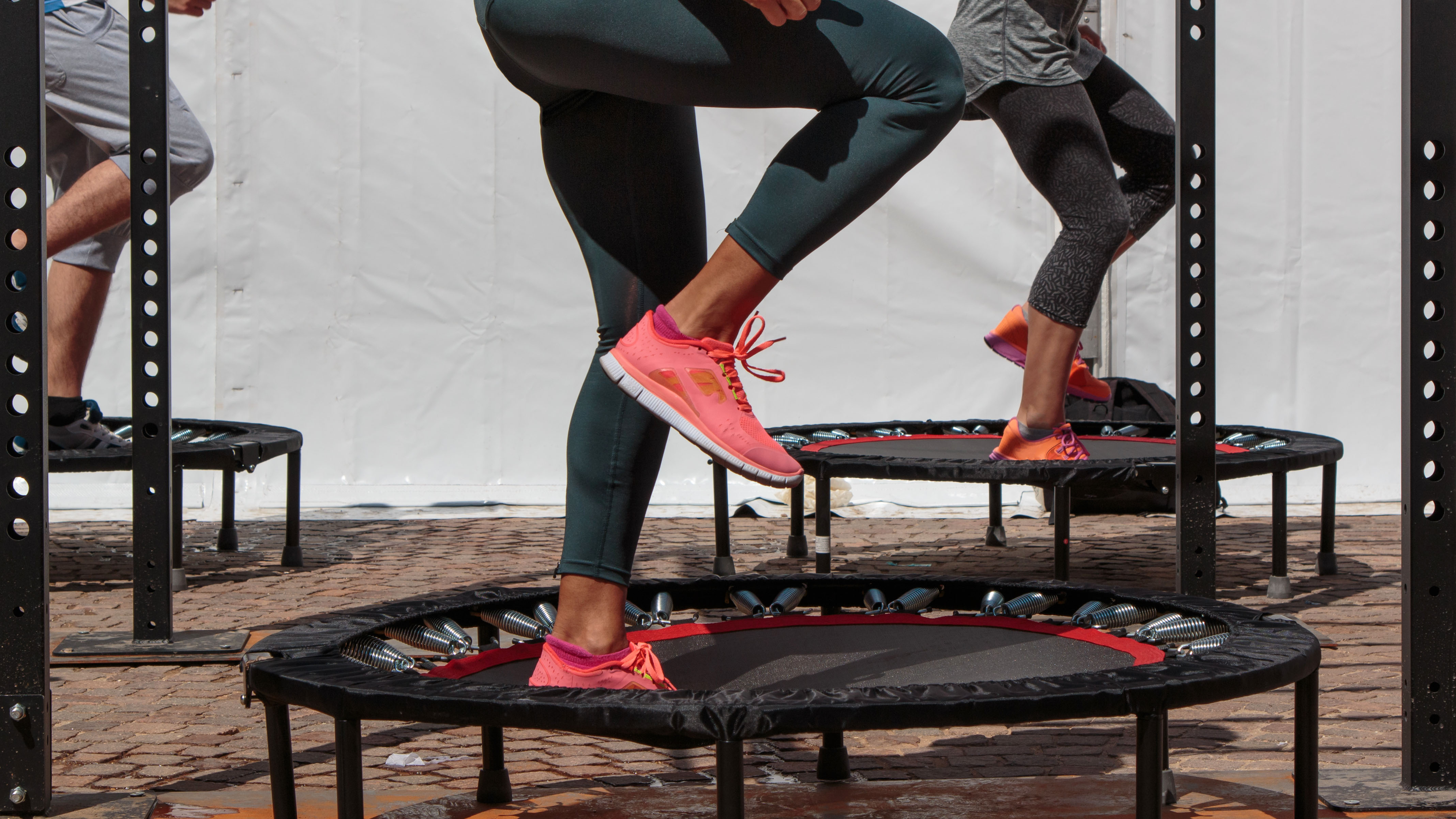
NASA research suggests that rebounding on a mini trampoline is more effective than running for boosting cardiovascular health, building muscle, and improving overall fitness, with benefits including lower joint stress and quicker recovery, making it a fun and efficient workout alternative.
Lia Bartha, a 41-year-old Pilates instructor and founder of the fitness app B The Method, emphasizes the importance of low-impact, mindful workouts for longevity and energy, especially for those over 40. After years of high-intensity training, Bartha shifted to shorter, more sustainable Pilates-based routines that incorporate strength, mobility, and mindfulness, benefiting both her physical and mental health. She advocates for consistency and listening to one's body, highlighting that even 10-minute daily workouts can be effective.
A 15-minute walking workout designed by fitness expert Bianca Wise offers a low-impact way to boost cardio fitness and improve muscle strength. The routine is divided into three five-minute intervals with varying intensity levels, guided by heart rate zones. This workout can be done anywhere and is ideal for those looking to incorporate more movement into their daily routine without the need for a gym. It also supports weight management and mental wellbeing.
Incline walking is gaining popularity as a low-impact workout alternative to flat jogging, offering benefits such as higher calorie burn, increased muscle activation, and reduced joint stress. Experts like Tonyael Miller and Dr. Neel Anand highlight that walking on an incline can elevate heart rates more effectively and engage muscles like glutes, hamstrings, and calves more intensely than jogging on flat surfaces. Incline walking is particularly beneficial for those with joint or back issues, providing a safer cardiovascular exercise option.
McMaster University exercise scientists have developed an 11-minute, low-impact workout that can be done during the busy holiday season. The routine consists of three exercises - squat thrusts, knee tucks, and mountain climbers - that engage muscles in both the upper and lower body without being too impactful on joints. The goal is to push yourself out of your comfort zone for 60 seconds during each exercise, reaching a 7 or 8 on a 10-point scale of effort. This workout can help maintain or improve fitness levels and is suitable for people of all ages and fitness levels.
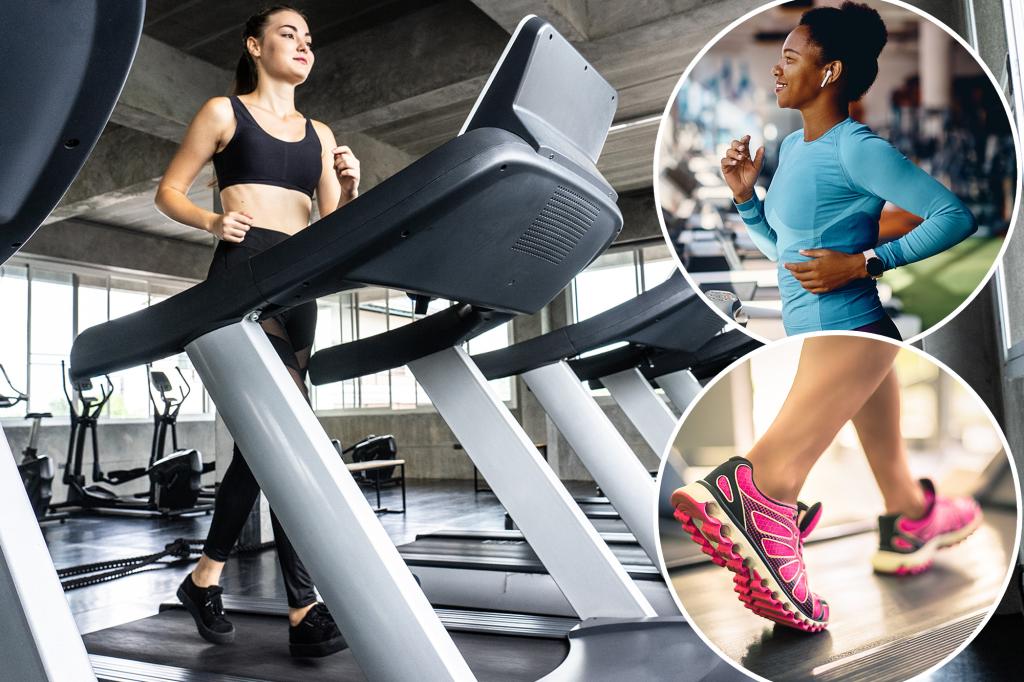
The 12-3-30 workout, which involves walking on a treadmill at a 12% incline and a pace of three miles per hour for 30 minutes, has gained popularity on TikTok. While it may seem simple, this low-impact exercise can provide numerous health benefits, including reducing the risk of heart disease and dementia. The steep incline helps burn more calories and build muscle in the glutes, quadriceps, hamstrings, and calves. However, experts advise gradually working up to the full workout to avoid strain or injury, and caution against attempting it if you have knee problems. Completing the 12-3-30 workout five times a week meets the recommended guidelines for moderate-intensity activity, but it's also important to incorporate muscle-strengthening exercises.